
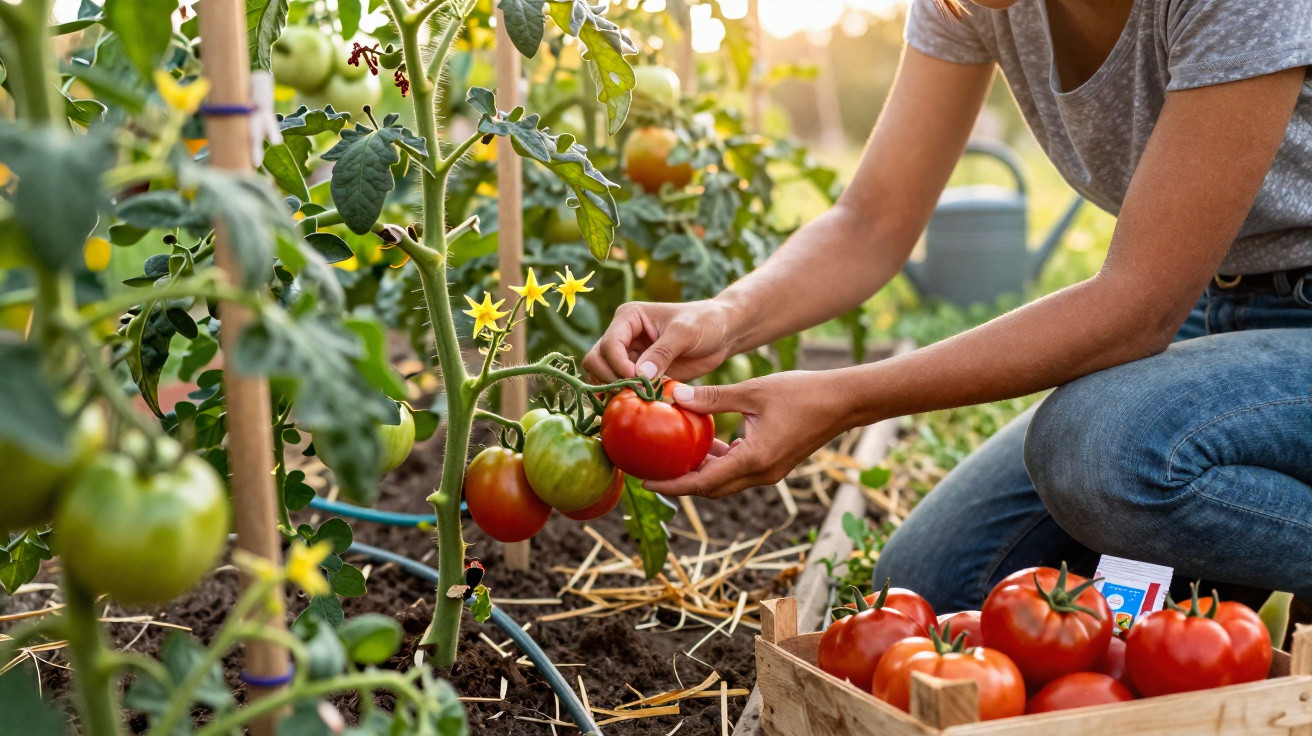
Many amateur gardeners face the same frustration every year.
The good news is that the supposedly “difficult” vegetable is rarely to blame. A few easily adjusted factors make all the difference: soil, water, spacing and variety determine whether you end up buying watery supermarket tomatoes or have a glut of home-grown tomatoes in July.
Choosing the right variety: no dream tomato without the right seed
Before soil even enters the equation, there is one essential question: which tomato suits your garden and your cooking? If your summer is short and relatively cool, choose early varieties that ripen quickly. In warmer areas, later, fleshy types that need longer but offer a more intense flavour are also suitable.
- Beef tomatoes (for salads and burgers, for example)
- Roma or plum tomatoes (ideal for sauces and purées)
- Cherry tomatoes (perfect for window boxes, snacking gardens and children)
- Varieties labelled “resistant to fungal diseases” for damp regions
If brown spots and rotting fruit are a recurring problem, specifically opt for hardy, disease-resistant varieties. They will not save every plant, but they can greatly reduce the risk.
Sowing indoors: sturdy young plants instead of spindly shoots
Tomatoes are best started in warmth, usually between February and March. A bright windowsill or a small greenhouse is enough. Use a loose, fine growing medium and aim for temperatures of around 18 to 25°C. Seeds germinate quickly and evenly within this range.
The main issue indoors is insufficient light. Seedlings then stretch upwards, become thin and bend over easily. Allow roughly 14 to 18 hours of light each day. If you do not have an ideal south-facing balcony, a simple grow light can provide extra support.
The stronger the small tomato stem is when pricking out, the sturdier and more productive the eventual plant in the bed will be.
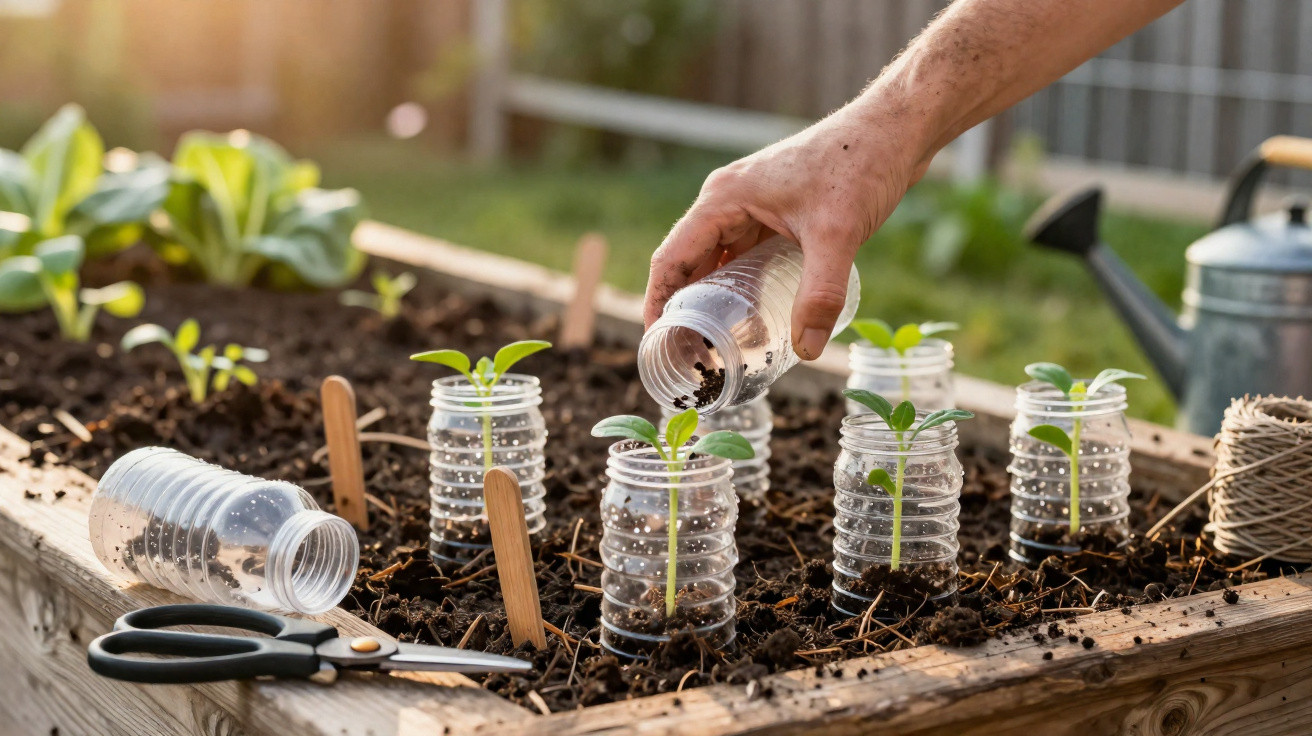
Once the first true leaves appear after the seed leaves, move the seedlings into individual pots. You can plant the stems slightly deeper, as this encourages root development. From then on, avoid crowding the plants so that they do not block each other’s light.
Moving tomatoes from indoors to the bed: timing and location
Tomatoes are highly sensitive to frost. Putting them outside too early can result in a total loss overnight. The usual rule of thumb is to plant only once the last night frosts have passed. Until then, acclimatise young plants gradually by taking them outdoors during the day and bringing them back inside at night.
The best spot in the garden or on the balcony meets three conditions:
- at least eight hours of sunshine daily
- sheltered from the weather, without constant draughts
- foliage that dries after rain, so not directly beneath dripping trees
Put sturdy canes or tomato cages in place as you plant, while the roots have not yet spread far. Adding them later is more likely to damage the plants.
Soil for tomatoes: deep, loose and slightly acidic
What happens below ground determines how sweet and flavoursome your harvest will be. Tomatoes prefer soil that is deep, rich in humus and free-draining. They are happiest at a pH of 6.2 to 6.8, which is slightly acidic.
A little preparation before planting is worthwhile:
- Loosen the soil with a garden fork or spade, removing stones and thick roots.
- Work in mature compost, ideally a bucketful for each planting hole.
- Mix in some sand or fine grit if the soil is particularly heavy and clay-rich.
When planting, you may bury the stems deeply, almost up to the first leaves. Extra roots will form along this section. Spacing is important: leave 70 to 80 centimetres between plants to provide air and light and reduce fungal infection.
Watering tomatoes properly: less often, but thoroughly
Many tomato issues are directly linked to watering. Plants may receive too much, too little or water at the wrong time. Their roots need consistently lightly moist soil, but not permanent wetness.
It is better to water deeply and less often than to give a little every day – this encourages plants to develop strong, deep roots.
As a broad guide, provide 2.5 to 5 centimetres of “rainfall” around the root area every few days. Water early in the morning, directly at the base, and never over the leaves. Wet foliage is an ideal breeding ground for fungal diseases.
Mulch: a secret weapon in summer
Once the soil has warmed up, many experienced gardeners spread a mulch layer around the stems, using straw or dried grass clippings, for example. It slows evaporation, keeps moisture in the ground for longer and prevents splashing water from carrying pathogens onto the leaves.
Nutrients: plenty of foliage or plenty of fruit?
Tomatoes are hungry plants, but they respond poorly to the wrong feed. Excess nitrogen promotes leaf growth, so plants may look impressive while producing very little fruit. When fertilising, choose balanced products or ones with a slightly higher potassium content.
| Stage | What the plant needs | Practical tip |
|---|---|---|
| Start in the bed | Basic nourishment | Soil well supplied with compost is often enough |
| Flowering and fruit set | Steady nutrients, more potassium | Apply organic tomato fertiliser moderately, following the instructions |
| High summer | Consistent supply, without overdoing it | Small feeds every few weeks are better than a shock dose |
Pinching out, tying in and keeping tomatoes in shape
Small side shoots form between the main stem and side branches; these are often called side shoots. Removing them regularly directs the plant’s energy into fewer, larger and better-ripened fruits. This mainly applies to tall-growing outdoor varieties.
Important rules of thumb:
- Pinch out side shoots early, while they are soft, using two fingers.
- Tie the main stem loosely to a cane or trellis at regular intervals.
- Avoid injuring the plant and handle it gently at all times.
In pots or on a balcony, a more compact growing habit is useful. Here, gardeners often leave one or two additional shoots in place to create more foliage and therefore more yield in a limited space.
Common diseases and how the garden can help prevent them
Fungal infection is the fear of many tomato growers, usually recognised by brown spots. It cannot be prevented entirely, but your garden setup can do a great deal to reduce the risk.
A few key measures:
- Never soak the leaves when watering.
- Water in the morning so everything can dry thoroughly during the day.
- Space rows generously rather than creating a dense “tomato hedge”.
- Do not put remains of diseased plants on the compost after the season.
Anyone who does not plant tomatoes in the same place every year significantly reduces fungal pressure and soil fatigue.
A break of around three years before growing tomatoes, peppers, aubergines and potatoes in the same bed acts like a reset. In containers, you can achieve something similar by replacing the growing medium regularly or mixing in a generous amount of fresh compost.
Heat, pollination and blazing sunshine
Tomatoes love warmth, but extreme heat combined with high humidity can interrupt pollination. Flowers then drop before fruits can form. If temperatures regularly exceed 30°C in the shade during high summer, put up a light shade net at midday or move containers where they receive some protection.
Flowering companion plants nearby, such as sunflowers or lavender, attract bees and other pollinators. More visitors to the bed generally means more fruit will set.
Harvesting tomatoes: perfectly ripe or slightly early?
Check tomatoes every two to three days. Ripe fruits quickly become overripe, split and then attract insects. Picking regularly takes pressure off the plant and encourages it to keep setting fruit.
Before the first cool nights, a small rescue operation is worthwhile. Green but already well-developed fruits can be picked and ripened indoors in a bright, warm place. A cardboard box on top of a kitchen cupboard is often sufficient.
More tips for really good tomato years
Those new to growing their own can easily lose track. A small notebook or an app with photos helps you keep records: which variety handled your local climate well, which kept splitting, and where did the plants grow last year? In this way, you can refine your 19 small steps from one season to the next.
Combining tomatoes with other vegetables is also interesting. Onions, garlic or marigolds nearby are considered good neighbours because they may confuse pests. Heavy feeders such as cabbage directly alongside, however, place an additional burden on the soil. A little planning here can reduce the need for plant protection products and fertilisers later.
Ultimately, tomatoes forgive a surprising amount when the basics are right. With a suitable variety, airy planting, good soil, thoughtful watering and a little patience, there is every chance that the troublesome plant in the bed will become the quiet star of the whole garden – and supermarket shopping the exception.

Comments
No comments yet. Be the first to comment!
Leave a Comment