
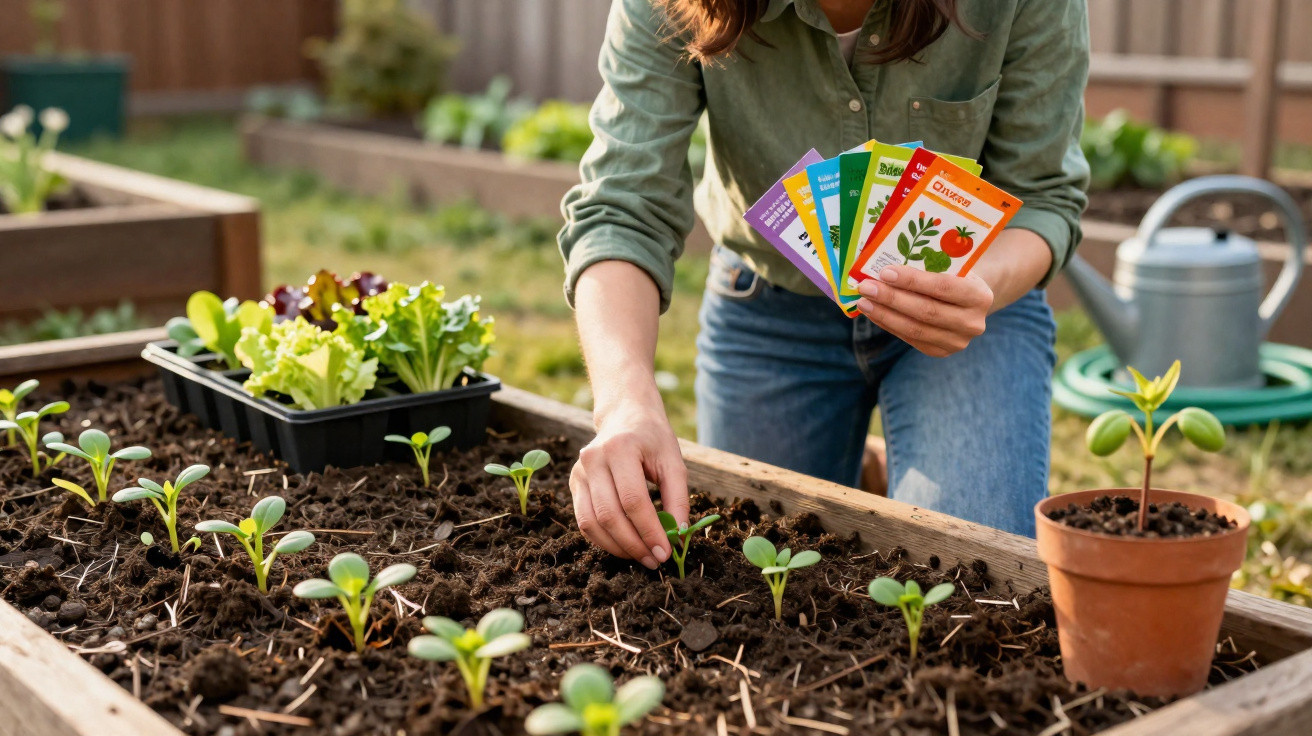
Between the final night frosts and the first genuinely mild days, the foundations are laid for how colourful, productive and resilient your gardening year will be. March is not a ‘maybe’ month but a clear signal to begin: plant the right flowers, shrubs and vegetables now, and you will enjoy more colour, better flavour and less stress in summer.
Why March is such a crucial month for gardeners
The garden noticeably comes to life in March. The sun sits higher in the sky, the soil starts to warm and rainfall is often more evenly spread. For many plants, this creates ideal conditions for getting established.
“Crops sown and planted in March make use of the entire season – they put down deeper roots, become more resilient and provide harvests for longer.”
Gardening experts advise taking action now: it does not simply bring work forward, but gives plants a genuine head start. Three groups in particular benefit:
- early-flowering ornamental plants for colourful beds
- summer-flowering plants such as lilies and hydrangeas
- vegetable and salad crops for harvests from early summer through to autumn
Flowers for a colourful start to spring
Annual cut flowers: colour for beds and vases
To pick fresh bouquets from your own garden in summer, you need to start in March. Many annual flowers can now be sown directly outdoors or under glass.
Particularly suitable choices include:
- Marigolds – hardy, long-flowering and attractive to insects
- Pansies and violas – perfect for window boxes and bed edges
- Cornflowers – a classic choice for naturalistic gardens and able to thrive in poor soil
- Sweet peas as young plants – they climb supports and produce fragrant flowers
For direct sowing, some straightforward soil preparation is worthwhile: remove weeds, loosen the ground and pick out larger stones. This helps seeds germinate more evenly and develop strong roots.
Planting summer-flowering shrubs and bulbs
It is also worth planning ahead for high summer. Once the risk of severe frost has passed, many summer-flowering plants can go into the ground in late winter or spring.
Typical plants that can be planted in March include:
- Weigela – a profusely flowering shrub popular in front gardens
- Lilies – bulbous plants with striking blooms that favour sunny positions
- Tuberous begonias – better in partial shade and ideal for containers and shaded patios
- California lilac – an evergreen shrub with blue-purple flowers
- Hydrangeas – suited to partially shaded areas with moist, humus-rich soil
- Rhododendrons – they prefer acidic, loose soil and sheltered positions
“For shrubs and bulbs, moist yet well-drained soil is essential. Waterlogging quickly causes root rot.”
Where soil is heavy clay, it is best to mix in coarse sand or grit and incorporate plenty of compost. This improves water retention without allowing water to sit around the roots.
Vegetables: what can go into the ground now
When the first weeds begin to emerge, the garden itself is indicating that the soil is warm enough for the first vegetable sowings. Many robust varieties cope well with cool conditions.
Hearty vegetables for beds and raised beds
A wide range of crops can already be sown outdoors in March. Gardening specialists include the following among them:
- Brassicas such as cabbage, broccoli and cauliflower
- Kale – often even tastier after light autumn frosts
- Lamb’s lettuce and land cress
- Peas and broad beans
- Onion sets and maincrop onions
- Parsnips – these need a little patience to germinate
- Turnips
For root vegetables such as parsnips and turnips, remove stones and large clods from the soil. Only then can the roots grow properly straight and strong.
Salads to get started now
From mid- to late March, it is time to consider light, quick-growing crops. Some salads and warmth-loving plants make a better start under glass or indoors.
Popular choices to sow in March are:
- Lettuce and loose-leaf lettuce
- Spinach
- Mustard leaves – peppery and ideal in mixed salads
- Lamb’s lettuce
- Chillies – they need a long, warm season, so should be started very early
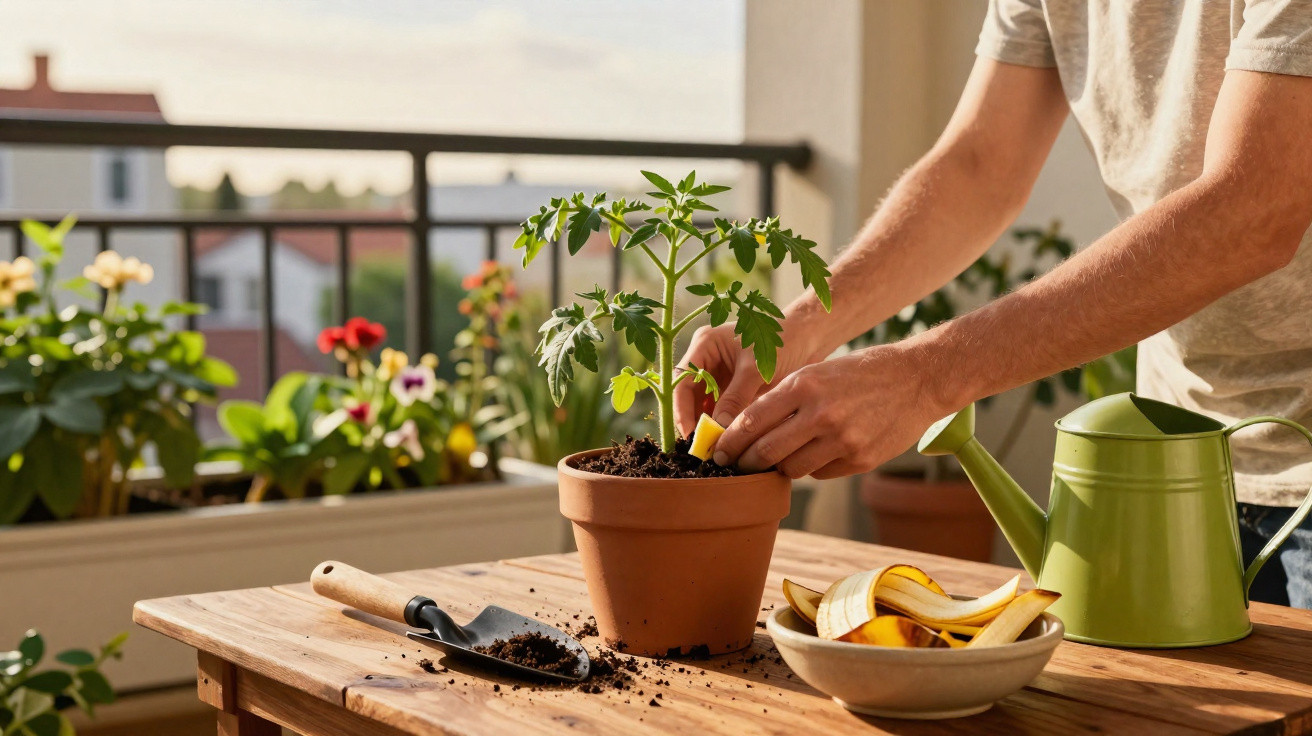
- Tomatoes – germinate them in warmth, then plant out from May after the last frosts
“Chillies and tomatoes should be started now in pots on a windowsill or in a heated greenhouse so that they become strong plants by summer.”
It is important not to sow too densely. To reduce the need for pricking out later, space seeds apart using a wooden stick or a seed drill.
Fruit: pruning, new planting and preparation
March is the final period for winter pruning pome fruit such as apples and pears. The buds have not yet fully opened, making branches easy to see.
It is also worth visiting garden centres and nurseries, as many now stock container-grown berry bushes. Suitable options for planting in March include:
- redcurrants
- gooseberries
- raspberries
If you have room on a balcony or patio, raspberries and redcurrants can easily be grown in large containers. A good drainage layer of expanded clay pellets or gravel will prevent waterlogging.
Managing the climate when March becomes too warm
Climate researchers have observed that spring is among the seasons warming most rapidly. As a result, many plants begin growing earlier and are then more vulnerable to late night frosts.
“Anyone planting in March should consider not only sunshine and warmth, but also water management and heat stress in summer.”
Useful strategies for a climate-resilient garden include:
- Mulching with grass cuttings, leaves or bark pieces to retain moisture in the soil
- Storing rainwater in water butts or cisterns rather than relying solely on mains water
- Raised beds with a loose, humus-rich growing medium that holds water effectively while still allowing air through
- creating shaded areas with shrubs or shade sails, especially for sensitive crops during hot summers
Looking ahead: what March gardeners can prepare for April
Those who already know how much time they will have in April can plan more effectively. Some tasks can be started in March, reducing pressure the following month.
| Area | What makes sense in March | How April benefits |
|---|---|---|
| Vegetable beds | Dig beds over, work in compost and mark out rows | Faster planting of young plants and less weed pressure |
| Herb garden | Plan positions and buy pots and compost | Outdoor planting of basil, parsley and chives |
| Ornamental garden | Cut back old perennials and remove dead plants | Clear areas for new perennials and summer flowers |
April often brings the addition of warmth-loving crops: sunflowers, pumpkins and courgettes are then sown or pricked out so they can produce crops in late summer and early autumn. Preparing seed trays and having compost ready in March makes for a stress-free start.
Practical tips for anyone ready to begin now
A few simple rules will help you avoid common March mistakes:
- Sow only as much as you can realistically plant and eat – otherwise pricking out becomes a chore.
- Label seed: the variety, date and eventual position save plenty of guesswork.
- When sowing directly, do not make rows too deep – 0.5 to 2 centimetres is usually enough.
- Water small plants with a fine rose or spray bottle so the seed is not washed away.
Those with limited experience can use companion planting: peas beside lettuce, herbs between brassicas and marigolds around the edge of a bed. Many combinations deter pests more effectively and make better use of available space.
March can still feel rather inhospitable, particularly in the north and at higher elevations. Even so, it is exactly the right time to get outside in a hat and wellies. Plants put into the soil during this transitional period repay the effort with vigorous growth, less watering in summer and a garden that gains real momentum by late spring.

Comments
No comments yet. Be the first to comment!
Leave a Comment