
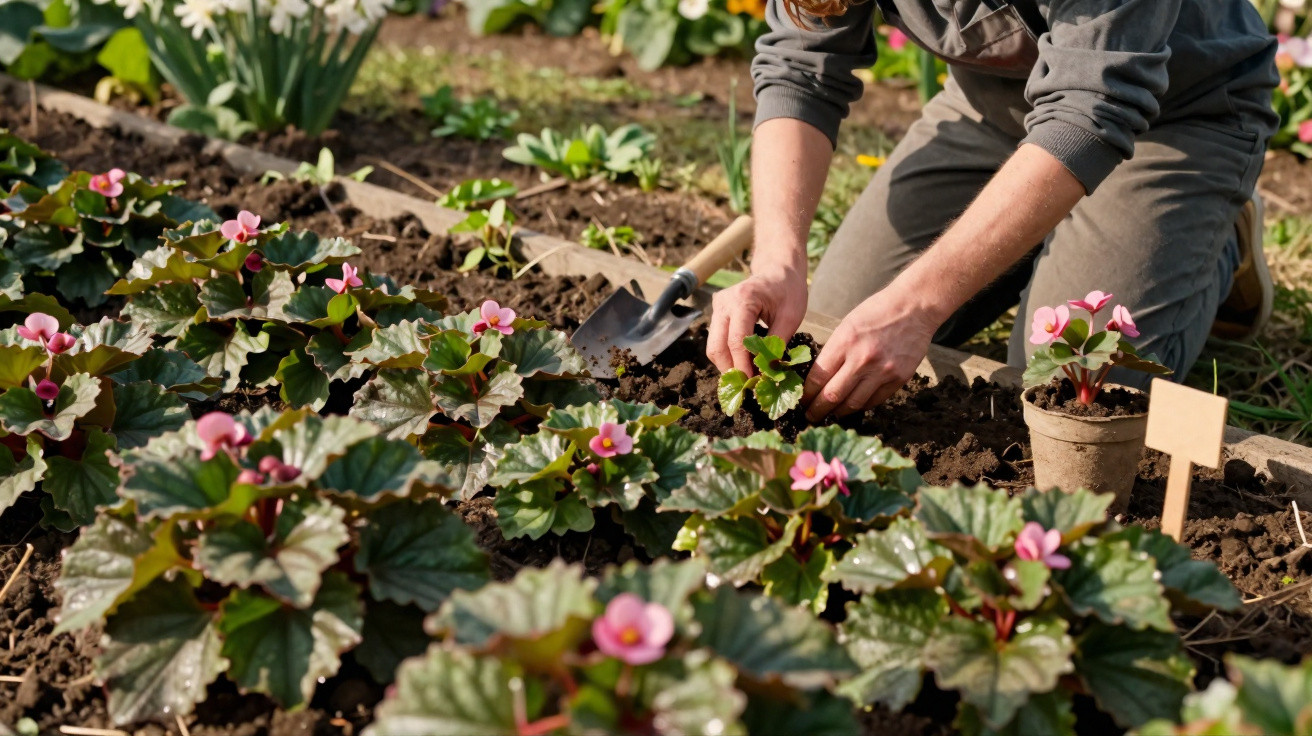
Since synthetic weedkillers were removed from domestic sale, patches of bare ground have become ideal territory for dandelions, grasses and other fast-moving invaders. However, a traditional perennial is steadily returning to favour. It works as a living mulch, suppressing weeds while bringing colour to borders in early spring.
The living mulch quietly replacing weedkiller
With chemical quick fixes no longer available, gardeners throughout Europe are reconsidering their approach to weed control. A rapidly growing solution is to cover bare earth with thick, low plants that deny weed seeds the light they need to establish.
Well-established groundcover can cut weed growth by 70–90% within a couple of seasons, simply by stealing light, space and moisture.
Rather than reaching for a spray, gardeners can allow hardy perennials to do the work. These plants function as a “living mulch”, cooling and shading the soil, evening out temperatures and retaining moisture. One species offers a particularly impressive combination of qualities: evergreen leaves, excellent frost hardiness, early blooms and an ability to overwhelm unwanted growth.
That plant is bergenia. Plant it now and you may spend far less time later in the year crouched over the border with a hand fork.
Bergenia, the bootmaker’s plant that chokes out weeds
Bergenia purpurascens, usually known simply as bergenia and sometimes as “elephant’s ears” or “bootmaker’s plant”, is a resilient perennial that grows in clumps. It remains leafy throughout the year and copes with winter temperatures of –20 °C or lower in many temperate areas.
Individual plants produce rosettes of large, leathery foliage, growing to 30–50 cm high and eventually spreading 40–70 cm wide. The leaves are generally shiny green, although cold conditions often bring out handsome purple or bronze colouring. This provides winter appeal when most herbaceous plants have died back.
As lawns are only beginning to stir in early spring, bergenia produces sturdy flower stems carrying clusters of pink or rose-red blooms. These flowers attract early pollinators and make a striking contrast with the dense foliage beneath them.
Bergenia behaves like a living carpet: once it knits together, there is simply no room left for most weeds to push through.
Its foliage is the key to its effectiveness. Overlapping leaves blanket the ground and greatly limit the light reaching weed seeds. Fewer seeds germinate, while those that do emerge are usually weak and pale, making them quick to pull rather than a lengthy task.
Where bergenia works best in the garden
Whereas many groundcover plants require either full sun or deep shade, bergenia adapts well to a wide range of settings. It grows happily in:
- Full sun, provided it does not receive fierce afternoon heat
- Partial shade beneath small trees or alongside hedges
- So-called “dry shade”, where the soil is dominated by thirsty tree roots
That adaptability makes it useful in awkward parts of the garden where lawns struggle and weeding becomes tiresome.
Smart spots to use bergenia against weeds
Garden designers frequently suggest using bergenia in:
- The front of borders and around bed edges, where the ground is regularly disturbed
- Beneath deciduous trees, where spring sunshine gives way to summer shade
- Banks and slopes that are difficult to mow or hoe
- Light, open woodland and the margins of shrub plantings
- Rockeries and raised beds with free-draining soil
In very shady spots or places that remain wet, bergenia can benefit from the help of other groundcovers. Hardy geraniums, periwinkle (Vinca) and pachysandra can occupy spaces where conditions are too challenging for bergenia by itself. Together, they create a mosaic of living mulch that protects the soil all year.
When to plant bergenia for maximum weed control
To ensure bergenia creates a thick cover before weeds begin growing, planting time matters. In most temperate climates, there are two principal planting periods:
| Season | Advantages |
|---|---|
| Early spring (March–April) | The ground is cool and damp; plants establish roots rapidly before summer warmth and weed growth increase. |
| Autumn | Warm soil and frequent rainfall help plants establish; they are prepared to grow early the following spring. |
In either season, do not plant during severe frost or when the soil is waterlogged. Roots need several weeks of reasonable conditions to become firmly established and begin spreading.
Planting in early spring lets bergenia close the gaps just as annual weeds are preparing to sprout.
How to install a long-lasting bergenia carpet
Bergenia is easy to plant, although a little care at the outset can provide many years of low-maintenance groundcover.
Preparing the ground properly
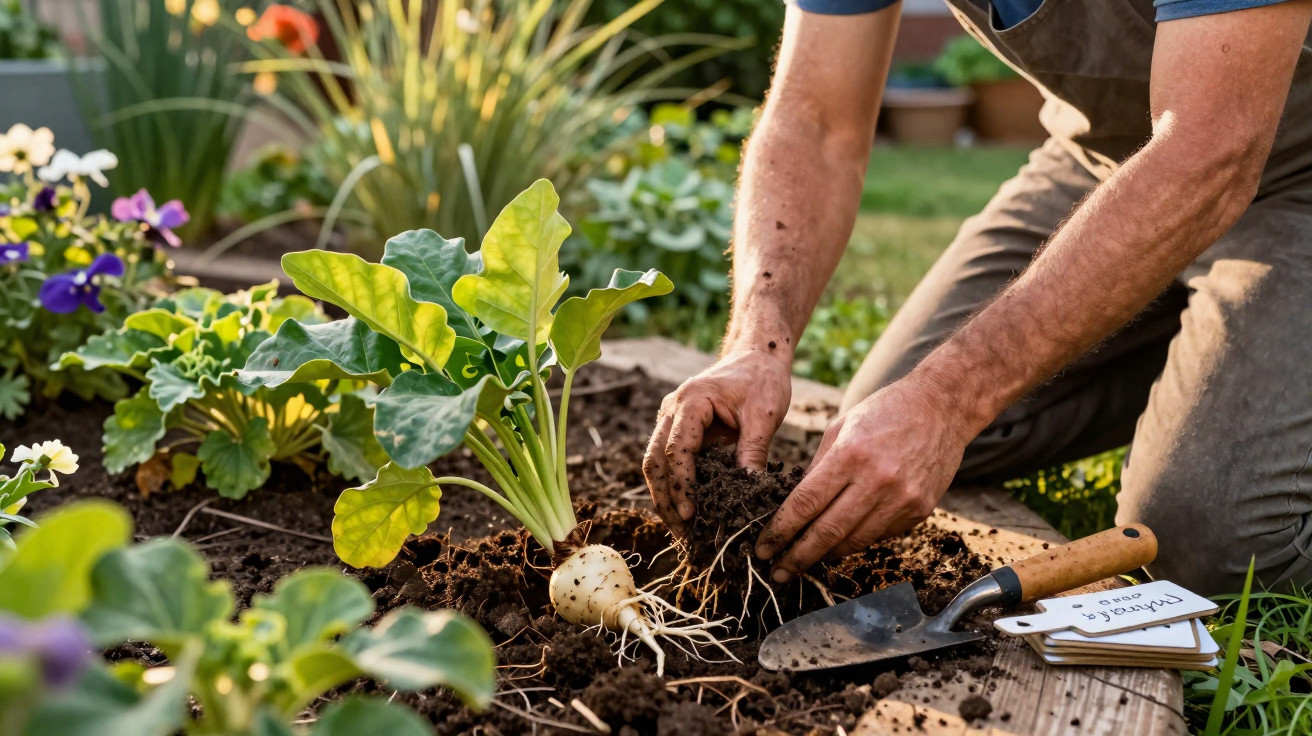
First, clear existing weeds as completely as possible. Remove the roots of deep-rooting perennials, including dandelions and docks; if the roots break, they are likely to regrow. Next, loosen the soil to a depth of roughly 20 cm. This helps bergenia roots spread and prevents the ground compacting beneath the developing foliage.
Where soil is fairly poor, incorporate well-rotted compost or leaf mould. Bergenia does not demand rich conditions, but a small improvement helps it establish more quickly and form an even cover.
Spacing, watering and early care
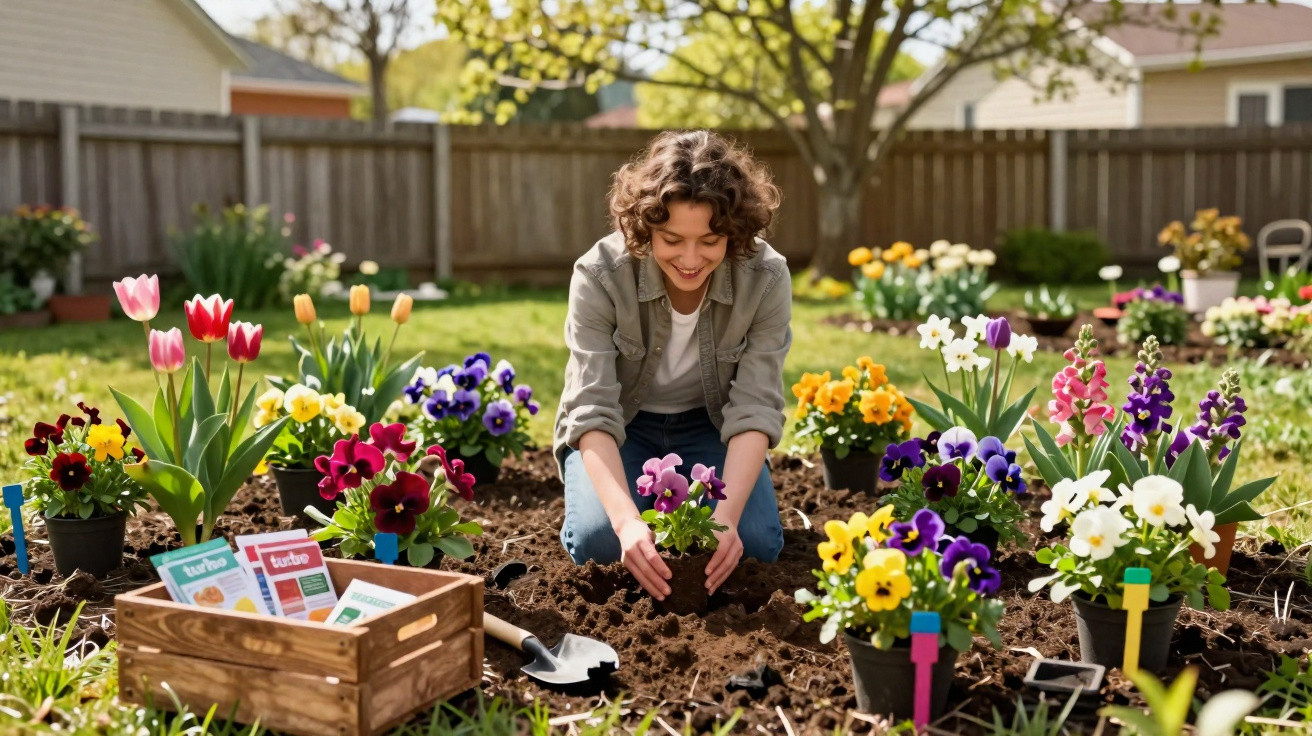
Place each bergenia in a planting hole just larger than its root ball. Position the crown – the point where the stems join the roots – at soil level rather than beneath it. Around 40 cm between plants is suitable in most settings, with plants usually meeting after one or two seasons.
Water generously straight after planting to settle the soil around the roots. You can then spread a light layer of organic mulch in the spaces between plants. This short-term mulch retains moisture and restricts weed growth until the foliage closes over the ground.
The first year is the only period when bergenia needs regular attention – once settled, it more or less looks after itself.
Throughout the first growing season, keep the soil lightly moist without allowing it to become saturated. Once roots reach deeper into the ground, bergenia tolerates dry spells well. It needs little ongoing work: cut off damaged leaves, take away faded flower stems and, every three to five years, lift and divide congested clumps to renew growth and expand the carpet into further areas.
Realistic expectations: what weeds will still appear?
No plant can guarantee a completely weed-free garden, including bergenia. Seeds carried by the wind may still sprout in small openings, and certain persistent perennial weeds can force their way through almost any planting. Even so, the type of weed problem changes.
Rather than facing a thick, interwoven layer of annual weeds and grass, gardeners generally find only an occasional individual seedling. Removing these from between bergenia leaves takes minutes rather than hours, and many gardeners need only two or three brief weeding sessions each year in previously troublesome areas.
Benefits beyond weed control
Bergenia offers advantages beyond holding back unwanted plants. Its evergreen foliage shields the soil from heavy rain and can reduce erosion on banks. The shade created by its leaves also slows evaporation, allowing beds to stay damp for longer after rainfall.
Wildlife benefits too. Its early flowers provide food for bees and other pollinators when little else is blooming. Slugs and snails usually leave the tough leaves alone, which makes bergenia a comforting option for gardeners weary of seeing plants disappear overnight.
Combining bergenia with other low-maintenance strategies
Using bergenia as a living mulch works well within a wider low-input gardening approach. It is often combined with:
- Woodchip or leaf mulch where taller shrubs are the main planting
- Well-draining gravel paths that deter persistent weeds
- Thick shrub planting that leaves minimal bare earth
- Targeted hand weeding, limited to invasive or deep-rooted plants
This multi-layered method lowers reliance on herbicides while keeping gardens orderly and practical, including for people with restricted time or mobility.
Key terms and practical scenarios
A phrase commonly associated with bergenia is “living mulch”. Unlike conventional mulches made from bark, compost or gravel, living mulch consists of plants that cover the soil densely enough to perform the same functions: shading, insulating and protecting the surface against erosion.
Take a familiar example. There is a circle of bare earth beneath a young ornamental cherry, which every spring becomes covered with chickweed, self-sown grass and an occasional nettle. Planting a ring of bergenias under its canopy this spring lets them spread during the next one or two years. When their leaves form a continuous circle, weeds have very little room in which to settle. Instead of crawling beneath the branches with a hoe several times yearly, you may only need to bend down a couple of times per season to remove the odd intruder.
A further example is a slim border beside a front path that is continually invaded by lawn grass. Filling this strip with bergenia creates a dense edge that physically stops grass runners, maintaining a neat division between path and lawn while adding spring colour.
When used carefully, this uncomplicated perennial can transform demanding areas into calm green carpets – and give the gardener back a sizeable part of their weekend.



Comments
No comments yet. Be the first to comment!
Leave a Comment