
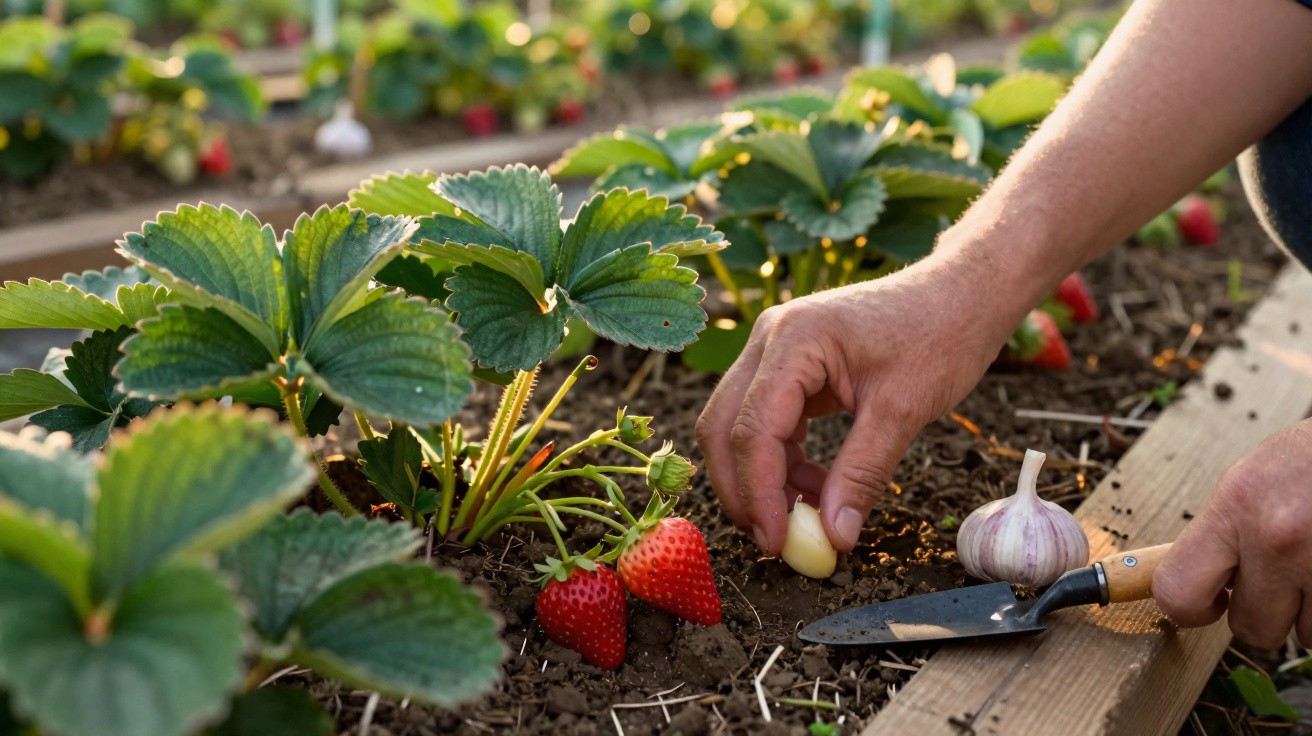
An unassuming helper in the soil could turn things around.
Many home gardeners know the frustration: at first, there are plump flowers and lush green leaves, but before long the first red fruits have been partly eaten or have started to rot. A remarkably simple tip has been circulating online and at gardening events for some time: planting just one garlic clove directly beside the plants is said to help strawberries grow more vigorously and suffer noticeably less damage.
Why strawberries so often struggle in the garden
Strawberry plants thrive in slightly moist, densely planted conditions. Yet this very environment also turns the bed into an ideal habitat for a whole host of pests and diseases.
Common issues in a strawberry bed include:
- Aphids, which feed on young shoots and slow down growth
- Spider mites, which create fine webs and cause leaves to fade
- Slugs, which eat fruit and foliage during the night
- Fungal diseases such as grey mould, which rots fruit while it is still on the plant
- Soil nematodes, which weaken roots and gradually exhaust the plants
Gardeners often respond with a complete range of measures: mulch, plant feeds, organic sprays, fleece covers and nets. This can take time, money and patience, while the results are frequently limited.
The unassuming garlic clove that transforms the strawberry bed
The solution now being discussed in many allotment gardens sounds almost too straightforward: place a garlic clove in the soil close to the strawberry plants’ root area. There is no spraying, specialist equipment or harsh chemical treatment involved.
“This small clove acts like a natural protective shield around the strawberry plants – entirely without chemicals and without disturbing pollinators.”
The effect is linked to a compound called allicin. It is formed when garlic cells are damaged, for example during sprouting or root growth. This sulphurous scent spreads through the soil and immediate surroundings, making the location much less appealing to many pests and certain fungi.
Companion planting also helps keep the soil healthier overall. Fungi responsible for grey fruit rot find conditions less favourable. Certain nematodes are kept under control, while strawberry plants often appear more vigorous and continue producing for longer.
How to plant garlic correctly among strawberries
For this technique to work, a few details matter. The good news is that neither expert knowledge nor specialist tools are needed.
Choosing the right garlic clove
A firm, undamaged garlic clove with no signs of mould is ideal. Anyone simply picking a random clove from a supermarket pack may be in for an unwelcome surprise: commercially produced garlic is sometimes treated to prevent it sprouting on the shelf. Such cloves may sprout poorly, or not at all.
- Better: organically grown garlic
- Better still: seed garlic or garlic from a local grower
- Avoid: soft, shrivelled or cut cloves
The correct spacing in the bed
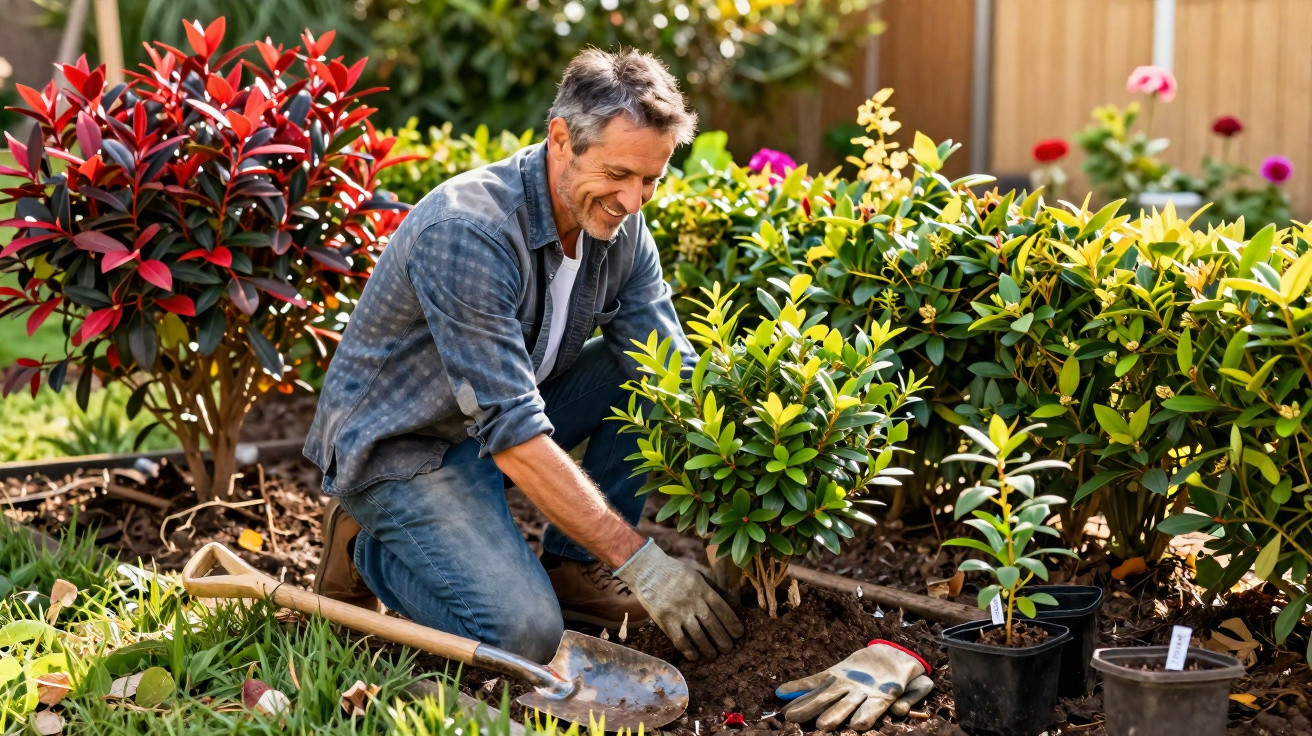
Do not put the clove into the middle of the strawberry plant’s root crown; instead, position it slightly to one side. Proceed as follows:
- Make a small hole to the side, around 5 to 10 centimetres away from the crown of the strawberry plant.
- Insert the clove with its pointed end facing upwards.
- Cover it to a depth of just 2 to 3 centimetres, much like a very shallowly planted onion set.
- Firm the soil gently and water carefully.
A useful guide is: one garlic clove for every one to two strawberry plants. In a larger bed, place the cloves in a loose grid between the rows.
The best time to plant
This method can be used with surprising flexibility. Garlic tolerates cold well and can be planted at several points in the gardening year:
- in autumn, while preparing the bed for the next season
- towards the end of winter, as soon as the ground is free from frost
- in early spring, before the strawberries begin growing in earnest
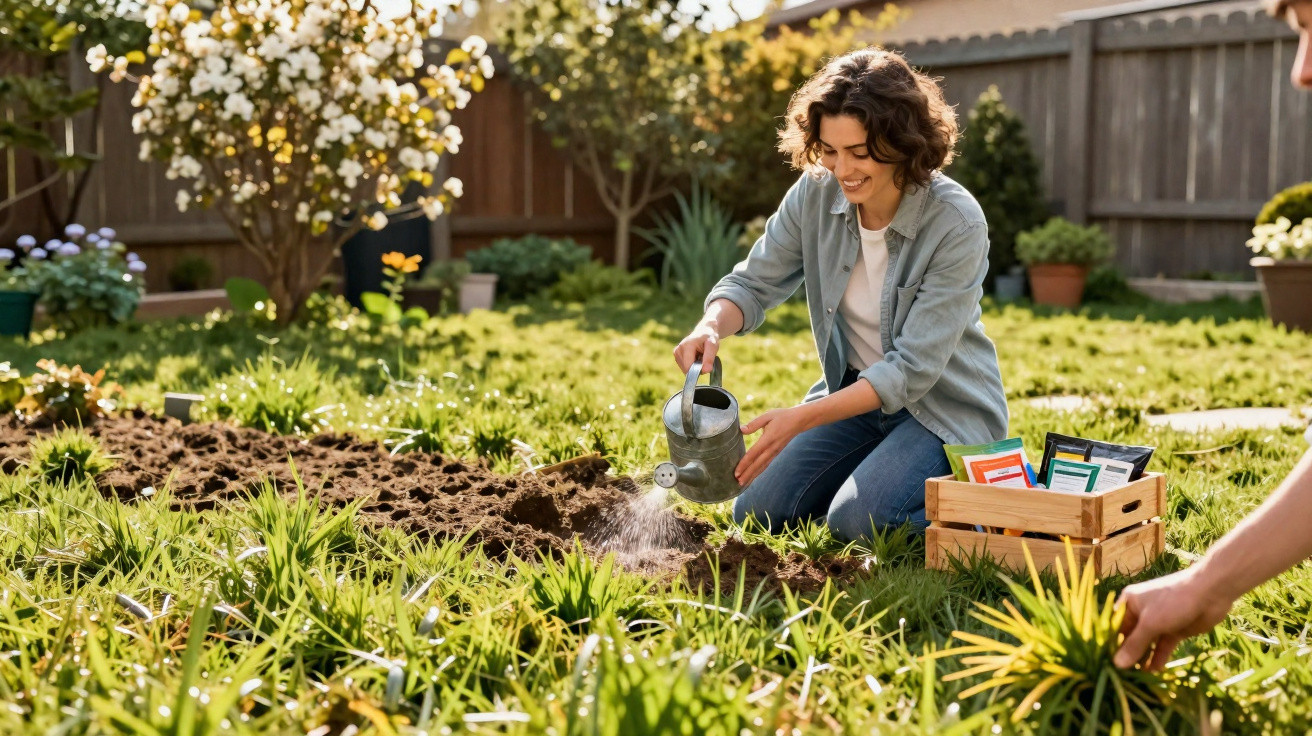
Those who plant in autumn benefit the following spring from strong, sprouting garlic plants already spreading their scent effectively.
What actually changes in the strawberry bed
The effect is not immediate. The protective mechanism only starts working once the garlic begins to sprout. After several weeks, many home gardeners report noticeable changes:
- Significantly fewer feeding marks on leaves
- Fewer slimy, rotting fruits in densely planted areas
- Strawberry plants that look sturdier and keep going for longer
“Anyone who looks closely will notice that the plants appear stronger, and harvesting often continues into high summer – despite changeable weather.”
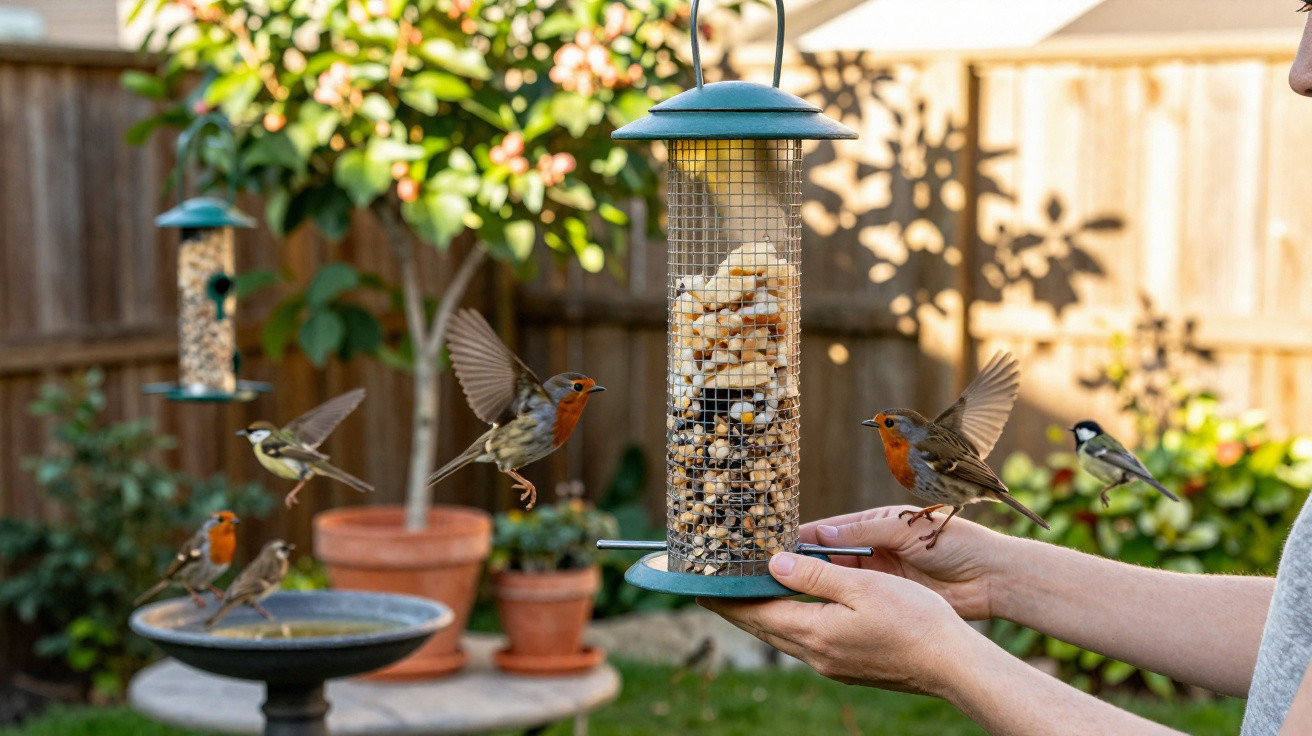
Another benefit is that no spraying is required. Bees, bumblebees and other pollinators can carry on undisturbed. Beneficial insects such as ladybirds, which eat aphids, are also unaffected because the measure works purely through the soil.
Limits of the garlic trick – and practical extra benefits
A garlic clove in the strawberry bed is not a magic wand. Damage will not disappear completely during a severe slug infestation or an exceptionally long wet spell. The method is better viewed as part of the approach of “combining plants intelligently and improving the balance in the bed”.
Nevertheless, it offers several clear advantages:
| Advantage | Benefit in the garden |
|---|---|
| Less feeding damage | Higher yields and better-looking fruit |
| Healthier soil | Less grey mould and fewer root problems |
| No spraying required | Protects pollinators and beneficial insects |
| Double harvest | Garlic bulbs can later be eaten as well |
If preferred, leave the garlic in place until it flowers. Its white to purple flower heads add attractive accents to the strawberry bed. The garlic can then be harvested as usual. Many gardeners find home-grown bulbs more aromatic than supermarket garlic.
What lies behind the active compound allicin
In horticulture, allicin is regarded as a natural opponent of many microorganisms. The compound forms when garlic cells are damaged, whether through sprouting, cutting or crushing. In the soil, it spreads like a kind of scent cloud to which insects and fungi react sensitively.
For people, allicin matters chiefly in culinary terms; in the garden, it acts as the plant’s own line of defence. Its concentration is highest in the plant’s immediate vicinity. This is why burying a single clove somewhere at the edge of the bed achieves little: it should be placed genuinely close to the strawberries.
Other companion plants that make the bed more resilient
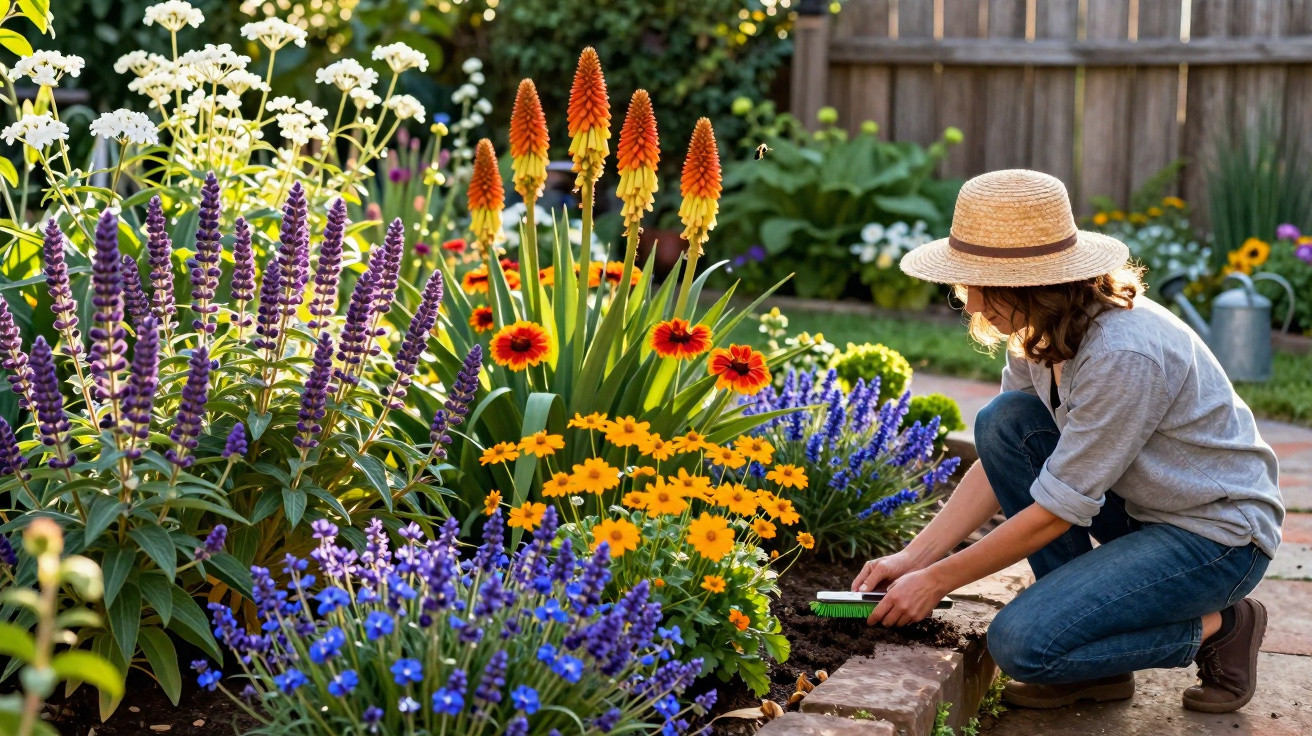
Anyone who enjoys companion planting can strengthen their strawberry bed even further. Several plants are particularly well suited to growing nearby:
- Borage: attracts pollinators and is said to improve the flavour of the fruit
- Calendula: provides colourful highlights and supports active soil life
- Chives: offer a mild protective effect against fungal diseases and can be harvested from the bed
- Lettuce: fills gaps in spring and protects the soil from drying out
It remains important not to overcrowd the bed. Strawberries need light and air circulation, especially after rain. Mulch made from straw or chopped grass can also help keep the fruit dry and make access more difficult for slugs.
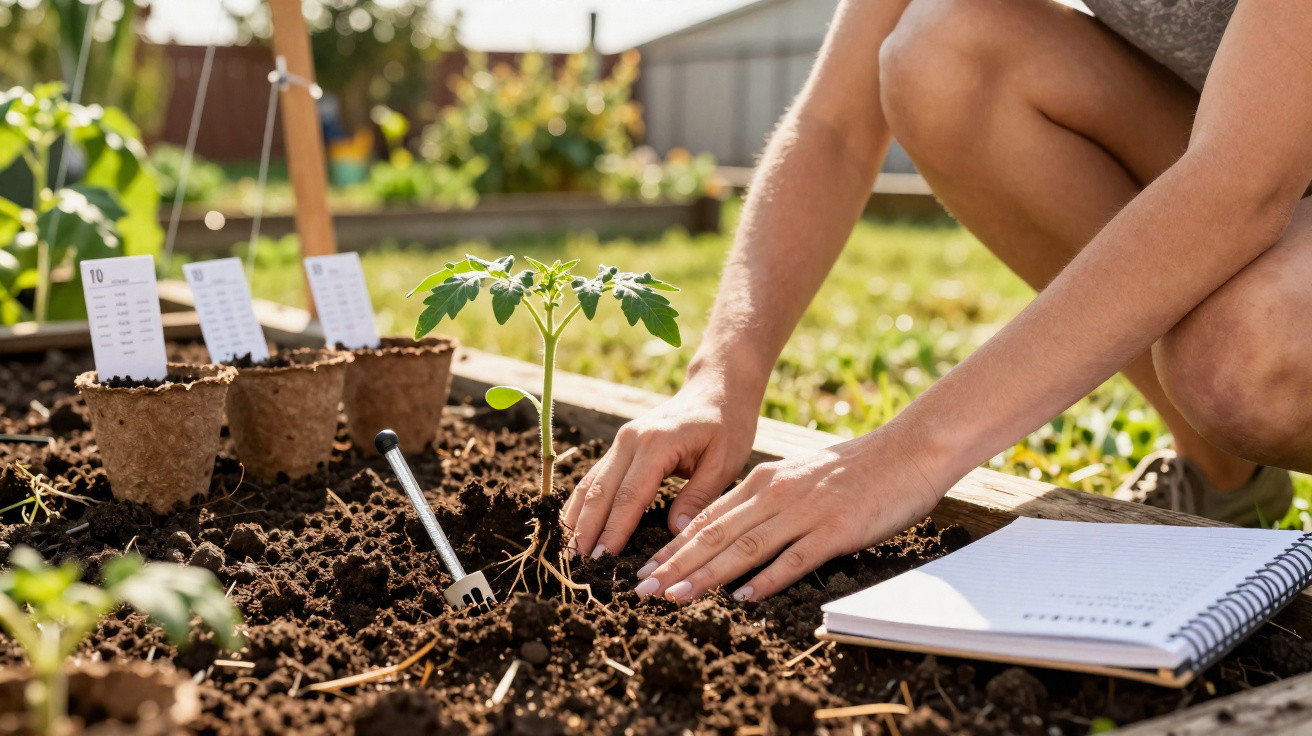
Anyone trying the garlic trick should make brief notes: the planting date, weather conditions and visible changes in the plants. This makes it easier to judge from year to year how strongly the method actually affects their own garden – and whether a completely new raised strawberry bed with a permanent garlic row might be worthwhile.
Comments
No comments yet. Be the first to comment!
Leave a Comment