
It does not have to stay that way.
With carefully chosen fast-growing perennials, even a bare patch of soil can quickly become a lush flowering border. Some of these long-flowering plants get off to a strong start in their first year, irresistibly attracting bees and butterflies while remaining remarkably low-maintenance.
Why fast-growing perennials are genuine garden problem-solvers
Perennials return on their own each year, so there is no need for constant replanting. That saves money, time and effort. However, many gardeners know the problem: in spring, there is still plenty of exposed soil, while traditional perennials can take two or three years to establish. During that time, weeds take hold and the border looks more bleak than beautiful.
“Choosing fast-growing perennials considerably shortens this waiting period – and leaves weeds with no room to grow.”
Many of these vigorous plants are also excellent sources of nectar and pollen. They form dense clumps, cover the ground and stop the sun from drying out the soil too severely. This gives home gardeners three benefits at once: fewer weeds, more flowers and more life in the garden.
Essential basics: position, soil and watering
Most fast-growing perennials thrive in freely draining soil. Waterlogging slows their development, especially in winter, when roots can rot easily. Before planting, it is therefore worth loosening the soil thoroughly, removing perennial weeds and working in some well-rotted compost.
Light levels are equally important. As a general rule, a fully sunny position receives at least six hours of direct sunlight each day. Partial shade is roughly half of that. Those who put perennials for sun into shade will usually end up with weak growth and few flowers, then wonder why “fast-growing” has not worked as expected.
- Loosen the soil and clear away weeds
- Incorporate compost or well-rotted farmyard manure
- Select the position carefully according to sun or partial shade
- Water regularly during the first season, then more sparingly
- Apply a layer of mulch to retain moisture
Even tough perennials need dependable watering in their planting year. Once their roots have reached deeper into the soil, many species cope well with heat and dry conditions, including agastache, catmint, gaillardia and many coreopsis varieties.
10 perennials that fill borders in record time
1. Agastache – a fragrant perennial that keeps bees busy
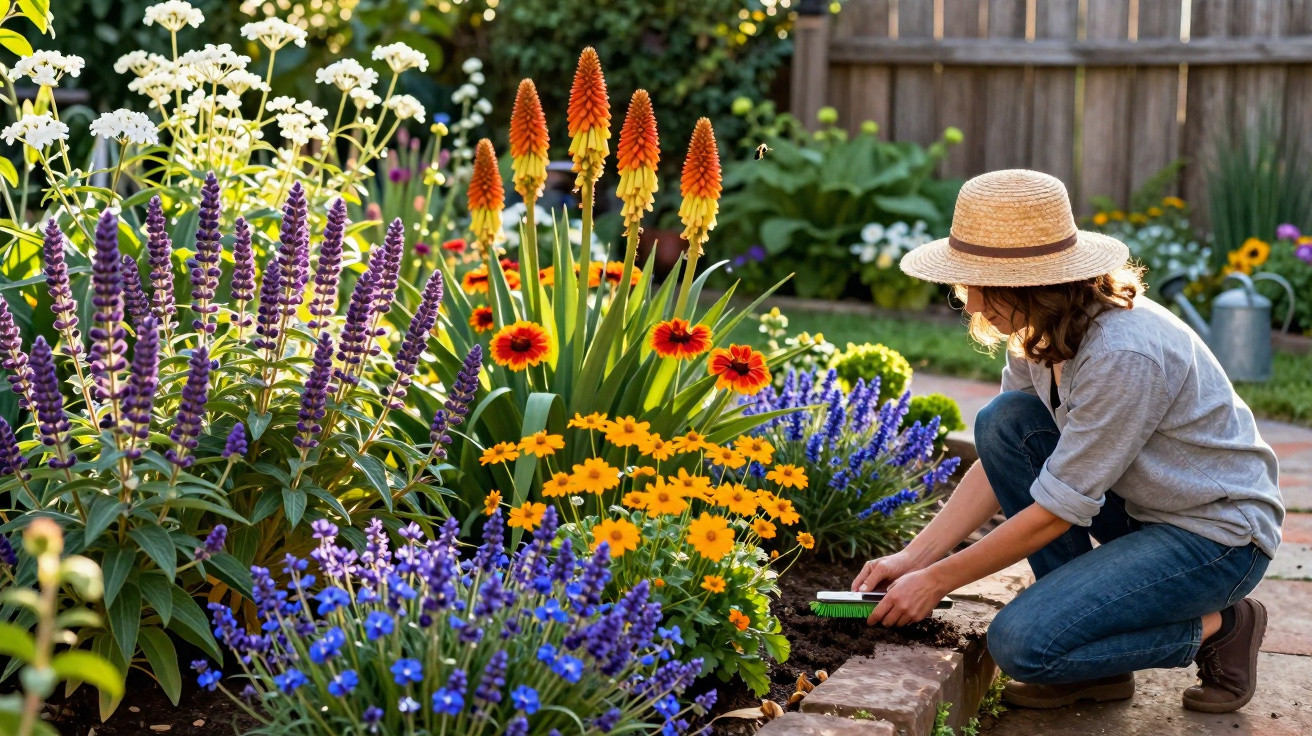
During summer, agastache tirelessly produces colourful flower spikes, usually in shades of violet, pink or orange. The plants grow in neat upright form, quickly develop sturdy clumps and carry a light aniseed or minty fragrance. Bees, bumblebees and butterflies flock to the flowering spires.
They favour sunny sites that are dry to fresh, provided drainage is good. Cutting them back after the main flush of flowers often encourages a second, smaller wave of blooms.
2. Catmint (Nepeta) – a blue-violet carpet of flowers
Catmint starts growing as soon as temperatures rise. In little time, it creates broad, low cushions that turn into a sea of blue-violet flowers. It copes with plenty of sunshine, drought and even poor soil.
After its first flowering, cut the plants back firmly. They often produce a second flowering period in the same year. It is ideal for border edges, alongside paths or in front of roses.
3. Coreopsis – a yellow cloud of flowers into autumn
Coreopsis grows rapidly, usually stays compact and flowers in yellow and orange shades, with some varieties also offering two-coloured blooms. The plants resemble small suns, bringing brightness to the border for months.
Removing spent flowers regularly allows them to continue their floral display into autumn. They prefer full sun and cope surprisingly well with sandy or stony soils.
4. Gaillardia – a heat-loving performer in red and orange
Gaillardia produces bright red-and-yellow flowerheads that resemble little flames. These perennials quickly grow into dense clumps and withstand heat, wind and drought better than many other species.
They are ideal for very sunny, relatively dry borders, gravel gardens or front gardens beside the pavement. In exposed areas, a light winter covering of leaves can be useful.
5. Gaura lindheimeri – floating clouds of bloom
Gaura lindheimeri forms loose bushes with delicate stems, carrying countless small white or pink flowers that appear to float. From a distance, the plant can look almost like a swarm of butterflies.
It grows quickly, loves warmth, tolerates drought and fits perfectly into naturalistic perennial borders. In colder regions, a slightly thicker mulch layer helps protect the roots.
6. Kniphofia – exotic splashes of colour
Kniphofia produces bold, upright flower stems in summer that bring burning torches to mind. Colours can range from yellow through orange to red. Although it has a very exotic appearance, this perennial is more reliable than it looks.
It prefers sunny, sheltered places with freely draining soil. Where conditions suit it, it soon develops generous clumps that become a focal point in a perennial border.
7. Hardy geraniums – ground cover and gap-fillers
Many hardy geraniums grow low and spread quickly. They cover bare ground, suppress weeds and produce countless pink, blue or white flowers in late spring and early summer.
“Hardy geraniums are ideal companions beneath roses, shrubs or at border edges, where they form continuous carpets in a short time.”
Some varieties also develop attractively coloured foliage in autumn, making them even more interesting.
8. Perennial sage – violet flower spikes that keep going
Perennial sage forms upright, densely packed flower spikes in shades of violet, blue or pink. It begins flowering from May, and a decisive cut-back after the first flush often brings a second display.
It enjoys sun but also tolerates light partial shade. Soil should be on the dry-to-fresh side and drain well. Its flowers are particularly striking when paired with catmint or coreopsis.
9. Daylily – a fresh flower every day
Daylilies quickly create strong, tufted clumps with long, grass-like leaves. Individual flowers last for only one day, but fresh buds are constantly opening. This keeps the plant appealing for weeks.
Flower colours range from yellow and orange to red and almost violet tones. Daylilies are happy in sun or partial shade and also tolerate somewhat heavier soil, provided it is not permanently waterlogged.
10. Monarda – bold colour and a magnet for pollinators
Monarda, often called bee balm, has striking, “shaggy” flowerheads in red, pink or violet. It spreads via underground runners and colonises open areas fairly quickly.
It prefers nutrient-rich, slightly moist soil and positions ranging from sunny to partially shaded. Where it feels at home, it attracts bees, bumblebees and butterflies in large numbers.
Planning whole borders cleverly with vigorous perennials
For a border that looks harmonious as well as filling quickly, a simple structure is helpful. Taller plants such as kniphofia, monarda and tall agastache should go at the back. Medium-height choices including coreopsis, gaillardia and perennial sage belong in the centre. Ground-covering hardy geraniums or low catmint can cover the front edge.
| Height | Suitable perennials | Typical position |
|---|---|---|
| tall | Kniphofia, monarda, tall agastache | Back of the border |
| medium | Coreopsis, gaillardia, perennial sage, gaura lindheimeri | Centre of the border |
| low | Catmint, hardy geraniums | Front of border, edge |
When creating a new border, plants can initially be positioned more closely than will be necessary in the long term. After two or three years, surplus sections can be divided, replanted elsewhere or given away. In this way, a starter border gradually develops into an entire perennial garden.
Practical advice for avoiding common mistakes
Many difficulties result from unrealistic expectations. Fast-growing perennials may make good progress, but they still need time to establish their roots. In their first year, they devote much of their energy to the root system; in the second year, they really begin to put on growth.
Another key issue is excessive watering or soil that is too heavy. Drought-tolerant species in particular tend to suffer more from wet conditions than from a brief dry spell. In areas with very wet winters, it can be worthwhile raising the border slightly or mixing sand and grit into the soil.
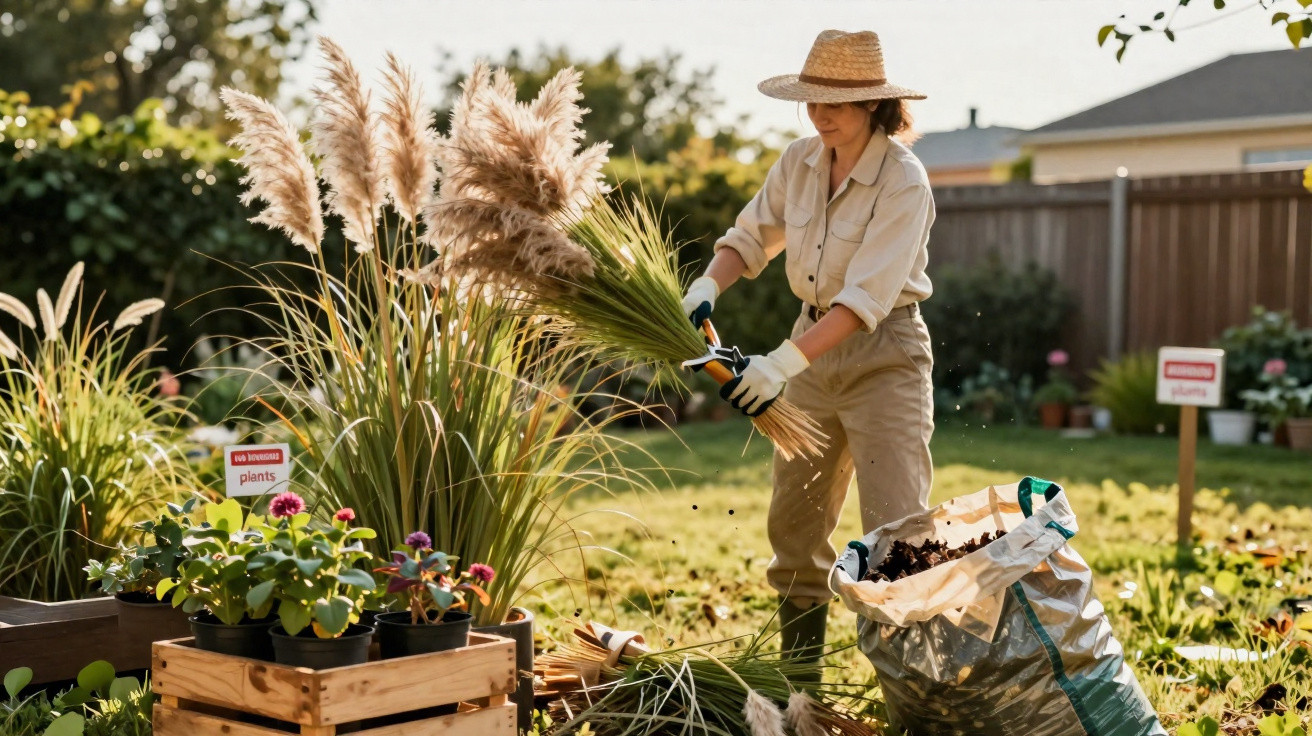
Anyone keen to support insects should not cut back every faded stem immediately. Some species provide seeds and winter shelter for beneficial insects. In spring, old material can easily be trimmed back close to ground level to make room for new shoots.

Comments
No comments yet. Be the first to comment!
Leave a Comment