
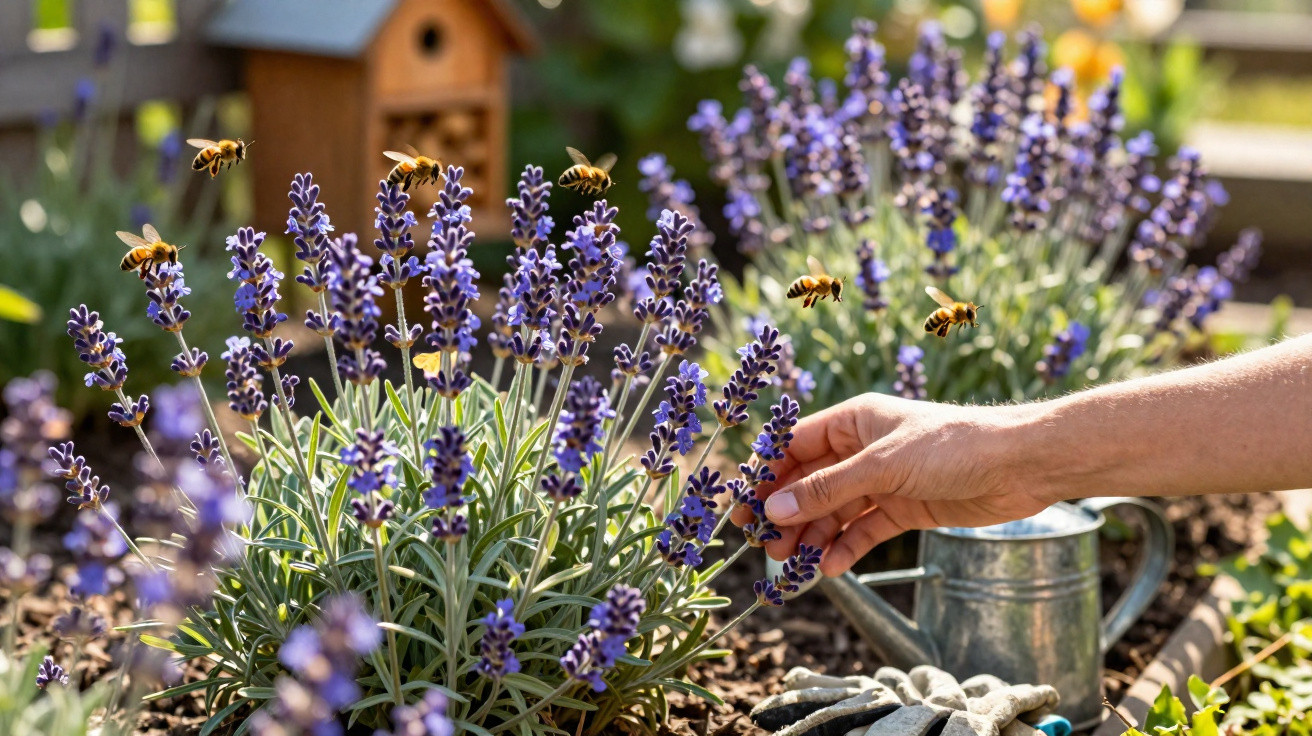
Many amateur gardeners automatically choose lavender when they want their balcony or garden to look summery. Yet they often overlook a perennial that is tougher, flowers for longer and acts as a real magnet for insects. It is catmint, more precisely Nepeta × faassenii – a plant that offers ideal answers at a time of heat, water shortages and insect decline.
Lavender’s overlooked rival
Why catmint is becoming a trend plant now
Lavender has developed an image problem: delicate varieties dry out during increasingly hot summers, their roots rot in wet winters, and many plants disappear after just a few years. Catmint copes far better with these conditions while bringing a similarly Mediterranean feel to the garden – with far less fuss.
Nepeta × faassenii forms a compact, bushy clump with gently trailing growth. It suits borders, rock gardens, containers on balconies and even the edges of vegetable beds. Anyone who enjoys working with structure and layers of colour can use it to line paths or cover dull areas with a blue carpet of flowers.
“Catmint is like hardier lavender: fewer tantrums, more flowers, more life in the garden.”
A fragrance of menthol and herbs
Brush a hand across its grey-green foliage and an aromatic scent is released immediately. It brings to mind a blend of menthol, mint and subtle herbal notes. Neither heat nor tropical evenings are needed to notice it – the fragrance is already clear on mild spring days.
Catmint is especially appealing around seating areas: reach briefly into the border, rub the leaves between your fingers, and the whole space smells like a summer evening. Many people find this scent both calming and refreshing.
A busy insect hotel: bees, bumblebees and butterflies
Why catmint attracts insects
While some ornamental plants have been bred merely “for looks” and now provide hardly any nectar, catmint lays on a generous feast for insects. Its many small flowers are tightly packed together, with fresh blooms appearing continuously.
Just a few plants are enough to bring noticeably more activity into the garden. You are particularly likely to see:
- honey bees clustered densely on the flowers
- bumblebees dipping deep into the flower tubes
- various butterfly species zigzagging around the perennials
- solitary wild bees, which readily use suitable nesting places nearby
“Anyone wanting to help tackle insect decline with little effort is making an excellent choice with catmint.”
Environmental benefits for gardens and their surroundings
More flower visits mean more pollination. Nearby fruit trees, berry bushes and vegetables all benefit. Tomatoes, courgettes, strawberries and apples often produce larger harvests when attractive nectar sources are growing close by throughout the season.
Such planting creates small biodiversity stepping stones, particularly in densely built-up areas or new housing developments. When several gardens contain insect-friendly perennials, they form genuine corridors through which insects can move safely and reproduce.
Heat or frost: this perennial copes with almost anything
Sharp winter frosts? No problem
Many Mediterranean-looking plants quickly reach their limits in severe frost. Catmint is not one of them. It is considered very hardy and tolerates temperatures down to around -20 °C.
The growth above ground dies back in winter, while the roots wait calmly beneath the soil for spring. From March or April, the plant sends up strong new growth. Gardeners in exposed locations therefore need not wrap it up or move it around.
Drought and heat: catmint stays untroubled
The plant has fine, lightly hairy foliage. This surface limits evaporation and helps it retain water. Once the perennial is well established, it needs considerably less watering than many traditional bedding plants.
That becomes particularly relevant in summers with hosepipe bans or high water prices. While other plants begin to wilt, catmint holds on for a long time. Only newly planted young specimens need a little extra help during their first few weeks.
| Characteristic | Catmint (Nepeta × faassenii) |
|---|---|
| Winter hardiness | down to around -20 °C |
| Water requirement once established | low to moderate |
| Position | full sun to partial shade |
| Flowering period | approximately April to October |
| Nectar value | high, very insect-friendly |
A display of colour from spring well into autumn
Flowers for months rather than weeks
Whereas many perennials look truly attractive for only three to four weeks, catmint delivers an impressively long display. In good conditions, it flowers from April until October.
Its blooms are carried in dense spikes, usually in shades of blue and violet. The effect is especially striking when several plants are grouped together. Lightly cutting the plants back towards the end of June or at the beginning of July often rewards you with a second, even more abundant flowering period.
How catmint works in a border
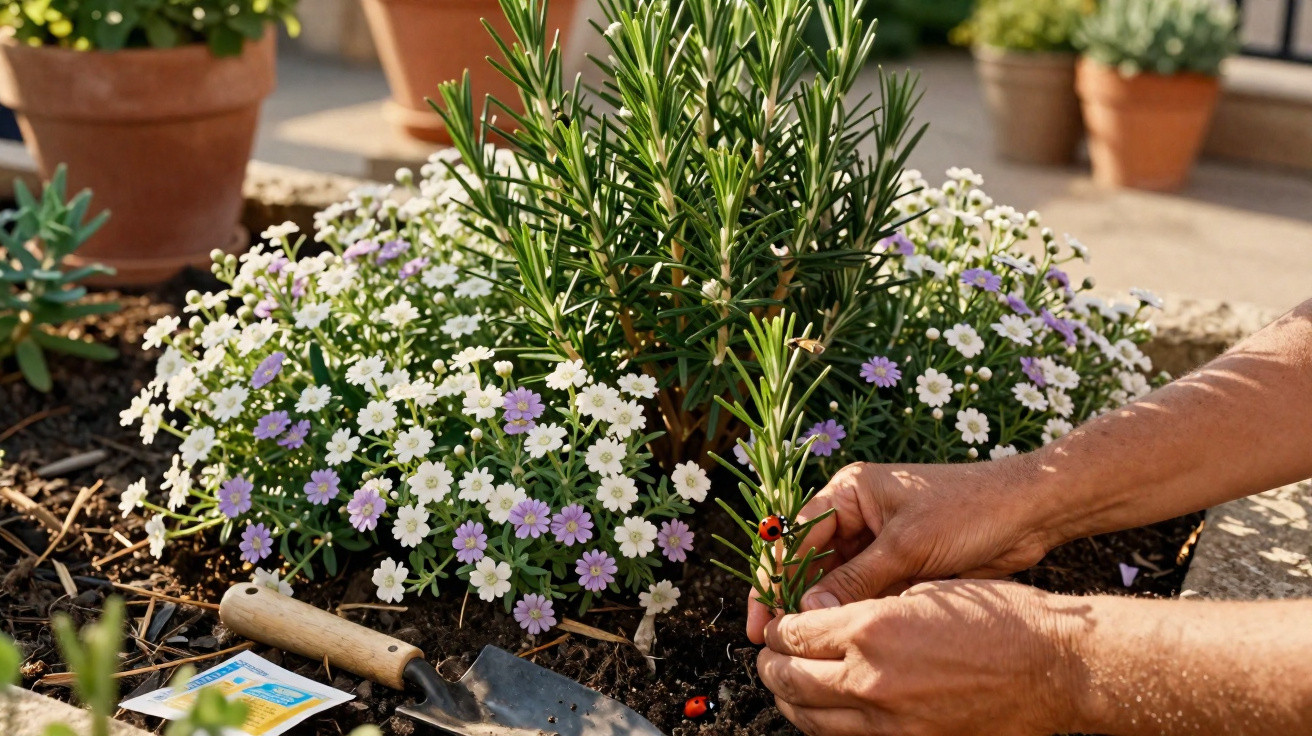
Its colour range extends from soft blue to rich violet. Pairing it with white roses, baby’s breath, ornamental grasses or coneflowers creates lively, contemporary garden scenes. The perennial also looks particularly harmonious alongside natural-stone walls or gravel paths.
It is also useful as ground cover: planted closely together, catmint forms a continuous layer that largely suppresses weeds. This saves laborious hoeing and reduces the need for mulch or covering materials.
Planting time, location and care: getting started successfully
The best time to plant
The ideal period begins in late March, once the soil is frost-free and has warmed slightly. This gives the roots time to establish well before high summer. If planting in autumn, ensure there is sufficient drainage so that the plants do not “overwinter wet”.
Step by step to a vigorous perennial
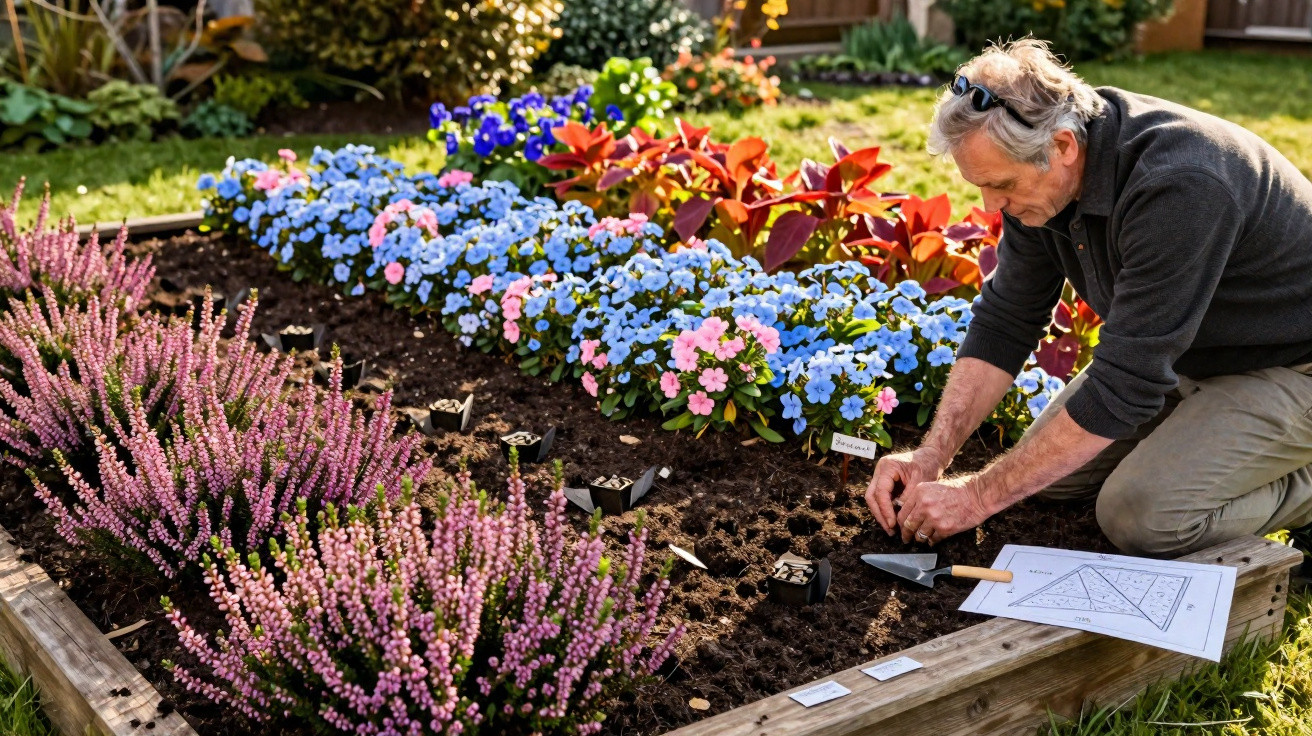
Planting is straightforward and works well even for beginners. The following approach has proved effective:
- choose a sunny position or one in light partial shade
- ensure the soil drains freely; work in sand or grit where soil is heavy
- make the planting hole around twice the size of the root ball
- soak the root ball briefly, then plant it and fill around it with garden soil and a little planting compost
- water thoroughly so the soil settles properly around the roots
“Anyone planting catmint in containers should make sure there is a drainage hole and a layer of expanded clay or gravel at the bottom of the pot.”
Equally appealing for the lazy, thrifty and nature-minded
Less work, lower costs and greater impact
As catmint is perennial and returns by itself, there is no need to buy replacements every year. After a few years, it can even be divided and replanted elsewhere. A handful of original plants can therefore be used to green entire areas.
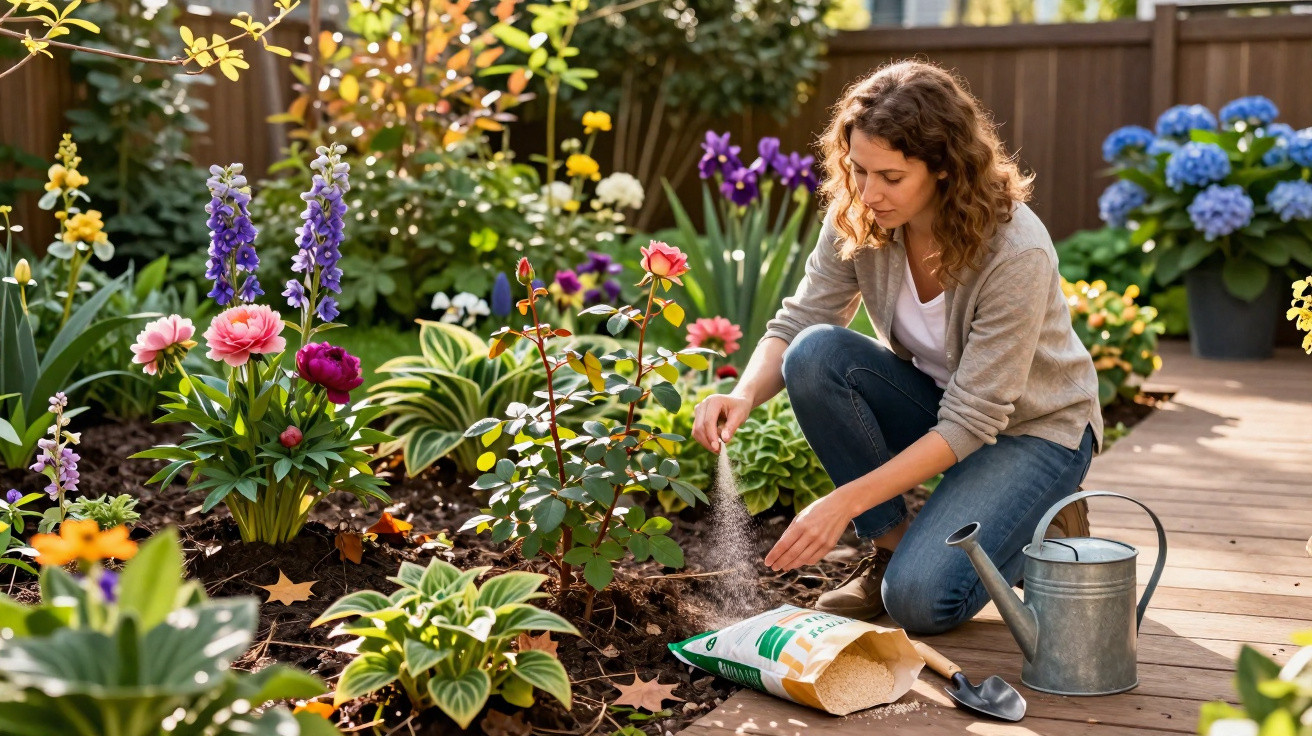
Watering, feeding and plant protection requirements remain manageable. Usually, a little compost in spring and occasional deadheading are enough. Chemical treatments are unnecessary – and may ultimately harm the insects you want to attract.
Practical points about cats and neighbours
The name “catmint” is no coincidence: some cats react to the plant with enormous enthusiasm, while others show no interest at all. If there are particularly playful cats nearby, protect young plants at first with a light wire guard or plant ring until they are strong enough.
People do not need to take any special precautions during normal use. Catmint is not a dangerously poisonous plant and is well suited to family gardens. In gardens devoted solely to edible crops, however, avoid planting it directly among heavily used vegetables, as visits from cats cannot be ruled out.
How catmint changes the garden over time
Anyone who has seen how greatly insect activity increases around this plant often redesigns their borders completely. Instead of short-lived flowers grown purely for decoration, robust and useful perennials become the focus – without sacrificing visual appeal.
Combined with other insect-friendly species such as sage, thyme, coneflowers or globe thistles, it creates a low-maintenance, climate-resilient garden that hums and buzzes from almost spring through to late autumn. Catmint plays a key role: it flowers for a long time, handles extreme weather and works with a remarkably wide range of planting companions.
Anyone bringing home a few pots this spring will notice the difference in their own garden during the same season – visibly, audibly and very likely through its scent too.



Comments
No comments yet. Be the first to comment!
Leave a Comment