
Many plants end up on the disappointment shelf after only a few months.
Anyone planting star jasmine hopes for a Mediterranean-style balcony or a romantically covered terrace. In reality, however, star jasmine often stays stunted, develops yellow leaves, drops its buds or grows out of control. A few checks before planting can prevent most of these issues – including problems involving pets.
Why star jasmine is so popular – and where the pitfalls lie
Botanically, star jasmine is known as Trachelospermum jasminoides. It is not a true jasmine, but looks very similar and has a comparable fragrance. The plant climbs trellises, pergolas, fences and house walls, and in mild areas it may even retain its foliage through winter.
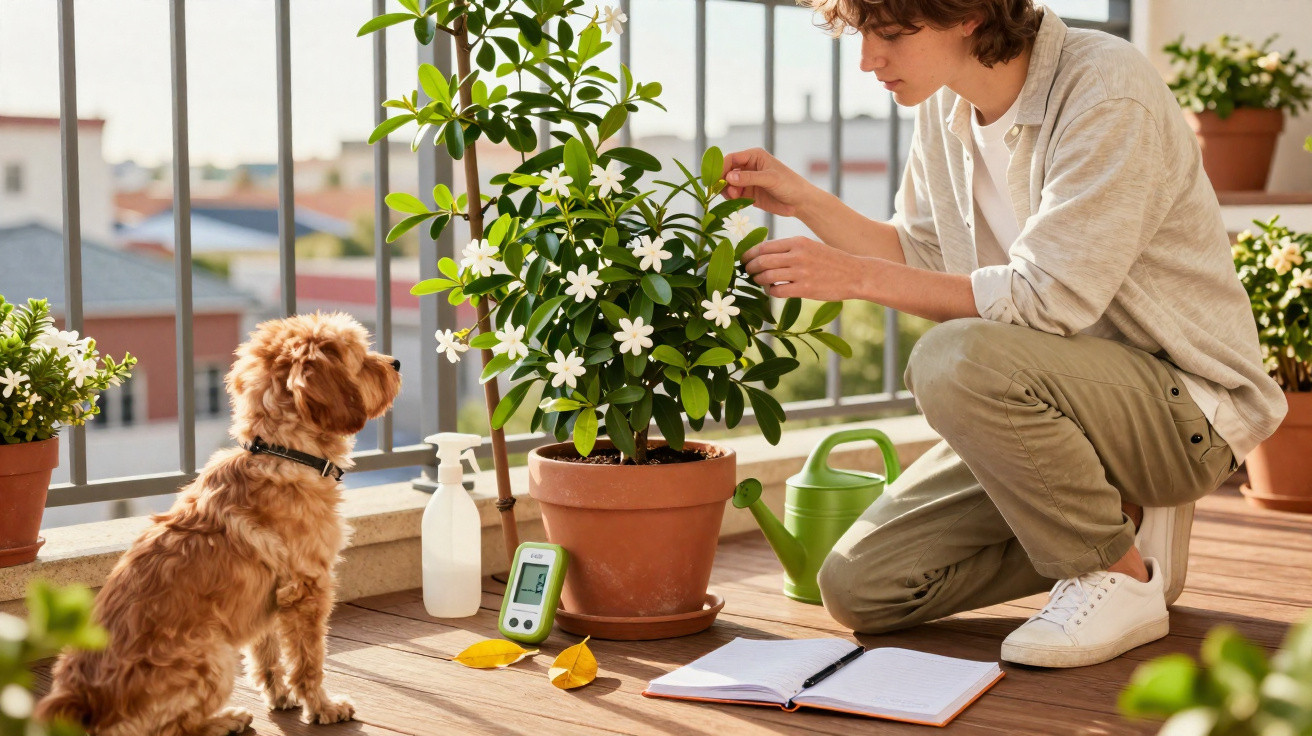
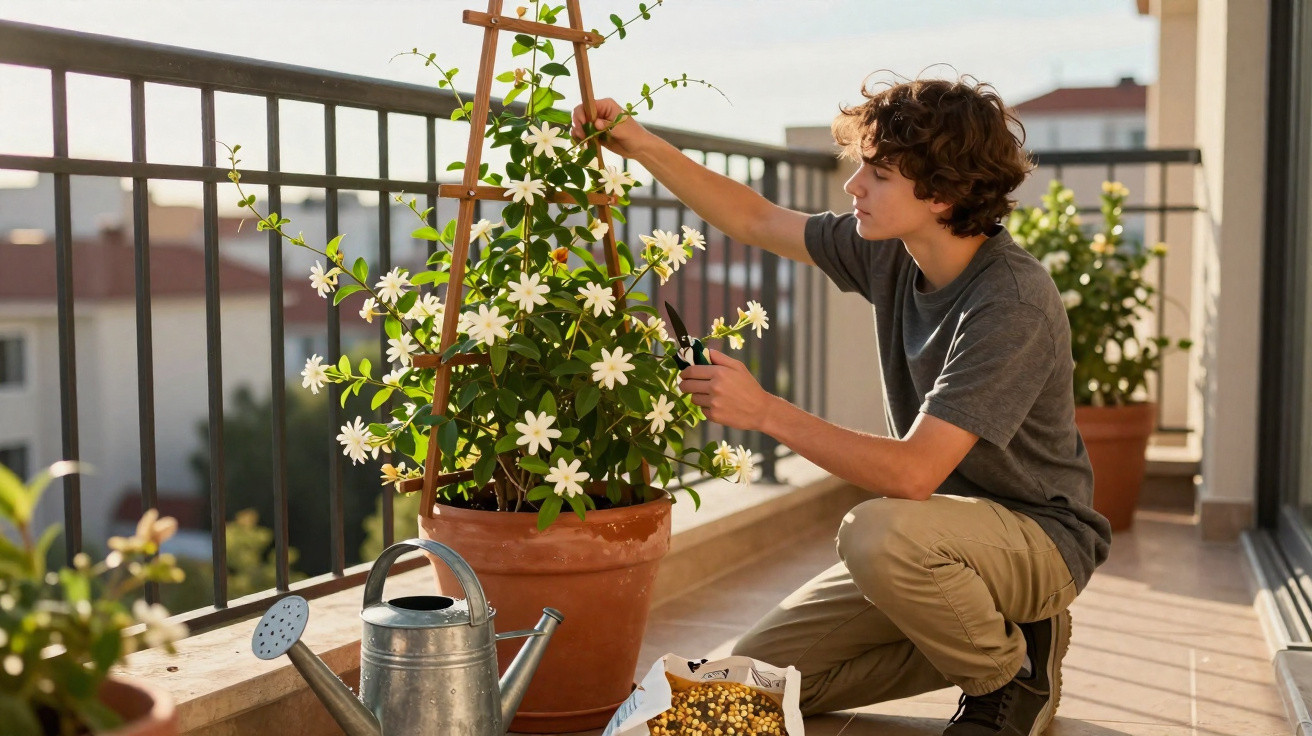
Ideally, star jasmine drapes a wall or balcony balustrade in a fragrant carpet of white star-shaped flowers – provided its location and care are right.
Many disappointments arise because the plant is treated simply as if it were a tough climbing rose or ivy. Star jasmine has its own requirements, which depend heavily on the climate and the planting position.
Climate check: where star jasmine survives outdoors
Star jasmine originates from areas with mild winters. In Germany, planting it in the ground is straightforward only where temperatures rarely fall much below -10 °C. In harsher locations, frost damage can quickly occur.
- Mild regions (wine-growing climates and sheltered urban sites): outdoor planting is possible, ideally against a warm south- or west-facing wall.
- Colder regions and higher altitudes: it is better grown in a large container and placed in a protected spot during winter.
If the plant freezes back severely, its leaves first turn black and then drop. Shoots may freeze all the way to ground level. Star jasmine often reshoots, but flowering is then delayed considerably or, in very cold years, may fail completely.
Those gardening in northern or frost-prone areas should ideally keep it in a sturdy container directly beside a warm house wall. This provides more reflected heat and a little more shelter from the wind.
Location and growth: between dream setting and rampant climber
Star jasmine grows vigorously. What looks like a delicate climbing plant at the garden centre can conquer gutters, railings, pergolas and neighbouring shrubs within a few years.
The right position by the house or on the balcony
The ideal setting includes:
- a south- or west-facing wall with plenty of sunlight and warmth
- a sheltered balcony without extreme draughts
- a sturdy climbing support able to bear the weight of mature shoots
On very draughty or completely exposed balconies, shoots and buds dry out quickly, while leaves may scorch or tear. Rather than looking dense and rich green, the plant then appears ragged.
Allowing sufficient space from the outset prevents stress later. Star jasmine is easy to shape when it is trained deliberately from the beginning, rather than only tackled once it has grown through every gap.
Keeping growth under control: how to contain the climber
Regular pruning helps to stop the plant becoming troublesome:
- After flowering, pinch out or cut back the shoot tips. This encourages branching and bud formation.
- Shorten overly long shoots before they grow into gutters or onto a neighbouring property.
- Thin out old, woody shoots slightly in late winter when necessary, allowing light into the centre of the plant.
Without this care, star jasmine soon looks untidy, smothers other plants and becomes harder to manage.
Water and light: the main causes of yellow leaves
The same complaint regularly appears on gardening forums: “My star jasmine is getting yellow leaves and dropping its buds.” In many cases, incorrect watering is simply the cause.
A thirsty repeat flowerer, not a desert plant
Star jasmine needs regular, generous watering, especially in a container. Its compost must not dry out completely. Once the root ball has dried through, a brief watering is often no longer enough because water simply runs straight through.
Yellow leaves combined with dry compost almost always indicate a lack of water – not “too much water”.
The soaking method can help: place the pot in a bucket of water for 10 to 20 minutes, until no more air bubbles rise. Then allow it to drain thoroughly. This treatment gets many apparently lost plants back on track.
During summer, a large container in a sunny position may need two thorough waterings a day. The essential condition is a free-draining growing medium with a drainage layer, so excess water can escape and the roots are not left sitting in waterlogged compost.
How much sun star jasmine really needs
For abundant flowering, the plant requires several hours of direct sun:
- 5–6 hours of sunshine a day is a useful guide.
- In poorly lit corners, shoots remain long and thin and buds drop.
- At hot south-facing walls, always make sure container-grown plants receive enough water.
When star jasmine is too shaded, it may still look reasonably green but will produce very few flowers. Many amateur gardeners are then surprised by the lack of blooms, even though the plant appears “healthy” at first glance.
Soil and pH: when yellow leaves persist despite watering
As well as drought, there is another common cause of yellow leaves: unsuitable soil chemistry. Star jasmine is among the plants that prefer slightly acidic conditions. It can quickly develop problems in highly calcareous soil or when watered with very hard tap water.
Typical of chlorosis: yellow leaves with green veins still visible – often a sign of iron deficiency caused by an excessively high pH value.
Anyone living in an area with lime-rich tap water should preferably water star jasmine with rainwater. When repotting, use compost with a high proportion of bark humus or rhododendron compost. In heavy garden soils, sand or fine grit improves drainage.
In cases of pronounced chlorosis, chelated iron treatments can help, and the foliage will visibly recover after a few weeks. Lasting improvement, however, comes only from combining better soil, different watering water and adjusted feeding.
Pests, fungi and sticky leaves: how to respond correctly
Star jasmine is generally considered robust. Even so, several typical pests appear repeatedly, particularly if the plant is weakened or growing very densely.
Recognising an infestation
- Mealybug or scale insect colonies on shoots and in leaf joints
- a sticky coating on leaves and on furniture or paving beneath the plant
- a black coating (“sooty mould”) growing on the sticky film
This combination almost always points to sap-sucking insects. They excrete honeydew, on which fungi settle. The plant then appears coated in grey-black residue and loses vigour.
Early action often means mechanical measures are enough: hose down affected shoots and cut out heavily infested branches. For more serious infestations, potassium soap or specialist insect oils are useful. It is important to coat the undersides of the leaves thoroughly as well.
Spray earlier in the day so that leaves and flowers can dry afterwards. Excessive use of chemical products is unnecessary if plants are checked regularly and affected specimens are not placed directly beside other sensitive ones.
Risk to dogs and cats: this attractive climber is not harmless
What many people underestimate is that star jasmine is considered potentially toxic to pets. Young dogs and cats in particular, which like to chew leaves, can get into difficulty.
After swallowing plant material, vomiting, gastrointestinal problems and extreme tiredness may occur – go to the vet immediately if these symptoms are noticed.
The plant also contains a milky latex sap, which can cause skin irritation in sensitive people. It is worth wearing gloves when pruning or repotting, and avoiding a position directly beside children’s sandpits or pets’ favourite resting places.
Anyone with animals at home should honestly consider how curious their dog or cat is before planting. In households with persistent leaf-chewers, a different non-toxic climber is a better choice.
The most important checklist before planting
| Question | Yes | No |
|---|---|---|
| Do winter temperatures usually remain above -10 °C? | Planting in the ground or a container by a house wall is possible | A large container with winter protection is better |
| Are there 5–6 hours of sunshine each day? | Good prospects for abundant flowers | The plant is more likely to remain green than flower |
| Is a sturdy climbing support available? | Growth can be guided easily | Risk of chaotic growth and damage |
| Is rainwater or soft water available? | Lower risk of yellow leaves | Consider chlorosis and pH value |
| Do dogs or cats have access to the plant? | Plant only with distance and supervision | Less risk from toxicity |
Practical advice for everyday care
Those who observe their star jasmine regularly from an early stage soon learn how the plant behaves. Simple routines are useful: push a finger into the compost before watering; inspect the undersides of leaves once a week; remove damaged shoots after strong winds.
A light, balanced fertiliser from spring to late summer supports growth. Too much fertiliser, particularly one high in nitrogen, can produce plenty of foliage but fewer flowers. Moderate amounts at wider intervals are better than continual small doses.
Star jasmine is also interesting in mixed planting. In large containers, it can be combined with lower, non-toxic perennials or herbs that shade the root area. This keeps the compost moist for longer, while the overall display looks livelier than a single climber in a pot.
Anyone who follows these points has a good chance that star jasmine will deliver what its garden-centre label promises: a long-lasting, fragrant climber that shapes a balcony and garden for many years – rather than ending up on the compost heap as a yellow-leaved problem plant.
Comments
No comments yet. Be the first to comment!
Leave a Comment