
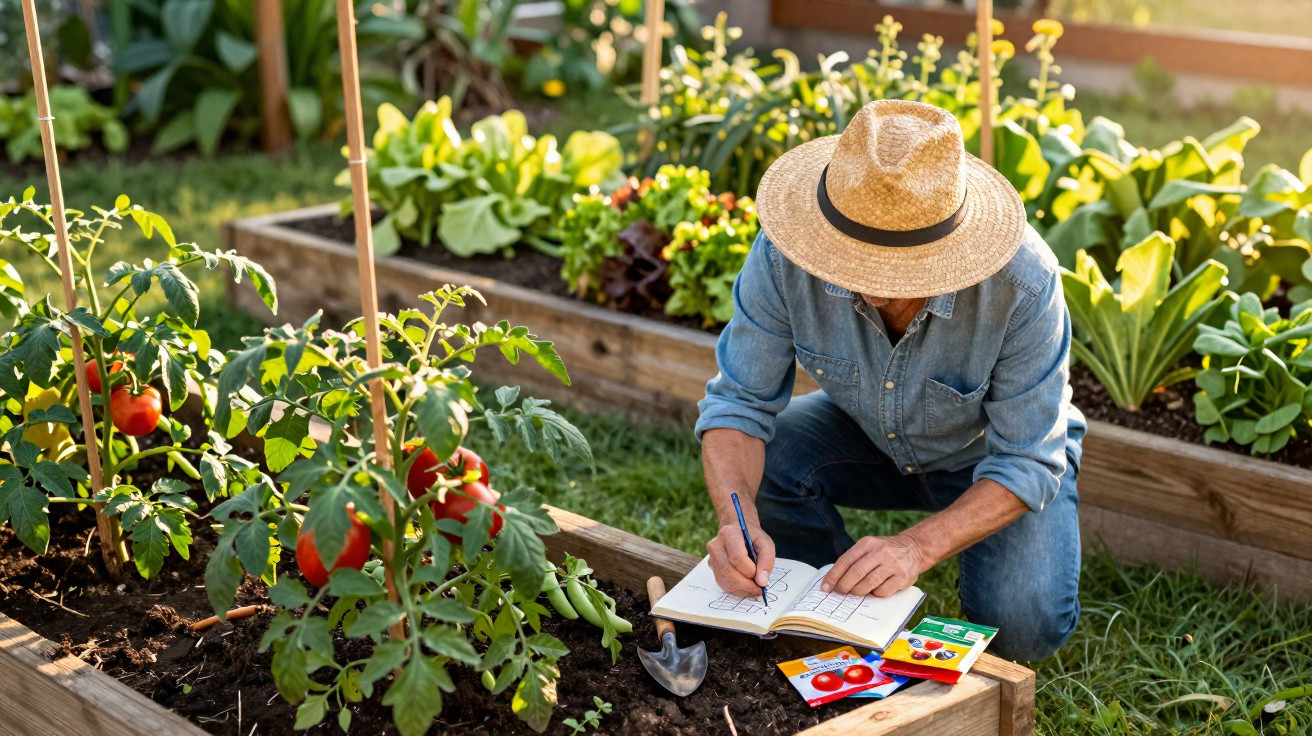
The same row of tomatoes year after year – and a smaller harvest every time?
A professional vegetable grower explains why this very habit is quietly damaging your beds.
Many amateur gardeners stubbornly stick to their ‘tomato spot’: once they have found it, they use it forever. It seems convenient until the plants become stunted, fall ill more often and watering apparently stops making any difference. An experienced local vegetable grower explains how one straightforward change of habit can protect the soil while making tomato harvests considerably more reliable.
Why tomatoes weaken when grown in the same place
Tomatoes are exceptionally hungry plants. Over several months, they place a heavy demand on the soil, drawing out three nutrients in particular: nitrogen, potassium and calcium. When they are planted in precisely the same spot every year, those reserves are gradually depleted.
The consequences are clearly visible in the bed:
- Fruits stay smaller and ripen unevenly.
- Leaves turn yellowish, sometimes developing brown patches.
- The plant looks weak despite being watered regularly.
- Fewer flowers form, resulting in fewer tomatoes.
“Tomatoes exhaust the soil heavily – if you do not move them around, you are effectively growing your own problems too.”
There is also a second factor that is often underestimated: diseases build up. Pathogens such as fungi and harmful bacteria can survive in the soil and in old plant debris. One common enemy is the dreaded blight pathogen, often referred to simply as ‘fungal disease on tomatoes’.
Its spores may remain in the soil for several years. Putting new tomato plants into the same area places them straight back in a high-risk zone. That is not bad luck, but an entirely normal biological cycle.
The key gardening rule: do not return tomatoes for at least four years
Professional vegetable growers almost never work without a firm plan for their beds. One central principle is crop rotation. The idea is simple: each type of plant uses the soil differently, so crops should be changed in sequence rather than occupying the same bed repeatedly.
For tomatoes, the rule of thumb is clear: leave at least four years before growing tomatoes in the same place again. If you plant in a particular spot in 2026, tomatoes should not return there before 2030.
This interval has several benefits:
- The soil has time to replenish its nutrient reserves.
- Many disease-causing pathogens cannot find suitable host plants, so their populations decline.
- Soil structure recovers, while earthworms and micro-organisms work through the ground and build up fresh organic matter.
Professionals also advise against replacing tomatoes with other plants from the same family in that exact location. Tomatoes belong to the nightshade family, which also includes peppers, aubergines and potatoes. They share many diseases and pests, so planting peppers immediately after tomatoes changes very little in practice.
What to grow in the bed after tomato season
A bed that has held tomatoes is not a problem area; it is an ideal place for recovery. With the right follow-on crops, the soil can effectively be built back up.
Nitrogen suppliers: legumes as soil improvers
Legumes, including peas, broad beans and French beans, use root nodule bacteria to capture nitrogen from the air and make it available in the soil. Some of these nutrients remain available for the crop that follows after harvest.
Suitable choices after tomatoes include:
- Peas
- Broad beans
- Bush and climbing beans
- Autumn and winter radishes
- Navette and other table turnips
- Lamb’s lettuce
- Leeks
Green manure: plants as living fertiliser
If you do not want to fill the bed with another vegetable crop straight away, sow a green manure. These specialised plants loosen the soil, protect it from drying out or surface sealing, and provide fresh organic matter once they are dug in.
Good options include:
- Phacelia
- Spring or winter oats
- Winter vetch
These crops can often be sown densely, need relatively little care and are inexpensive. After a few weeks or months, they are cut down and incorporated into the soil. A small amount of work then becomes a natural fertiliser.
“Anyone who does not leave tomato beds empty after harvest is creating fertile soil for the years ahead with simple measures.”
Everything from the nightshade family remains off limits in this area. That means no peppers, no aubergines, no potatoes and no other tomato varieties. Ideally, this entire plant family should stay out of that plot for four years.
Planning tomato crop rotation, even in a tiny garden
Many amateur gardeners assume that crop rotation is worthwhile only on large plots. That is not true. Even on 20 square metres, you can set up a simple system that noticeably reduces the strain on the soil.
The easiest method is to divide the growing space mentally into four sections and give each section a different crop group every year. A small note or notebook is enough to keep track; getting the direction right matters more than achieving perfection.
Example of a four-year plan
| Year | Plot A | Plot B | Plot C | Plot D |
|---|---|---|---|---|
| Year 1 | Tomatoes | Brassicas | Legumes | Cucurbits / alliums |
| Year 2 | Brassicas | Legumes | Cucurbits | Tomatoes |
| Year 3 | Legumes | Cucurbits | Tomatoes | Brassicas |
| Year 4 | Cucurbits | Tomatoes | Brassicas | Legumes |
This layout is not a rigid rule, but a guide. Anyone who broadly follows this rhythm while keeping plant families in mind can significantly reduce common tomato problems.
What if there is hardly any room?
A balcony, a tiny back yard or just one bed: many gardens do not offer enough space for a traditional four-part rotation. Even so, it is not advisable to abandon rotation altogether.
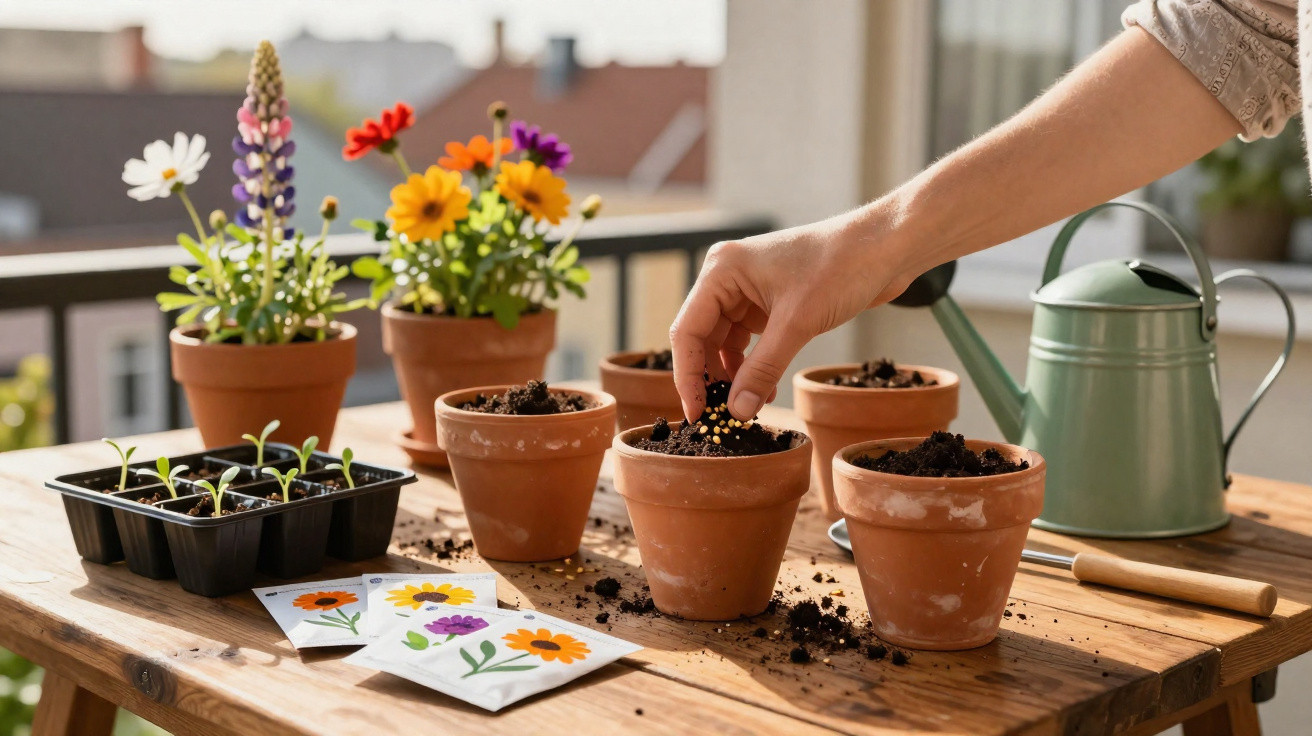
Tomatoes in pots, containers and raised beds
Tomatoes grow very well in large pots, containers and raised beds. In these growing spaces, it is far easier to ‘reset’ the soil:
- Replace part of the compost each year and mix in fresh growing medium or well-rotted compost.
- Move containers to a slightly different position the following year, so the ground beneath is not always under the same pressure.
- Grow less demanding plants in the same containers between tomato crops, such as salads or herbs.
If you have both pots and a small bed, you can also alternate between container growing and open-ground cultivation. One year the tomatoes grow outdoors in the bed, and the next they are mainly in containers; that shift alone takes considerable pressure off the soil.
Warming the soil to reduce disease pressure
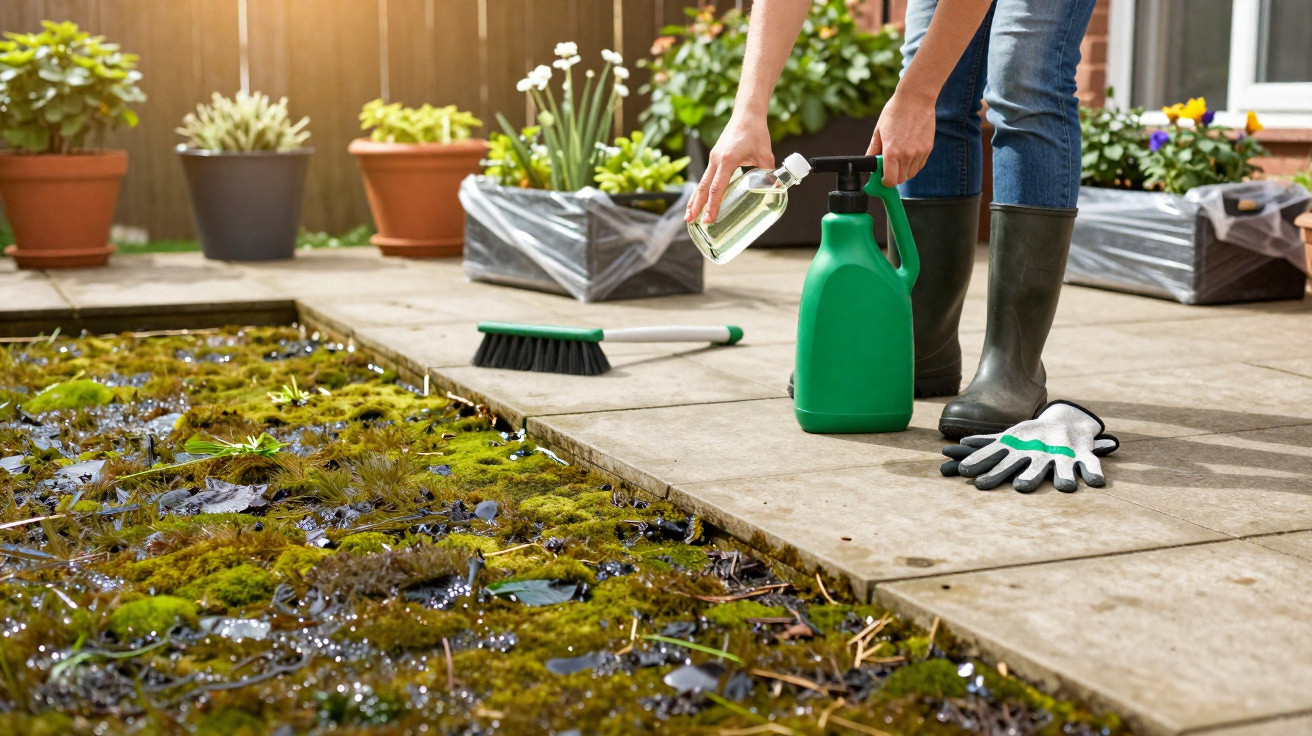
Where a bed has been badly affected by fungal diseases, another measure can help: warming the soil with plastic sheeting in high summer. First level the area, moisten it well, then cover it tightly with clear plastic. Over the following weeks, the soil beneath heats up substantially.
The higher temperature can kill some spores and germs, or at least reduce them significantly. This method does not replace crop rotation, but it can offer support when moving to another area is simply not possible.
Mulch, notes and a little discipline pay off
Anyone who loves tomatoes should think not only about watering and feeding, but also about covering the soil. A layer of straw, grass clippings or leaves around the plants retains moisture more effectively and shields the ground from erosion and intense sun. It also encourages active soil life, from earthworms to the micro-organisms that make nutrients available.
“The best tomato fertiliser is often not in a bag, but in the way you treat your soil.”
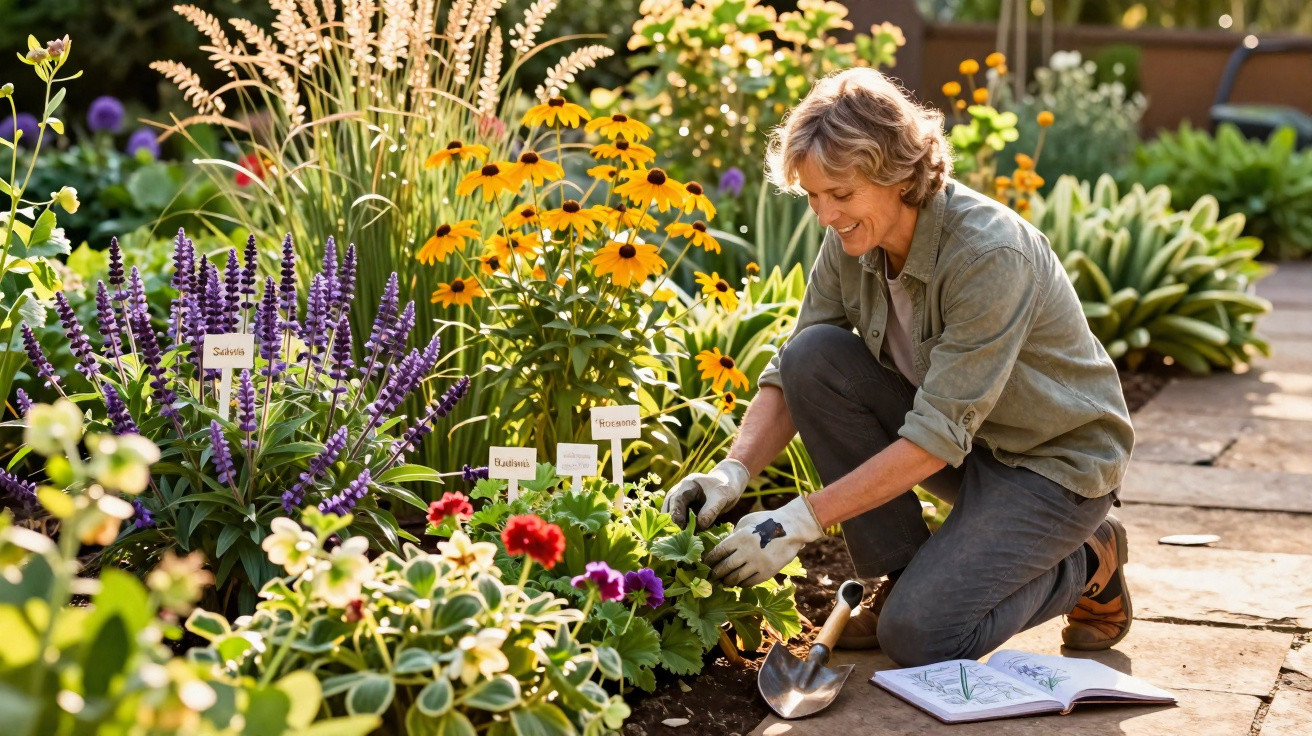
A modest but highly effective tool is a garden diary. By recording what was grown where each year, which varieties performed well and where diseases appeared, you can manage beds with purpose. After only a few seasons, you will have a personal plan suited to your own garden.
Why the effort pays off over time
Crop rotation may initially sound like extra planning. In reality, it saves time and frustration because disease-related losses become less frequent and replacement planting is no longer needed. Fertiliser use also falls when sensible sequences keep restoring nutrients to the soil.
Many issues that amateur gardeners immediately blame on ‘bad weather’ or a ‘poor variety’ are directly linked to soil fatigue. Tomatoes that move regularly and are followed by suitable crops often crop more consistently, taste more aromatic and stay healthy for longer.
So, rather than placing tomatoes stubbornly in the same spot every year, give them a small journey around the garden. It lays the foundations for robust plants and bowls full of fruit on the kitchen table – without any complicated specialist tricks.
Comments
No comments yet. Be the first to comment!
Leave a Comment