
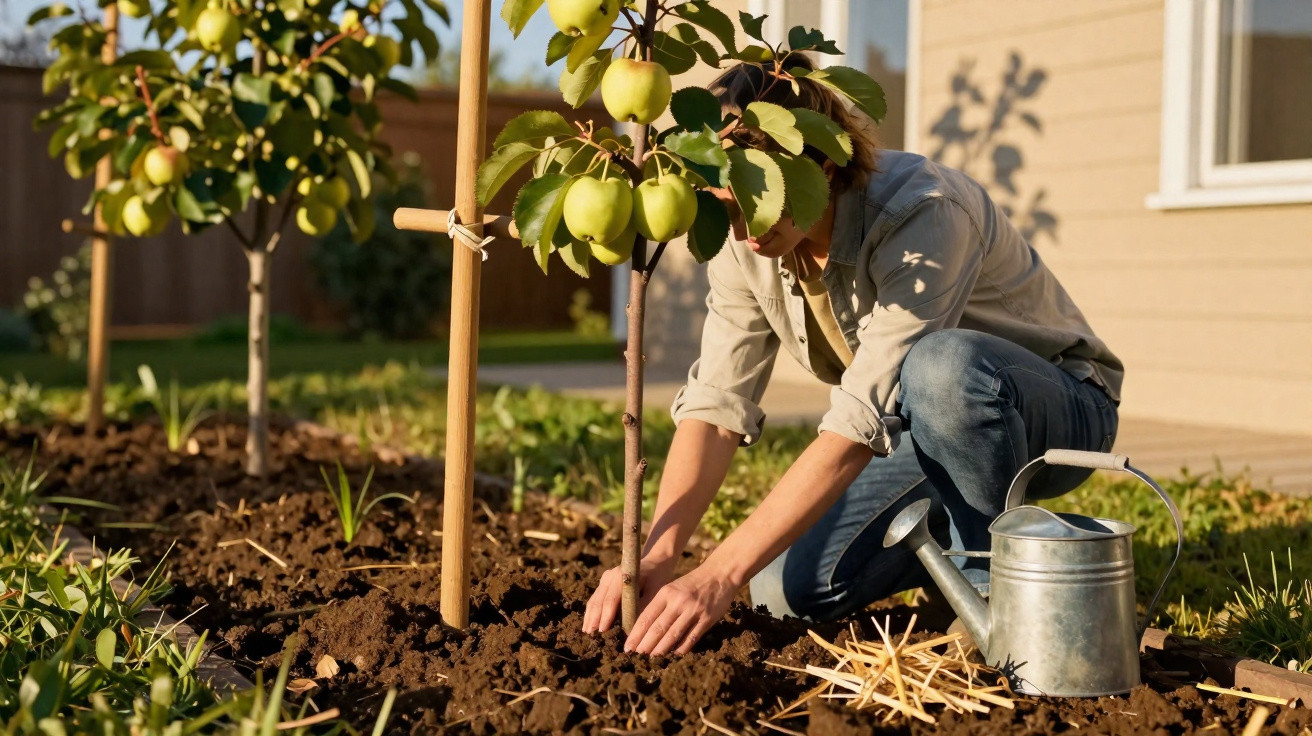
It looks like a cross between an apple and a pear, tastes juicy and refreshing, and offers huge potential for amateur gardeners: the Nashi tree. Once considered an exotic choice in the UK, it is increasingly attracting gardeners looking for something unusual. By following a few straightforward rules, you can establish it permanently in your own fruit garden as early as this spring – and look forward to unexpectedly generous harvests.
What makes Nashi so special
Often known as the “apple pear”, Nashi originally comes from East Asia. Its fruit combines the juiciness of a traditional pear with the crisp bite of a firm eating apple.
Nashi produces pears that feel almost like a crisp apple when you bite into them – while remaining wonderfully juicy.
The fruit is round to slightly flattened, with thin skin and highly aromatic, finely textured flesh. Many varieties ripen from late summer onwards, or even earlier depending on the region and planting position.
Benefits of a Nashi tree in the home garden
For domestic gardens, this tree offers several advantages:
- compact growth, making it suitable for smaller gardens too
- attractive blossom in spring
- considerable ornamental appeal thanks to its rounded crown
- reliable crops just a few years after planting
- fruit that can be eaten fresh as well as chilled and stored
Many gardeners find that Nashi quickly becomes a “tasting magnet” among friends and family – hardly anyone knows the fruit, yet almost everyone is surprised by its fresh, light flavour.
The ideal position: plenty of sun and well-drained roots
Whether the tree later produces sweet, aromatic fruit is largely determined when you choose its position in the garden. Nashi reacts poorly to unsuitable conditions, but rewards a good site with impressively abundant yields.
Plenty of sunshine for sweet fruit
This tree thrives in bright light. A fully sunny position is nearly essential, as partial shade can quickly result in bland, less sweet fruit. A south- or south-west-facing spot is ideal, preferably in front of a wall that stores warmth during the day.
The more sun a Nashi receives, the more intense the fruit’s flavour and sweetness become.
There is another benefit: foliage dries much more quickly after rain and morning dew in an airy, sunny area. This lowers the risk of fungal diseases and can reduce the need for plant protection products over time.
Well-drained soil rather than waterlogging
The tree does not cope well with wet, heavy ground. Standing water can soon cause root damage, weak growth and greater susceptibility to disease.
If your garden has compacted soil, improve the planting hole specifically. A loose mixture has proved effective:
- garden soil from the crumbly top layer
- well-rotted compost
- good-quality planting compost or vegetable-growing compost
- some sand if necessary, to improve drainage
The planting hole should be at least twice as wide and deep as the root ball. This allows the roots to spread rapidly through the soil and anchor the tree securely.
No fruiting success without a suitable pollination partner
Although many Nashi varieties will occasionally set fruit without a partner, the tree will only become truly productive when there is a suitable pollinator nearby.
Pollination: which varieties work together
Nashi relies on cross-pollination. In other words, its flowers need pollen from another compatible tree in order to develop into fruit. Certain pear varieties that flower at the same time are particularly suitable.
A suitable pear tree nearby can dramatically increase a Nashi tree’s yield.
| Pollinator variety | Characteristic |
|---|---|
| Williams’ Bon Chrétien pear | vigorous flowering, very good pollinator variety |
| Conference pear | widely grown and often already present in gardens |
If there is already a pear tree within a radius of around ten metres, this will often be sufficient. When in doubt, look around the neighbouring gardens – bees do not care about property boundaries and will handle the rest free of charge.
The right time: plant from late March
The best planting period is late spring, once the soil is no longer icy cold and prolonged hard frosts are unlikely. In many areas, the second half of March is a suitable time.
By then, the ground has already retained some warmth, allowing the tree to establish roots without stress and begin the growing season strongly.
Drive in the support stake first
Before placing the tree in position, put a sturdy stake into the planting hole. This prevents the stake from damaging newly growing roots later on.
- place the stake on the weather-facing side, usually west or south-west
- drive it in deeply enough to withstand strong winds
- ensure it reaches at least to the lower tree canopy
A flexible tie or coir rope can then secure the trunk to the stake. This keeps the young tree upright even in strong winds without constricting it.
Position the tree and ensure good soil contact
Getting the height right is important when planting: the graft union – a small swelling on the lower trunk – must remain a few centimetres above the finished soil level. If it is buried, the tree may grow poorly or even die.
Return the prepared soil to the hole in layers. It helps to give the tree a gentle shake in between, allowing soil to fill every gap. Finally, firm the soil carefully with your shoe. The aim is a stable tree without compacting the ground as hard as concrete.
Water: the crucial boost at planting time
Immediately after planting, the Nashi needs a substantial amount of water – even if it has rained during the previous few days.
How much watering is actually needed
One thorough watering provides the essential soil contact around the roots. Allow 10 to 15 litres of water for each newly planted tree.
The first generous watering after planting often determines whether the tree establishes well or struggles during its first summer.
Let the water run slowly from a watering can or hose so it has time to soak down into the soil. Small air pockets disappear, and the roots settle directly against the moist earth – securing a strong start to the new season.
Care during the first years: little effort, major impact
Compared with some other fruit types, remarkably little work is needed after planting. A few tasks each year are enough to keep the tree healthy and vigorous.
Water, mulch and prune lightly
During the first two summers, regular watering is worthwhile in dry spells. Once the tree has developed deeper roots, it will generally look after its own water supply.
A thin mulch layer around the trunk retains soil moisture for longer and suppresses weeds. Suitable materials include lightly dried grass clippings, leaves or shredded prunings.
Gentle formative pruning in late winter helps create a sturdy, well-ventilated crown. Remove shoots that are too crowded or cross one another; heavy pruning is usually unnecessary for Nashi trees.
Risks, tips and interesting combinations
Like all fruit trees, Nashi can occasionally be affected by pests or fungal diseases. An airy position, sufficient distance from other trees and avoiding waterlogging all reduce these issues significantly.
For gardeners who enjoy experimenting, Nashi combines wonderfully with traditional fruit varieties: a small home garden with apple, conventional pear and Nashi offers an impressive variety of fruit from late summer into autumn – ideal for fresh fruit platters, juice or desserts.
The tree is also surprisingly suitable for newcomers to fruit growing. Anyone who has successfully planted an apple or pear tree will have no difficulty with the basic steps for Nashi. Its slightly exotic character makes it the garden’s quiet star, without requiring constant specialist knowledge.
Comments
No comments yet. Be the first to comment!
Leave a Comment