
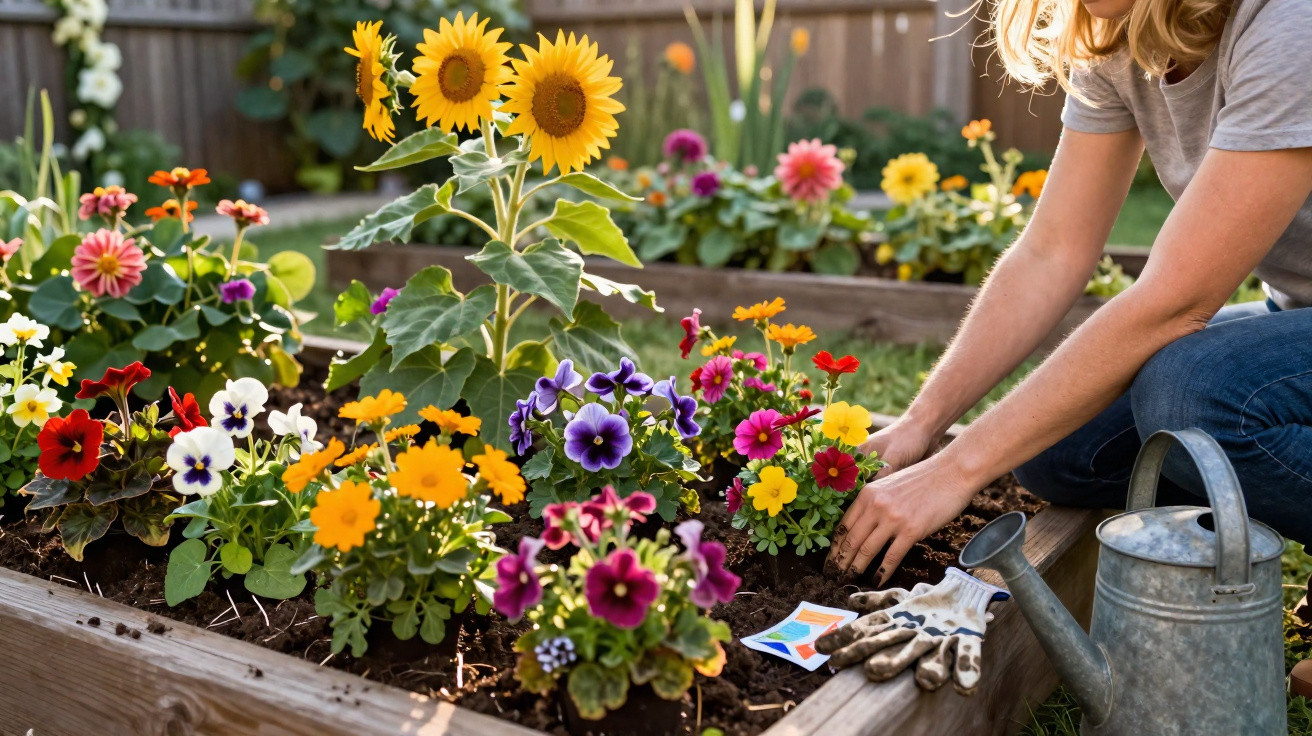
Anyone who does not want to wait years for lavish flowerbeds should choose annuals: they grow quickly, often flower for months, and can be combined differently every year. Many varieties are ideal for beginners, while others turn a border into a haven for bees and butterflies. Here are 21 annual flowers that can transform an ordinary patch of soil into a truly attractive garden display – including charming cosmos (Cosmos).
Why annual flowers are so appealing
Annual flowers germinate, grow, bloom, set seed and die within a single year. Although this may sound short-lived at first, it offers distinct benefits for home gardeners.
- Quick results: flowers can appear within a few weeks of sowing.
- Flexible design: new colour combinations can be created every year.
- Often inexpensive: many species are easy to grow from seed.
- Excellent for pots and window boxes: ideal when there is no flowerbed available.
- A magnet for pollinators: numerous varieties attract bees, bumblebees and butterflies.
Those who sow early in the year or plant young plants can enjoy borders that flower almost continuously from spring well into autumn.
Romantic flower stars for borders and bouquets
Sweet pea
Sweet peas climb up obelisks, fences and balcony railings, and thrive in cooler conditions. In full sun or light partial shade, they produce masses of delicate flowers from late spring to early summer, with many varieties offering an intense sweet fragrance. Regularly cutting stems for the vase encourages fresh buds to form.
Ammi, the elegant cut flower
Ammi resembles a wilder, more delicate form of the familiar carrot, with white umbrella-shaped flower heads. It grows in full sun, flowers during summer and is perfect for relaxed “country-style” bouquets. Plants raised from seed often self-seed, so small seedlings may reappear the following year.
Cornflower
Cornflowers look as though they have been made from crepe paper. The rich cornflower-blue shade is the most popular, but pink and white forms are also available. In full sun, they generally begin flowering in early summer and continue into mid-summer. Consistently removing spent blooms noticeably extends the flowering period.
Poppy
Poppies are instantly recognisable, with paper-thin petals carried on tall stems. They perform best in full sun and begin their display in late spring. Their colours range from traditional red to soft pastel shades. Many types are actually short-lived perennials, but are generally grown as annuals in home gardens.
Cosmos (Cosmos)
Cosmos are considered easy-going classics for any summer garden. In full sun, they provide continuous flowers from summer through to autumn, provided they are cut regularly or deadheaded. Their colour range runs from white and cream through soft pink to vivid pink. They also last surprisingly well in a vase, bringing a light-hearted, playful touch to every bouquet.
Long-flowering plants for window boxes and pots
Sweet alyssum
Low-growing sweet alyssum is a superb choice for the tops of walls, containers and window boxes. It has a light honey-like scent and flowers in white, pink and pale violet. In full sun to partial shade, it forms dense mats and, depending on the weather, continues from spring until the first hard frost.
Gerbera
Gerberas are genuine mood-lifters. As well as making excellent cut flowers, they can be grown in borders and containers. In areas with mild winters, they can survive the colder months; in cooler locations, they are better treated as annuals. They are happy in full sun to partial shade, with some afternoon shade beneficial in very hot positions.
Petunia
Petunias are among the easiest flowering plants for hanging baskets, window boxes and borders. In full sun, they deliver an almost uninterrupted blaze of colour from spring until autumn. Special varieties such as “Supertunia Vista” grow particularly vigorously, covering entire containers with flowers while requiring little maintenance.
Begonia
Begonias are known as resilient, long-lasting performers. They flower in white, pink and red, and many varieties need neither deadheading nor pruning. Depending on the type, they tolerate either full sun or partial shade. In autumn, their tubers can be lifted and stored frost-free for use again the following year.
Geranium
Geraniums line doorways, windowsills and front gardens. Upright varieties suit borders and window boxes, while trailing forms spill dramatically over the edges of containers. They flower from spring into autumn in full sun to partial shade and also cope well with hot days.
Vibrant classics for borders and cottage gardens
Nasturtium
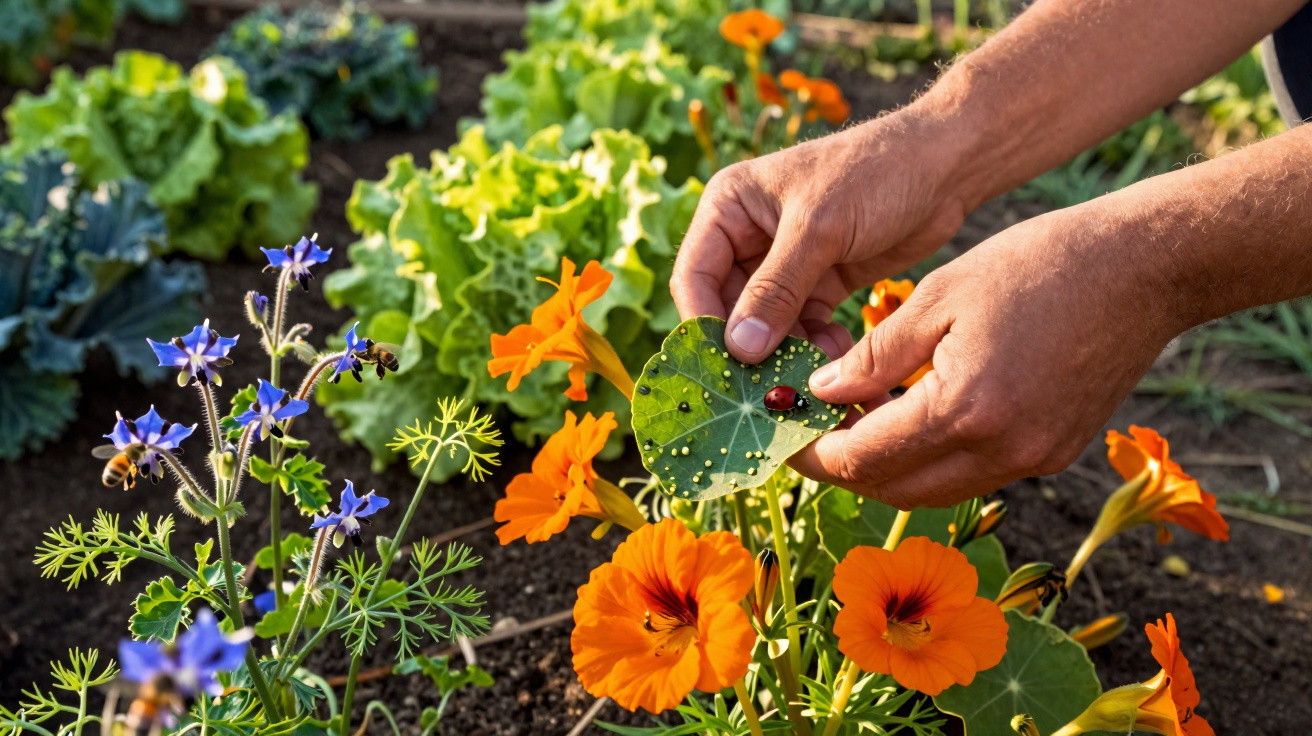
Nasturtiums are among the easiest flowers to raise from seed. They cope with full sun as well as some partial shade, flowering from summer into autumn. Their shades extend from yellow and salmon to deep red. Many varieties are edible, and their flowers make an eye-catching addition to salads.
Love-in-a-mist (Nigella)
With fine foliage and unusual seed pods, these delicate annuals look especially attractive beside fences and along paths. Love-in-a-mist prefers full sun and rather cooler conditions; depending on when it is sown, it flowers in spring or autumn. Allowing a few plants to set seed will usually result in new seedlings the following year.
Zinnia
Zinnias are tough sun lovers. In full sun, they produce large, striking flowers in almost every colour from summer to autumn. Heights range from around 30 centimetres to more than one metre, making them suitable for both the front and back of a border. They are highly attractive to bees, butterflies and other pollinators.
Marigold
Marigolds are affordable, easy to care for and flower reliably throughout summer. They quickly fill gaps in a border and provide warm yellow and orange tones. They look their best in full sun and cope well with relatively poor soil. Many gardeners deliberately plant them among vegetables because they attract a wide range of beneficial insects.
Snapdragon
Snapdragons add structure to a border, as their upright flower spikes bring both height and colour. In full sun, they begin early in the season and bloom until high summer. They tolerate light cold, making them well suited to early planting when the garden may otherwise still look rather bare.
Sun-loving flowers with a dramatic effect
Sunflower
Sunflowers are beginner-friendly classics. Their seeds germinate quickly, the plants grow strongly upwards, and, depending on the variety, they produce either enormous or small flower heads. In full sun, they bloom from late summer into autumn. Alongside classic yellow shades, there are now appealing varieties in burgundy, chocolate brown and soft pink.
Dahlia
Dahlias bring abundant richness to the garden in late summer. They prefer a position in full sun and reward gardeners from late summer until the first frost with an enormous choice of forms and colours, from pompon-like spheres to varieties resembling peonies. In colder areas, the tubers should be lifted in autumn and stored frost-free. The following year, they return with even more vigour.
Chrysanthemum
Chrysanthemums introduce fresh colour as many summer flowers begin to fade. They enjoy full sun and flower from late summer until frost. Botanically, they are perennials, but in home gardens they are often used as annuals because late-planted container plants have little opportunity to develop a strong root system before winter.
Flowers for cool days and shady corners
Angelonia (summer snapdragon)
Angelonias are often called “summer snapdragons”. They love heat and full sun, and cope remarkably well with dry spells. Colours range from white to strong pink, and many varieties remain around half a metre tall. In a cottage garden, they look especially harmonious among loosely growing perennials.
Pansies
Pansies bring a feeling of spring to borders and window boxes. They thrive in full sun to partial shade and flower in spring, with many varieties producing another flush in autumn. In mild areas, they can even provide colour for much of the winter.
Planting tips for a long flowering summer
A few straightforward measures help annuals fulfil their potential. To stagger the flowering season, sow or plant in several waves, preventing bare gaps from appearing in the border. Regular watering and occasional feeds keep plants vigorous, while free-draining soil is important so that roots are not left standing in water.
| Flower | Light requirements | Main flowering period |
|---|---|---|
| Cosmos | Full sun | Summer to autumn |
| Petunia | Full sun | Spring to autumn |
| Sunflower | Full sun | Late summer to autumn |
| Pansies | Sun to partial shade | Spring, sometimes autumn |
Anyone who has previously relied only on perennials will quickly discover that annuals bring speed to garden design. They are particularly useful in new gardens, on balconies or in rented homes, where long-term planning is not wanted. Many of the species listed are also excellent for children sowing for themselves and cutting their own flowers for the first time.
The effect becomes especially exciting when annuals are combined with perennials and grasses: tall sunflowers at the back, zinnias and cosmos in front, and fragrant sweet alyssum along the sides create lively, almost painterly planting schemes. Choosing bee-friendly varieties also supports local insect life, while revealing how an apparently quiet garden can suddenly become a buzzing, colourful meeting place for winged visitors.


Comments
No comments yet. Be the first to comment!
Leave a Comment