
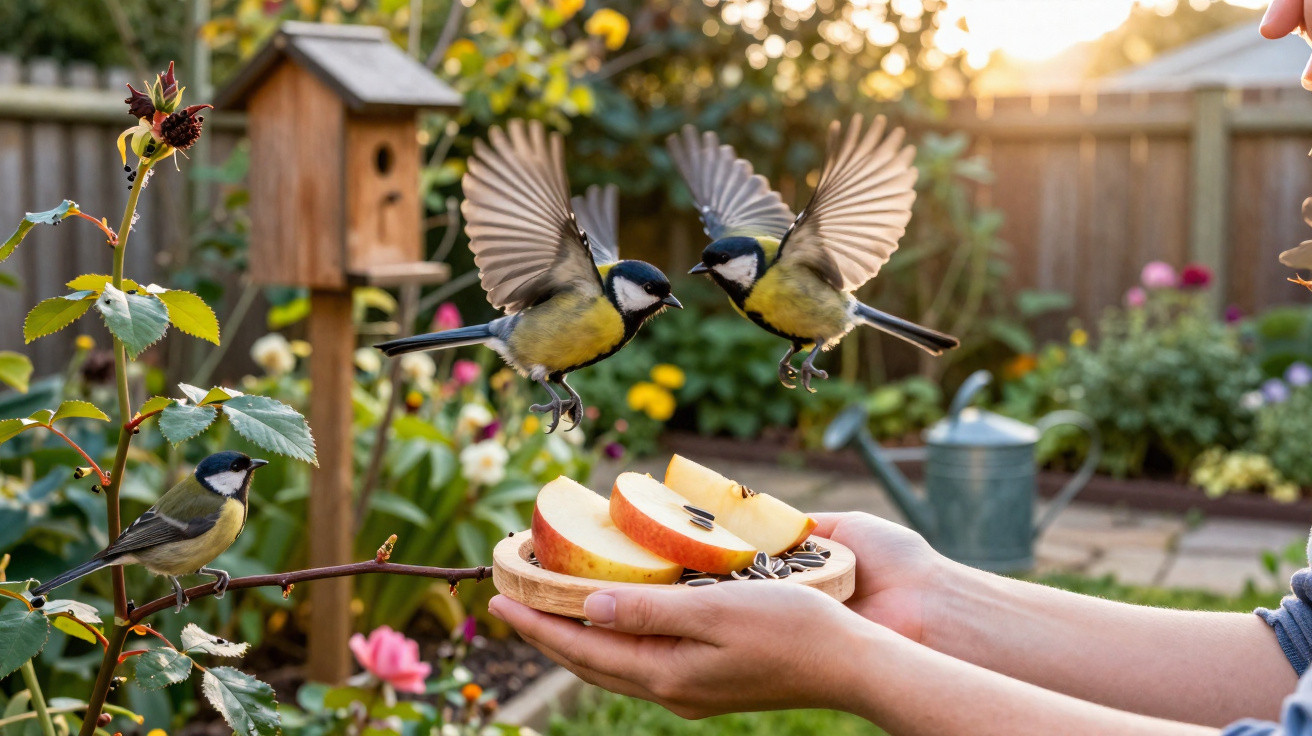
If you want to get started in spring without chemicals, it is worth thinking about your feathered helpers now. Tits in particular are tireless workers when it comes to pests. One often-overlooked garden fruit can attract them in surprisingly large numbers – with a direct benefit for vegetable beds, roses and ornamental shrubs.
Why tits are so valuable in the garden
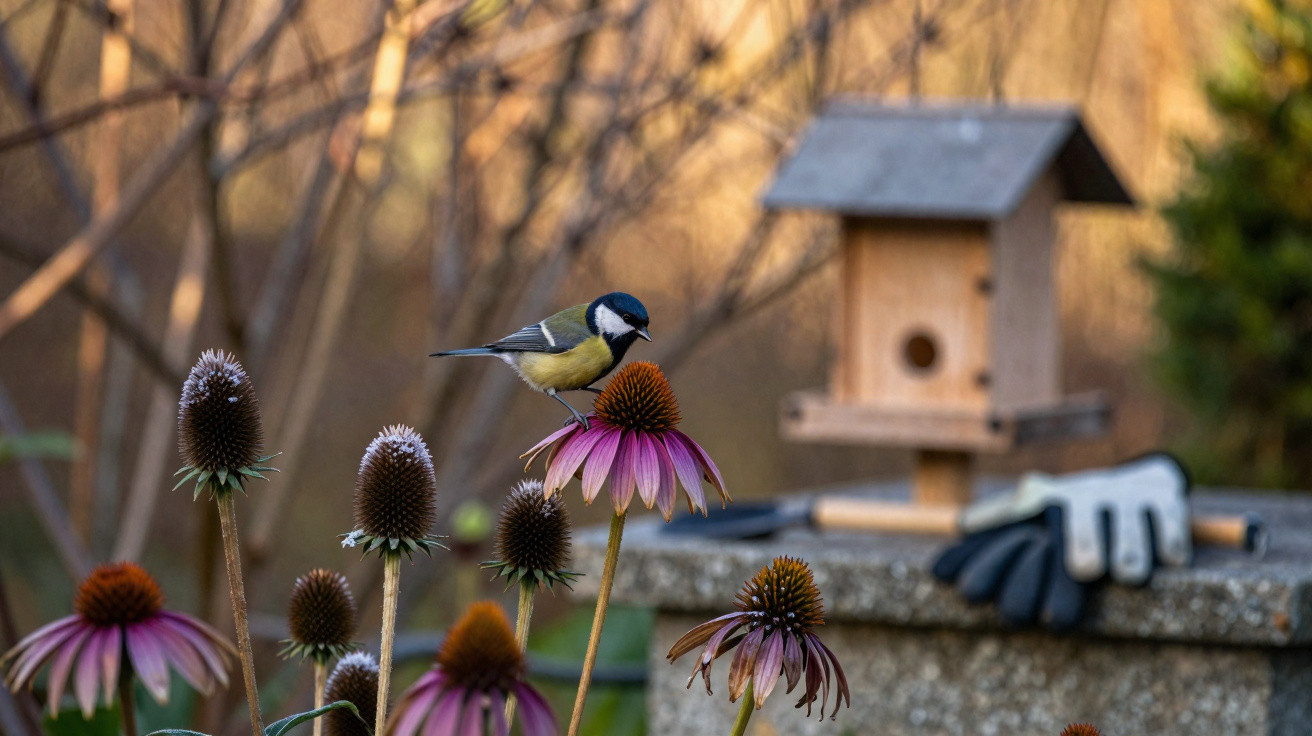
Tits are among the most efficient pest hunters in the home garden. Great tits and blue tits in particular are constantly on the move, inspecting twigs, leaves and crevices for insects and larvae. Their appetite is immense, especially during the breeding season.
“A single family of tits consumes several thousand caterpillars, mosquito larvae and aphids in one season – including free plant protection.”
Anyone who regularly has these birds in the garden soon notices the difference: roses remain healthier, apple trees suffer less defoliation, and lettuce and cabbage show far fewer signs of feeding damage. Tits mainly target:
- Aphids on new shoots
- Caterpillars on fruit trees and berry bushes
- Small beetles and their larvae
- Spiders and other small creatures that can multiply rapidly
They therefore play a far greater part in the garden’s ecological balance than many people realise. Attracting tits reduces the need for poisons while also protecting beneficial creatures such as ladybirds and solitary bees.
The fruit that tits can hardly resist
In late winter and early spring, when nature has not yet properly awakened, tits seek out every dependable source of energy. Suet feed is well known, but one garden lure is often overlooked: berries.
Many shrubs still hold fruit through winter that people simply leave untouched. This is where the opportunity lies. The following are especially popular:
- Elderberries, fresh or dried
- Rowan berries from the rowan tree
- Juniper berries
These fruits can be offered effectively in a simple feeding dish or a small feeding station on the patio or balcony. Sweet berries provide a quick energy boost – ideal on cold days when insects are scarce.
“Berries provide sugar and therefore instantly available energy – turbo fuel for tits during the cold season.”
Timing matters: while temperatures remain low and natural food is limited, supplementary feeding provides useful support. In late spring, when insects become plentiful again, additional food should gradually be reduced so that their natural hunting instinct is maintained.
How to create an attractive feeding station for tits
A thoughtfully positioned feeding station acts like a magnet. It need not be large or expensive; its location and safety are more important. Keep the following points in mind:
- Position the feeding station 1.5 to 2 metres above the ground
- Leave sufficient distance from bushes where cats may lie in wait
- Choose a location protected from rain and snow, such as beneath an overhanging roof
- Remove old food and droppings regularly to help prevent disease
Those without a garden can still help from a balcony. A small feeder or hanging fat ball with an extra few berries is usually enough for the first curious tits to appear.
Combining food, water and shelter
Food alone is rarely enough in the long term. Tits are more likely to return when they find a complete “package”:
- Water source: A shallow dish of fresh water for drinking and bathing.
- Structured greenery: Hedges, climbing plants and shrubs that offer cover from predators.
- Natural areas: Dead wood, leaf piles and untidy corners where insects can live.
A garden that is not kept clinically tidy automatically provides more food for tits – and therefore gives them more reason to stay.
Nest boxes: the foundation for lasting pest control
Anyone hoping to keep tits in the garden long term can hardly do without nest boxes. Once they have successfully settled, the number of insects carried in their beaks rises considerably.
Key nest-box details:
| Feature | Recommendation for tits |
|---|---|
| Entrance-hole diameter | Approximately 26–28 mm |
| Height above ground | At least 2–3 metres |
| Direction | Ideally facing east or south-east, sheltered from the wind |
| Position | A quiet spot, away from direct sunlight |
A smaller entrance ring also gives the birds extra protection from predators such as magpies. It is important to put nest boxes up in autumn or winter so birds can become accustomed to them, and to clean them once a year.
Garden dangers: protecting your feathered helpers
For tits to hunt and breed without disturbance, they need an environment that is as safe as possible. In residential areas, the biggest risks are domestic cats and other birds that specialise in taking eggs and young birds.
To deter cats:
- Fit nest boxes and feeding stations where there is no climbing aid nearby
- Plant thorny shrubs or climbing roses around the tree trunk
- Speak with and raise awareness among cat owners in the immediate area
Visual distractions can help against predatory birds. Traditional scarecrows, fluttering ribbons or old CDs flashing in the sunlight can confuse and deter attackers. Scattering food openly on the ground, by contrast, is more likely to attract unwanted visitors.
“The safer the garden, the more readily tits will breed peacefully – and the more pest insects will later end up in their beaks.”
Why chemical sprays become unnecessary
Encouraging tits usually means reaching for the spray bottle less often. Many problems arise only once the balance has been disrupted. Eliminating all insects with poison also harms beneficial species and the birds’ prey. Tits then stay away or find very little food.
A lively garden that deliberately includes partly wild corners may not look like it belongs in a catalogue, but it is more stable as a result. Many gardeners tolerate small aphid colonies on individual plants when they know the next tit is already waiting in the shrub.
Practical tips for a tit-friendly garden throughout the year
Those who consider their feathered helpers all year round gradually build a strong team against pests. One possible schedule is:
- Late autumn: Put up nest boxes and do not clear the garden completely bare.
- Winter: Offer berry food and some fat-based feed, and do not forget water.
- Spring: Gradually reduce feeding, as tits can now find insects.
- Summer: Keep water sources clean and do not use poisons.
- Autumn: Plant berry-bearing shrubs and create leaf and dead-wood corners.
Terms such as “natural garden” initially sound like a sacrifice to many people. In practice, it is more a shift in priorities: fewer chemicals and fewer sterile gravel areas, but more structure, more food sources and more life. Tits are a visible indicator of whether this approach is working. If they appear regularly at the berry dish, the first step has been taken.
By deliberately combining berry shrubs – such as elder, rowan and hedgerow roses – you also create a buffet for other songbirds. Over time, this produces a small network of helpers that reduces pest pressure without people constantly having to intervene with sprays or traps. That is the major advantage: more nature, less work – and a garden that wakes you in the morning to the quiet chirping of tits.
Comments
No comments yet. Be the first to comment!
Leave a Comment