
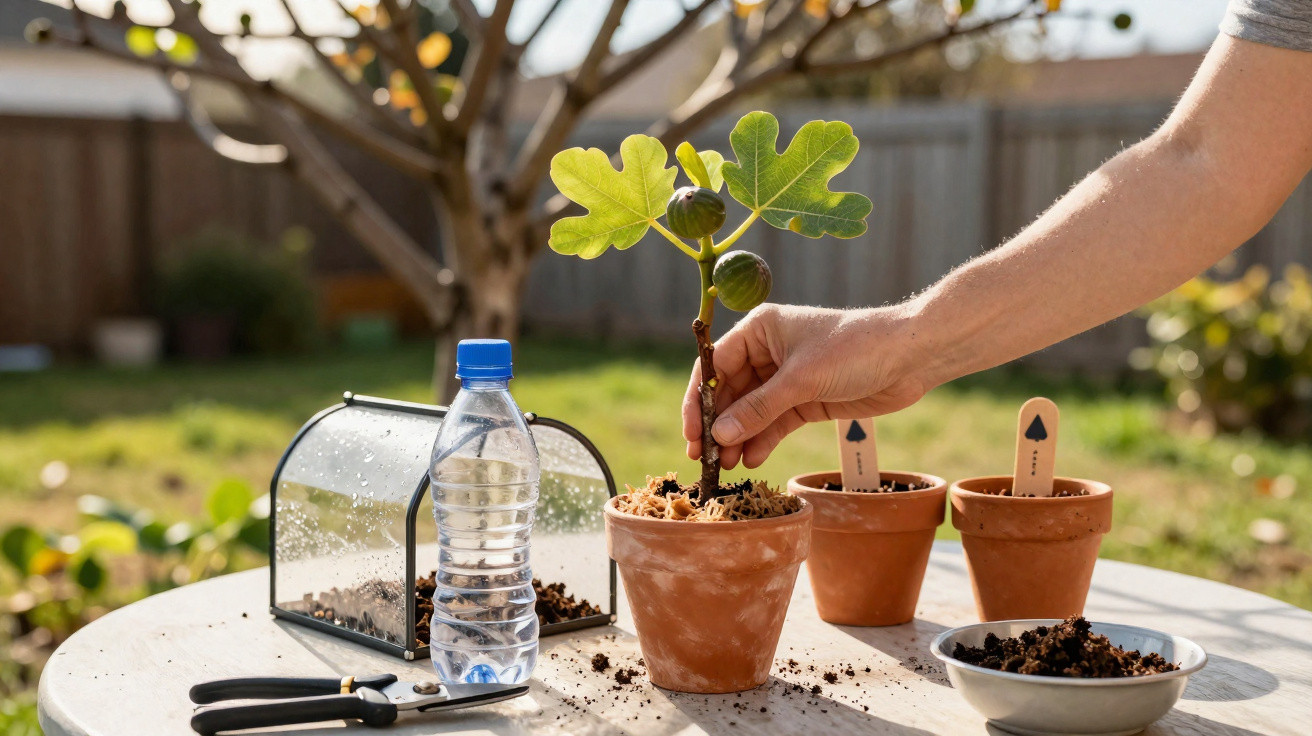
Many amateur gardeners would love a second fig tree in the garden or on the balcony, but are put off by expensive plants or complicated propagation methods. This is where a straightforward technique, used by professionals for years, proves useful: a carefully timed cut in late winter can turn one shoot into a vigorous young fig tree – even if you are only at the beginning of your gardening journey.
Why late winter is the ideal time for fig cuttings
Towards the end of winter, a fig tree can look completely dormant. Its crown is bare and it appears to be resting. Inside, however, activity is already beginning: sap starts to rise and the tree's energy reserves are concentrated in the wood.
This is precisely the stage that works in your favour. If you take a cutting before the buds visibly open, the plant directs its energy primarily towards root formation in the cutting. Leave it too late, and much of that energy is diverted into leaves and new shoots, making rooting considerably more difficult.
February is often suitable in milder areas. In colder locations where late frosts are likely, make your decision by early March at the latest, so the cutting has sufficient time to develop roots before the growing season properly begins.
“By taking cuttings from a fig tree during its dormant period, you direct its full energy into new roots – the foundation for a second, free tree.”
Choosing the right branch for a new fig tree
The key is not simply to use any branch, but to select a well-ripened shoot from the previous year. Look for a strong, woody cane in shades of grey to brown that feels firm rather than flexible and rubbery.
- Wood produced in the previous season, rather than very fresh green shoots
- Lignified growth that is properly woody and stable
- Healthy material, with no spots, rot or fungal coating
- A well-lit shoot from the parent tree, not a thin shoot grown in shade
Cut this branch into sections around 20 to 25 centimetres long. As a guide, each section should be roughly pencil-thick. Every cutting needs at least three, and preferably four, clearly visible buds.
For correct orientation later on, make a straight cut at the bottom immediately below a bud. Leave the top with an angled cut about one centimetre above the uppermost bud. This makes it immediately clear which end is up and which is down when planting it in the pot – a detail that goes wrong surprisingly often.
Substrate and pot: the right home for a young fig tree
Although figs are hardy plants, they are sensitive to waterlogging while rooting. Using a deep pot and an airy growing medium can substantially improve the success rate, especially in harsher areas.
The best mix for fig cuttings
A simple, free-draining blend has proved effective:
- 2 parts good-quality, loose planting or potting compost
- 1 part coarse sand or perlite for air and drainage
For a 5-litre pot, this works out at approximately:
| Component | Quantity |
|---|---|
| Planting compost | approx. 3.3 litres |
| Sand / perlite | approx. 1.7 litres |
Fill the pot with the mixture and firm it gently, without compacting it too much. Insert the prepared cutting to between two-thirds and three-quarters of its length. At least one bud must remain visible above the compost.
Finally, press the compost lightly around it and water carefully until it is evenly moist but not dripping wet. Any pooling water in the saucer is a warning sign.
A kitchen mini greenhouse to keep the cutting evenly moist
A simple trick using something found in almost every home can prevent the fig cutting from drying out. Cut the base off a clear plastic bottle and place it over the cutting like a cover.
Loosen the cap slightly so that air can escape. This prevents heavy condensation and mould. Beneath this “mini cloche”, humidity remains high without the need for constant watering.
“A simple plastic bottle over the pot creates almost greenhouse-like conditions – ideal for delicate young roots.”
Care during the first weeks: what is normal and what can go wrong
In spring, many fig cuttings produce their first small leaves quite quickly, even if they have barely formed roots beneath the compost. This can seem reassuring, but it may sometimes be misleading.
Never pull on the shoot to “test” whether it is already firmly rooted. Doing so can easily tear off the delicate first roots. Instead, watch its growth: if fresh leaves appear after a few weeks and the shoot lengthens, things are usually progressing well below the surface of the pot.
When it comes to watering, less is better than too much. Permanently wet compost quickly causes rot, particularly in woody plants such as figs.
- Keep the compost lightly moist, never saturated
- Allow the top layer to dry slightly between watering
- Do not leave the pot standing in water
If the cutting develops pale, soft patches or smells musty, you have probably watered too generously. Repotting it into fresh, drier compost can sometimes help, although success is no longer guaranteed.
When to plant your young fig tree in a bed or container
If your young fig tree has come through spring and summer well in its pot, it still needs time to build a robust root system. Moving it into the garden or a large container in its first year would be premature.
Planting in autumn of the same year is ideal, once the cutting is well rooted and the main shoot appears woody. The young fig can then quietly establish a new, strong network of roots before the following spring.
If you live in a colder area or regularly experience particularly severe winters, it is better to keep the young tree in its pot for another year in a sheltered position and plant it out in the following autumn.
Which fig variety suits which location?
One benefit of cuttings is that they create an exact copy of the parent tree. Its flavour, growth habit and cropping behaviour remain the same. That makes it worthwhile to consider the original plant carefully.
Twice-cropping figs
Some varieties produce fruit twice a year. These figs set fruit in early summer and again from late summer into autumn. They are particularly appealing in warm regions with long summers, where both crops can ripen.
Once-cropping figs
In cooler areas, varieties that develop only one main crop often provide more satisfaction. They focus their energy on a single fruiting period and cope better with shorter summers.
For small gardens and balconies, choose more compact varieties that will not quickly grow into shade-giving giants. Those with plenty of room can opt for more vigorous varieties, which produce broad crowns and abundant crops.
Fig cuttings for beginners: reduce risk and improve success
Anyone with limited experience can benefit greatly from one simple approach: take several cuttings rather than just one. Three or four pieces from a suitable section of branch significantly raise the chances of success.
As the method generally has a high success rate, a handful of pots is often enough to give you at least one strong young tree in the end – and frequently more than one.
Hygiene is essential when taking cuttings: clean or disinfect the blades of your secateurs with alcohol so fungi or bacteria cannot enter the fresh cut. Pick a dry, frost-free day, so the wood is not damaged immediately after cutting.
Practical advice: position, risks and interesting possibilities
Fig trees thrive in sun and warmth. A sheltered site against a house wall, ideally facing south or south-west, can noticeably improve the crop. In pots, they are surprisingly happy on balconies and patios, provided the container is not too small.
The risks are manageable, although a few points deserve attention:
- Late frosts can set back young shoots, so keep horticultural fleece ready in spring
- Excessive winter wet, particularly in heavy soil, damages roots and trunks
- In containers, figs need regular watering in summer – drought stress slows fruit formation
For amateur gardeners, there is another appealing possibility: once you have mastered propagation from cuttings, you can supply friends, neighbours or family with young plants. Some gardeners even build a small collection of different varieties to combine different ripening periods and flavours in their own garden.
From a technical perspective, propagating figs from cuttings is also an excellent introduction to vegetative propagation of other fruiting shrubs and trees. Many of the same principles – selecting the right type of wood, choosing a suitable substrate and controlling moisture – can be applied to grapevines, currants and ornamental shrubs.
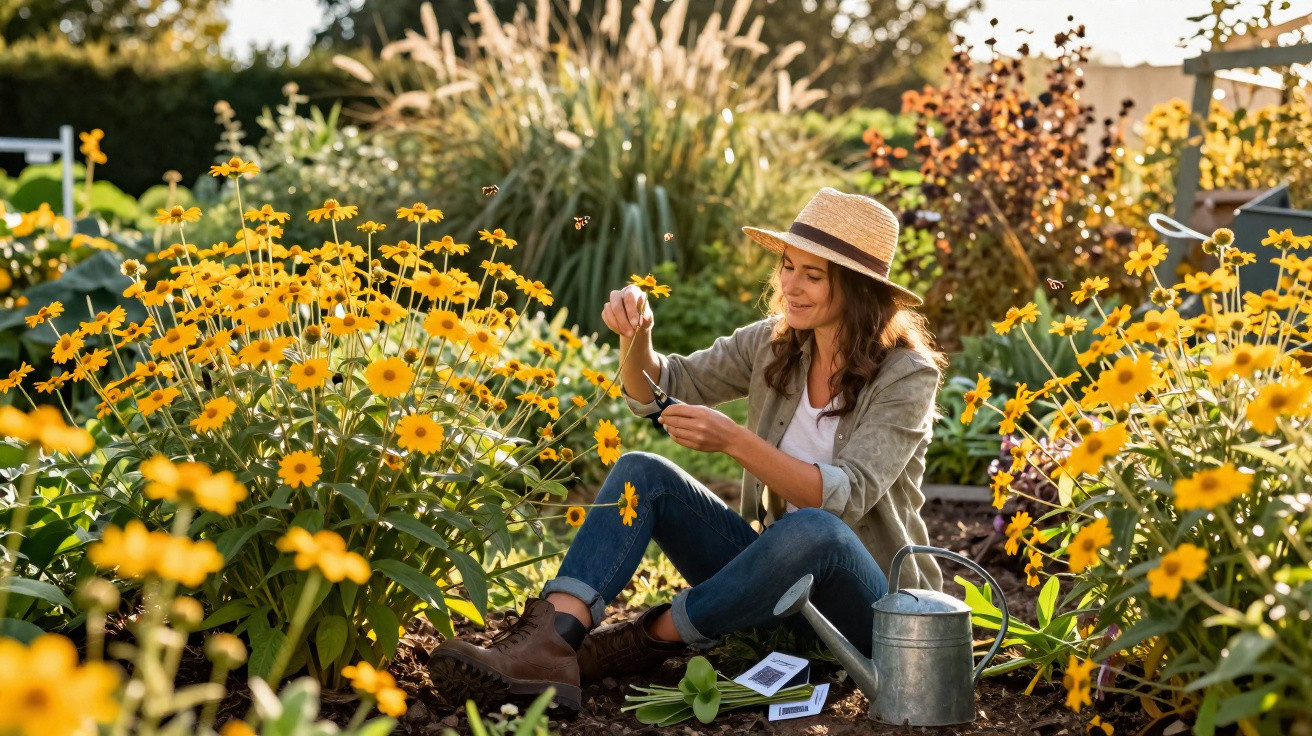
Taking out the secateurs at the end of winter therefore does more than lay the groundwork for a second fig tree without spending a penny: it also develops your gardening skills, a little more with every new shoot that emerges from the pot.

Comments
No comments yet. Be the first to comment!
Leave a Comment