
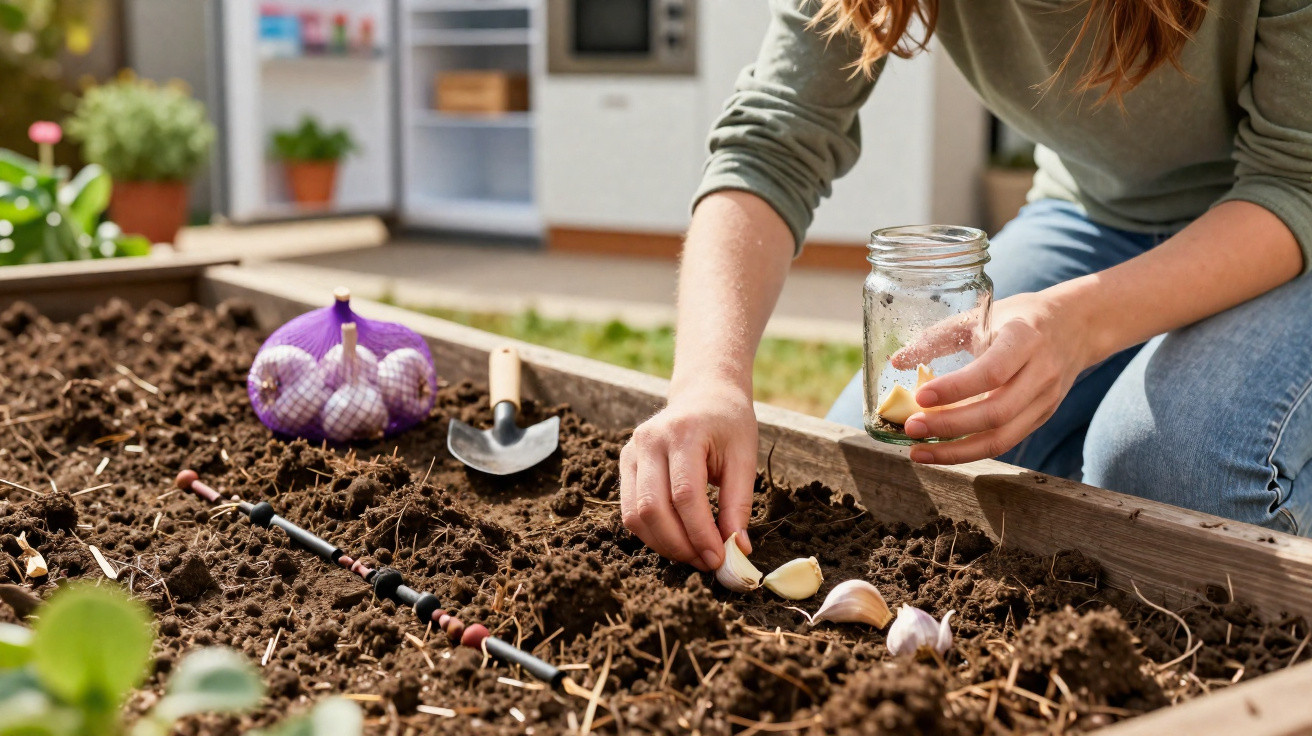
If you enjoy cooking, you will almost always have supermarket garlic at home. What many people do not realise is that these very cloves can be used to grow your own rows of garlic at virtually no cost. You do not need a professional-standard garden: the right soil, a little patience and avoiding one common mistake are what matter most.
Why supermarket garlic can be a smart choice for the veg patch
Shop-bought garlic may not initially seem like conventional planting material. Bulbs spend weeks in net bags, can become soft and occasionally begin to sprout, so they are often thrown away. Yet this very ‘leftover garlic’ can still be useful.
“Every individual clove can grow into a new, fully formed bulb – provided the variety, location and soil are suitable.”
One major advantage is that garlic is among the easiest crops to maintain in a vegetable garden. It copes with relatively poor soil, requires very little water and is not intimidating for beginners. If you buy garlic anyway, you do not even need to spend extra money on an initial experiment.
There is one point that can be disappointing, however: some commercially sold garlic is treated to prevent it from sprouting too quickly on the shelf. These cloves can remain stubborn in the bed, producing weak growth or none at all. It is therefore worth inspecting them carefully before planting and using a simple fridge trick.
The biggest mistake with supermarket garlic: unsuitable soil and waterlogging
The most common reason supermarket garlic fails is not the bulb itself, but the soil. Garlic hates having wet feet. In heavy soil that remains constantly damp, cloves rot long before they can grow into strong plants.
“Anyone planting garlic in waterlogged soil is not growing a harvest, but rot and diseases in the bed.”
The essential rule is therefore that the soil must drain freely. Water needs to run away rather than sitting around the roots. Garlic should only be planted in pure loam or clay-heavy garden soil after it has been improved or mounded up.
- In heavy soil: loosen the earth with sand or fine gravel.
- Raise the planting bed slightly or create small ridges.
- Avoid low-lying spots where rainwater collects.
- In containers: ensure there is a large drainage hole and use loose compost.
A raised planting row around ten centimetres high is often enough to reduce waterlogging considerably. This straightforward measure stops fungal diseases from becoming established permanently in the soil.
Choosing the best cloves for planting
Not every bulb from a net bag is equally suitable. Selecting carefully will reward you with more vigorous bulbs later on.
What to look for when buying garlic
Bulbs with the following characteristics are particularly suitable for the bed:
- Organic quality, preferably without sprout inhibitors
- Firm bulbs with no soft areas
- No grey, green or black mould patches
- A clean, dry bulb base that is not darkly discoloured
At home, carefully separate the bulb into individual cloves. Leave the dry skin in place, as it protects against rot. The largest, plumpest cloves are best for planting, while the smaller ones can go into the frying pan.
“Large cloves generally produce larger bulbs – sorting them means a stronger harvest.”
The fridge trick for a stronger start
A tried-and-tested technique from professional horticulture is a cold period: place the selected cloves in the fridge for one to two weeks before planting them. Low temperatures tell the plant that it is moving from ‘storage’ into its ‘growing period’.
After this period, many cloves will already show a small white or green shoot. These are the promising candidates for the bed. Cloves showing no sign of life at all can be used in cooking without hesitation.
Step by step: planting supermarket garlic
- Choose a sunny bed with free-draining soil.
- Loosen the soil and remove stones and thick root remnants.
- Form a slightly raised row if the ground is heavy.
- Place the cloves in the soil with their pointed ends facing upwards.
- Plant them around three to five centimetres deep.
- Leave ten to fifteen centimetres between cloves in each row.
- Water only lightly so that the soil settles around them without becoming soaking wet.
Just a few rows are enough in a home garden to cover your own needs for months. If you are uncertain, start with a small trial bed and see how the plants perform.
Year-round care: little effort, worthwhile results
Garlic is one of the least demanding plants in the garden. It develops shallow roots, prefers undisturbed conditions and does not compete well with vigorous weeds. Occasional loosening of the soil surface is enough to keep unwanted plants in check.
When it comes to watering, less is more. In average years, garlic needs almost no water except during prolonged dry spells. Stop watering entirely a few weeks before harvest. This allows the bulbs to cure more effectively and store for longer.
“Too much water ruins storage life – dry feet make garlic resilient.”
Act decisively at the first indication of fungal disease, such as rusty spots on the leaves. Remove affected leaves immediately to prevent spores spreading further. It is better to lift severely diseased plants and not replant in the same bed.
Harvesting, drying and storing your own bulbs
The foliage indicates the right harvesting time: the bulbs have matured underground when roughly two-thirds of the leaves turn yellow and flop over. In many areas, this happens between early and mid-summer.
Carefully loosen the bulbs with a garden fork, then pull them out by their leaves. Leave them to dry in the shade for a few hours afterwards. Strong, direct sunlight can damage the outer skin.
For storage, tie several plants into braids or bunches and hang them somewhere dry and well ventilated, such as a shed, beneath a roof overhang or in an airy pantry.
Good neighbours in the bed: plants that benefit from garlic
During growth, garlic releases sulphur-containing substances into its surroundings. Many pests dislike these, which can benefit plants such as:
- Carrots
- Strawberries
- Roses
Garlic is less compatible with some vegetables, however. It often grows more weakly when planted directly beside peas and beans. Ideally, it should also have a break after onions or leeks, so that soil-borne diseases are not passed on.
When certified planting stock is the better option
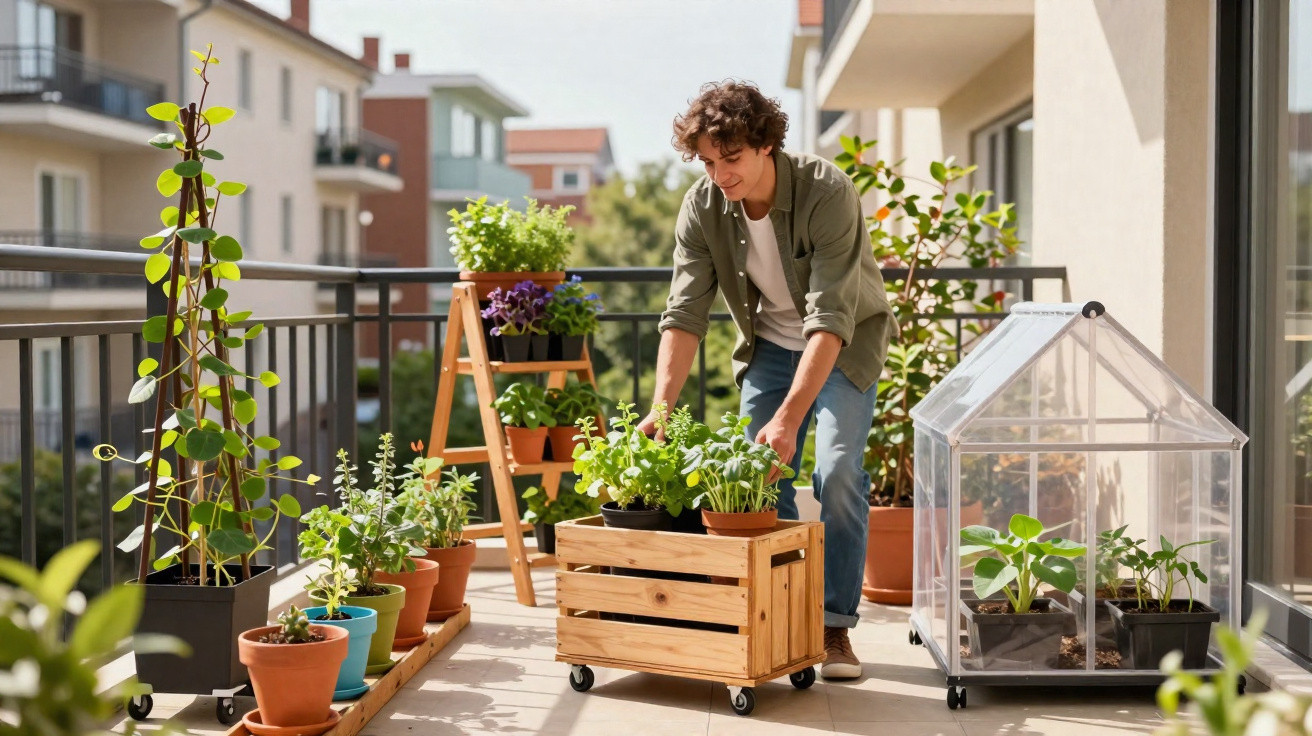
For small beds, raised beds or a balcony, supermarket garlic is well suited to trial growing and offers a simple anti-waste solution. Anyone planting larger areas, or wanting particular varieties, storage life and yields, is safer using certified planting stock.
| Supermarket garlic | Certified planting stock |
|---|---|
| Very inexpensive and often already available | More expensive and requires a deliberate purchase |
| Quality and treatment are difficult to identify | No sprout inhibitors and true to variety |
| Ideal for trials and small beds | Better for large areas and long-term planning |
A sensible middle ground is to gain experience with supermarket garlic in the first year, then save the best and healthiest bulbs for the following planting season. Gradually, this creates your own line adapted to the garden.
Practical tips for even better garlic results
Once you have developed a taste for home-grown garlic, you can improve the crop step by step. Options worth considering include:
- Winter planting: Autumn planting works well in many areas. The cloves establish roots, rest through winter and take off in spring.
- Early spring planting: In harsher locations, planting early in the year offers protection from severe frost.
- Light feeding: A small amount of well-rotted compost when preparing the bed is sufficient. Too much nitrogen makes plants lush and more susceptible.
If you come across the term ‘stratification’, it refers precisely to this short cold period in the fridge. Many bulb and tuber plants need such a temperature signal to sprout reliably. It is easy to replicate in a home garden without specialist equipment.
Garlic is also an excellent introduction to further experiments with kitchen leftovers: pieces of ginger, leek trimmings and spring onions can likewise be grown into new plants. Not every type will produce professional-level yields, but there is much to learn, and seemingly discarded scraps can make a bed surprisingly productive.

Comments
No comments yet. Be the first to comment!
Leave a Comment