
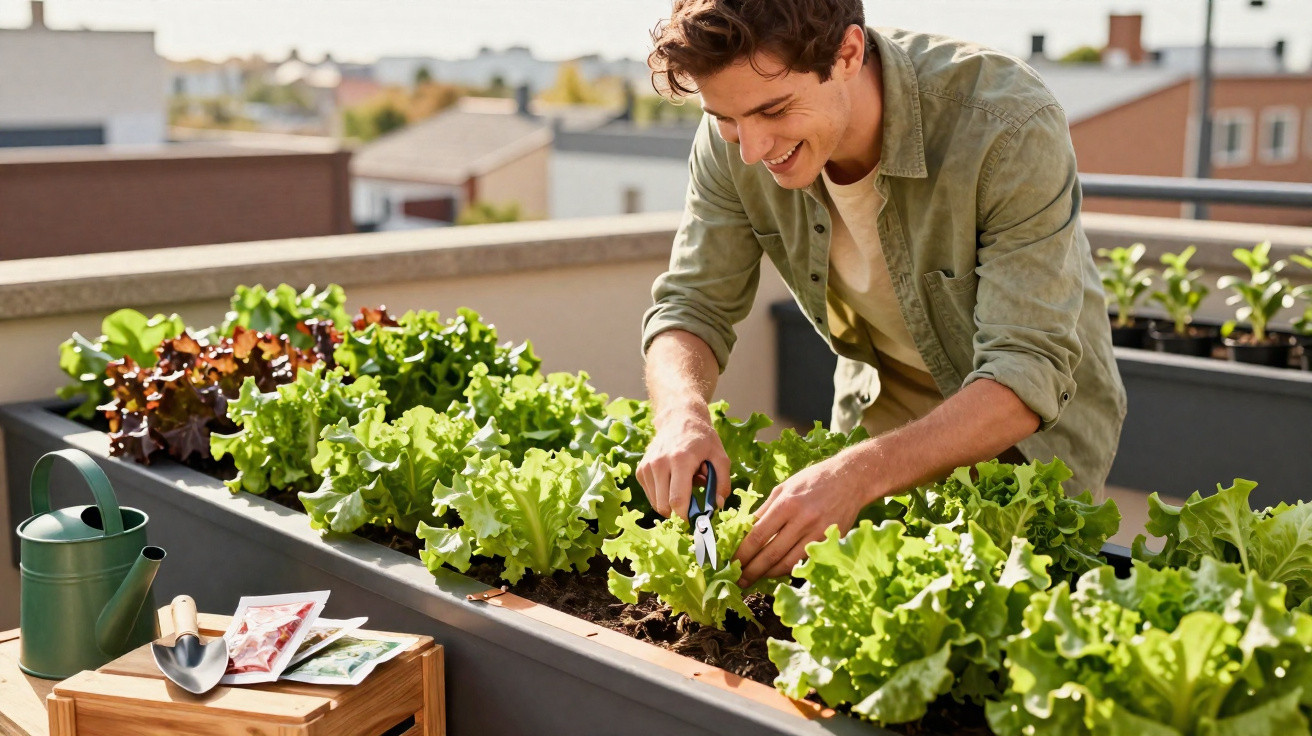
Prices for bagged salad are rising, the bags often spoil in the fridge – yet there is an easier, fresher and cheaper alternative.
Anyone who spends a few minutes sowing in a garden bed, raised bed or on a balcony in early April can almost entirely avoid buying supermarket salad. Certain quick-growing leaf salad varieties are ready within a few weeks and keep providing fresh leaves well into summer – without professional gardening equipment or a huge garden.
Why early April is the ideal time to grow salad
Salad prefers mild, damp conditions without excessive heat. Early April frequently offers precisely this combination: the soil begins to warm up, daylight hours increase, and nights remain cool without being freezing.
“In early spring, salads germinate more quickly, grow more evenly – and are less likely to bolt.”
Starting too late can quickly cause difficulties. Once temperatures rise noticeably, salad soon starts to bolt, producing flowers rather than leaves. It then becomes bitter and unusable. Starting too early, on the other hand, means cold soil and persistent rain slow germination, while plants remain weak for a long time.
The period from early to mid-April sits neatly between these extremes. Seeds emerge quickly, the soil does not dry out too severely, and plants can develop a strong root system. This later produces firm, crisp heads and a steady supply to harvest.
Seven salad varieties that deliver particularly fast yields now
For an easy, speedy crop, choose varieties that germinate reliably and become harvest-ready early. These types are genuine “express salads”:
- Batavia: very crisp and comparatively robust, coping well with the occasional downpour or wind.
- Sucrine / mini romaine lettuce: small heads with tender, slightly sweet leaves, ideal for one-person households or small kitchens.
- Early romaine lettuces: firm heads with plenty of bite, excellent for more filling salads.
- Oakleaf lettuce: loose rosettes with many delicate individual leaves, exceptionally productive in a small space.
- Lollo rosso: deeply curled and reddish, adding colour to the plate and a decorative look.
- Butterhead lettuce / round lettuce: soft, buttery leaves; a classic spring salad with a mild flavour.
- Merveille des quatre saisons: a tried-and-tested variety that tolerates fluctuating temperatures and provides a long harvesting period.
A mixture of several varieties works best. Different leaf shapes and colours do more than add visual variety: they also make the bed more resilient to changeable weather and pests.
“A bed containing mixed salads will generally produce for longer and offer more variety than a uniform block of a single variety.”
For instance, Batavia adds crunch, butterhead lettuce provides mild, soft leaves, and oakleaf contributes plenty of fine cut-and-come-again leaves. The result is a salad that looks more like a restaurant dish than a standard bag from the chilled aisle.
Preparing soil without digging over the entire garden
For salad, it is enough to loosen the top layer of soil thoroughly. A spade is seldom necessary; a cultivator or hand fork will do the job.
- Loosen the top 5–10 cm of soil.
- Remove stones and larger root remnants.
- Aim for a fine, crumbly texture.
- Work roughly one handful of mature compost per square metre into the surface.
For raised beds or containers, use a loose, humus-rich growing medium. One key point: avoid heavy, purely peat-based soil that holds water. Salad is sensitive to waterlogging and “wet feet”.
If night-time temperatures are still dropping sharply, provide extra protection with lightweight horticultural fleece, a plastic cloche or simple plastic covers. Even on a balcony, a cut-open PET bottle placed over young plants is often enough to shield them from cold winds.
The secret to harvesting for weeks: sow in succession
The most common beginner’s mistake is emptying an entire seed packet into the bed in one day, then facing a huge wave of salad all at once. Some of it inevitably ends up in the bin.
“Those who sow a short row every 10 to 15 days can harvest for far longer – and waste almost nothing.”
For heading lettuces such as Batavia or butterhead, rows spaced 20 to 30 centimetres apart are suitable. This leaves room for hoeing, watering and harvesting later on. Cut-and-come-again varieties such as oakleaf or Lollo rosso can be grown more closely together.
Specific quantities for beds and balconies
For one square metre, a very small amount of seed is generally sufficient:
| Area / container | Quantity of seed | Recommended number of plants |
|---|---|---|
| Vegetable bed, 1 m² | approx. 1–2 g per variety | 20–25 heading lettuces or densely sown cut-and-come-again salad |
| Balcony planter, 40 cm long | a few pinches for direct sowing | 6–8 plants when spaced apart |
Cover seeds with only a thin layer of soil, no more than half a centimetre. Then water gently using a fine rose so that the seeds are not washed away. During the early stage, the soil should stay evenly moist but never waterlogged.
Once plants are established, depending on the weather, one to two litres of water per square metre is enough for a light watering. If the top layer of soil feels dry, it is time to water.
How to protect young salad plants from slugs and cold
As soon as the first tender leaves emerge, slugs usually appear too. They are especially active during a damp spring. A few straightforward barriers can help without using poison:
- Scatter crushed eggshells around the plants.
- Lay down a thin ring of dry coffee grounds.
- Apply a narrow strip of wood ash, renewing it after rain.
These methods will not deter every slug, but they create an unpleasant surface for the molluscs and reduce damage. In gardens with very high slug numbers, a slug fence or early evening hand-picking is also worthwhile.
For unexpected cold snaps in April, act quickly. A simple layer of fleece, a plastic cover or, for container-grown plants, a portable box placed beneath the patio table often gives plants the crucial extra warmth they need.
Harvest correctly: cut rather than pull out
Pulling every plant entirely from the soil wastes potential. Many salads regrow when cut thoughtfully.
“Harvest leaves, not roots: this extends the harvesting period without further sowing.”
With heading lettuces, outer leaves can be picked one by one while the centre continues growing. With cut-and-come-again salads, cut the whole rosette a few centimetres above the soil. A second, and sometimes even a third, flush of leaves will grow from the middle over the following days.
Regular harvesting is important. Allowing plants to become too large increases the risk of bitterness and rapid flowering. Smaller, younger leaves taste milder and are more tender.
Why switching from supermarket salad is worthwhile
The difference between a chilled bag and a freshly cut head from the garden is clear from the first bite. Home-grown salad is crisper, smells more intense and holds its structure on the plate far better.
There is also a financial benefit: a packet of seed often costs less than a single large bag of salad. With well-timed successive sowing, one packet can provide harvests for several weeks – even from only a few square metres.
Another advantage is that home-grown salad can be tailored entirely to your needs. Those who prefer heartier bowls can grow more firm romaine lettuces. Butterhead and oakleaf varieties can dominate for light spring cooking. Children often favour mild, tender varieties such as Sucrine.
Practical advice for small spaces and beginners
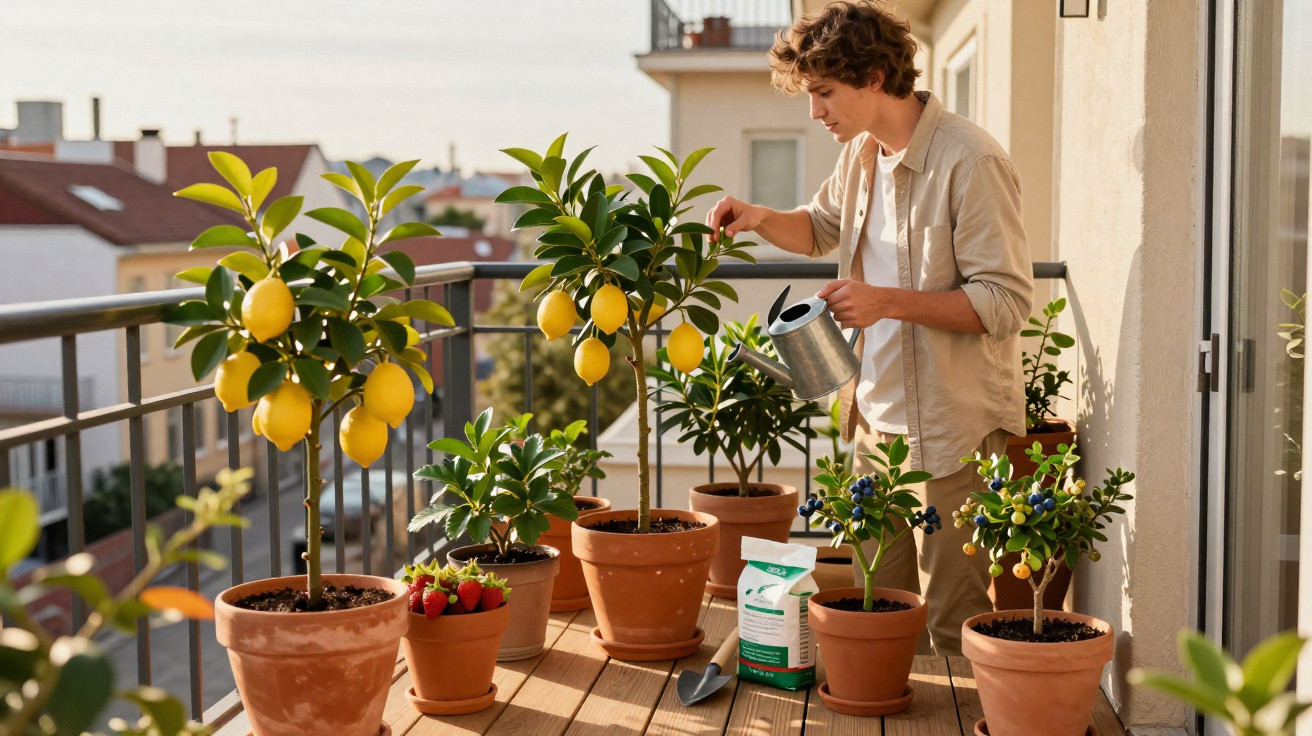
You can still get started without a garden. A sunny balcony or bright terrace is enough. Shallow crates, wide planters or even old wooden boxes with drainage holes can serve as mini beds.
- Choose a container at least 15 cm deep.
- Add a thin drainage layer of expanded clay or gravel at the bottom.
- Fill it with a loose, humus-rich growing medium.
- Position salads in partial shade, providing light shade in intense midday sun.
Anyone completely new to growing vegetables is best off starting with young plants from a garden centre, then adding home sowings later. This brings quicker early successes while allowing you to practise handling seeds at the same time.
There is another benefit: salad grows well alongside many other vegetables. Interplanting rows of radishes, early carrots or spring onions makes the best use of the soil. While the slower-growing crops develop in the background, the salads already provide the first harvest from your own “mini field”.


Comments
No comments yet. Be the first to comment!
Leave a Comment