
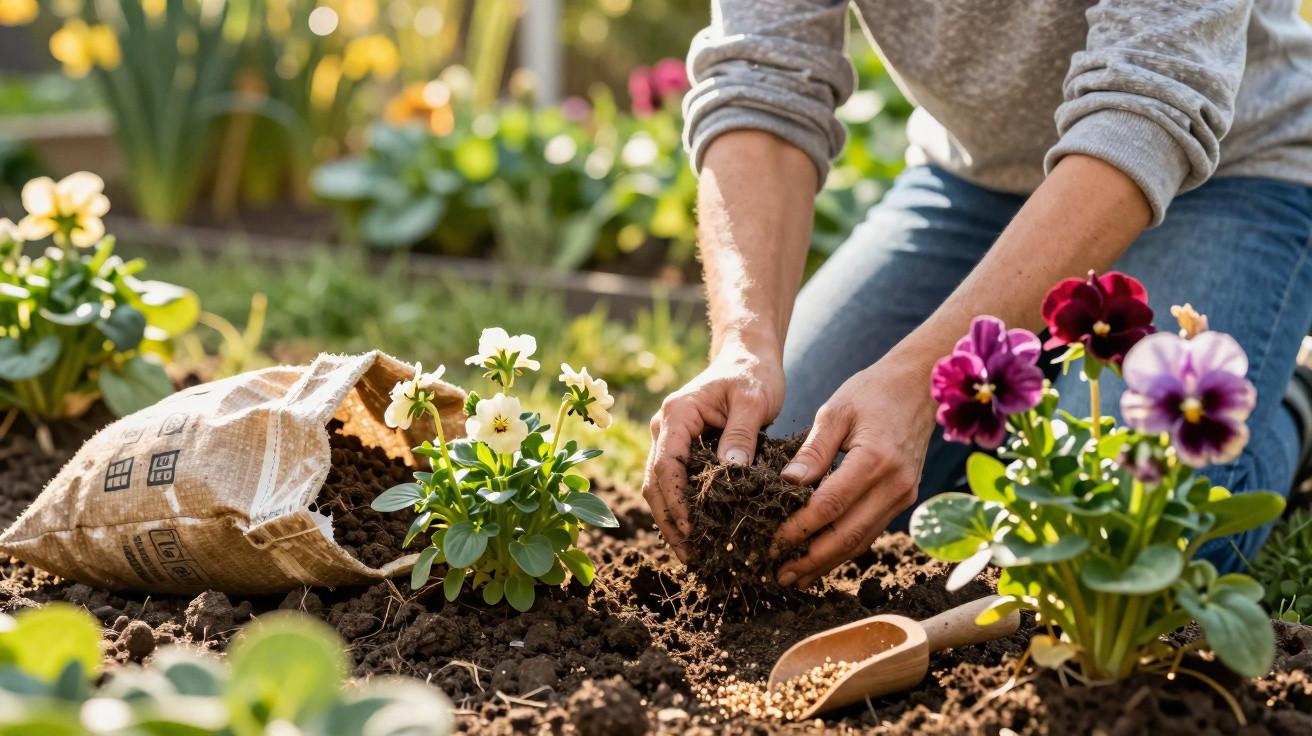
The earliest sign is usually so subtle that you can feel foolish for spotting it. One summer, you are proudly telling everyone who passes the gate about your enormous dahlias. By the following year, the flowers are... acceptable. Attractive, certainly, but no longer spectacular. Then another season passes. Their colour remains, yet the petals seem finer and the blooms are smaller, as though the plants have gone from shouting to murmuring.
You blame the weather, the cultivar, or even the neighbour’s cat. But the pattern returns each year: more leafy growth, fewer flowers, and buds that look like miniature versions of those you planted long ago.
Eventually, an inconvenient question starts nagging at you.
What if the plant itself is not the problem?
The hidden culprit behind shrinking blooms
Take a walk through a mature garden and a curious trend often appears. The oldest beds, left undisturbed for years, frequently produce the smallest flowers. The roses continue to flower, hydrangeas still form their fluffy heads, and tulips still emerge. But something has undeniably diminished. The wow factor has disappeared.
Plenty of gardeners pursue the wrong culprit. They change cultivars, experiment with fertilisers and complain about “weak stock”. All the while, the real cause is sitting silently beneath their shoes. Season after season, the soil has been drained, with nothing replacing what those large, flamboyant flowers removed.
Speak to experienced gardeners about their first serious soil test and you will often get the same slightly embarrassed smile. One French gardener I spoke with had grown peonies in one bed for twelve years. Initially, every bloom was as wide as a dessert plate. By last spring, they were scarcely the size of a teacup.
She first blamed late frosts, then drought, then “age”. Eventually, more from curiosity than conviction, she sent a soil sample to her local agricultural advisory service. The report highlighted one line in glaring red: phosphorus. Her soil contained almost none.
The plants had not become old; they had simply run short of the fuel needed to produce large blooms.
This is the depletion factor that nearly everybody overlooks: exhausted nutrients, particularly the elements that support flowering. Nitrogen encourages leaf growth. Phosphorus and potassium support roots, buds and flowers. Across the years, every burst of colour quietly removes these minerals from the soil “bank”. Without putting anything back, the account eventually becomes overdrawn.
Flowers still appear because plants are resilient. But they reduce their ambitions. They devote less energy to petal numbers, scent and size, and more to basic survival. From the surface, this can resemble “weak genetics”, but the explanation is brutally straightforward: hungry soil produces hungry flowers.
How to feed flowers that have been silently starving
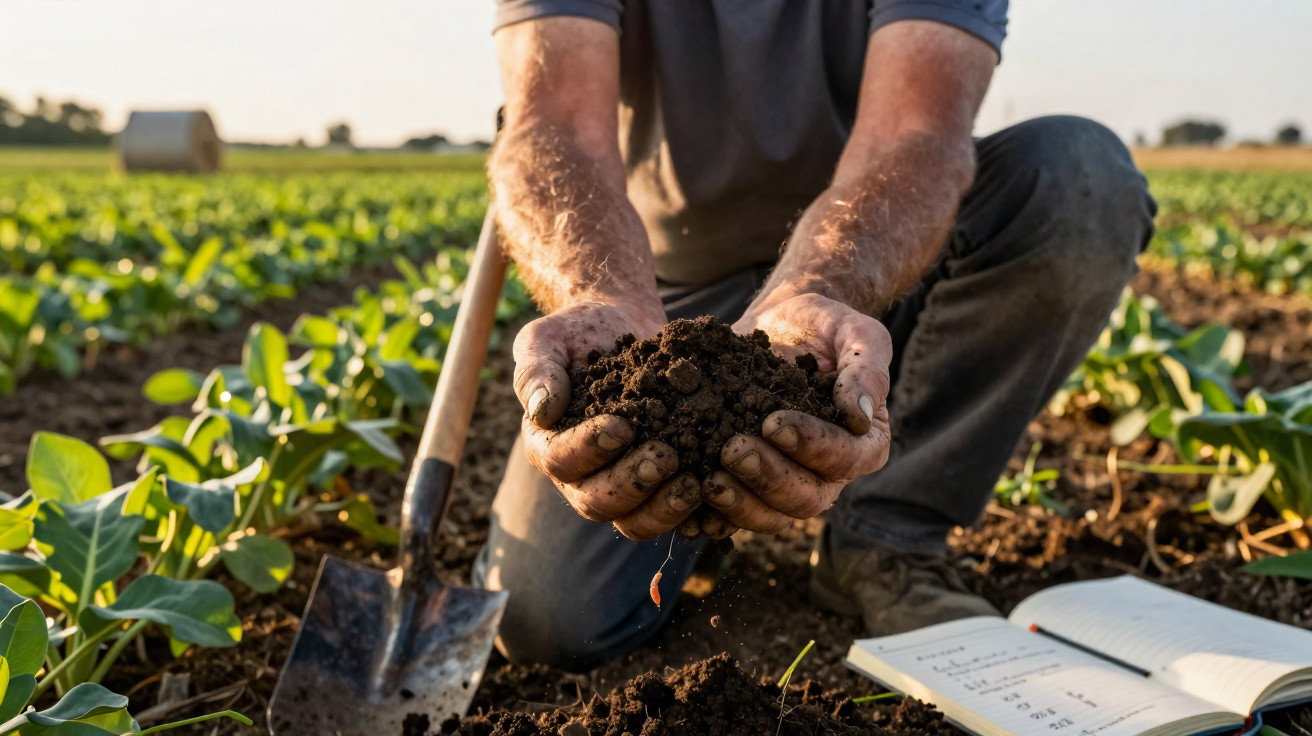
The opening step is almost dull, which helps explain why it is so often missed. Before purchasing fresh fertiliser, find out what your soil actually needs. A straightforward test kit or laboratory analysis can reveal whether phosphorus and potassium are low, or whether the pH is preventing plants from accessing them.
Once the shortfall is clear, you can begin restocking the cupboard. This may involve incorporating well-rotted compost, using a balanced organic fertiliser for flowers, or applying carefully chosen P- and K-rich amendments such as bone meal or wood ash. The aim is not a rapid burst of green growth, but a gradual, thorough restoration of the soil on which your plants rely.
This is where many gardeners become confused. They scatter high-nitrogen lawn feed across flowering borders, then question why they have thick foliage and undersized blooms. Alternatively, they fertilise once in spring, feel they have done their duty, and leave it at that for the rest of the year.
Let us be realistic: almost nobody manages this every single day. Nourishing soil resembles adding to a savings account rather than winning the lottery. Modest, regular additions of organic matter and focused nutrients can undo years of depletion. If your flowers have been getting smaller over several seasons, plan for a two- or three-year restoration programme rather than expecting a miraculous month.
Sometimes the kindest thing you can do for a tired plant is not to replace it, but to heal the ground it’s standing on.
- Test your soil every 2–3 years – This identifies the nutrients that are genuinely absent, rather than leaving you to guess in the dark.
- Use compost as your foundation – It not only feeds the soil, but also improves its structure, moisture retention and microbial life.
- Apply flower-focused fertilisers in spring and mid-season – Choose products containing more phosphorus and potassium than nitrogen.
- Mulch with organic materials – Shredded leaves, grass clippings and bark decay gradually, replenishing the soil bank.
- Observe the plants, not only the labels – Leaf colour, stem strength and bud size indicate whether the balance is correct.
When smaller blooms are a message, not a failure
Every garden has a quiet point at which smaller flowers begin to look less like a disappointment and more like a message. The soil is speaking. It is saying: “I’ve given you everything I had, now I’m empty.” That change in viewpoint alters how you move around the beds in late summer, counting buds and comparing them with older photographs on your phone.
Rather than blaming yourself or the plant, you start asking new questions. How long has this bed existed? What have I removed year after year without truly replacing? The answer is seldom glamorous. More often, it is simply minerals, organic matter and time.
Once you recognise it, the pattern is difficult to ignore. It appears in established rose borders, balcony containers and even vegetable plots that once overflowed but now seem strangely subdued. The depletion factor works slowly and persistently, but steady care can reverse it. This is where matters become interesting: an exhausted bed can often return stronger than it was before, simply because you have finally understood what it needed.
| Key point | Detail | Value for the reader |
|---|---|---|
| Soil depletion is real | Years of flowering remove phosphorus, potassium and organic matter, initially without obvious warning signs | Explains why blooms become smaller even when plants look “healthy enough” |
| Testing beats guessing | Basic soil tests identify precise nutrient shortages and pH problems | Prevents money being spent on unsuitable fertilisers and hastens recovery |
| Rebuilding takes seasons | Ongoing compost, targeted flower feed and mulching replenish the soil bank over time | Provides a realistic route to restoring fuller, more impressive blooms |
FAQ:
- Why are my flowers getting smaller every year? This is often because the soil has slowly lost essential nutrients, especially phosphorus and potassium, which are needed for large, plentiful blooms.
- Can old plants bloom big again, or do I need to replace them? Many established plants recover remarkably once their soil is properly nourished; replacement is generally a final option rather than the first measure.
- How often should I fertilise flower beds with depleted soil? A light feed in spring and another mid-season application, alongside annual compost, usually works better than one heavy dose.
- Is compost alone enough to fix shrinking flowers? Compost provides a powerful foundation, but badly depleted soil often benefits from additional flower-focused nutrients for a couple of years.
- Do potted flowers suffer from depletion faster? Yes, containers lose nutrients far more rapidly, so they require regular feeding and partial soil replacement to maintain full-sized blooms.


Comments
No comments yet. Be the first to comment!
Leave a Comment