
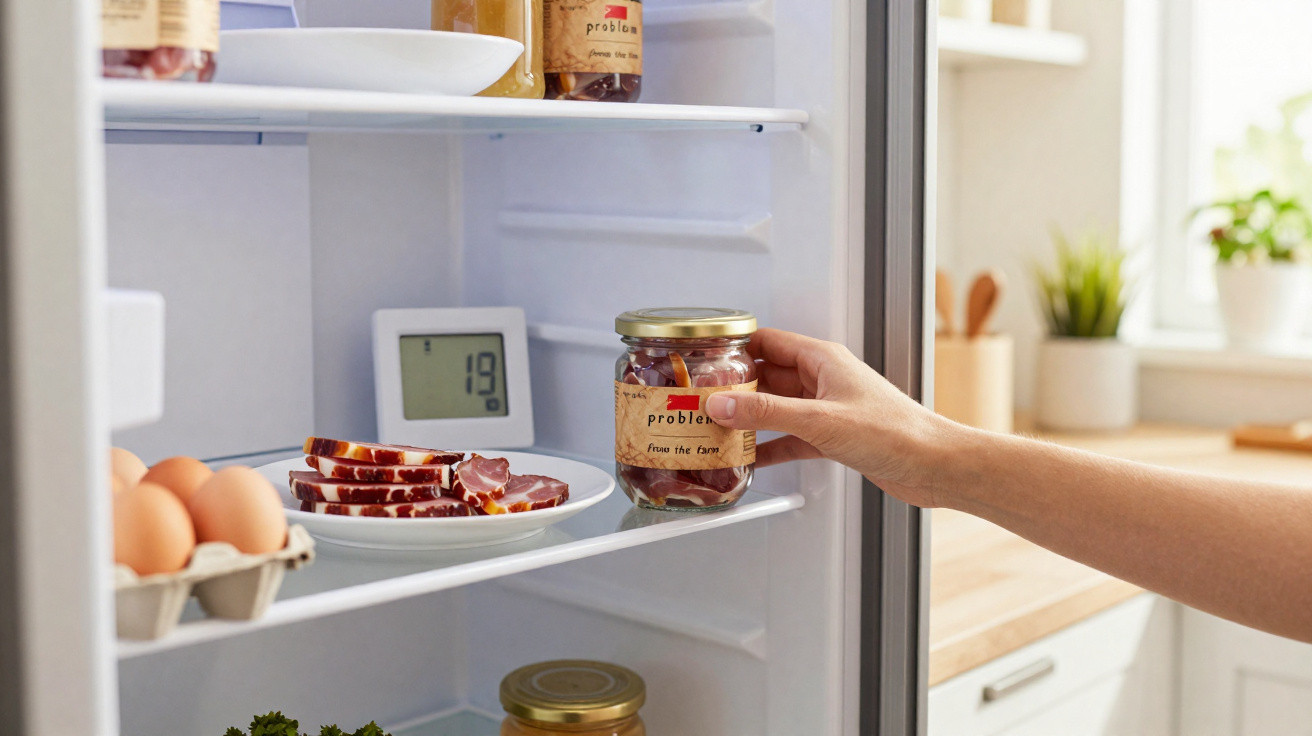
A popular farmhouse pork spread has been suddenly withdrawn from sale in western France, prompting renewed food-safety concerns.
The local recall in Loire-Atlantique involves a batch of traditional pork rillettes sold directly to customers. Tests found bacterial contamination that could cause serious illness in certain people.
What product is being recalled in Loire-Atlantique?
The warning applies to one precisely identified product that was distributed locally, not through national supermarket chains.
French consumer-alert service Rappel Conso states that the recalled pork rillettes were produced by TEBA 44, trading as “De la Terre à l’Assiette”. They were made for La Ferme de la Beurrerie, a farm selling its own meat and charcuterie products.
Only pork rillettes from one clearly identified batch, sold directly at the farm and on local markets, are affected by this recall.
Key identification details for consumers
These details are particularly important for anyone who has lived in, or travelled through, Loire-Atlantique in recent weeks. Although the rillettes were not sold across France, they were available through local markets and direct farm sales, where tracing a purchase can feel less straightforward than in a supermarket.
- Product: Pork rillettes (vacuum-packed)
- Producer: TEBA 44 – De la Terre à l’Assiette
- Seller: La Ferme de la Beurrerie (farm shop and markets)
- Pack size: About 0.600 kg, vacuum-packed
- Lot number: 050326035002
- Use-by date: 01/03/2026
- Period of sale: 12/02/2026 to 18/02/2026
Anyone finding a pack matching these details in their fridge should not eat it in any circumstances. A normal smell or appearance does not mean it is safe, because the concern is microscopic bacterial contamination rather than visible deterioration.
What kind of contamination was found?
Laboratory testing of this rillettes batch identified microbiological contamination. The bacterium detected was Listeria monocytogenes, which can cause listeriosis, a serious infection transmitted through food.
Listeria monocytogenes can grow in chilled foods and survive in products that seem perfectly fresh and well kept.
Under French food-safety rules, the presence of Listeria means the rillettes are “unfit for consumption”. While this may sound like technical terminology, it signals a clear risk to public health: for certain people, even low levels of the bacteria can be dangerous.
Why Listeria in rillettes is particularly worrying
Pork rillettes belong to the wider charcuterie family: slow-cooked, seasoned, fat-rich meat spreads traditionally eaten cold on bread. Such products can allow Listeria to persist if hygiene or temperature control fails at any point during production, packing or storage.
Health authorities are especially concerned by two characteristics of Listeria:
- It can remain alive and may even multiply at fridge temperatures.
- It can trigger severe disease in vulnerable people, including at low doses.
This combination means that ready-to-eat chilled foods, including pâtés, rillettes and soft cheeses, are routinely subject to close monitoring.
What are the symptoms of listeriosis?
Healthy adults who consume Listeria may experience mild symptoms, or none at all. However, health bodies treat every confirmed contamination seriously because the infection can become dangerous for some groups.
The typical early warning signs of listeriosis are a sudden high fever, headaches, and muscle aches, sometimes resembling a brutal flu.
French authorities list the following possible symptoms:
- A high, sudden fever
- Headaches
- Muscle aches or general body pain
- In some cases, digestive symptoms such as nausea or diarrhoea
Some groups are at greater risk of serious complications:
| Group | Possible complications |
|---|---|
| Pregnant women | Miscarriage, premature birth, or infection in the newborn |
| Elderly people | Bloodstream infection, meningitis, severe general weakness |
| People with reduced immunity | Serious systemic infections requiring hospital care |
Anyone who has eaten the recalled rillettes and develops a high fever, whether or not they also have headaches or aches, should promptly seek medical advice and mention the possible Listeria exposure.
What should consumers do with the recalled rillettes?
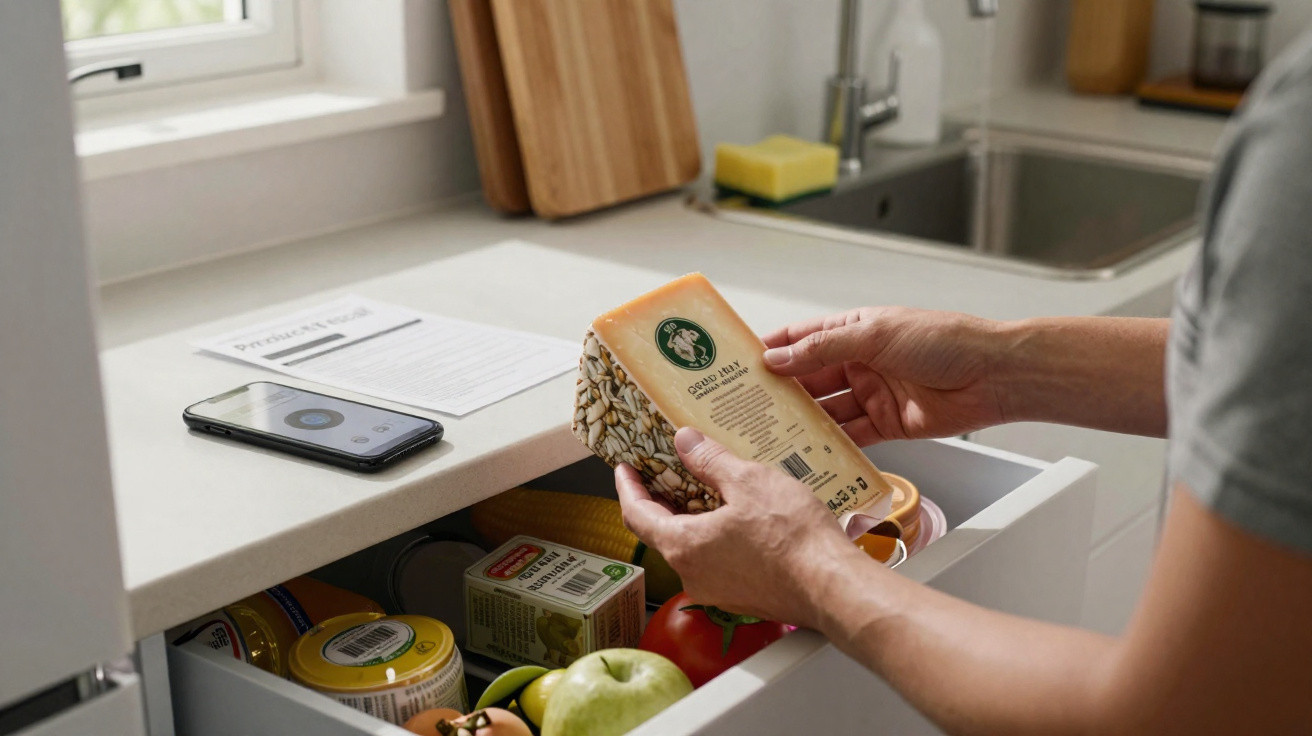
Anyone with a pack of these rillettes at home should follow simple advice: do not taste it “to check” and do not give it to anyone else.
Authorities urge buyers to destroy the product or return it to the point of sale by 3 March 2026 for a refund.
Buyers may dispose of the rillettes in a sealed bag where animals cannot reach them, or return the pack to the farm or market stall where it was purchased. The recall notice provides the consumer contact number +33 2 44 04 80 16 for people who need more information or reassurance.
The batch is deemed unsafe even if its use-by date has not passed. Freezing will not fix the issue: Listeria can survive being frozen and become active again once food is defrosted.
Why local, “farm-fresh” products are not risk-free
The recall illustrates a familiar conflict for food enthusiasts: the appeal of rustic local produce against the sometimes unforgiving demands of food safety. Farm-made rillettes and charcuterie are frequently regarded as more authentic than industrial alternatives, and consumers often trust them almost automatically.
However, small-scale or artisan production is not automatically safer. Producers of every size, from family farms to major factories, must address the same essential issues:
- Managing hygiene and temperatures while products are cooked and cooled
- Avoiding cross-contamination between raw and cooked foods
- Checking the cleanliness of equipment and staff working practices
- Maintaining traceability should an issue arise
In this instance, the lot number and clearly specified dates have at least enabled a rapid, focused warning rather than widespread alarm involving every product sold by the farm.
How Listeria infections actually happen in everyday life
For readers in the UK, US or elsewhere, this French incident reflects concerns regularly associated with chilled deli meats, hot dogs and soft cheeses. Previous listeriosis outbreaks have been connected to ready-to-eat meats, smoked fish, packaged salads and unpasteurised dairy products.
A typical situation could unfold as follows: a ready-to-eat meat product leaves its producer carrying a very small number of Listeria bacteria, possibly introduced when it is sliced or packed. It is then kept in a fridge running slightly warmer than recommended - perhaps 8°C rather than below 5°C. The bacteria multiply gradually. When the consumer serves the final slices a few days before the use-by date, the bacterial level may be high enough to make someone with a weaker immune system ill.
This sort of sequence can result from several small failures rather than one major incident. That is why food-safety guidance can seem repetitive: keep chilled food cold, observe use-by dates and do not leave charcuterie platters at room temperature for extended periods.
Practical tips for handling charcuterie and rillettes safely
Whether you are in Loire-Atlantique or Los Angeles, the key precautions for eating pork rillettes and comparable products are broadly the same.
- Keep them in the coldest area of the fridge, preferably below 5°C.
- Follow the use-by date, particularly for vacuum-packed products.
- After opening, consume within a few days and keep the pack properly covered.
- Avoid serving potentially risky chilled meats and soft cheeses too often to vulnerable guests, including pregnant women, older relatives and people receiving chemotherapy.
- Thoroughly wash hands, knives and chopping boards after handling raw meat to avoid cross-contaminating cooked food.
Homemade rillettes can appeal to people who love the product. Slow-cooking pork in fat at a safe temperature helps destroy many microbes, but risks may still emerge during cooling, potting or storage. Clean jars, rapid cooling and refrigerated storage - rather than keeping jars in a warmish pantry - all lower the chance of an invisible hazard such as Listeria becoming established.
This Loire-Atlantique recall may reassure some customers that surveillance systems operate even for small producers selling through local markets. It also underlines that every rustic terrine served on a crusty baguette depends on a delicate balance between traditional flavour and modern microbiology.




Comments
No comments yet. Be the first to comment!
Leave a Comment