

The leaves did not wilt at first.
They became brighter. Basil in a pot on a small flat balcony, caught by a band of late-afternoon sunshine, suddenly appeared… crisper. Its green changed from a rich, velvety shade to one that was paler, drier and almost fluorescent. The leaf margins curled ever so slightly, as though somebody had used the sharpen setting in a photo app.
Two hours afterwards, that same plant slumped like an exhausted teenager after school.
Most people recall the final image: wilted foliage and the accompanying guilt. Far fewer spot the subtle soil clue that signals trouble well before the obvious drama begins.
The subtle soil change almost no one discusses
Gardeners frequently discuss drooping foliage, brittle leaf tips and pots that sound hollow when tapped. These are all late warnings. The real process begins below ground. Before a plant collapses, the soil experiences a distinct “mood swing”: its texture and colour alter around the roots.
The uppermost layer can easily mislead you if you inspect it closely. It may seem dusty even though the soil beneath is still holding moisture like a sponge. Alternatively, the surface can appear dark and healthy while the root zone is already nearly dry. The commonly missed sign is found precisely between those two layers.
Imagine a raised bed in a heatwave. By midday, the surface becomes pale and crusty, leading you to think, “Time to water again.” Instead, scrape 3–4 cm below it with your fingers. On one day, you find cool, crumbly, chocolate-brown earth that stays together when squeezed. Two days later, soil at the same depth feels noticeably changed: it remains dark in appearance, but pressure turns it into small, firm crumbs that will no longer form a soft ball.
That is the crucial point. It is neither completely dry nor obviously moist. It feels slightly firm and mildly resistant, rather like bread left out overnight. The plant detects this shift and begins closing its tiny leaf pores long before you can see any foliage drooping.
At this intermediate stage, soil tension is what is really changing. As water disappears, it clings more tightly to soil particles. Roots have to work increasingly hard to draw out every drop. The distinction is therefore not merely “dry versus wet”. It is between “moisture that releases easily” and “moisture held so tightly that the plant begins to suffer stress”.
When soil at root level feels a little cool but will not smear, and creates a delicate clump that immediately disintegrates, consider it a subtle warning sign. You have found the plant’s early-stress stage before the leaves reach crisis point. This overlooked window is when one watering can avert several days of gradual decline.
How to find the pre-wilt moisture signal by hand
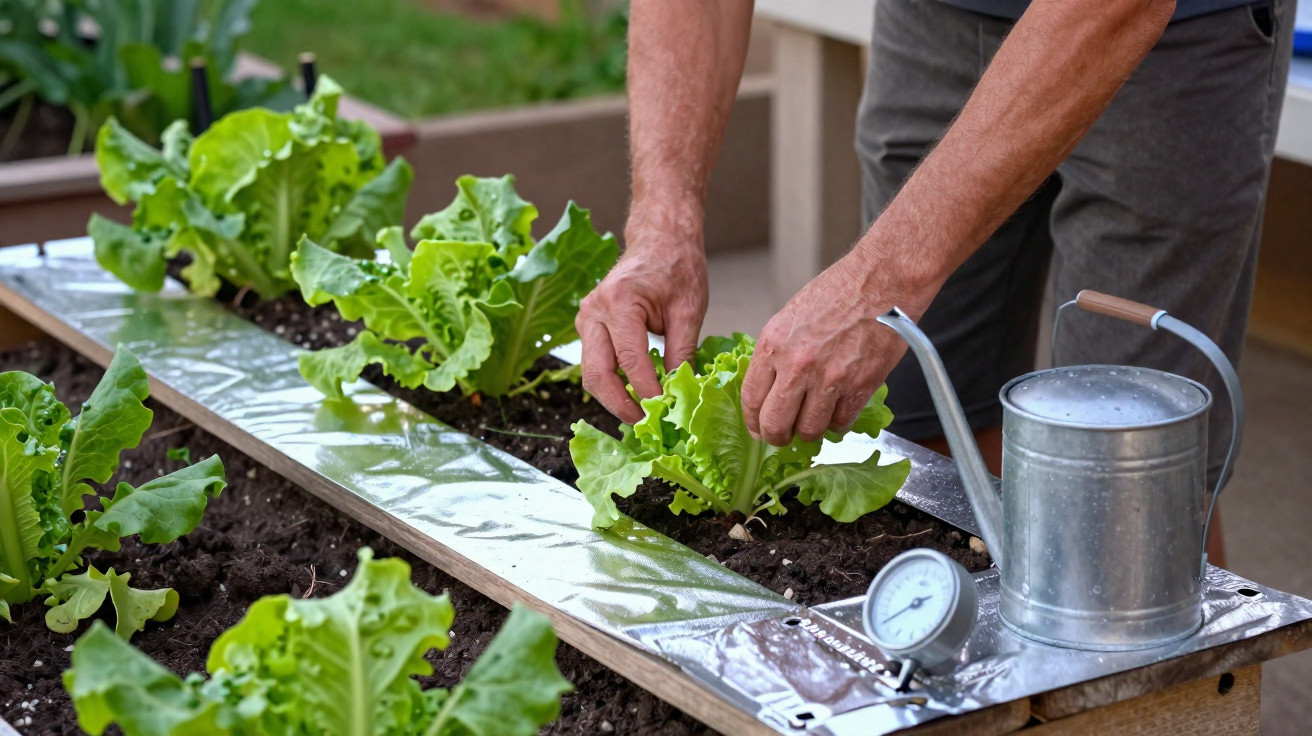
No device is required to notice this sign. All you need are your fingers and an extra ten seconds. Push a finger or small hand trowel into the soil where the roots genuinely grow: halfway down a pot, or 5–10 cm deep in a bed. Lift out a small sample and place it in your palm.
Roll it softly between your hands. If it makes a smooth, supple ball that retains its shape, conditions are still safe. If it will not bind and feels dusty, you have left it too late. The signal sits between these two extremes: the soil forms a loose clump but falls apart with the lightest movement of your thumb.
Many gardeners use only the “top knuckle” test: they poke the surface, sense dryness and reach for the watering can. We have all done it-watering from anxiety rather than observation. This approach promotes shallow roots and erratic, yo-yo moisture levels. Checking a deeper pinch of soil may initially seem slower, but it soon becomes instinctive.
Realistically, nobody does this every day without fail. The aim is not perfection. Instead, look for the pattern during heatwaves, windy conditions or periods of rapid growth. These are the moments when the pre-wilt signal becomes quick and obvious, provided you remember to listen with your hands.
“Once I started checking the soil at root depth instead of just looking at the leaves, my plants almost stopped wilting altogether,” says Léa, an urban gardener who grows tomatoes on a fourth-floor balcony. “The soil told me they were thirsty at least a day before the leaves did. It felt like I’d learned a new language overnight.”
- Check the soil at root depth rather than only at the surface.
- Seek soil that makes a loose clump before crumbling immediately.
- Recognise the change from cool and pliable to cool but resistant.
- Look out for paler leaf colour and slight curling at the edges on the same day.
- Water before the soil becomes fully dry, particularly in small pots and raised beds.
Reading soil as a gradual conversation, not an alarm
Once you recognise this in-between moisture condition, watering becomes a rhythm rather than a reaction. You will find that certain plants reach this tension point much sooner, including potted herbs, balcony tomatoes and houseplants with compact root balls. Others-such as deep-rooted shrubs and plants growing in rich garden beds-cope calmly with dry spells.
This sign forms part of a larger picture. Wind, heat, pot size and soil type all determine how quickly soil goes from a soft ball to crumbly grit. You are no longer simply “overwatering” or “underwatering”. You are adapting to a living timetable.
| Key point | Detail | Value for the reader |
|---|---|---|
| Root-depth test | Take soil from 5–10 cm down and roll it in your hand | Provides a realistic view of what roots experience, rather than just what is happening at the surface |
| Pre-wilt texture | A loose clump that crumbles at once while still feeling slightly cool | Indicates early stress before leaf wilting is visible |
| Watering timing | Water at the first sign of the crumbly “in-between” stage | Minimises shock, maintains steady growth and prevents repeated wilting |
FAQ:
Question 1: Is this moisture signal the same for indoor and outdoor plants?
More or less, yes. The principle remains the same: examine soil at root depth and look for the loose clump that falls apart immediately. Indoor pots can reach this stage more quickly because their volume is limited and because of central heating or air conditioning.Question 2: Do I still need a moisture meter if I use this method?
You may use both, but the hand test often gives a more instinctive understanding of texture and structure. A meter provides figures; your fingers detect subtle resistance, clumping and temperature that figures cannot fully convey.Question 3: What if my soil is sandy and never really clumps?
With very sandy mixes, the sign is more of a transition from cool and faintly cohesive to warm and loose, like beach sand. In that case, how often you check matters even more.Question 4: Can I rely on leaf colour alone as an early sign?
Leaf colour is useful, particularly a move towards a slightly paler, more taut green, but it can easily be mistaken for light stress or nutritional problems. Combine leaf changes with the feel of soil at root depth for a more dependable assessment.Question 5: How often should I check for this pre-wilt stage?
In hot, windy weather or during active growth, checking sensitive plants once every day or two is ideal. In cooler, consistent weather, or for plants growing in the ground, every few days will often suffice.





Comments
No comments yet. Be the first to comment!
Leave a Comment