
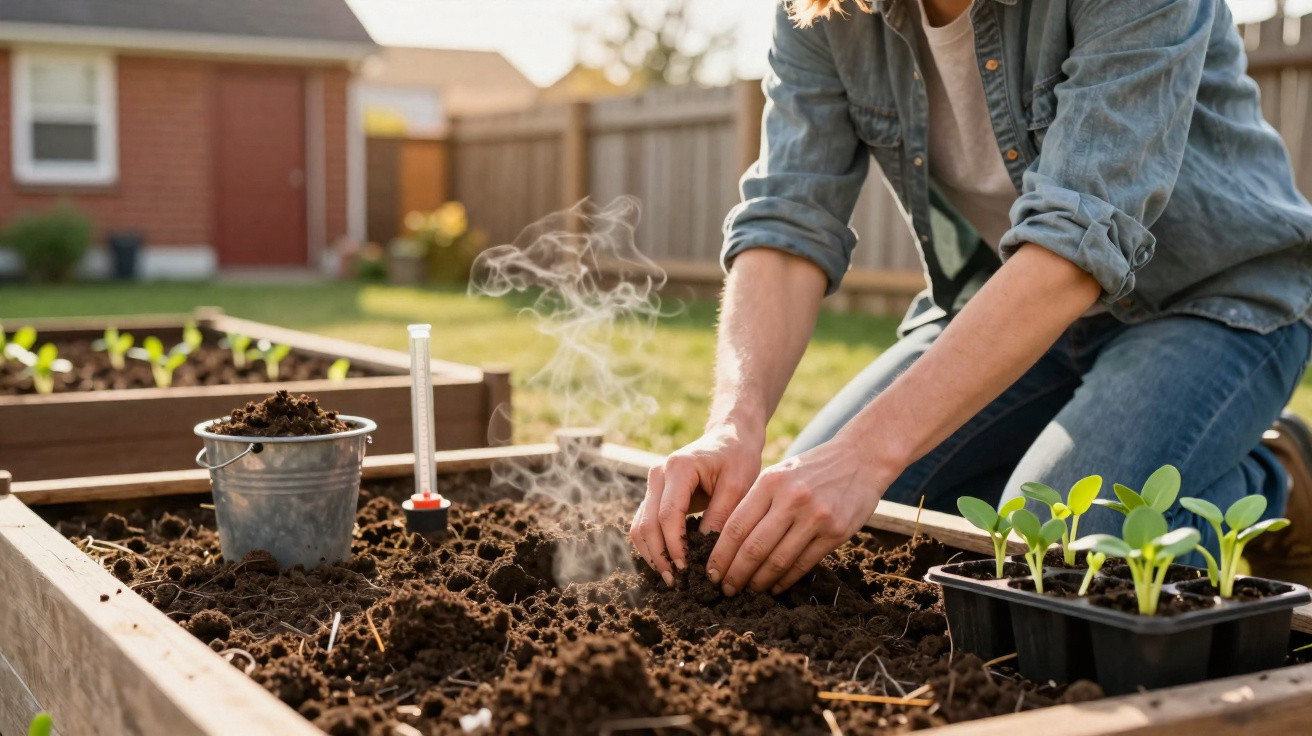
At first, it can seem almost unnecessary: no blooms, no tomatoes, only a bare patch of soil and someone holding a garden fork and a bucket of compost.
A few months on, you pass that same house and feel a slight pang. Their beans are climbing sooner, their roses seem rather pleased with themselves, and their lettuces do not flop at the first spell of dry weather. Meanwhile, your own beds, planted “on time”, appear to require continual saving.
The weather is the same, the region is the same, and so are the seed packets. Yet the outcome is entirely different. The difference was made during that calm early spell, while the garden still appeared only half awake.
Why early soil prep quietly wins the whole season
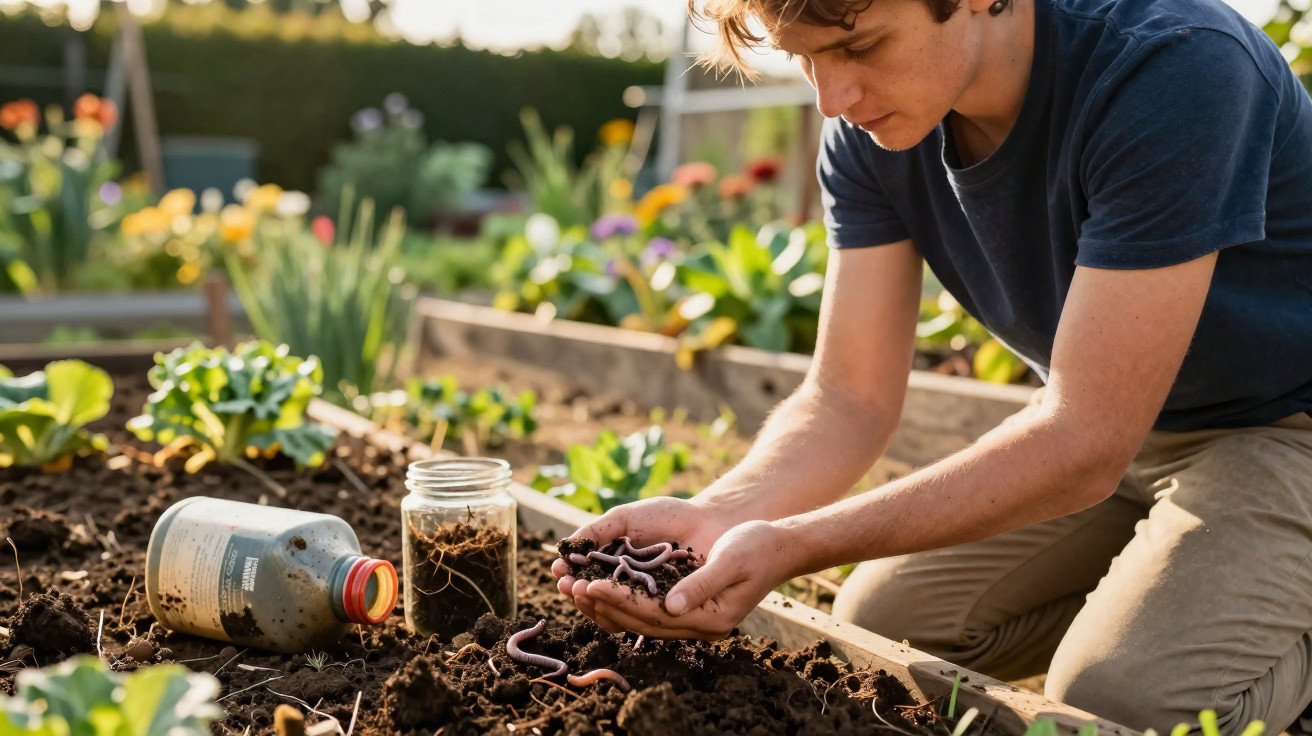
Early soil prep is much like warming up before a run: it is not especially impressive to watch, but it transforms what happens once things gather pace. Working the ground several weeks before planting gives microbes, worms and fungi an early advantage. They can start turning compacted, exhausted soil into a loose, living sponge.
Over time, the soil develops a texture that roots can travel through with ease. Nutrients become easier for plants to access. Water drains and spreads more evenly, rather than collecting in certain areas and disappearing from others. When seedlings are finally planted, the underground world is already awake.
Those plants will not need you standing over them with a watering can each evening. Nor will they require endless fertiliser “boosts”. The essential work has already happened, unseen and quietly, during that in-between period when most people are still browsing seed catalogues and saying, “I’ll start when it’s warmer.”
Consider Claire, a gardener in a small town who rents a modest home with a north-facing back garden. For years, her beds were late to get going and uneven. She planted on the first warm spring weekend, when “everyone else did”. By July, she was battling stressed plants and unexplained yellow leaves.
Last year, she took a different approach. In late winter, while her neighbours were still clearing ice from their car windscreens, she covered the weedy area with cardboard, spread a thick layer of compost and lightly loosened the ground using a fork. That was it. There was no exhausting marathon, only an hour here and there.
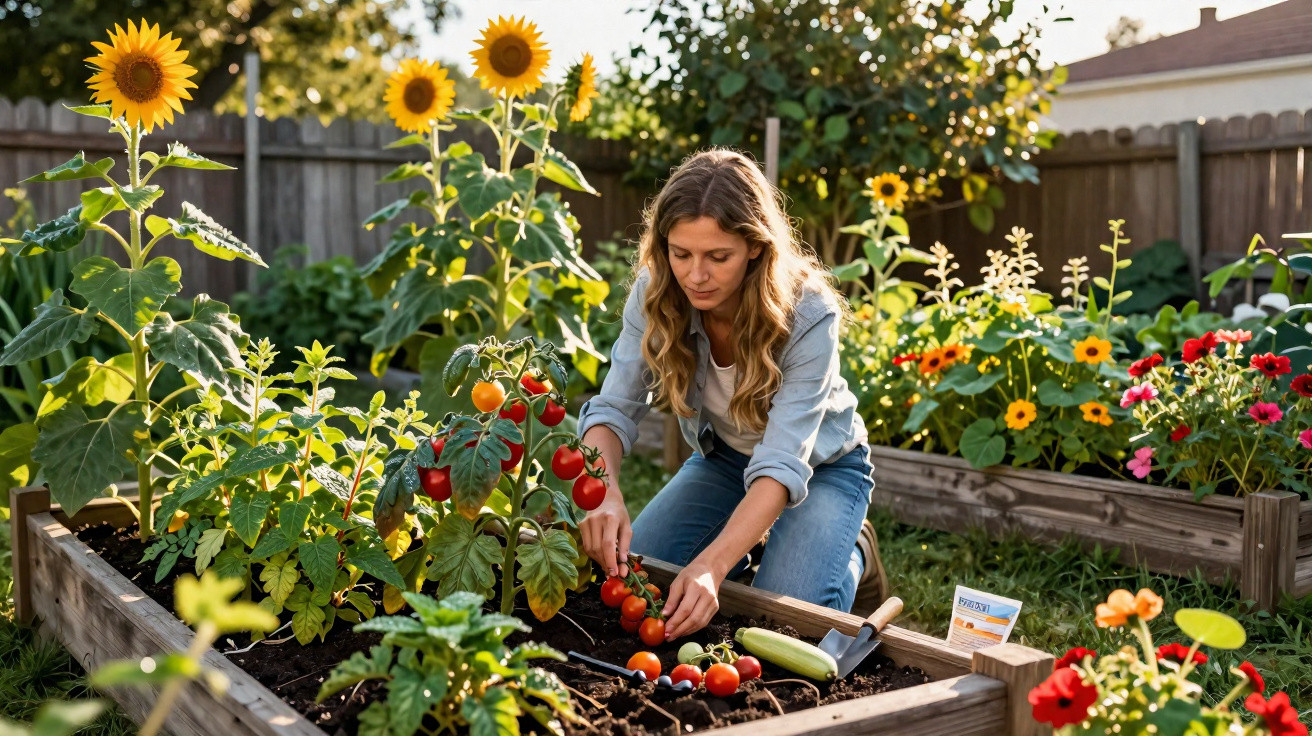
Come spring, the soil fell apart easily in her hands. Her beans climbed sooner, her kale coped with a dry spell, and her tomatoes developed roots so deep that she scarcely needed to water them. The gardener was the same, as was the small garden, but the energy was completely different. The real change was not how hard she worked, but when she began.
There is a straightforward reason why people who start early get healthier plants without putting in extra effort later: nature does not like to be hurried. Preparing soil at the last minute means trying to squeeze a gradual biological process into one hectic weekend. Microbes are not interested in your timetable. Fungal networks cannot develop in a single afternoon.
Starting several weeks in advance gives the soil time. Organic material begins breaking down gradually. Freeze–thaw cycles split up clumps and introduce air into compacted areas. Worms arrive and pull fragments of compost deeper into the ground. This small-scale activity stabilises the soil, preventing it from sinking or forming a crust immediately after planting.
As a result, roots can reach further down more quickly. Deep roots work like a savings account: they provide better access to water and nutrients, along with greater resilience during hot spells. The summer jobs you avoid – emergency watering, continual feeding and all the drama – were effectively “paid for” in late winter, when you were simply working in a quiet, empty bed.
The simple early-season moves that change everything
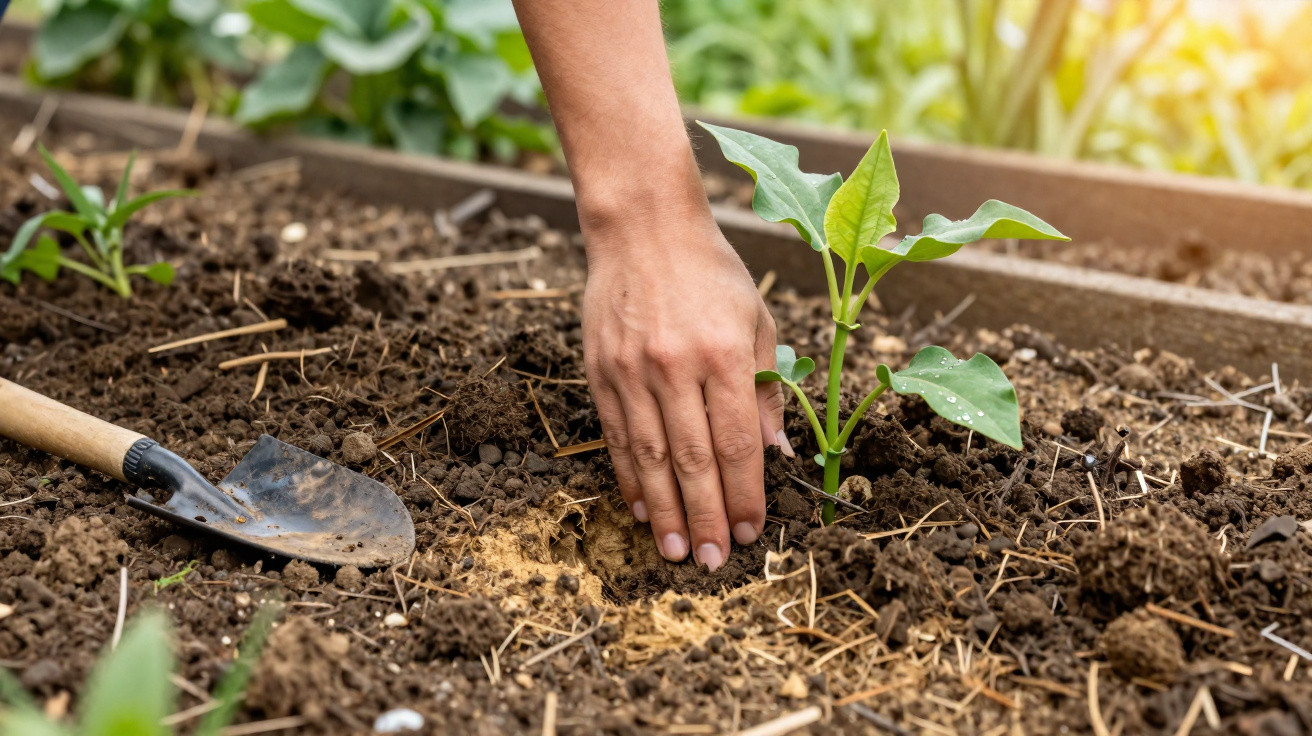
You do not need a tractor or a flawless plan to begin preparing soil early. First remove larger debris, including dead stems, thick twigs and plastic labels. Keep smaller leaves and fine pieces of plant material, as they will nourish the soil. Next, gently ease open the top layer with a garden fork, rocking it backwards and forwards instead of turning over large sections.
Apply a generous topping of compost or well-rotted manure, as though icing a cake. For most home gardens, two to five centimetres is sufficient. Use a deeper layer on heavy clay or beds that are especially depleted. Then allow the rain, worms and passing time to incorporate it. There is no need to dig every centimetre. This calm layer of surface mulch keeps the ground protected, warmer and biologically active.
If the soil remains very cold or wet, adding a mulch of leaves or straw now will still help. The aim is not perfection. It is simply to take the soil one step away from a “dead slab” and one step nearer to a “crumbly, spring-ready bed” before the busy period starts.
Many gardeners quietly feel guilty about not “doing enough” at the beginning of the year. In reality, you do not need a rigid routine or an elaborate system. Brief, gentle sessions are more effective than one heroic day of punishing digging. Spending ten minutes scattering compost over a bed this weekend is a favour your future self will certainly notice in June.
Typical mistakes include working the soil when it is waterlogged, which smears its structure and produces cement-like clods. Another is rotavating deeply every year, potentially cutting through the worms and fungal networks that do much of the hard work on your behalf. A further common error is applying plenty of fertiliser but very little organic matter.
Let’s be honest: nobody really does this every day. Some weekends will be missed, and some weeks will be too rainy. That does not matter. Early prep is less about discipline than it is about taking the small opportunities when the soil is not frozen solid and giving it even a little care.
“Healthy soil is like a quiet, reliable friend,” says an old allotment neighbour of mine. “You don’t notice how much it does for you until you stop looking after it.”
Treat early preparation as emotional insurance for the gardening season. During the first hot spell, when neighbouring beds are cracking and wilting, yours will retain moisture for longer. If a late cold snap arrives, plants in rich, well-structured soil cope better with stress because the life below ground is buffering them.
- Begin early by loosening gently rather than digging heavily.
- Nourish the soil with compost, not fertiliser alone.
- Cover the surface with leaves, straw or compost mulch.
- Do not walk on prepared beds: preserve their structure.
- Choose short, regular sessions instead of one exhausting blitz.
Letting the soil work for you, quietly and in advance
At a human level, early soil prep alters the feeling of the entire gardening year. Rather than arriving in spring in a panic and trying to tackle everything at once, you begin with beds that are already partly prepared. It is like entering a room that has been aired and tidied before visitors arrive.
In practical terms, the plants reveal the difference. Stems appear stronger, leaves retain their colour for longer, and roots are harder to pull from the ground. You will probably spend more time watching and enjoying the garden, and less time putting out fires. It feels less like a problem to solve and more like a living system with which you are working.
We have all stood in front of a tired, compacted bed and thought, “I’ll deal with it later.” Early soil prep simply means deciding that “later” begins a few peaceful weeks sooner, when nobody is looking. It is not about impressing anyone. It is about allowing nature to carry out its slow, invisible work while you get on with your life. The healthiest plants often result from those unseen decisions.
| Key point | Detail | Benefit for the reader |
|---|---|---|
| Start soil prep earlier than you think | Work gently on beds in late winter or very early spring | Gain a head start without longer working hours |
| Feed the soil, not just the plants | Use compost and mulch instead of relying only on fertiliser | Build long-term fertility and reduce plant stress |
| Let time and biology do the heavy lifting | Prepare once, then allow microbes and worms to settle the soil | Less emergency watering, fewer interventions all season |
FAQ:
- How early is “too early” to start preparing soil? You can begin once the ground is no longer frozen solid and is not sodden. If you can take a handful, squeeze it and see it crumble rather than form a sticky ball, it is suitable for light work.
- What if I only have compost for one bed? Give priority to crops that suffer most under stress: tomatoes, peppers, cucumbers or the herbs you use most often. A smaller, thoroughly prepared area is better than spreading compost so thinly that it achieves almost nothing.
- Do I have to dig every year? No. Many gardeners are now moving towards minimal-dig or no-dig approaches. If necessary, loosen compacted patches with a fork, then depend on surface compost and plant roots to do the deeper work.
- Can I still benefit if I start late this year? Yes. Even getting started a couple of weeks before planting is useful. Start from where you are, observe the difference, and bring your “start line” slightly forward next year.
- Is early soil prep worth it in containers, too? Definitely. Refresh compost in pots early, break up compacted areas and allow it to settle. Container plants growing in well-structured, refreshed soil cope far better with heat and irregular watering.
Comments
No comments yet. Be the first to comment!
Leave a Comment