
As the climate crisis, species loss and extreme weather dominate headlines, a quiet counter-movement is gaining momentum in the background: rewilding. Its premise is simple, almost radical: make space for nature again, allow processes that have been suppressed for decades to resume, and observe the results. So far, the picture is unexpectedly hopeful.
What rewilding really means
At its heart, rewilding means putting nature back in charge. People create the right conditions, then step back to some extent rather than trying to control every detail. This can take many forms:
- allowing forests to regenerate instead of clear-felling them or planting monocultures
- freeing rivers by removing dams and restoring their banks
- bringing back displaced species such as wolves, bison or lynx
- designating protected areas where hunting and intensive use are paused
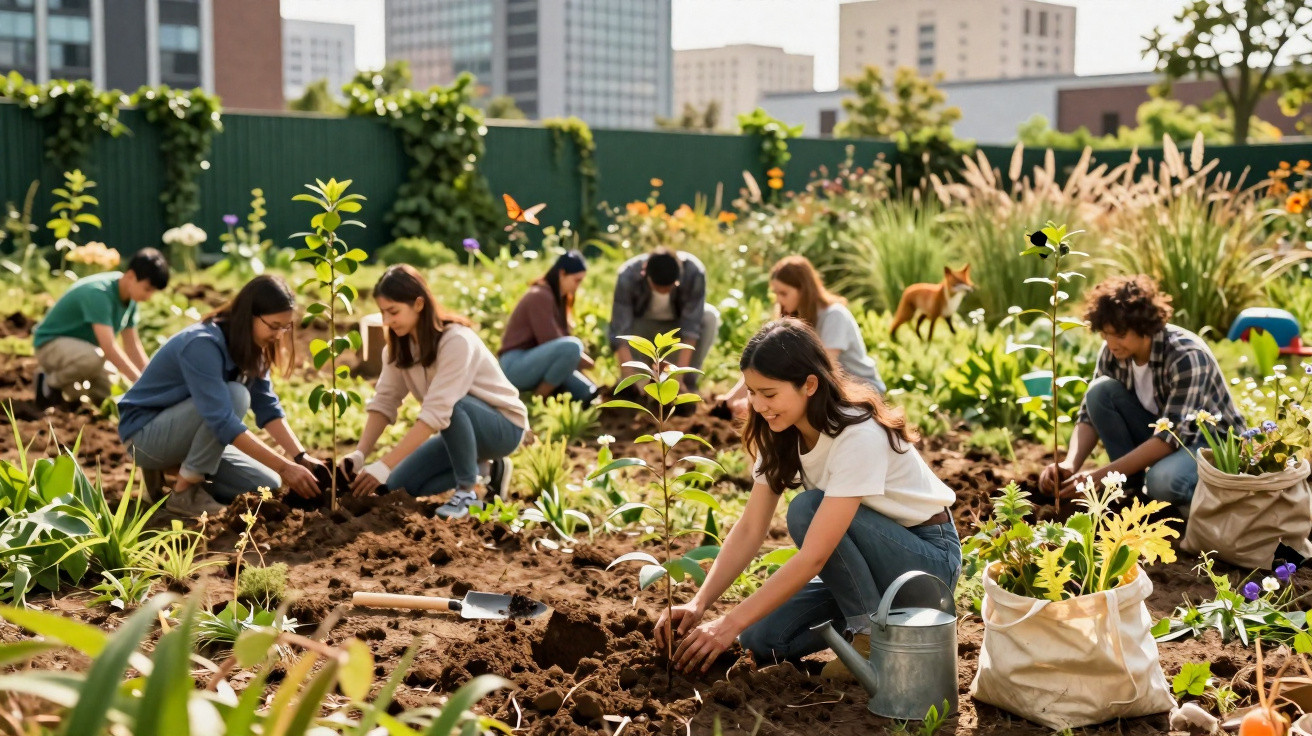
- creating small wild havens in cities rather than maintaining sterile lawns
This is no longer limited to pilot schemes. From Patagonia to Europe, and from Pacific islands to major cities, examples show that nature can respond faster than many people expected when pressure is reduced.
“Rewilding is not romantic wishful thinking, but a toolkit for practical restoration – of soils, forests, oceans and the climate.”
Why rewilding is becoming vital for people
Healthy ecosystems provide far more than attractive scenery. They safeguard drinking water, help regulate the climate, offer protection from disasters and supply food. When nature is allowed to recover, the benefits are highly tangible.
As forests return, they cool their surroundings, retain water in the soil and capture carbon dioxide. Restored rivers can absorb floodwaters, carry sediment and replenish fish populations. Greater biodiversity makes ecosystems more resilient, enabling them to adapt more readily to droughts, heatwaves and storms.
There is also an effect that is difficult to measure in figures: people living close to natural landscapes more often report a stronger sense of belonging and greater inner calm. Studies indicate that simply spending time regularly in green spaces can reduce stress and support mental health.
“Rewilding does not only improve species’ chances of survival – it also improves the quality of life for the people living within these landscapes.”
World Rewilding Day: a day intended to shape the future
Every year on 20 March, the spring equinox, World Rewilding Day brings this movement into focus. The date is deliberate: day and night are equal in length, at the threshold between winter and spring. It is a moment of balance that reminds us that change is part of nature’s rhythm.
In 2026, the day carries a clear message: the future is not fate; it is a choice. That choice must be made today, both through small actions and large ones. Rewilding represents a change of direction: away from continual exploitation and towards active restoration.
The role of the individual
The concept may sound ambitious, but it can be applied in everyday life. Anyone who removes hard surfaces, plants native species, uses peat-free compost or supports local protected areas becomes part of the movement. Political decisions, too, are responding to this shift in public attitudes – for instance, when rivers are allowed to flow freely again or large protected areas are established.
Research shows nature can recover faster than expected
A wide range of studies from recent years sends a clear message: once pressure eases, nature can make a remarkable comeback. Research into so-called secondary forests – forests that regrow after previous use – shows that much of their original biodiversity can return within only a few decades.
The same applies to the sea. In marine protected areas where industrial fishing is halted, fish populations often recover within a few years. Larger animals return, food webs become more stable, and coral reefs and seagrass meadows regain strength.
| Measure | Typical effect |
|---|---|
| Allowing forests to regrow rather than clearing them | Carbon dioxide capture, more species, cooler microclimates |
| Restoring rivers | Lower flood risk, improved water quality |
| Establishing marine protected areas | Return of large fish, more stable stocks |
| Reintroducing large animals | Natural regulation, more varied landscapes |
Across Europe, wolves, European bison and lynx have reappeared in recent years – partly through active reintroduction and partly by returning under their own steam. In North America, restoration projects are reopening thousands of kilometres of river after dams have been removed. Fish once regarded as almost gone can once again find suitable spawning grounds.
Rewilding examples from the Pacific to the city
Rapa Nui: marine protection as a lifeline
In the Pacific, Rapa Nui, also known as Easter Island, has placed a vast marine area under protection. Industrial fishing and other destructive activities are no longer permitted there. The first effects can be measured: whale sightings are increasing, while entire food webs appear to be coming back to life. An ecosystem depleted for decades is beginning to pulse again.
Urban forests on a miniature scale
In major cities, rewilding takes a different form but delivers similar results. The organisation SUGi plants densely grown mini-forests of native tree species, often on plots no larger than a tennis court. More than 60 cities worldwide are involved, and over 90,000 children and young people have already taken part.
These “Pocket Forests” lower local temperatures, trap particulate pollution, provide refuge for insects and birds, and demonstrate to urban residents how swiftly a grey strip of ground can become thriving greenery.
Patagonia: the return of the guanacos
In Chile, the Rewilding Chile initiative is working to rebuild populations of the guanaco, a wild relative of the llama. Once widespread, this plant-eater was severely pushed back by hunting and habitat fragmentation. Today, the “Route of Parks of Patagonia” links large protected areas into an immense network covering one third of the country.
Guanacos are now spreading there once more, benefiting pumas, Andean condors and countless other species that depend on connected, healthy landscapes.
Rewilding on the front lines of environmental destruction
Organisations such as Re:wild advance projects of this kind in more than 80 countries. Their focus is on places where species can still be saved in time: tropical rainforests, coastal zones, upland regions and islands with distinctive wildlife.
A central principle is that this work is not carried out over people’s heads. Indigenous groups and local communities are treated as equal partners. Their knowledge of soils, water and wildlife informs conservation plans, creating strategies that account for both scientific evidence and centuries of experience.
“When conservation is planned with people rather than against them, protected areas and wilderness landscapes are more likely to endure over the long term.”
Rediscovered species: when “lost” does not mean gone forever
One particularly striking aspect of this work involves species officially considered missing or close to extinction. Systematic field research can suddenly reveal them again, often because local residents provide vital clues.
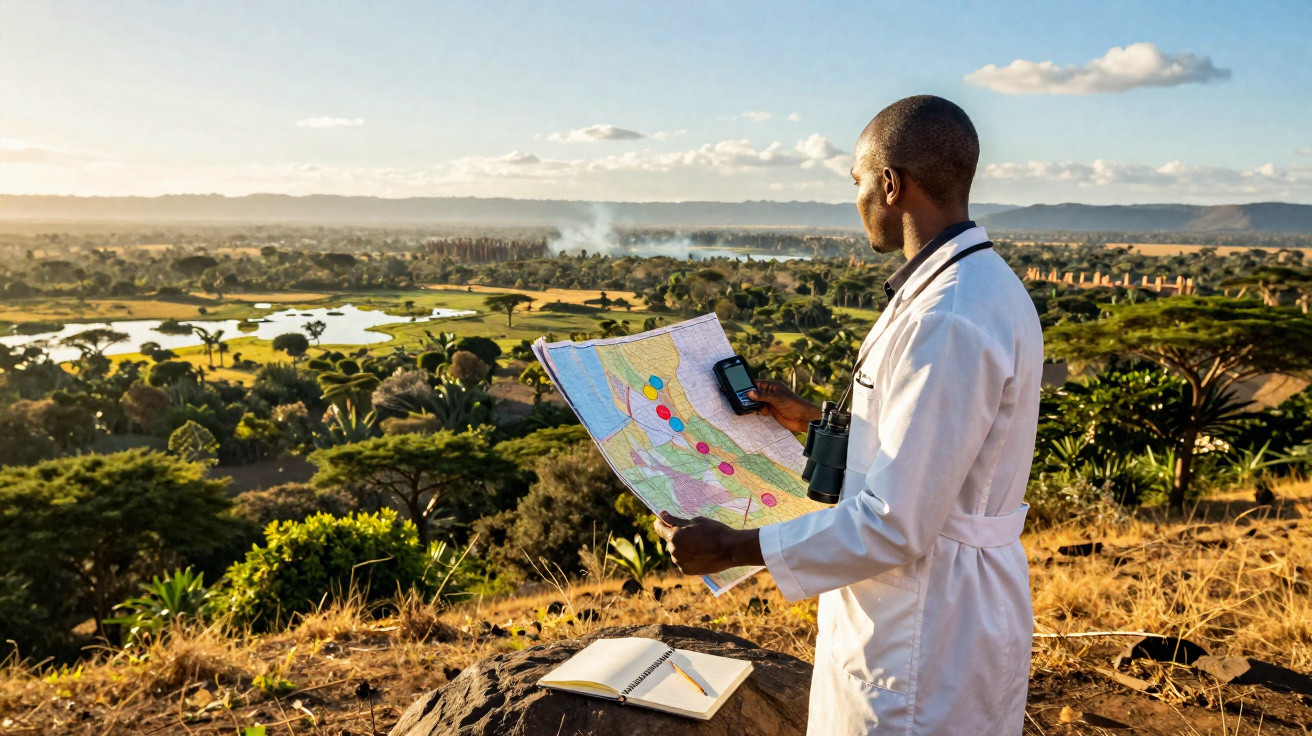
In Mexico, researchers confirmed the presence of a rabbit that had not appeared in any scientific survey for decades. Scientists and communities mapped habitats, installed camera traps and searched methodically for signs. The animal thought to have vanished still survives, in small but genuine remnant populations.
Comparable stories involve rare amphibians, birds and small mammals. They demonstrate that even heavily disrupted ecosystems can contain more life than short-term population surveys suggest. Where protection and restoration arrive in time, these “ghost species” can have a future again.
How everyone can contribute to a more nature-friendly future
World Rewilding Day 2026 delivers a straightforward message: we are in the middle of a period in which key decisions are being made – technologically, politically and culturally. Whether cities continue to seal over land or become greener again, whether rivers decline into canal-like channels or return as living systems, and whether oceans pass tipping points or receive breathing space depends on specific choices.
Rewilding offers a focus that gives many people hope. Unlike some climate debates, it makes successful action visibly clear: more birds in restored floodplains, cooler streets created by small forests, cleaner water after river projects, and whale calls off coasts that had seemed silent for years.
Terms such as “resilience”, meaning the capacity of ecosystems to withstand disruption, become easier to understand through this. A resilient forest is less likely to burn across vast areas, recovers after storms and maintains biodiversity. A resilient river copes better with heavy rainfall, distributes nutrients and limits algal blooms. Every area allowed to become wilder again strengthens that resilience a little further.
For people in German-speaking countries, possible contributions range from wildflowers on a balcony and local public votes to donations for international projects. The principle remains the same everywhere: nature must finally be given the space it needs to make our shared future more sustainable.



Comments
No comments yet. Be the first to comment!
Leave a Comment