
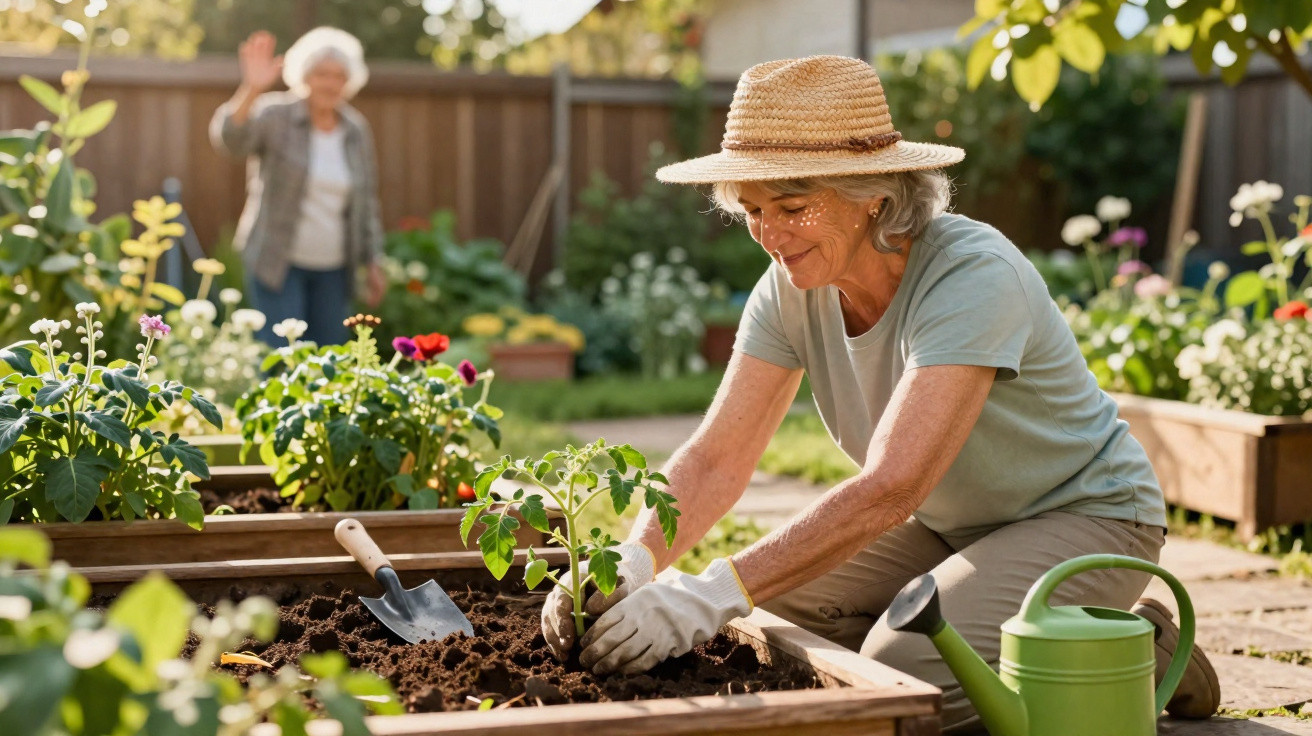
When the sun begins to climb higher again, many people feel drawn outdoors. What is often dismissed as a pleasant hobby proves, on closer inspection, to be a small health programme on the doorstep – with benefits surprisingly close to those of a gym session and meditation.
Gardening as outdoor therapy: what really happens in the body
Gardening engages virtually the entire body. Even seemingly ordinary jobs such as weeding, pruning shrubs or carrying a watering can get the circulation going. Heart rate rises moderately, breathing becomes deeper and the muscles have to work.
“Regular gardening works like gentle endurance training – easy on the joints, practical for everyday life and without a monthly membership fee.”
This form of activity is particularly suitable for people aged 50 and over. It places less strain on the body than jogging, yet demands more than a walk. Anyone who works actively in the garden for an hour every other day will soon reach the 150 minutes of weekly activity recommended by specialists.
A vitamin D boost on the doorstep
Sunlight is another benefit. Just 15 to 30 minutes outdoors can support the body's production of vitamin D. This substance plays a key role in maintaining strong bones, supporting the immune system and, probably, influencing mood too.
- Stronger bones thanks to vitamin D
- Stimulated circulation through light exertion
- Trained muscles in the legs, arms and torso
- Increased oxygen intake through outdoor movement
Being active in the garden on a regular basis can reduce the long-term risk of cardiovascular disease, muscle loss and falls in later life.
How gardening supports mental wellbeing
Many amateur gardeners say that, after one or two hours tending a flowerbed, their minds feel clearer. That is hardly surprising: looking at green spaces has been shown to calm the pulse. Sounds such as rustling leaves and birdsong encourage relaxation. At the same time, seeing the results of the work creates a powerful feeling of control and self-efficacy.
“Those who plant, water and harvest experience first-hand: my efforts change something – and that steadies the inner compass.”
For people who spend much of their time in front of a screen, the garden provides a counterbalance. The hands are busy, the body feels soil, stone and wood, and the eyes move away from the display. Stress hormones may fall and thoughts begin to settle into order.
A protective factor against loneliness
Gardening can also help prevent social isolation. Many people share cuttings with neighbours, exchange advice or arrange joint planting sessions. Those with a partner often experience the garden as a shared project, with clearly divided tasks and a common goal that brings them together.
Such routines provide structure. Especially in retirement, a well-kept garden can prevent the day from becoming empty and unstructured. There is always something to do, and much of it brings visible pleasure.
Healthy gardening: keeping your back safe
Despite all its advantages, gardening can overtax the body if someone tries to do too much too quickly. The back and knees in particular are sensitive to poor posture. Spending several hours bent over without a break can lead to pain or muscle tension.
A few straightforward rules can help prevent problems:
- Change position regularly: Do not spend an entire hour weeding in the same posture.
- Bend the knees: When lifting bags or pots, use the legs rather than the back.
- Use aids: Knee pads, small stools and ergonomic tools reduce strain on the joints.
- Schedule breaks: After 30 to 45 minutes, stretch briefly, have a drink and relax the shoulders.
“Gardening should be challenging, not overwhelming – anyone who ignores pain can easily end up needing physiotherapy.”
Older people in particular benefit from slow, steady movements. Anyone feeling unsure after the winter break should begin with lighter tasks: raking up leaves, moving smaller pots or pruning carefully instead of carrying heavy buckets of compost.
Why gardening is so valuable as we age
In later life, the garden can become a kind of training ground for independent living. Many movements used in flowerbeds mirror everyday activities: bending, turning, carrying and walking on uneven ground. Regularly practising them in a safe setting helps people remain more mobile at home as well.
| Garden activity | Area trained |
|---|---|
| Weeding a flowerbed | Leg muscles, balance, knee mobility |
| Watering with a can | Arms, shoulders, grip strength |
| Pushing a wheelbarrow | Core muscles, legs, coordination |
| Pruning shrubs | Shoulder joints, fine motor skills, concentration |
People with chronic conditions – such as joint problems or neurological limitations – can often continue gardening at a modified pace. Shorter sessions, more breaks, lighter tools and raised beds reduce the load while still maintaining movement.
Smart planning: turning the garden into a health project
To ensure that a garden genuinely strengthens rather than stresses its owner, thoughtful planning is worthwhile. Instead of digging over everything in one weekend, many experienced gardeners divide the work into smaller stages. Seasonal calendars and simple sketches make it easier to keep track.
Anyone unsure which plants will thrive in which spot is best advised to seek guidance from a garden centre. Specialists know robust varieties that require little maintenance and can help avoid unsuccessful attempts. This reduces frustration and means more time is spent moving rather than solving problems.
“A well-planned garden relieves pressure: realistic projects, suitable plants and enough quiet corners to catch your breath.”
Seating areas matter too. A bench overlooking the beds or a shaded chair beside the house offers an invitation to pause and take in the results of one's own work – an important moment for mental wellbeing.
Related activities with similar benefits
Anyone without a garden of their own can turn to alternatives. Many towns and cities offer community gardens where plots can be rented or shared. Window boxes and raised beds on a patio can also be enough to experience at least some of the positive effects.
Comparable benefits can be found in activities such as:
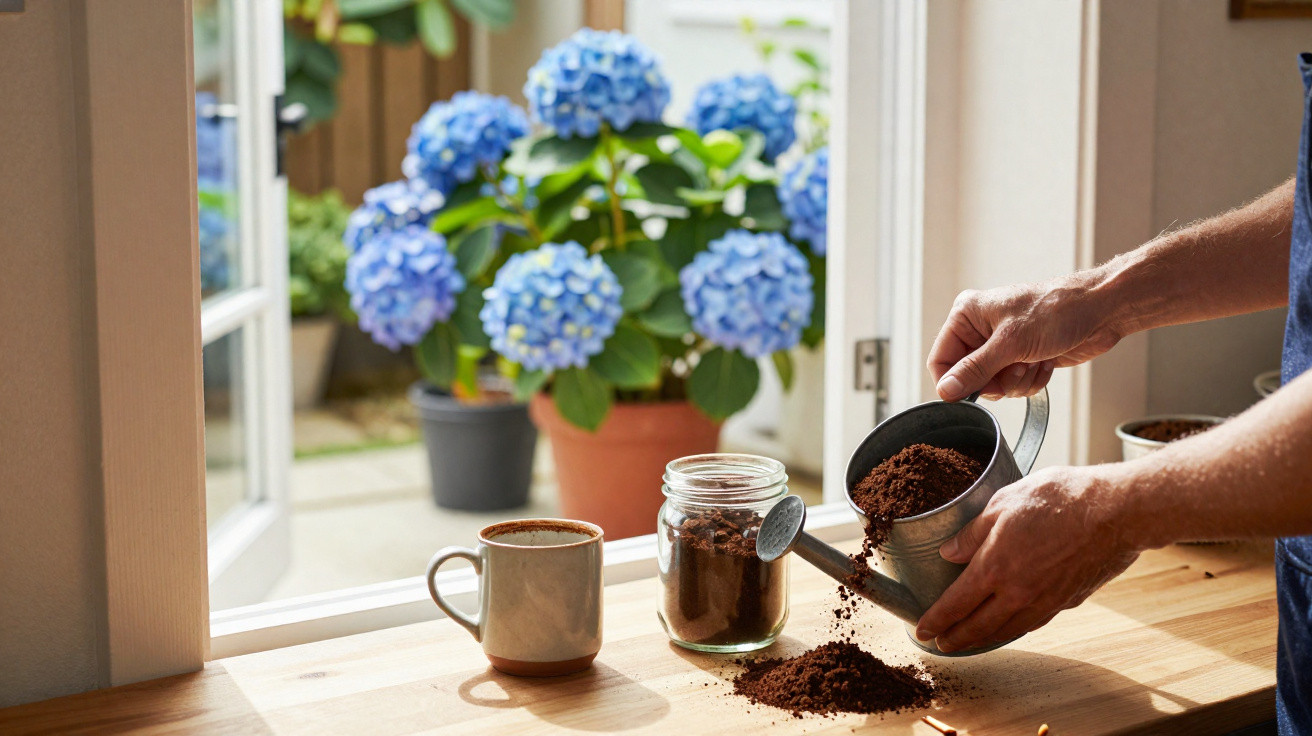
- Caring for houseplants by an open window
- Working in an allotment or allotment association
- Taking part in fruit-growing and gardening clubs
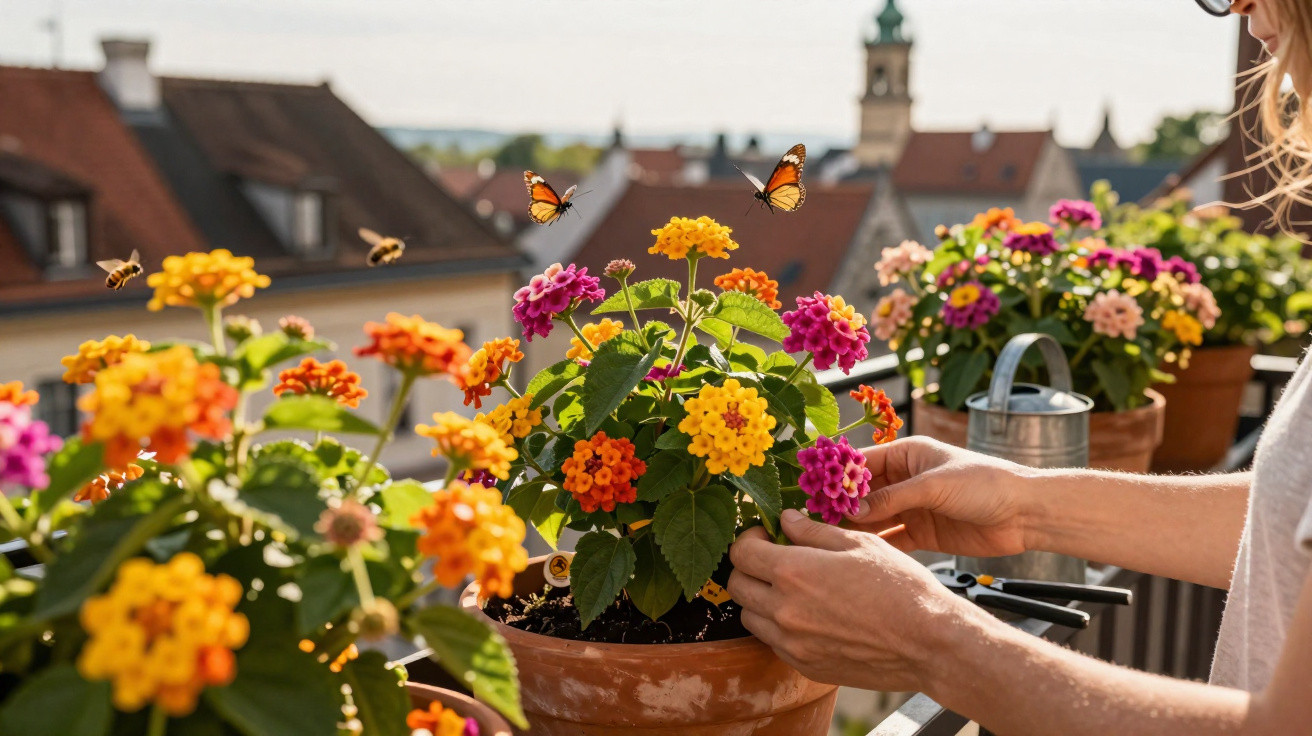
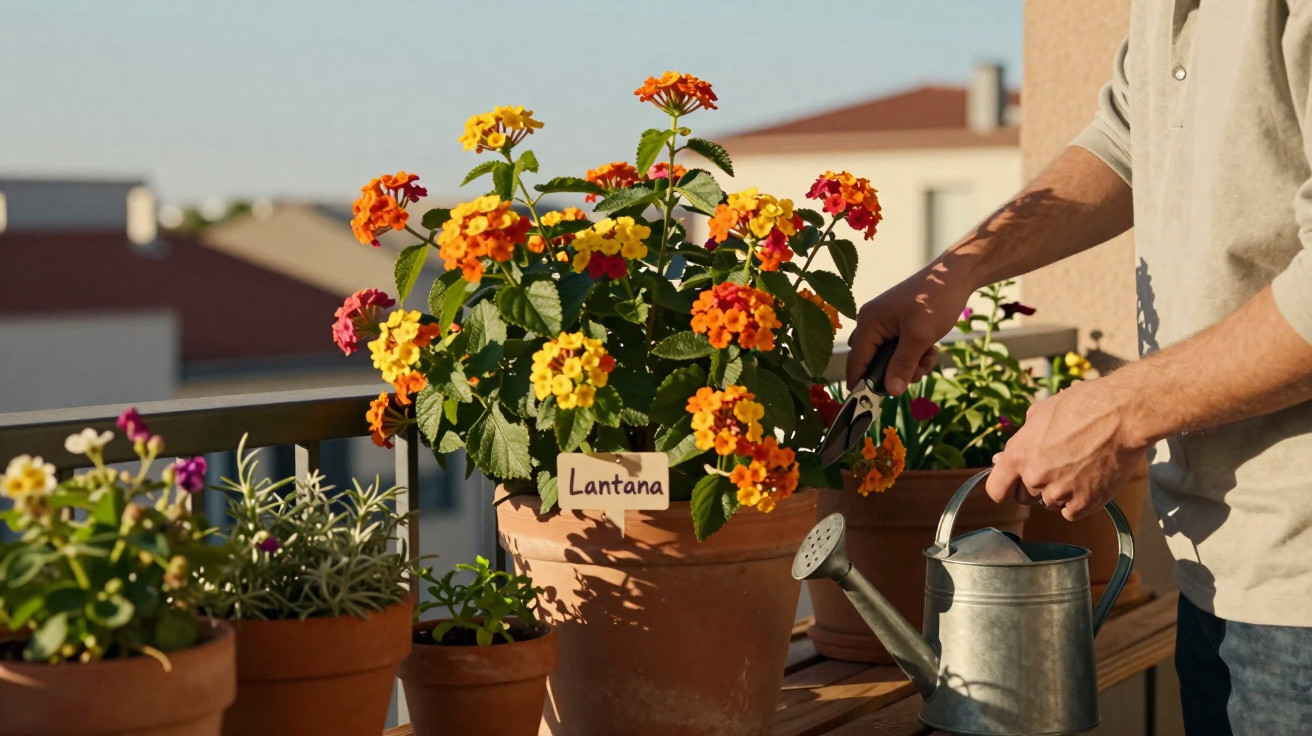
- Growing herbs and vegetables on a balcony
These activities combine movement, contact with nature and a sense of achievement in much the same way. The setting is smaller, but the underlying principles remain the same.
What many people underestimate: the combination makes the effect so powerful
Gardening does not work through one single mechanism alone. Its strength comes from the combination of physical activity, time outdoors, sensory impressions, visible results and often social contact too. Those who experience all of this regularly build up a kind of health reserve over the months.
That is precisely why it is worth viewing your own green space as more than an attractive backdrop. Anyone who consciously uses a hoe, secateurs and watering can as tools for greater wellbeing has a free training and therapy centre just beyond the patio door – seasonal, but remarkably effective.
Comments
No comments yet. Be the first to comment!
Leave a Comment