
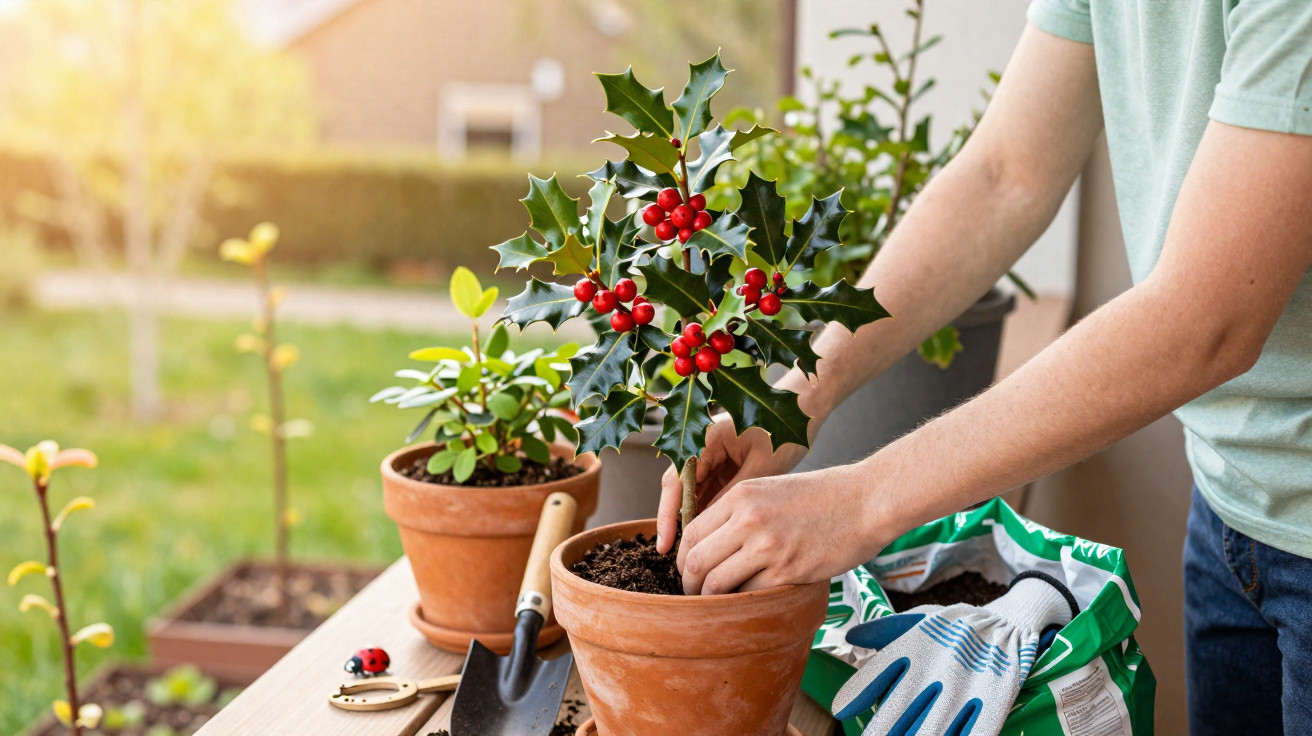
While many beds are still looking grey and bare, experienced gardeners are choosing an evergreen classic with red berries, powerful symbolism and surprisingly modest care needs. Plant it by early March and you will not only create the basis for a decorative garden feature, but also establish a small personal ritual for the beginning of a new year.
Why this shrub is considered a lucky charm
This refers to the holly shrub, which most people know from winter decorations. Its dark green, glossy foliage and vivid red berries have carried special significance for centuries. In many regions, it represents protection, resilience and positive turning points.
"Evergreen in the depths of winter, brilliant red berries, tougher than almost any other plant – that is exactly where its reputation as a symbol of new beginnings and good fortune comes from."
While other plants stand bare in winter, holly remains thickly covered in leaves. The bold colour contrast provides an instant lift. Especially after long, grey months, this splash of colour can feel like a visible promise that things are looking up again.
Its impressive toughness is another advantage. The shrub:
- tolerates frost and cold winds well,
- copes with partial shade,
- suits small gardens as well as balconies,
- comes in hundreds of varieties – from dwarf forms to imposing specimen shrubs.
Many gardeners deliberately link planting it with a small ritual: new year, new energy, new shrub. That may sound symbolic, but a visible marker outside the home often has a stronger impact than a resolution written on paper.
Timing: why planting by early March is best
Anyone planting holly should take advantage of the window before spring begins. Late winter through to early March usually brings moist soil and mild temperatures – ideal conditions for roots to settle undisturbed before summer puts them under pressure.
"Planting before March gives the shrub a head start: its roots make use of the winter's remaining moisture and enter the season stronger."
The benefit is clear: the shrub establishes more successfully, is less sensitive to the first spells of heat and often produces more flowers and berries in the years ahead. The symbolic element also matters to many people: planting at the very start of nature's "fresh start" can feel like consciously pressing a start button for everyday life.
How to plant holly successfully in the garden
The good news is that planting this lucky plant does not require expert knowledge. Follow just a few key points and you have every chance of growing a permanently healthy shrub.
Position and nearby plants
Hollies prefer humus-rich, slightly acidic soil. Fully sunny, bone-dry spots are unsuitable; partial shade and sheltered corners are much better. If you want the characteristic red berries, remember one particular feature of these plants: there are male and female shrubs.
- For plenty of berries: keep at least one male shrub nearby,
- ideally use one male plant for every three to five female plants,
- spacing in a bed: allow 1.5 to 2 metres between larger specimens.
If you are unsure, ask specifically at the point of purchase which plant is male and which is female. Labels often include clues or variety names that indicate this.
Step-by-step planting guide
Simple tools and a good substrate mix can make a major difference. A reliable basic recipe is as follows:
- Dig a planting hole around 40 cm deep and 40 cm wide for each shrub,
- mix the excavated soil with approximately 5 litres of mature compost,
- add 2 litres of coarse sand or fine gravel so water can drain freely,
- position the shrub so the top of its root ball sits level with the surrounding soil,
- loosen the soil and do not stamp it down hard; press it gently into place,
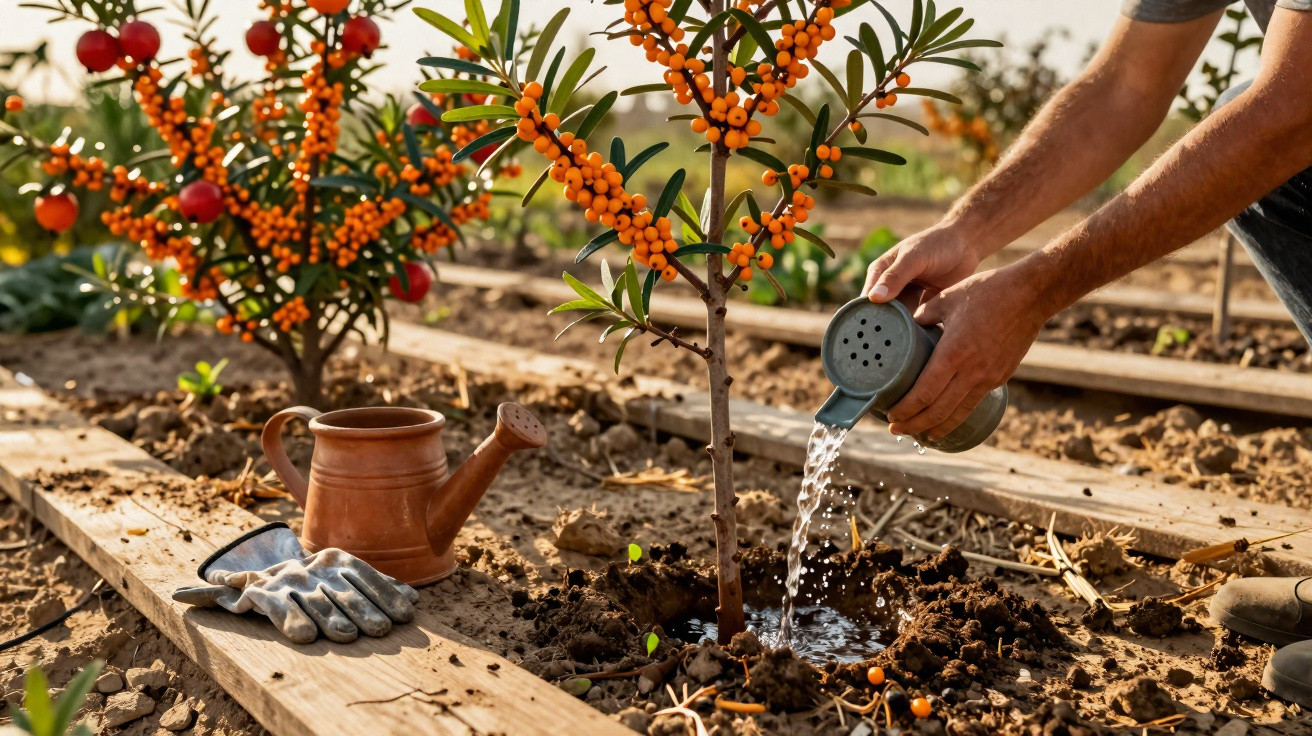
- give it 5 to 10 litres of water immediately after planting,
- finish by spreading a layer of organic mulch, around 5 cm deep, around the root ball.
This mulch retains moisture in the soil, protects against temperature fluctuations and encourages soil life – a genuine comfort package for a new arrival in the bed.
Lucky charm for the balcony: holly in a pot
Not everyone has a garden. However, this shrub also grows exceptionally well in a container, making it an appealing option for urban balconies or small patios.
| Aspect | Recommendation |
|---|---|
| Pot size | Diameter 30–40 cm, depth 30–40 cm, with drainage holes |
| Substrate | 20–30 litres of high-quality, well-draining container compost |
| Position | Bright but not in blazing sun all day, sheltered from wind |
| Watering | Keep evenly moist, avoid waterlogging, check more often in summer |
On a balcony in particular, its evergreen canopy provides structure throughout winter. In summer, the plant creates pleasant privacy screening without appearing too bulky. Those with limited space should choose compact varieties that naturally remain smaller.
Care: little effort, strong results
Once established, this shrub is one of the easier garden residents to maintain. Usually, a single shaping trim each year is enough.
- Pruning: In late winter or very early spring, remove dead branches, cut back bent shoots and lightly thin the canopy.
- Water: In a bed, water only during prolonged dry periods after the first year. Check container plants more regularly, as their compost dries out faster.
- Feeding: In open ground, a thin layer of compost in spring is generally sufficient. In a pot, apply a balanced slow-release fertiliser once per season.
"You are doing exactly the right thing if you do not constantly 'pamper' the shrub – it likes things robust, not overfed."
Take care around children and pets
As attractive as the red berries are, they are not intended for eating. Larger quantities can cause gastrointestinal discomfort, especially in children and sensitive pets such as dogs or cats.
Sensible protective measures include:
- do not position shrubs immediately beside play areas used by young children,
- collect fallen berries regularly in heavily used spaces,
- if pets are especially curious, consider low-berry varieties or choose the position carefully.
At the same time, the berries are a sought-after winter food source for birds. Planting the shrub in a slightly raised position can therefore support wildlife while reducing the risk for young children nearby.
Choosing and buying the right variety
From dwarf shrubs for containers to substantial garden specimens, the selection is vast. Local nurseries and garden centres generally offer a wide range in late winter, often with pre-orders available as early as February.
Points worth considering include:
- Growth height: will the variety stay below 1.5 metres, or develop into a large shrub?
- Leaf shape: heavily spined leaves are more suitable for hedging, while smoother varieties work well in family gardens.
- Fruiting: for lots of berries, choose female varieties with reliable fruiting and suitable male partners.
- Origin: regional varieties suited to the site support local wildlife and often cope better with local climate conditions.
More than decoration: symbolism and practical everyday benefits
Many people underestimate how strongly a consciously chosen plant can affect their mood. An evergreen shrub in view at breakfast or on the way home can become a fixed point of reference. Those who associate the planting with a personal event – moving home, a new year or a career fresh start – often experience this effect particularly strongly.
In practical terms, the shrub offers several advantages at once:
- year-round structure in the garden or on the balcony,
- privacy screening without overwhelming the space,
- a food source and shelter for birds and insects,
- a natural "lucky charm" that recalls personal goals.
Anyone wishing to reinforce the idea of a new beginning can combine the planting with other spring projects: a small herb bed beside the shrub, a new birdhouse nearby or a bench from which the area can be enjoyed. This creates a space that is not only attractive, but is consciously seen as a "future corner" at home.

Comments
No comments yet. Be the first to comment!
Leave a Comment