
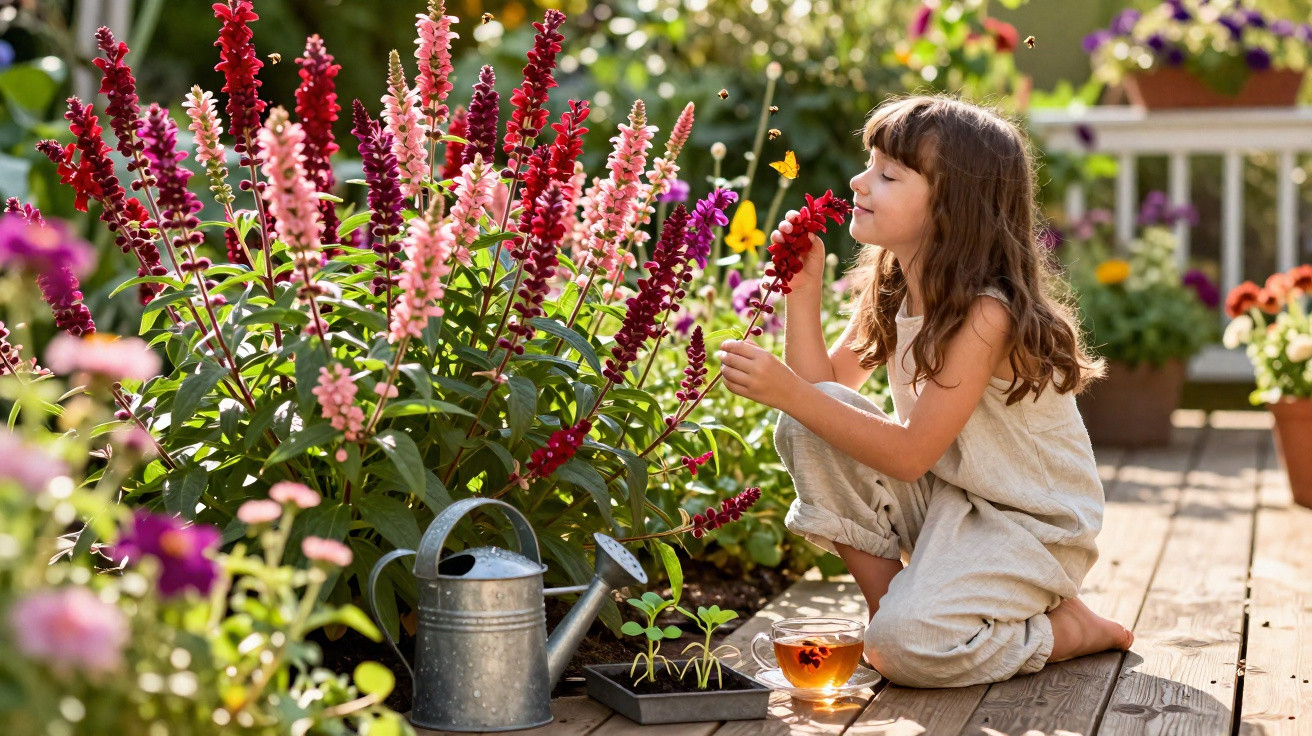
In spring, much of the garden can still look rather bleak: bare soil, short shoots and little colour. However, planning wisely now lays the foundations for a summer display filled with fragrance, colour and insect activity. One somewhat overlooked perennial takes centre stage, offering a scent reminiscent of a cup of Earl Grey and flowers that can turn even the simplest border into a showpiece.
The overlooked queen of summer: what makes Monarda so special
The plant in question is Monarda, often sold as bee balm or bergamot. This clump-forming perennial reaches around 70 to 90 centimetres in height and produces striking flower heads in rich red, pink or purple during high summer. Resembling tiny crowns or feathered headdresses, its blooms are a real focal point, even in a modest border.
Its fragrance is even more intriguing. When crushed, the foliage has a distinct Earl Grey tea scent, combining citrus, mint and a lightly spicy note. Anyone sitting on the patio on a summer evening will soon notice the breeze carrying these aromas their way.
Monarda transforms even a simple border into a fragrant summer retreat – with an aroma straight from the teapot and flowers for bees and butterflies.
Monarda generally flowers from July well into September. This fills an important gap after many spring and early-summer plants have finished blooming. It is particularly valuable for pollinating insects: bees, bumblebees and butterflies are almost irresistibly drawn to it.
Why April is the ideal month to plant Monarda
For the full Monarda effect in high summer, planting should begin in April. By then, the soil has warmed slightly while still retaining pleasant moisture. This combination enables the perennial to form new roots quickly and establish itself firmly in the ground.
There is another benefit: the plants have several months to settle in before the first major spells of heat and drought arrive. As a result, they grow more strongly, flower more generously and cope far better with short dry periods.
The best position: sun, partial shade and a way to avoid waterlogging
Monarda thrives in a bright position. Full sun is ideal, although a site in light partial shade also works well, such as beside tall perennials or an open, airy shrub. The key is soil that remains evenly fresh without becoming waterlogged.
- Light: sun to light partial shade
- Soil: humus-rich, loose, evenly moist and well drained
- Climate: hardy to around -20°C, making it suitable for most regions of Central Europe
Heavy clay soils can be more troublesome because water tends to sit in them. If this is the soil in your garden, mix in plenty of coarse sand or fine gravel and incorporate a generous amount of compost. This creates a looser structure in which roots have access to air while rainwater can still drain away properly.
How to plant Monarda correctly in a border
To create a balanced display, avoid placing the perennials too close together. A gap of 40 to 50 centimetres between plants has proved effective. It promotes air circulation and reduces the likelihood of fungal diseases.
- Loosen the soil to the depth of a spade, removing stones and old root material.
- Work in mature compost or well-rotted farmyard manure.
- Dig a planting hole large enough to accommodate the root ball comfortably.
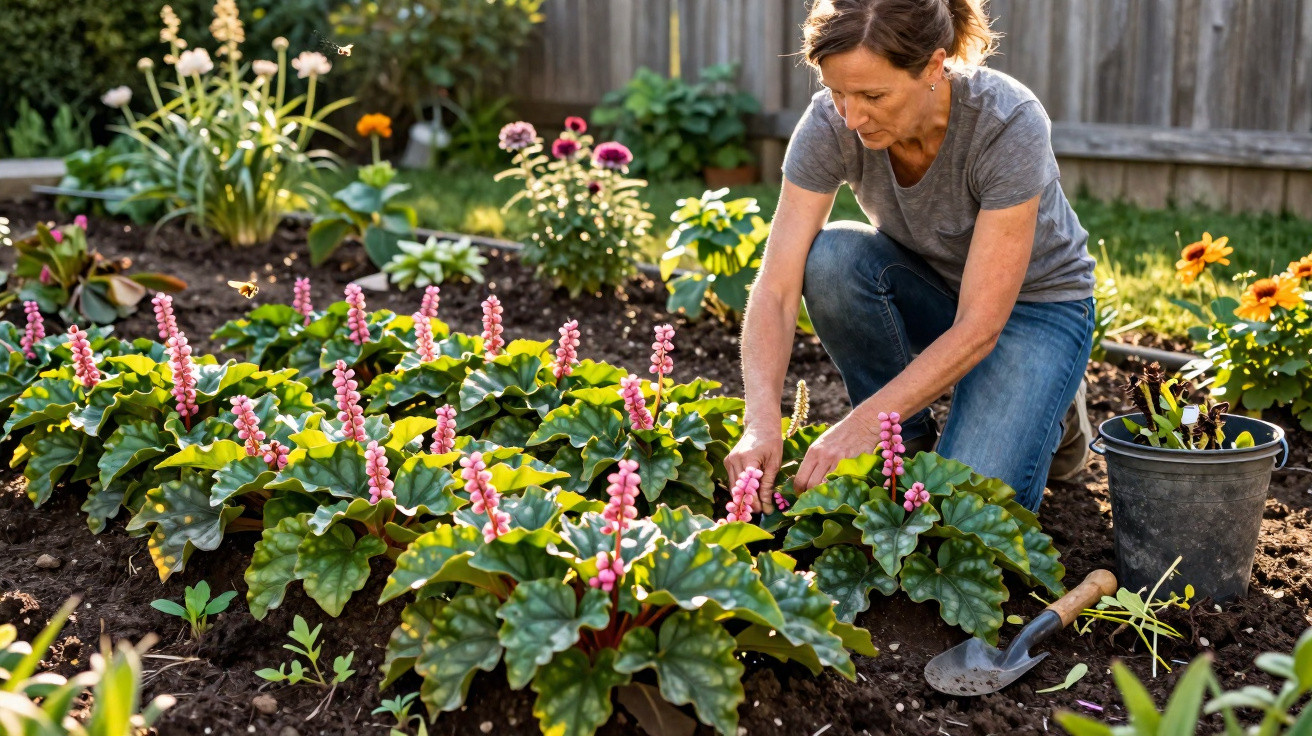
- Plant the Monarda at the same depth as it was in its pot, then fill any gaps with soil.
- Water thoroughly, then mulch the soil around the plant.
Slightly dried grass clippings, shredded prunings or a thin layer of bark mulch are all suitable mulches. This covering keeps the soil moist for longer and suppresses some weeds.
Monarda in containers: a fragrant haven for balconies and patios
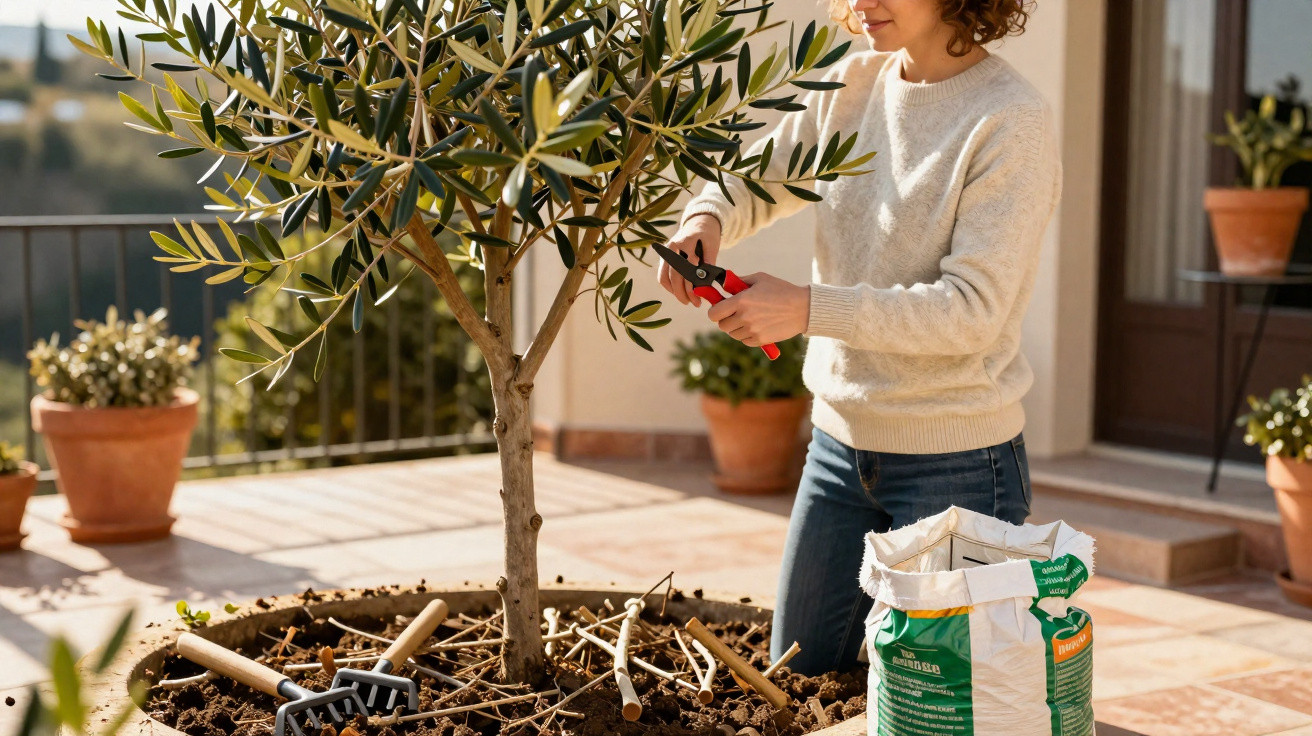
Those without a garden do not have to miss out. Monarda also grows well in a pot, provided the container is sufficiently large. A volume of at least 15 to 20 litres is recommended, and more is even better so the roots have room to develop.
For container-grown plants:
- Ensure there are drainage holes, as waterlogging is fatal.
- Use a loose growing medium made from good-quality compost and potting compost.
- Water regularly in summer, as containers heat up and dry out more quickly.
- Feed with a liquid fertiliser every two to three weeks, particularly from May to August.
A pot of Monarda near a seating area provides more than fragrance: its essential oils also deter some mosquitoes, which is a welcome side benefit on warm evenings.
Year-round care: little effort, long-lasting enjoyment
In open ground, Monarda is among the easier perennials to grow. Regular watering is only necessary during prolonged dry spells, particularly in the first few years and on very light, sandy soils. Once established, the plant generally handles occasional dryness well.
Key care tasks at a glance:
- Summer: remove faded flower heads to encourage fresh buds.
- Autumn: cut the stems back close to ground level once the plant has died back.
- Spring every few years: divide the clumps and replant them elsewhere to keep the perennial vigorous.
Dividing naturally creates new plants, which can be used to fill gaps in the border. If desired, spare divisions can be passed on to friends or neighbours, allowing Monarda to spread quickly from garden to garden.
Powdery mildew: how to keep Monarda foliage healthy
The most common issue is powdery mildew, also known as Oidium. It appears as a whitish coating on the leaves, especially in warm, humid weather. Affected leaves turn yellow and become unattractive.
Good airflow, the right site and sparing watering at soil level are the best “insurance” against powdery mildew on Monarda.
Preventative measures include:
- Do not plant too closely together; air needs to circulate between the stems.
- Avoid permanently wet, heavy soils.
- Water only at the base of the plant, rather than over the foliage and flowers.
- Cut away badly affected shoots and dispose of them with household waste.
Mulching regularly and maintaining an even water supply helps strengthen the plants. Robust Monarda is less susceptible and recovers more quickly.
From perennial to teacup: using Monarda in the kitchen
One particular advantage of this perennial is that both its leaves and flowers are edible. They have a strong, gently lemony and spicy flavour, making them excellent for tea and imaginative cooking.
Popular uses include:
- Tea: pour hot water over fresh or dried leaves, much as you would with mint.
- Summer drinks: add a few leaves to cold water or lemonade and leave them to infuse briefly.
- Cooking: scatter flowers over salads or desserts as colourful decoration.
- Syrup: simmer leaves and flowers, then process them with sugar into an aromatic syrup.
For storing, leaves and flowers can be dried in an airy, shaded place. Kept in tightly sealed jars, they retain their aroma for several months. This allows a touch of summer to carry through into autumn and winter.
Combining Monarda cleverly: colour contrasts and an insect magnet
Monarda is especially effective in a perennial border when combined with other summer-flowering plants. Yellow coneflowers, purple asters and white airy flowering plants provide strong contrast and show off its unusual flower shapes particularly well.
Anyone prioritising insect-friendly planting can add lavender, catmint or sage around the Monarda. This creates a ribbon of nectar-rich plants that attracts abundant insect activity throughout summer. At the same time, the fragrance spreads across the garden, creating a pleasantly aromatic atmosphere.
In smaller gardens, a narrow strip along the patio edge or a path is worthwhile. Just a few plants are enough to release a hint of tea and summer herbs each time you walk past.
What new gardeners should know
Anyone growing Monarda for the first time should begin with a robust variety from a specialist nursery. These are usually bred for sturdy growth and improved resistance to powdery mildew. A conversation with the nursery can help identify which varieties have performed well in the local area.
One further practical point: Monarda emerges relatively late. In spring, the area can appear empty for a long time even though the perennial is already in the soil. Many amateur gardeners accidentally dig up plants because they assume nothing is growing there. Marking their position with small canes or using edge planting helps avoid this confusion.
Anyone who invests a little time in April choosing the site, improving the soil and providing initial care will be rewarded in the months that follow with a garden that smells more intensely, feels more alive and offers colour well into autumn – thanks to a perennial that often only stands out at second glance, but soon becomes difficult to imagine being without.

Comments
No comments yet. Be the first to comment!
Leave a Comment