
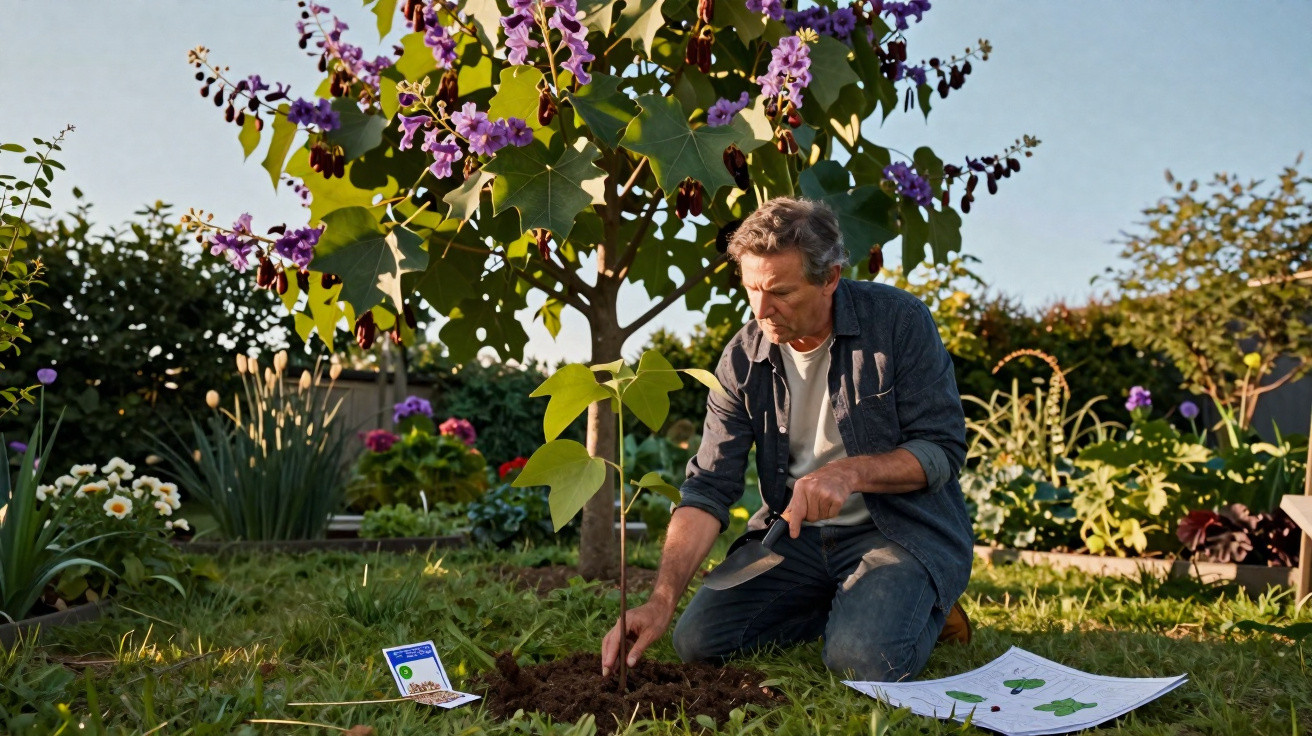
The Paulownia, often known in German as the blue bell tree, is appearing ever more frequently in garden centres, plant swaps and online forums. Its promises sound enticing: exceptionally rapid growth, spectacular flowers and a supposed climate benefit. At the same time, botanists and conservationists are increasingly raising concerns. So what can this tree genuinely offer, and what are the potential pitfalls?
A “wonder tree” that raises expectations
The blue bell tree has enjoyed a remarkable rise in popularity across Europe in recent years. It originates in East Asia, particularly China and Japan, where its timber has long been valued for being lightweight, strong and easy to work. In European gardens, it was once mainly seen as an exotic specimen in arboreta and parks. That is now changing quickly.
For many gardeners, speed is the main attraction. Given the right conditions, Paulownia trees may grow by one metre or even several metres a year. Some gardeners report that a tree only four years old already stands taller than their garage roof. Anyone wanting fast-growing shade for increasingly hot summers can easily see the appeal.
The blue bell tree grows quickly and flowers spectacularly – and that is precisely why it raises ecological questions.
Its appearance adds to the attraction. In spring, before the leaves emerge, the branches carry dense clusters of scented, lilac-coloured bell-shaped flowers. Bees and other insects readily visit them. Later in the year, the huge heart-shaped leaves create a canopy with an almost tropical character.
How the climate benefit is fuelling the Paulownia trend
A key claim made by Paulownia sellers is that the tree absorbs especially large quantities of carbon dioxide, making it an ideal “climate tree”. The argument is that its exceptional growth rate produces wood and leaves more quickly, allowing it to store more CO₂ than slower-growing species – at least over a certain period.
Several specialists do confirm that particular cultivated varieties can achieve comparatively high growth rates. Studies have recorded favourable CO₂ sequestration figures per hectare, especially in intensively managed plantations with short rotation periods.
However, organisations including the Food and Agriculture Organization of the United Nations and European environmental authorities caution against such a simplified calculation. One tree cannot solve the climate crisis. Important climate considerations include:
- the lifespan of both the tree and its timber
- soil quality and soil health
- water use and drought stress
- its integration within a diverse ecosystem
- how the timber is used and ultimately disposed of
Focusing solely on rapid growth overlooks many of these points. This is where many ecologists’ reservations begin.
Garden experience: spectacular, but demanding
Among amateur gardeners, experiences are mixed. In some cases, the blue bell tree really can grow with astonishing force. Thick shoots, enormous leaves and a surprisingly substantial trunk lead many people to describe a “jungle feeling” after only a few years.
Yet the same disappointment is often reported: not every tree lives up to the grand promises made in catalogues. The reason is usually the site. Paulownias are more demanding than some promotional brochures imply.
What the blue bell tree actually needs
For the tree to achieve its full growth potential, its position should meet several requirements:
| Factor | Blue bell tree requirement |
|---|---|
| Light | Full sun, with no permanent shade from buildings or other trees |
| Soil | Deep, loose soil that is fairly rich in nutrients |
| Drainage | No waterlogging; water must be able to drain away freely |
| Climate | A preferably sheltered location, as late frosts can damage young shoots |
| Space | Ample room upwards and outwards, with no immediate proximity to house walls |
If planted in heavy, persistently damp clay soil, growth may stall or the tree may become unhealthy. In permanent partial shade, its turbocharged growth often fails to materialise. Gardeners report limited growth and sparse crowns despite glowing marketing claims.
Less root trouble than bamboo – but not risk-free
One advantage frequently attributed to the blue bell tree is that its roots are considered less aggressive than running bamboo. Many neighbour disputes begin when bamboo rhizomes push beneath fences, paths and patios. Although Paulownia develops a strong root system, it generally remains far more localised.
For homeowners, this means there is less risk of the tree suddenly appearing in a neighbour’s lawn. Even so, it should not be planted directly beside pipes, paved surfaces or very close to a house. Any large tree requires a sensible clearance distance.
When “fast” becomes “too much”: spread by seed
Another concern rarely mentioned in sales material, but increasingly discussed by specialists, is unintended spread through seed. The species Paulownia tomentosa in particular produces a great many seed capsules. In mild areas, young plants may establish themselves along roadsides, railway embankments or on derelict land.
Whether the blue bell tree is considered problematic depends heavily on the region. In some parts of central Europe, its spontaneous spread remains limited, while botanists elsewhere are recording increasing numbers of wild populations. Anyone planting one should at least check whether it appears on local warning or monitoring lists.
A single tree in a garden is rarely a disaster – the problem begins when a species escapes on a large scale or is planted extensively.
The danger of monoculture: when a trend becomes a plantation
Specialists are particularly concerned not by individual garden trees, but by large-scale planting. Paulownia plantations for timber, biomass or supposedly “climate-neutral” projects are already being established in some countries. If almost nothing but this one tree species is planted, the familiar problem of monoculture arises.
Monocultures are vulnerable to pests, fungal diseases and extreme weather. If a suitable pest arrives, or the climate shifts faster than expected, entire stands can fail at once. This is a scenario already known from spruce forests, which have suffered widespread damage from bark beetles.
The International Union for Conservation of Nature and other organisations regularly stress the importance of species-rich planting. Mixed stands cope better with disruption, provide more habitats and reduce risk. Anyone intending to produce timber with Paulownia should therefore never rely on it as the sole species over large areas.
Paulownia in a private garden: useful when part of a wider plan
In a traditional family garden, the blue bell tree can still be an asset. It provides shade quickly, produces an impressive spring display and looks almost exotic thanks to its oversized leaves. Many children enjoy creating a play area beneath its canopy.
Garden advisers nevertheless recommend incorporating it thoughtfully rather than making it the only feature. A balanced planting scheme could include:
- one individual Paulownia as a striking specimen tree
- native shrubs around it, such as hazel, cornelian cherry or elder
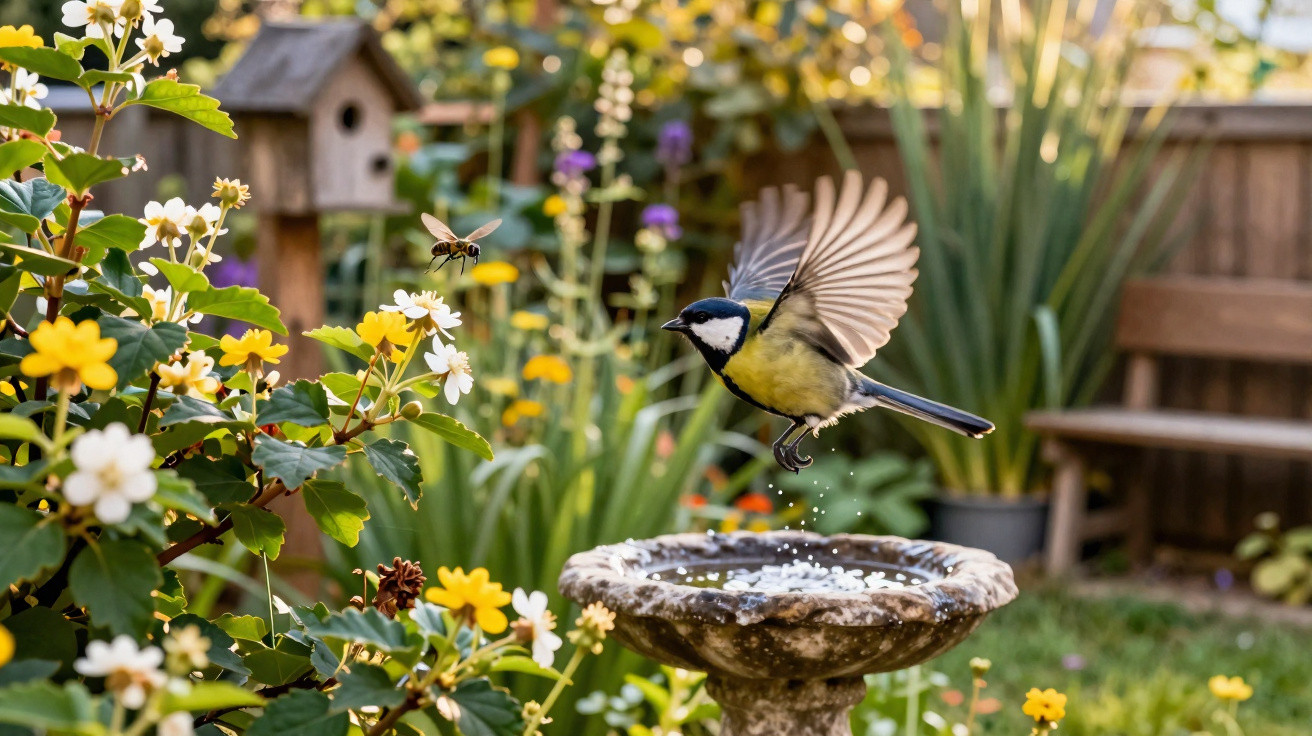
- perennials and wildflowers as food sources for insects
- at least one additional tree of another species, for example field maple or a fruit tree
This creates a garden rich in structure, with different flowering seasons, fruit for birds and varied habitats. The blue bell tree then makes its contribution without dominating the whole picture.
Practical advice for anyone joining the trend
Anyone considering planting a Paulownia can benefit from a few straightforward principles:
- Check locally: Ask the local authority, environmental body or conservation organisation how the tree is assessed in your area.
- Choose a reliable source: Buy young plants from reputable nurseries, and ensure the species and variety are correctly identified.
- Select the site carefully: Allow enough space, choose full sun and suitable soil, and consider arranging a soil test beforehand if necessary.
- Protect it while young: Guard against late frosts and burrowing animals during its first few years, and water regularly.
- Monitor flowers and seed: Anyone concerned about unwanted self-seeding can remove fruiting heads in good time.
A little background knowledge can prevent disappointment. Those expecting every Paulownia to deliver record-breaking results in all conditions are likely to be dissatisfied. Those who instead regard it as an interesting but demanding tree among many will usually make better choices.
Why “tree miracles” appeal to us so strongly
The story of the blue bell tree also shows how strong the desire for quick solutions has become. Climate crisis, heatwaves and drought lead many people to look for a simple lever: plant once, and part of the problem is solved. Marketing claims draw on this longing.
In reality, less dramatic choices often deliver the greatest value: native trees, suitable shrubs, undisturbed corners for wild plants and careful water use. A Paulownia can fit into this approach when used thoughtfully – as one component, rather than a cure-all.
Anyone wanting to make their garden resilient to climate change over the long term should therefore think more broadly. Which species can cope with drought? Which ones provide food for insects, nesting opportunities for birds and shade for people at the same time? The blue bell tree may have a place on that list, but it should never be the only entry.

Comments
No comments yet. Be the first to comment!
Leave a Comment