

With the first mild days of spring, not only does barbecue season begin, but so does the peak period for blood-sucking pests. Ticks wait in the lawn, while mosquitoes gather around every light source. Many people immediately reach for sprays and chemical products. Yet one modest plant on a patio or balcony can noticeably reduce the nuisance – without using harsh treatments.
Why your garden suddenly becomes a tick and mosquito paradise in spring
As soon as temperatures reach around 10 to 15 degrees, mosquitoes return. At first, they appear only sporadically in March or April; by high summer, they seem to be everywhere, especially near water and tall grass. Ticks become active even earlier: from roughly 7 degrees, they wait for a host in lawns, hedges and wildflower strips.
A typical family garden offers ideal conditions for them:
- slightly overgrown lawns and dense hedges that provide tick hiding places
- undergrowth or a partially shaded strip along the fence
- saucers beneath flowerpots containing leftover water
- a water butt without a tightly fitting lid
- buckets or watering cans in which rainwater is left standing
To us, these things may seem harmless. To ticks and mosquitoes, they are an all-inclusive buffet – complete with dogs, cats, playing children and guests at the barbecue.
Even a puddle in a flowerpot saucer is enough for mosquitoes to lay eggs – and just a few days later, the next generation is buzzing around your garden table.
Many garden owners respond by cutting the lawn extremely short and using chemical sprays. While this may temporarily reduce the number of pests, it also removes structure from the garden and harms beneficial insects such as bees and ladybirds. A much gentler approach is the targeted use of certain scented plants.
The overlooked anti-tick and mosquito plant: lemony fragrance instead of pesticide spray
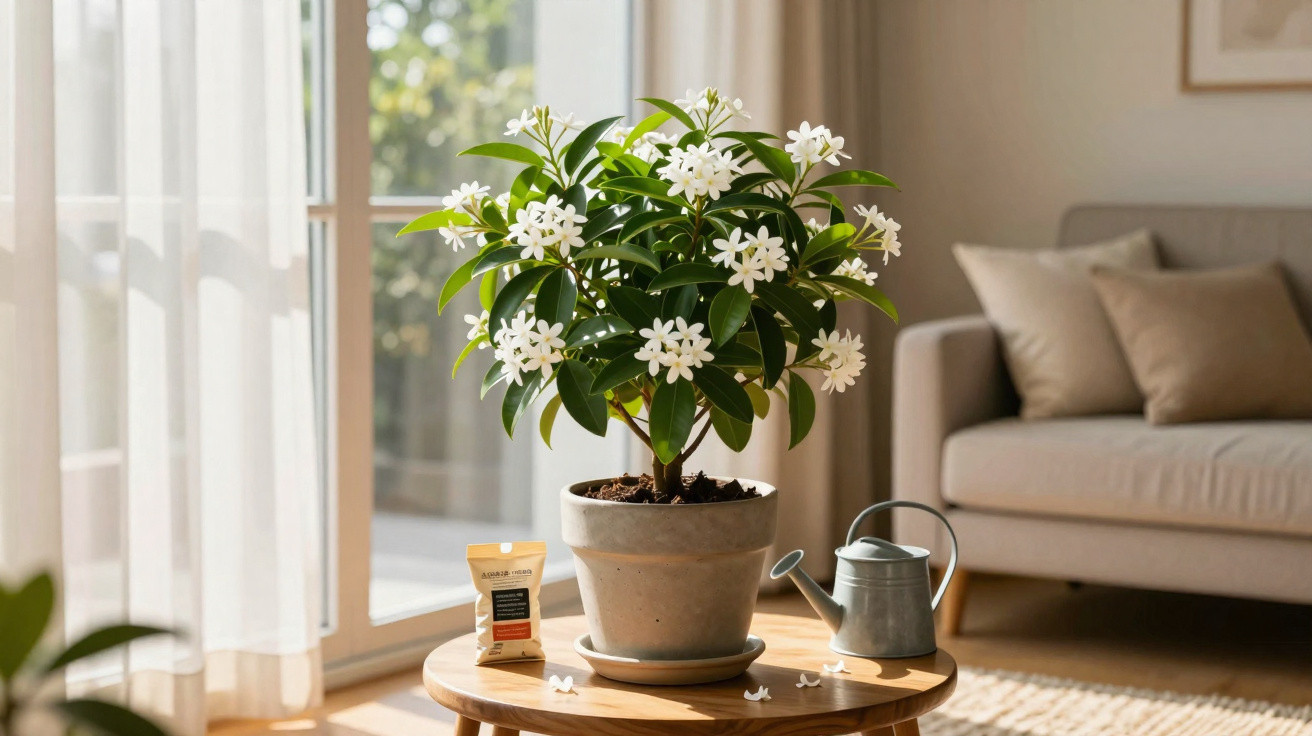
One particularly interesting option is the so-called lemon geranium type, often sold as “lemon geranium” or “lemon-scented geranium”. Botanically, it belongs to the scented pelargoniums. These plants are known less for their flowers than for their aromatic foliage.
Their leaves are deeply cut, a rich green colour and release an intense lemon scent when touched. We tend to find this fragrance fresh and pleasant, whereas many insects find it disruptive. That is precisely what makes this plant so useful for patios, balconies and garden seating areas.
The leaves contain, among other compounds, the fragrances geraniol and citronellol. Both are also found in many commercially available so-called “natural” insect sprays. Laboratory and field trials suggest that high concentrations of geraniol can keep both ticks and mosquitoes at a considerable distance.
Studies show: Geraniol can reduce the number of ticks that attach themselves by well over half – similarly strong deterrent effects have been measured in mosquitoes.
Naturally, the plant alone does not provide 100% protection. However, it creates a kind of scented disturbance cloud around a patio or balcony. Insects settle there less often, remain for less time and move on more quickly.
How to position lemon geraniums for maximum protection
In central European gardens, growing the plant in a pot is generally the best option, as severe frost can damage it. Clever placement can make its effect noticeably more apparent, particularly on warm evenings.
The best position in the garden or on the balcony
- Position: sunny to partially shaded, sheltered from wind
- Container: a pot or planter with drainage holes
- Growing medium: nutrient-rich, loose and well-drained soil
- Planting time: from March/April, once severe frosts are no longer expected
The plant works best around seating areas. Particularly useful locations include:
- a row of pots along the edge of the patio
- planters beside the garden entrance door
- plants on low window sills, for example near patio doors
- one large planter placed directly beside an outdoor dining table
Before a barbecue evening, rub a few leaves between your fingers. This briefly intensifies the fragrance. The released scent compounds spread through the layer of air around the seating area.
Using it on the skin: what is acceptable and where care is needed
Many gardeners instinctively rub a crushed leaf onto their skin. This may work, but it can also pose risks for people with sensitive skin. Small tests and extra caution around children are the more sensible approach.
- First apply a very small amount to an inconspicuous patch of skin
- Watch closely for reactions such as redness, itching or burning
- Avoid direct skin contact if you have a known fragrance allergy
- Wherever possible, do not apply essential oils directly to babies or young children
Anyone wanting to use the plant-based active ingredient more intensively will often choose an essential-oil version from a pharmacy or specialist retailer. It should always be heavily diluted and never applied carelessly. Pregnant women, young children and pets can be particularly sensitive to concentrated fragrances.
These additional steps will make your garden far less mosquito-friendly
The best results come from combining the plant with a few straightforward garden routines. This removes key habitats from blood-sucking pests.
- Avoid collections of water: Empty saucers regularly, cover water butts and tip over watering cans when they are not being used.
- Do not let the lawn become overgrown: A moderately short lawn reduces tick hiding places without turning the garden into a “golf-course wasteland”.
- Keep paths clear: Cut back grasses and shrubs along walkways so ticks are less likely to come directly into contact with legs and dogs’ coats.
- Use clothing: When walking in woodland, wear long trousers and closed shoes, and pull socks over trouser legs.
- Check your body after being outdoors: After spending time in tall grass, carefully check skin and scalp for ticks.
Lemon geranium noticeably reduces the number of bites – and combining it with simple everyday routines substantially improves protection in the garden.
What you need to know about caring for lemon geraniums
For the plant to develop its full fragrant strength, it needs a little attention, but it is not particularly demanding. Regular watering is usually sufficient, provided waterlogging is avoided. During exceptionally hot summer weeks, it benefits from being checked daily.
A liquid fertiliser for flowering plants every two to three weeks supports growth and fragrance production. Wilted leaves and flowers can simply be pinched off. If you want to keep the plant compact, lightly trim back long shoots – this also encourages branching.
In autumn, as temperatures approach freezing point, move the pots indoors or into a frost-free conservatory. A bright, cool place at 5 to 10 degrees is well suited. The following spring, the plant will be ready to begin another protection season.
How much can you rely on this natural protection?
The plant’s fragrance compounds do have an effect, but they are not a magic shield. On evenings with very high mosquito numbers, near larger bodies of water or in genuine tick areas, plant power alone will usually not be enough. Additional protection remains sensible in these situations, such as long clothing or a tested repellent spray.
There is also an interesting psychological effect: many people feel more relaxed when they have a visible “protective plant” and spend time outdoors more often again. That is, after all, the purpose of a garden – sitting outside, taking a breath and letting children play without constantly worrying about tick bites or itchy mosquito bites.
If space allows, you can plant other fragrant companions around the lemon geranium, such as lavender or certain types of sage. This blend of scents disrupts many insects in two ways while also providing food for bees and bumblebees. The result is a garden that protects people without excluding beneficial insects.



Comments
No comments yet. Be the first to comment!
Leave a Comment