
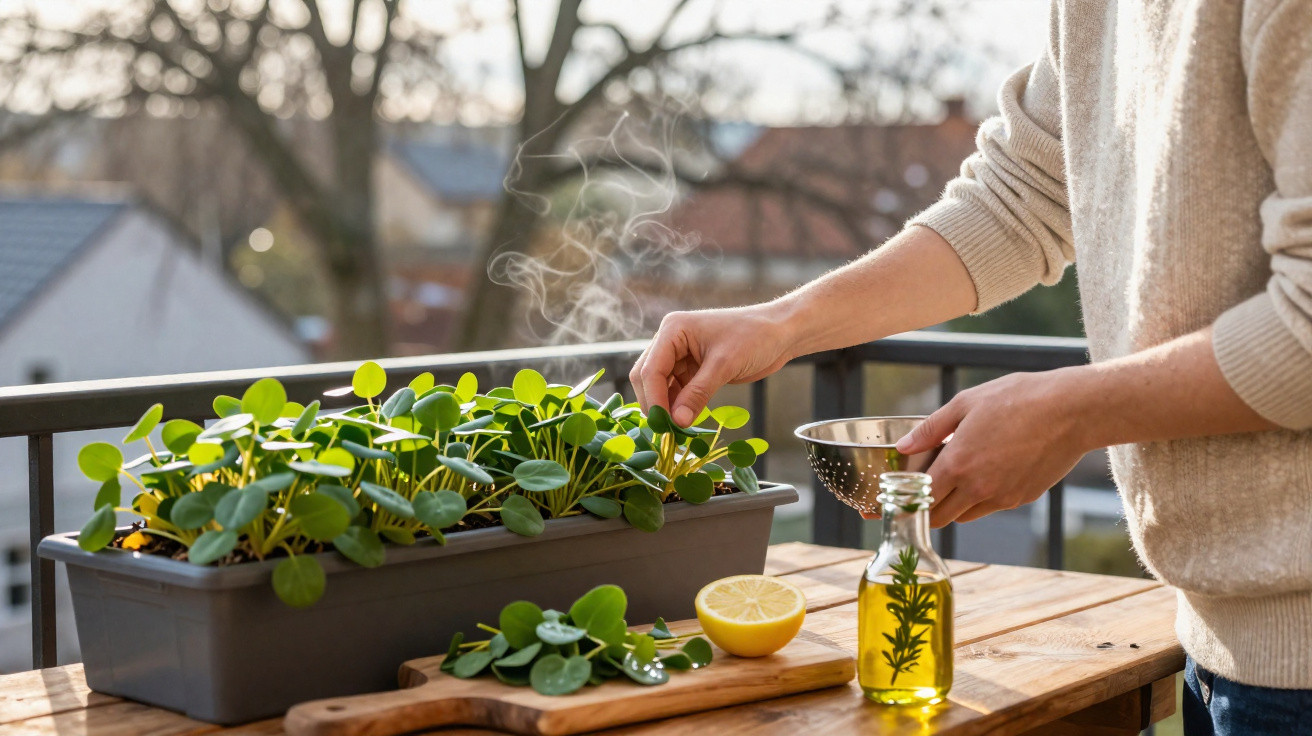
While lettuce, tomatoes and cucumbers are still some way off, a delicate wild herb is already filling the first beds and woodland edges: winter purslane, also known as plate herb or winter postelein. Anyone who notices it properly for the first time may wonder why this “March wonder” is not already growing in every garden – and appearing on every plate.
What is really behind the unassuming plate herb
Winter purslane (Claytonia perfoliata) is among the year’s earliest sources of green vitamins. It produces small, succulent leaves that resemble miniature plates, which is where the name plate herb comes from. Unlike much conventional supermarket veg, it emerges straight from cold soil and is full of freshness.
“Winter purslane provides fresh green leaves in late winter and early spring, when beds would otherwise often be empty.”
The herb offers a nutrient combination that is particularly valuable during the low-light months:
- high levels of vitamin C
- minerals such as magnesium and iron
- secondary plant compounds with anti-inflammatory effects
Rather than being imported vegetables that have travelled long distances, winter purslane can grow right outside the door. It is difficult to get fresher than that, and this is precisely what matters: the shorter the route from bed to kitchen, the more nutrients are retained.
Why plate herb thrives in winter
Winter purslane’s key advantage is its hardiness. While other plants require protection in a cold frame or greenhouse, this herb copes remarkably well with cold conditions.
How winter purslane withstands cold and frost
- Its seeds require cool conditions before they can germinate.
- Growth begins at temperatures only just above freezing.
- Plate herb tolerates damp air and wet soil well, conditions that place many crops under stress.
From January onwards, and by March at the latest, its green leaves appear along paths, in damp meadows, beside garden walls and in vegetable beds. Anyone who sowed in autumn can harvest at a time when most other crops are still at the planning stage.
How to grow winter purslane easily in your garden
Anyone with a garden, balcony or even just a bright windowsill can grow plate herb with very little effort. Expensive specialist compost and fertiliser are unnecessary.
Step-by-step guide for beginners
- Choose the sowing time: October to February is ideal. The seeds can safely be exposed to cold weather.
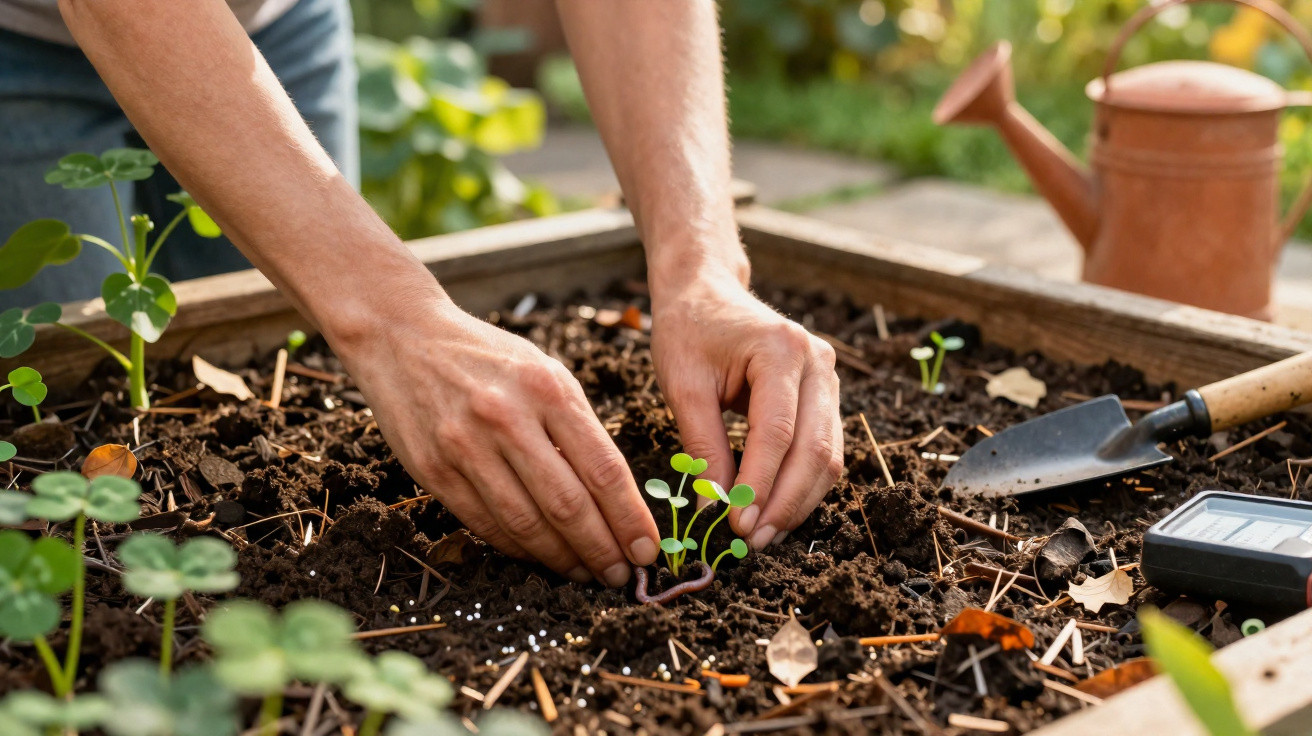
- Sow the seeds: Scatter them broadly over the soil and cover them only very lightly. Plate herb needs light to germinate.
- Find a position: Choose partial shade to full sun, preferably with a little moisture. A small pot is enough for a windowsill.
- Water: Keep the compost evenly moist, but avoid waterlogging. A watering can with a fine rose is useful.
- Harvest: After around 4–6 weeks, cut the leaves just above soil level with scissors. The plant will grow again.
“Anyone who sows again every two to three weeks can harvest fresh plate herb throughout late winter and spring.”
Conveniently, the short growing period means winter purslane fits perfectly between other vegetable crops. It can occupy a bed in March that will later be planted with tomatoes, peppers or courgettes.
A vitamin-rich addition to the plate: kitchen ideas
In flavour, winter purslane is reminiscent of a mild blend of lamb’s lettuce and young spinach, with a subtle nutty note. This makes it easy to pair with many ingredients, from everyday meals to more refined dishes.
Familiar dishes and unexpected combinations
- Fresh salad: Use plate herb as the base, then add apple pieces, walnuts, a little goat’s cheese and a simple oil-and-vinegar dressing.
- Green smoothie: Blend a handful of leaves with banana, pear and water or plant-based milk.
- Soup topping: Scatter it over potato or vegetable soup just before serving for colour and freshness.
- Pesto alternative: Blitz the leaves with nuts, garlic, salt and oil; serve it with pasta, spread it on bread or add it to roasted vegetables.
- With eggs: Sprinkle it over scrambled eggs or an omelette once it is on the plate, so that the leaves remain crisp.
As the leaves are very tender, they should only be washed shortly before eating. A quick rinse in cold water is sufficient; then drain them thoroughly. The herb does not keep well for long, so the ideal route is straight from the bed to the kitchen.
A medicinal bonus: what plate herb can offer in the home remedy cupboard
Traditionally, herbal practitioners have used winter purslane not only as food but also as gentle support for health.
| Property | Possible benefit |
|---|---|
| high vitamin C content | supports the immune system, particularly during cold season |
| secondary plant compounds | may help to reduce inflammatory processes in the body |
| fibre-rich green leaves | gently stimulates digestion and supports metabolism |
| external use of the leaves | leaves placed on the skin may soothe irritated areas |
Anyone feeling run-down can benefit from fresh, nutrient-rich food. This is exactly when a generous plate of winter purslane, a little good oil and an egg or pulses as a source of protein can be worthwhile.
Mini vegetables and sprouts: combining plate herb cleverly
Space is limited for many city dwellers. Even so, it is possible to grow a surprising amount of fresh produce with simple equipment. Plate herb combines well with other “mini vegetables” that likewise need little room and grow quickly.
What works well together on a windowsill or balcony
- cress in shallow trays
- radish leaves as microgreens
- broccoli sprouts in sprouting jars
- winter purslane in pots or balcony planters
By starting different seeds at staggered intervals, you can harvest fresh green leaves almost continuously: plate herb for salads, sprouts for sandwiches and bowls, and cress as a peppery topping. A few containers on the windowsill can therefore become a small vitamin factory.
How to identify winter purslane safely
When foraging in the wild, the rule is simple: pick only plants that you can identify beyond doubt. Plate herb can be recognised by its characteristic growth habit.
- delicate, pale-green leaves that initially form a rosette close to the ground
- later, a stem with a round leaf encircling it like a small plate
- very fine white flowers positioned in the centre of these “plates”
If in doubt, use an identification guide for native wild herbs or attend a course led by specialists. For beginners, growing it in their own pot is often the more relaxed option, as you know exactly what is growing.
Why this March herb outperforms supermarket vegetables
In a direct comparison, winter purslane has several clear advantages:
- Seasonal rather than stored: It grows when other crops are taking a break.
- Freshness without detours: It travels directly from the bed to the kitchen, with no long transport routes.
- Easy to care for: It requires little work, no intensive fertilising and has a short growing period.
- Versatile: It can be eaten raw, heated briefly, used as the main ingredient or added as a delicate extra.
- Space-saving: It is suitable for small beds, raised beds, balcony planters and windowsills.
“Anyone with plate herb in the garden in March saves money, conserves resources and gets a freshness that no refrigerated supermarket shelf can provide.”
For anyone wishing to become less dependent on the supermarket, winter purslane is an ideal starting point. The plant forgives mistakes, grows quickly and rewards growers with a harvest that can be seen and tasted after only a few weeks.
There is also an environmental aspect worth considering: choosing native, hardy crops such as plate herb during the cold season can significantly reduce the need for imported fresh vegetables. Less transport, less packaging and more regional greenery benefit not only the body, but the environment too.

Comments
No comments yet. Be the first to comment!
Leave a Comment