
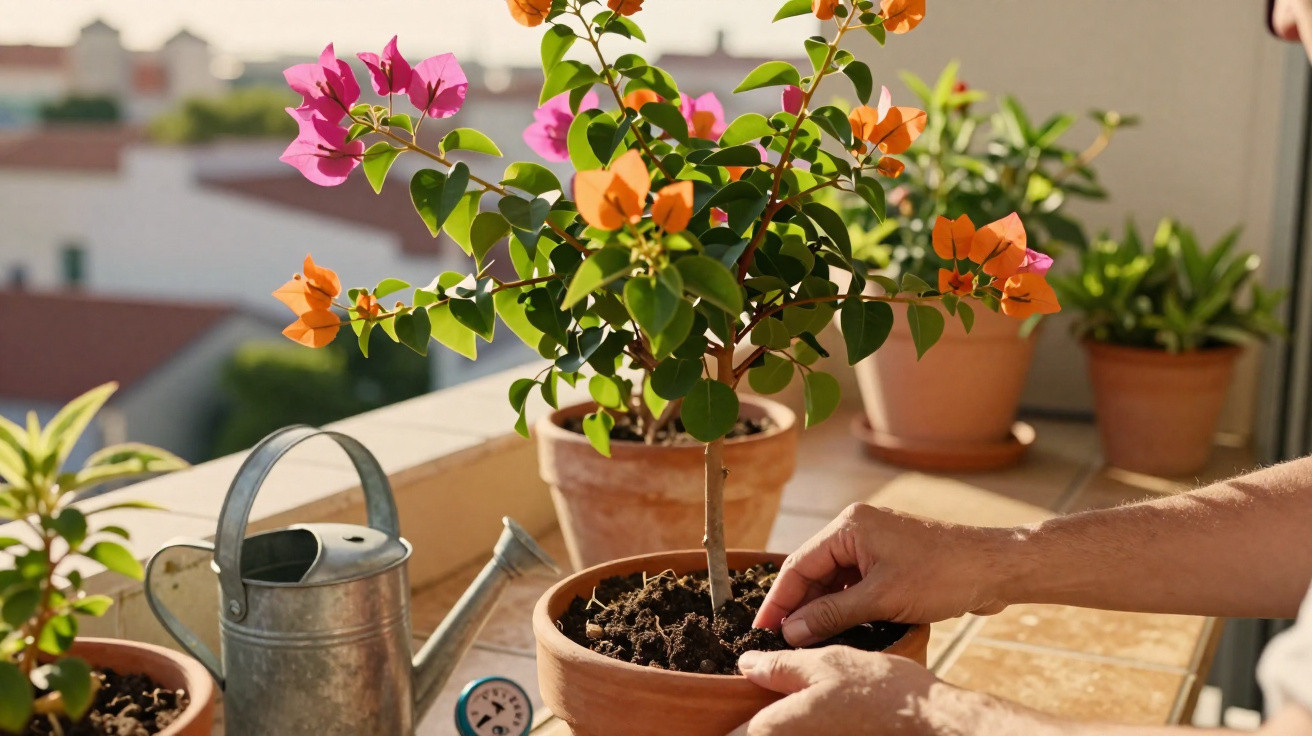
The climbing plant with its vivid bracts is a dream for every Mediterranean-garden fan. Yet in many gardens and on patios, it produces leaves alone rather than displaying its characteristic burst of colour. Gardening professionals say the issue is usually not the location, but a common watering and fertilising habit that actively suppresses flowering.
Why Bougainvillea produces leaves but no flowers
A vigorous Bougainvillea with thick, lush foliage and long shoots may initially appear perfectly healthy. However, if its famous coloured bracts are absent, something is still wrong. The plant is signalling that it is directing almost all its energy into growth rather than reproduction.
The reason is simple: Bougainvillea originates from relatively dry, sun-drenched regions. It thrives with:
- at least six hours of direct sunshine each day
- temperatures of around 20 to 30°C during the growing season
- brief, heavy downpours rather than constant moisture
- a warm, sheltered position, such as against a south- or south-west-facing wall
When temperatures approach freezing, many varieties can suffer damage. Below roughly 5°C, the plant is better kept frost-free indoors or in an unheated greenhouse.
Its soil conditions are just as important. The root ball needs an airy, free-draining growing medium and a pot with drainage holes; it must never remain wet for long periods. Treating a Bougainvillea like a tropical houseplant will almost inevitably prevent it from flowering.
“A perfectly green Bougainvillea with no flowers is usually a clear sign: too much water, too much nitrogen and too little ‘stress’.”
Too much care, too few Bougainvillea flowers: the classic mistake
This familiar situation occurs in many gardens: a container sits in a sunny spot on the patio, is watered every other day during high summer and receives a weekly dose of general-purpose fertiliser. The owner has good intentions: it is hot, the plant is growing strongly, so surely very little can be wrong.
The result can look impressive. Shoots may grow by several decimetres in a short period, while the foliage remains flawless and deep green - but the coloured bracts fail to appear. The plant turns into a green shrub, disappointing its owner because the anticipated explosion of colour never arrives.
Botanically, this makes sense. An ample supply of water combined with lots of nitrogen from fertiliser primarily encourages vegetative growth: leaves and shoots. The plant has no reason to invest in reproduction.
If it experiences occasional water shortages, however, it interprets this as a signal that conditions may deteriorate. Flower production then becomes worthwhile - in this case, the coloured bracts surrounding its inconspicuous flowers and attracting pollinators.
Controlled “thirst periods”: how to trigger flowering
Gardeners often refer to controlled “stress” as a way of bringing Bougainvillea into flower. This does not mean mistreating the plant, but deliberately recreating the dry spells it experiences in its natural habitat.
Essential checks before changing your routine
Before adjusting the watering routine, make sure the basics are right:
- a fully sunny position with as little shade as possible
- free-draining compost containing sand or coarse material, rather than dense standard potting compost alone
- a pot with drainage holes and no saucer that remains permanently filled with water
- restrained fertilising, focused on potassium and low in nitrogen
During the growing season, small amounts of flowering-plant fertiliser every few weeks are generally sufficient. Stop feeding from mid-September so that the plant does not produce even more leafy growth.
How the summer watering routine works
The key lies in alternating dry spells with thorough watering:
- Check with a finger whether the top 3–4 cm of compost is dry.
- Water only then, and soak the root ball thoroughly until water runs from the base of the pot.
- Remove any excess water from the saucer after around 30 minutes.
- Wait again until the surface has dried out noticeably.
This sequence resembles short thunderstorm rainfall in dry regions. The root ball receives water, but does not stay continually wet. This very cycle encourages many plants, including Bougainvillea, to flower.
Winter watering and common pitfalls
From November to March, Bougainvillea should ideally be kept somewhere bright and cool, at around 10 to 15°C. Growth slows considerably during this period, so the plant needs far less water.
Allow the root ball to become almost dry before watering again. In many cases, a small amount every two to three weeks is enough, although this always depends on pot size, position and room temperature.
“Winter wet is more dangerous for Bougainvillea than short dry spells. Waterlogging often results in rotting roots and complete leaf drop.”
Garden professionals repeatedly encounter three mistakes:
- Automatic irrigation: This keeps the growing medium constantly damp, eliminating precisely the dry periods that encourage flowering.
- Saucer permanently full of water: Water collects around the roots, oxygen becomes scarce and rot is likely.
- A pot that is too large: An oversized container makes the plant build an extensive root system first. Flowering is then significantly delayed.
Pruning and positioning Bougainvillea through the year
Alongside water and nutrients, pruning also matters. A severe cutback at the wrong time can remove flower buds. Light shaping is best carried out immediately after a flowering period, once it is clear which shoots have flowered.
More substantial pruning is better left until late winter, before new growth begins. Long, bare stems can then be shortened without sacrificing potential buds for the current season.
In its winter quarters, a Bougainvillea is more comfortable beside a bright, cool window than in a warm living room with dry central-heating air. Excessive temperatures combined with insufficient light often lead to leggy, thin shoots and weak growth.
How to identify the right time to water
Anyone who is unsure should rely on straightforward, dependable indicators:
- The finger test: Water when the compost feels dry in the upper few centimetres.
- Slightly dull, somewhat limp leaves indicate the first signs of water shortage, before the plant is suffering.
- Brown, curled leaves already point to excessive drought stress - it should not be allowed to reach that stage.
An inexpensive moisture meter can be useful, but it is not essential. After a few weeks, most hobby gardeners develop a good feel for the right rhythm.
Recognising success and knowing when to repot
If the Bougainvillea develops its first hints of colour after several weeks of the “thirst strategy”, the effort has paid off. Small, fairly inconspicuous flowers appear first, framed by the renowned coloured bracts. With every season, it becomes easier to fine-tune the balance between watering, fertilising and pruning.
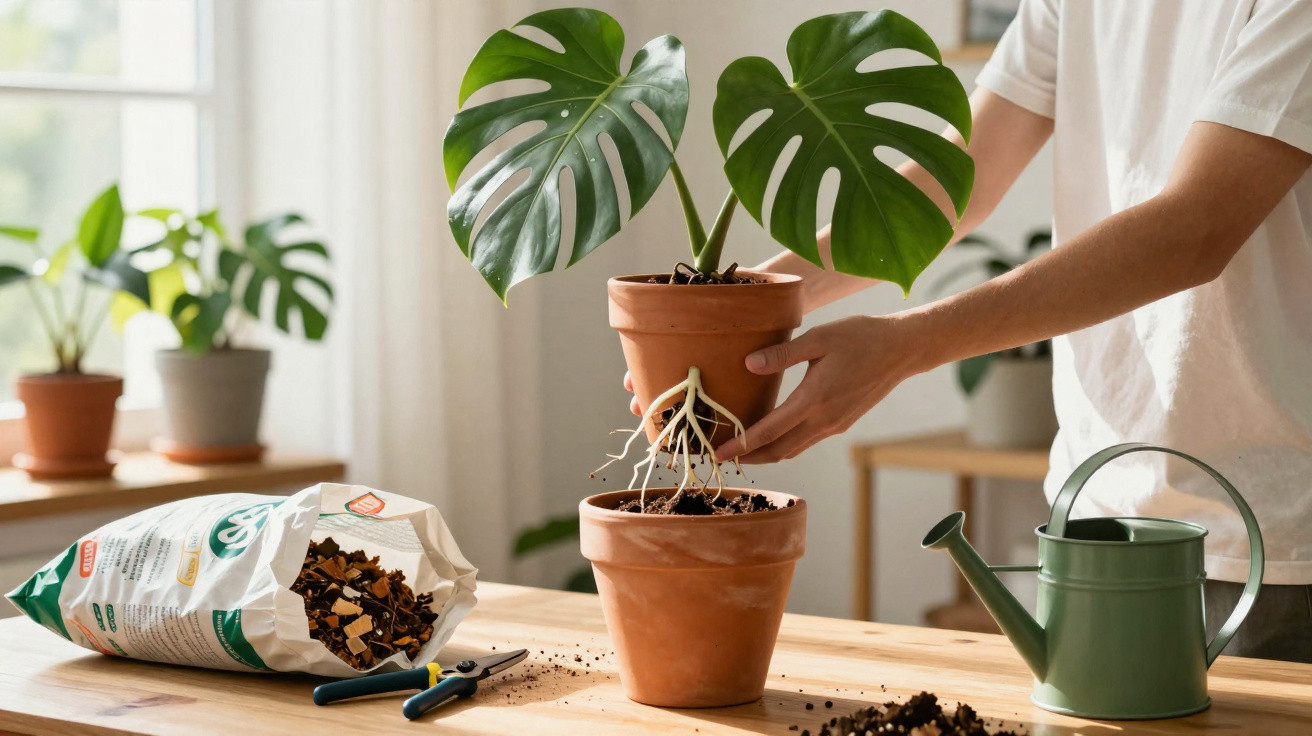
Repotting is needed when roots grow through the drainage holes or when the growing medium barely retains moisture after watering. Usually, moving up to a slightly larger pot is enough. Increasing pot size too dramatically will delay flowering again, as the plant will once more invest heavily in root growth.
Why “stress” encourages flowering
Bougainvillea is among the plants that intensify flowering when it “expects” a potentially more difficult future. It reads short dry spells as a warning signal and channels energy into reproductive structures - in this case, coloured bracts that attract insects.
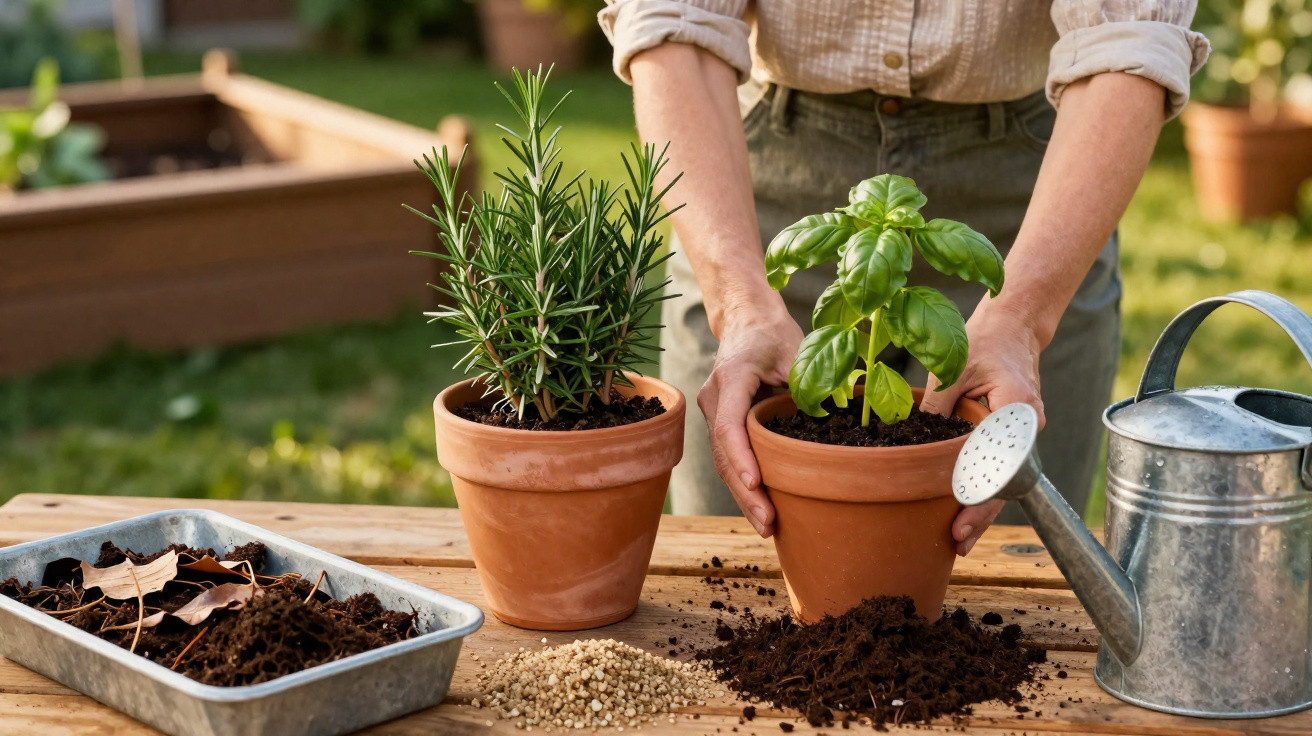
Gardeners recognise the same principle in other plants, including some fruit trees and Mediterranean herbs. A relatively lean, dry position often produces more intensive flowering or a stronger flavour in these plants too.
So, if you suspect that you have always given your Bougainvillea a little too much love in the form of water and fertiliser, that is exactly where to make changes. For this plant, controlled restraint often brings not less but considerably more colour to balconies and patios.
Comments
No comments yet. Be the first to comment!
Leave a Comment