
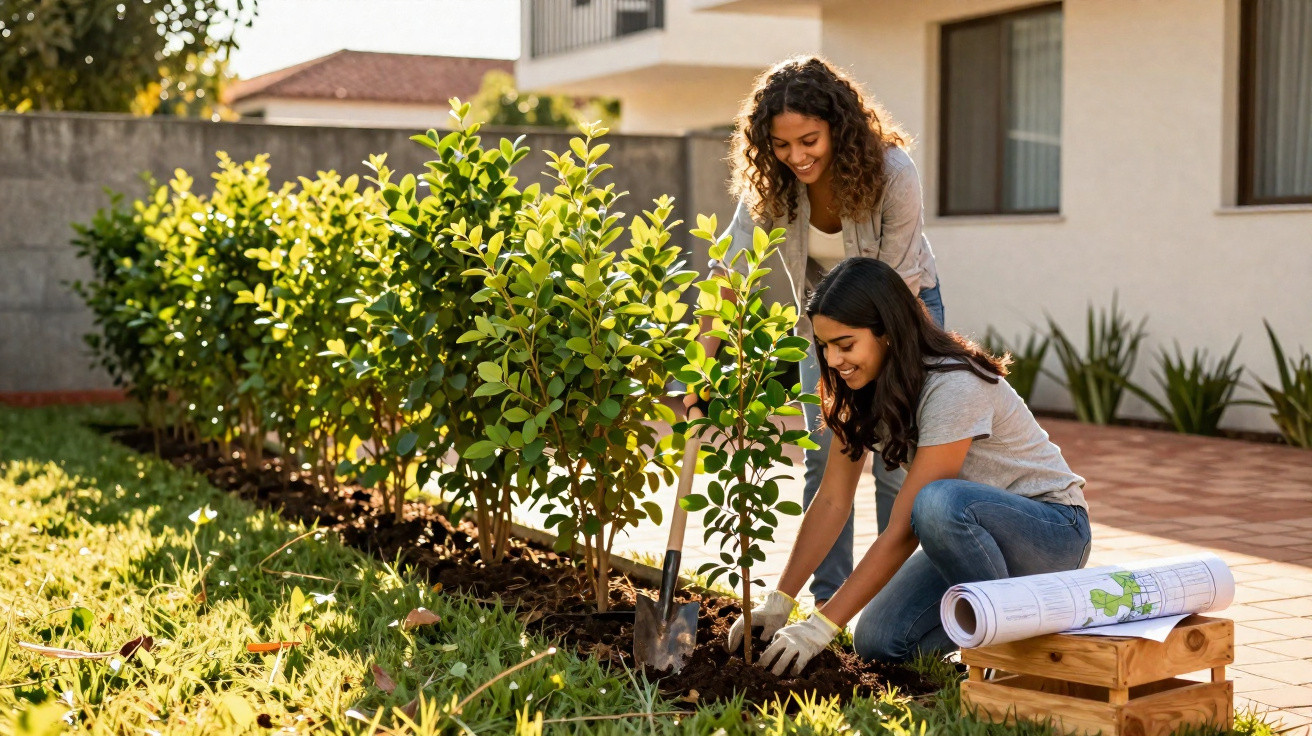
Well-chosen shrubs can transform a home’s outdoor space, providing privacy, light shade and a greater sense of comfort in the garden. For anyone looking to limit views from neighbours without undertaking major building work, a fast-growing hedge is a practical, attractive and natural solution.
Which shrubs help shield a home from neighbours?
Shrubs grown as a hedge are perfect for those seeking more privacy in the back garden, on a terrace or along the front of the property. They create a green screen that softens the landscape, enhances the garden’s appearance and helps conceal seating areas, windows and side passages.
Neighbours living very close by can reduce the feeling of privacy at home, especially on smaller plots. Species such as myrtle, podocarp, viburnum and hibiscus are suitable choices for forming a natural divider, provided they receive sunlight, proper watering and maintenance pruning.
Why is fast growth important for a hedge?
Fast growth matters when the aim is to screen off a space more quickly and enhance the outdoor area. Rather than waiting many years for a natural barrier, homeowners can establish a more sheltered and pleasant garden with vigorous species.
Before planting, it is worth following a few straightforward measures to help plants establish themselves successfully in the garden soil:
- Select a position with plenty of sunlight;
- Enrich the soil with organic matter;
- Water regularly during the first few months;
- Carry out light pruning to encourage the canopy to fill out.
How can a wall and plants be used together outdoors?
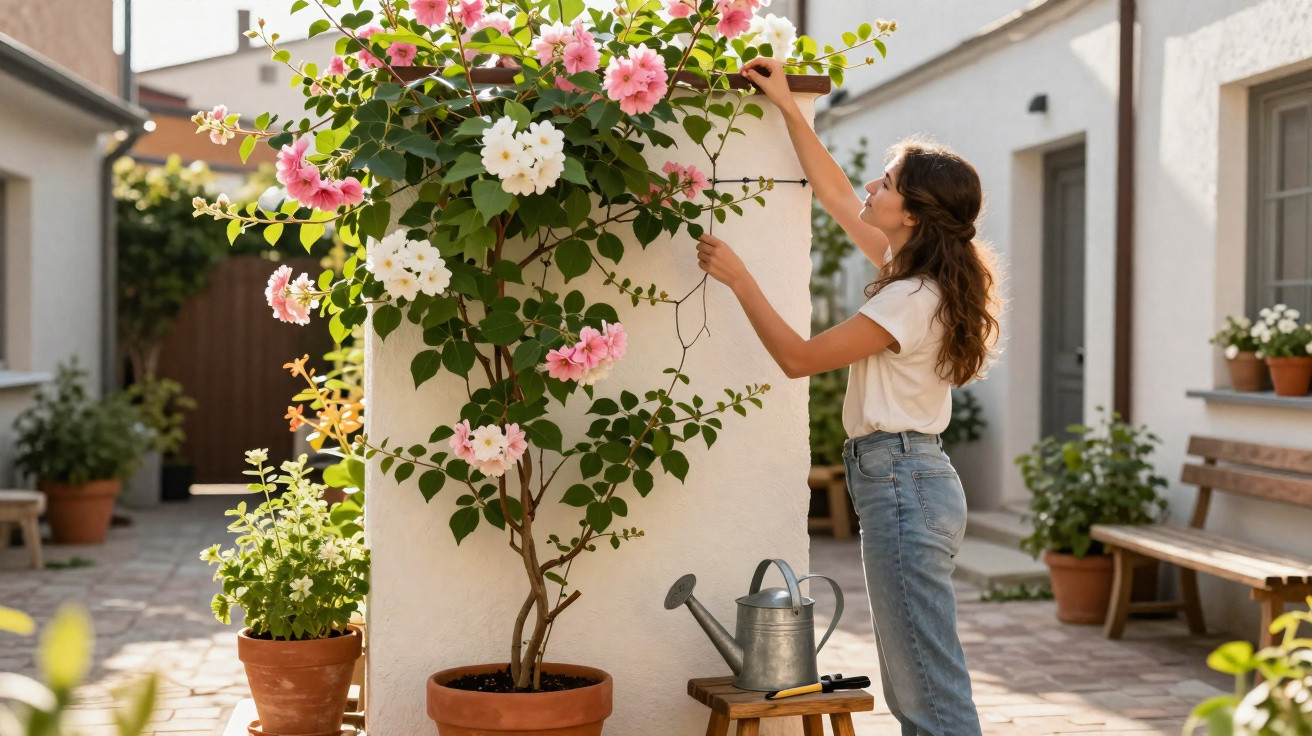
A wall and a hedge can be combined to make a property more attractive and private. While the structure provides security, the plants soften the stark look of concrete and add more greenery to the frontage, side passage or rear garden.
A low wall can also be planted with denser shrubs to increase privacy without making the house appear imposing. The result is a balanced arrangement, with simple landscaping, visual screening and better integration between the garden, pavement and main entrance.
Which precautions prevent issues with neighbours and maintenance?
Neighbours should also be taken into account when planting, as roots, branches and leaves may extend into an adjoining property. It is therefore best to respect the plot boundary and follow a pruning routine to manage the hedge’s height, width and shape.
Certain practices help keep the garden attractive, tidy and free from everyday disputes:
- Plant at a safe distance from the boundary;
- Avoid species with particularly aggressive root systems;
- Clear fallen leaves regularly;
- Prune before branches grow beyond the property boundary.
How do you choose fast-growing shrubs to enhance the home?
Shrubs should suit the available space, the local climate and the style of the house. In small gardens, more compact species are usually the better fit, whereas larger spaces can accommodate taller, fuller plants with a stronger visual presence.
Fast growth does not remove the need for planning, as every plant requires light, fertiliser, irrigation and maintenance to develop into a healthy screen. With the right choice, a hedge can replace some of the enclosed feel created by a solid wall, making the home more attractive, cooler and more welcoming.

Comments
No comments yet. Be the first to comment!
Leave a Comment