
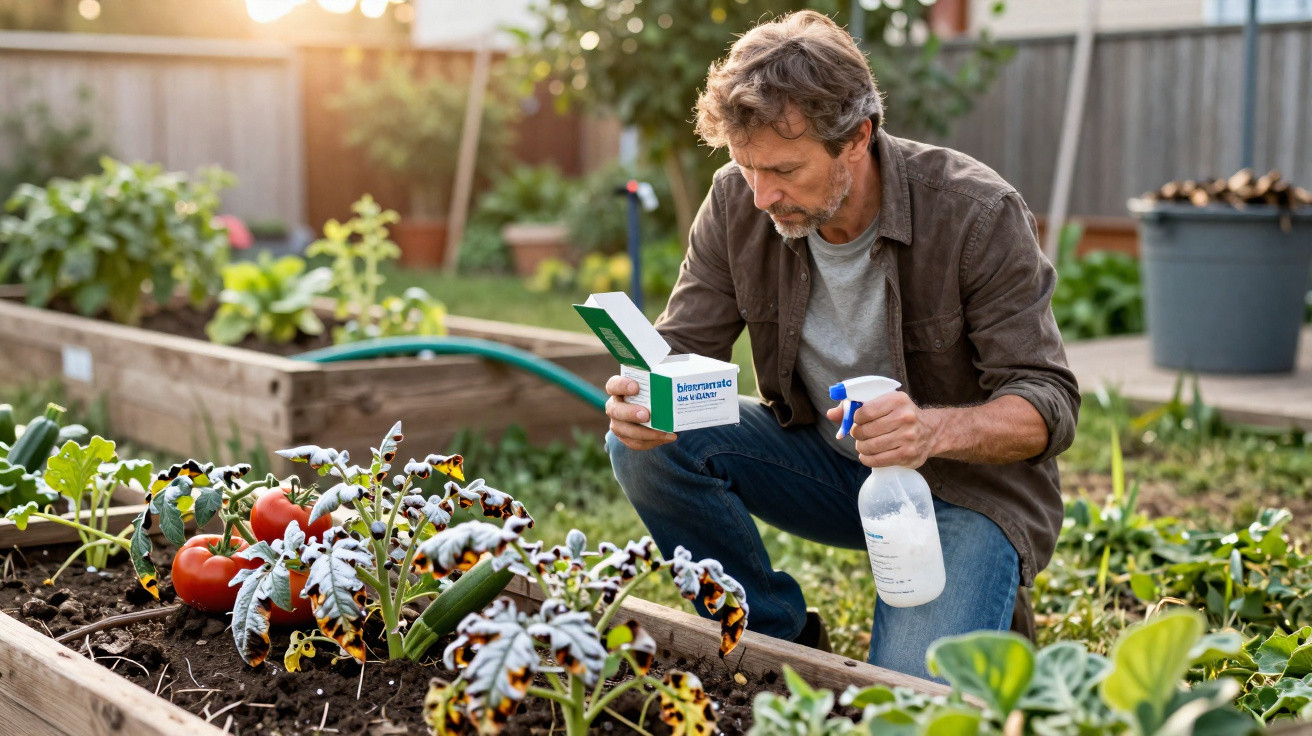
A kitchen powder celebrated for years as an all-purpose weapon against stains, odours and household grime has quietly found its way into millions of gardens. Blogs, videos and neighbours’ tips promote it as a “natural shield” against fungal diseases. Yet using it too generously can cause exactly the outcome no one wants: a vegetable garden that looks as though it has been hit by a heatwave or a chemical mishap.
How bicarbonate of soda became a garden craze
This powder’s reputation seems flawless: inexpensive, edible, biodegradable and found in almost every kitchen for decades. It is used to scrub grout, neutralise smells and clean ovens. Taking it into the garden can therefore appear perfectly logical: if it does not irritate the stomach or damage a worktop, surely it must be good for plants too?
Countless recipes circulate on social media: add a little powder to watering water or spray a few pumps over leaves, supposedly to tackle fungi, aphids, powdery mildew and even weeds. Anyone who has doubts is reassured by terms such as “natural”, “eco-friendly” and “chemical-free”.
This mistaken assumption lies at the heart of the problem: natural does not automatically mean harmless – especially in a sensitive vegetable garden.
Many amateur gardeners are looking for one universal solution to replace fungicide, insecticide and weedkiller. A household cleaner then becomes an apparent miracle treatment for anything green. It is easy to overlook the fact that a smooth patio surface responds very differently from the delicate skin of a lettuce plant or tomato.
When treating powdery mildew causes severe damage
Powdery mildew is the usual reason people reach for this kitchen powder. This “white disease” covers courgettes, cucumbers, roses and sometimes grapevines with a powdery coating. Leaves look as if someone has dusted them with flour.
This is exactly where many homemade recipes begin: 1 litre of water, 1 teaspoon of powder, some liquid soap and a dash of vegetable oil make a “gentle organic spray”. Forum posts advise gardeners to “spray generously”, including beneath the leaves, in bright but not excessively hot conditions.
At first, the outcome often seems impressive. The white coating recedes and the foliage appears cleaner. Anyone judging the treatment only at this stage may enthusiastically recommend it to others.
A few days later, however, the consequences usually appear: first small brown patches around leaf edges, then scorched-looking margins, brittle cardboard-like areas and curled leaves. Tomatoes can look as though they are suffering from severe drought even when the soil is moist. Rose buds turn black and simply drop off. The “gentle treatment” becomes an unintended all-out attack.
What bicarbonate of soda actually does to plants
The household remedy is chemically sodium bicarbonate. The crucial component here is sodium. This ion matters very little on tiles or in the sink, but it does matter on foliage and in soil.
This is what happens:
- On the leaves, the salt concentration rises abruptly.
- The plant’s outer protective layer, the cuticle, is damaged.
- This causes phytotoxicity: leaf scorch, brown necrotic patches and dehydration.
- In the soil, sodium builds up rather than simply being “used up”.
- Roots experience osmotic stress: water effectively “sticks” to the salt, so plants become internally dehydrated even though the soil looks moist – a form of physiological drought.
- The pH level rises, making nutrients such as iron, magnesium and phosphorus less available; leaves develop yellowing with green veins, known as chlorosis.
Soil organisms that keep the ground loose and fertile are also sensitive to salty solutions. Repeatedly spraying or watering with the powder alters the whole microclimate of the bed.
When bicarbonate of soda can be used – and where the limit lies
To be fair, a very low dose can genuinely suppress powdery mildew in the short term. The fungus does not tolerate the alkaline environment on the leaf surface and retreats. The quantity used, however, is decisive.
At around 1% active ingredient in the spray solution, the risk of damage rises markedly, particularly when:
- the sun is strong;
- leaves are already stressed by heat, drought or nutrient deficiency; or
- spraying is repeated within only a few days.
Results from trials and practical tests lead experts to make more cautious recommendations:
- 1 litre of water, preferably rainwater
- 1–2 grams of powder, or no more than half a level teaspoon
- only a few drops of liquid soap to help it adhere, not a large squirt of washing-up liquid
Apply an extremely fine spray only to leaves that are genuinely affected, preferably early in the morning or in the evening, and never in strong midday sun. Leave at least seven to ten days between treatments. Anyone who has already experimented with large amounts and high doses should ideally stop using it altogether for a while, allowing both soil and plants to recover.
Gentler alternatives for powdery mildew and more
After their first bad experience, many gardeners switch to milder approaches. Frequently recommended options include:
- Diluted milk or whey (around 1 part milk to 9 parts water), which colonises the leaf surface and makes life harder for fungi.
- Adequate plant spacing, allowing air to move between plants and foliage to dry more quickly.
- Watering directly at the roots instead of sprinkling water over leaves.
- Mulching with straw or grass clippings to retain soil moisture and reduce splashback.
- Strengthening plant feeds made from nettles or horsetail, which support plants’ natural defences.
Those who focus on preventive measures need emergency treatments less often and do not resort to excessive amounts of kitchen chemicals in the first place.
Signs that the vegetable bed has already been damaged
Much of the damage caused by the powder initially resembles heat or drought stress. Common warning signs include:
- Leaf edges become brown, dry and brittle.
- Young foliage looks misshapen or remains small.
- Flower buds shrivel or fall before opening.
- The plant appears wilted although the soil is sufficiently moist.
- Leaves turn yellow over large areas while only the veins remain green.
If these symptoms emerge a few days after applying the household remedy, the concentration was probably too high or spraying was carried out too often. Stop immediately, water only with clean water, remove severely damaged leaves, do not add extra fertiliser and give the plant time to recover.
Why “natural” is often misunderstood in the garden
Wanting a poison-free garden is entirely understandable. However, a powder that cleans tiles and removes grease from baking trays remains a chemical substance with an effect, even if it is not a conventional pesticide. Garden ecosystems are far more sensitive than kitchen surfaces.
In addition, many guides repeat recipes originally intended for tough ornamental shrubs or grapevines, only for them to be applied unchanged to sensitive vegetables. A rose leaf with a thick, leathery surface can withstand more than a young lettuce head or cucumber plant.
Anyone wishing to use kitchen ingredients in a growing bed cannot avoid a few basic rules: always use low doses, test on a single leaf, never spray a large area without trying it first, and pay attention to soil structure and pH. This helps ensure that the dream of an ecological garden does not end in a salt-damaged vegetable bed.



Comments
No comments yet. Be the first to comment!
Leave a Comment