

Across the UK, gardeners are being encouraged to make the most of a brief March opportunity that can transform drab areas into vibrant, flower-packed spots long before summer officially arrives.
March magic: why timing matters for fast colour
In early March, soil starts to warm gradually, while most gardens remain bare and uninspiring. This slightly awkward period is precisely when quick-growing annuals can have the greatest impact.
Hardy annuals cope with cool nights and may be sown straight into beds or containers. Half-hardy annuals need some protection initially, but soon make up ground when planted outdoors after the risk of frost has passed.
Planting the right fast-growing flowers in March can bring visible colour in as little as six to ten weeks, instead of waiting until mid-summer.
In practice, this means a garden sown over a mild March weekend may be alive with colour by late April or May, when many neighbours are only beginning to consider bedding plants.
Fast-growing flowers UK gardeners are being urged to sow now
Garden advisers are drawing attention to several “sprinter” annuals that can go from seed to flower exceptionally quickly, even under typical British growing conditions.
Hardy annuals for direct sowing
Hardy annuals withstand cold weather, light frosts and unpredictable rain showers. They are particularly suitable for anyone without a greenhouse or much room indoors.
- Cornflowers – Traditional blue flowers that germinate readily in cool ground and bloom in late spring when sown in March.
- Pot marigolds (Calendula) – Bright orange and yellow flowers that cope well with cold spells and continue blooming for weeks.
- Nigella (love-in-a-mist) – Delicate, airy blue and white flowers, followed by attractive seed pods.
- California poppies – Silky, cup-shaped blooms that thrive in poor, free-draining soil and demand very little care.
All of these can be sown directly in their final flowering positions. Rake the soil until fine, scatter the seed sparingly, cover it lightly and keep the surface just moist.
Half-hardy speed merchants
Half-hardy annuals cannot tolerate frost, but they grow rapidly once conditions warm up. If started under cover in March, they can be planted out around May for fast colour.
- French marigolds – Frequently blooming within 45–60 days, they are among the fastest choices for pots and borders.
- Zinnias – Strong, almost neon shades that may appear roughly 60–70 days after sowing when they receive good light.
- Cosmos – Fern-like foliage and daisy-shaped flowers that rapidly fill empty spaces and continue into autumn.
- Petunias – Reliable long-season plants that can bloom from late spring throughout summer when regularly deadheaded.
French marigolds, zinnias and nasturtiums are repeatedly highlighted by experts as some of the quickest ways to get “instant” beds and containers on a budget.
Colour and food in one: nasturtiums and borage
Nasturtiums are receiving particularly strong recommendations this year for family plots and smaller gardens. They sprout quickly, trail across exposed soil or tumble from hanging baskets, and deliver vivid orange, red and yellow flowers in around two months.
Their blooms and young leaves are edible, adding a peppery flavour to salads. They can also serve as a “sacrificial” plant, drawing aphids away from more valued crops.
Borage is another versatile option. Its blue, star-shaped flowers draw in bees and beneficial insects, while the plants self-seed generously and often return year after year without further sowing.
A simple March routine for record-time blooms
Choosing the right varieties can only achieve so much; a good March routine can determine whether seedlings struggle or put on a speedy display.
| Step | What to do in March | Why it speeds blooms |
|---|---|---|
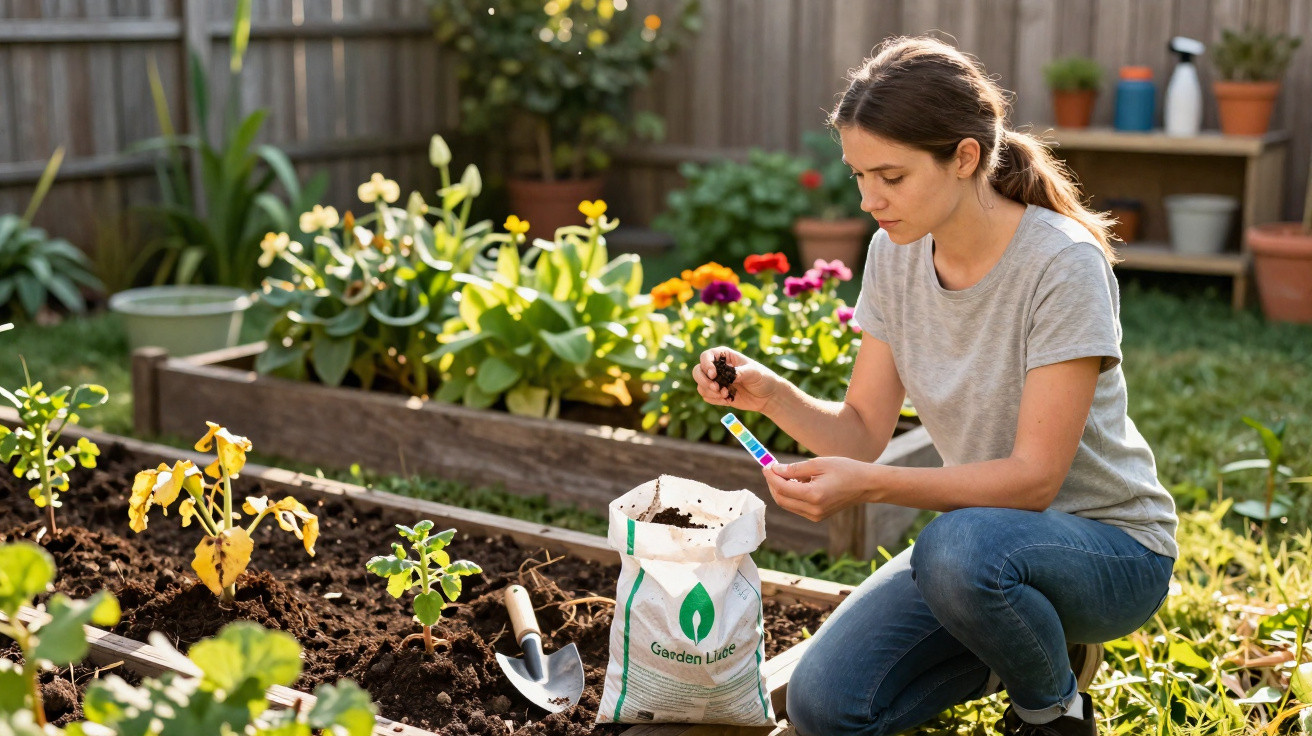
| Soil prep | Work garden compost into the top 5–8cm of soil. | Gives seeds an easy, nutrient-rich start. |
| Sunlight | Pick positions receiving at least 6 hours of direct sunshine. | Maximises energy for rapid growth and early flowers. |
| Watering | Maintain evenly moist soil without allowing it to become waterlogged. | Prevents seeds rotting or drying out while germinating. |
| Spacing | Thin seedlings early to give every plant sufficient space. | Reduces competition, pushing plants to grow faster. |
Gardeners hoping for late-spring colour from March sowings are often advised to follow three simple rules:
- Sow hardy annuals directly in the place where they are intended to flower, and do not over-water them.
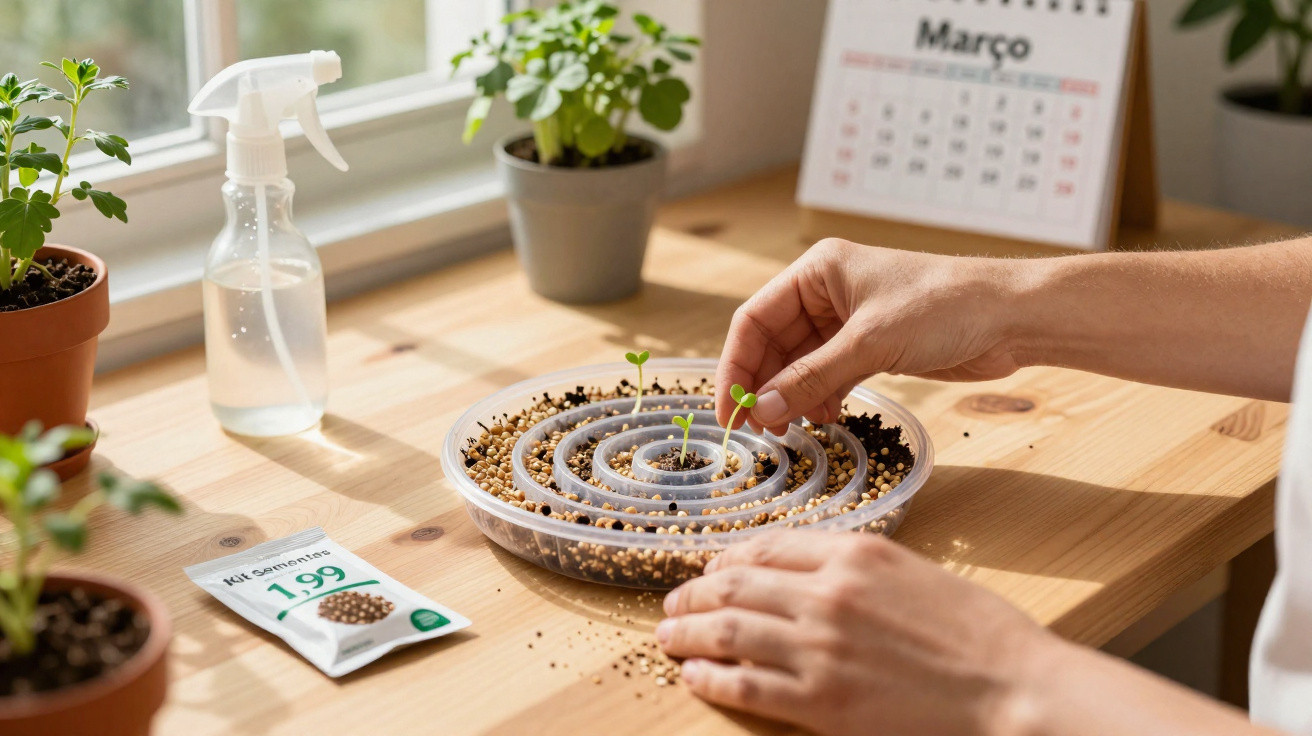
- Raise half-hardy seeds indoors on a sunny windowsill, moving them outside only after the local last frost date has passed.
- Weed early and often so young plants do not lose vigour by competing for nutrients and light.
A light touch with fertiliser can be faster than heavy feeding; well-prepared soil and steady moisture usually beat constant liquid feeds.
Combining flowers for layered, long-lasting displays
A useful approach is to combine quick starters with companions that develop slightly more slowly. The faster plants fill empty areas while the others grow into the display.
For example, a border could begin with cornflowers and pot marigolds for late-spring interest, with cosmos and zinnias behind them to maintain the display through summer.
The same idea works for balcony gardens. A container planted with nasturtiums for quick results, petunias for endurance and borage for pollinators creates a changing display from May well into September.
Family-friendly and low-effort options
Many of these flowers are well suited to beginners, renters and busy parents seeking quick results without specialist equipment.
- Nasturtiums germinate in under two weeks in warm conditions and tolerate the occasional missed watering.
- French marigolds manage poor soil and are commonly available in seed packets from supermarkets and DIY shops.
- Cornflowers and California poppies seldom require staking or feeding.
These features make them a strong choice for children’s growing areas or rapid tidy-ups before birthday celebrations and bank holiday barbecues.
Know your terms: hardy vs half-hardy
Many beginner gardeners are uncertain about seed-packet labels, particularly those describing plants as “hardy” or “half-hardy”. Knowing the difference determines when it is safe to sow outdoors.
- Hardy annual: completes its life cycle in one year and withstands frost. Can usually be sown outdoors from March.
- Half-hardy annual: also lasts one year but cannot tolerate frost. Needs warmth to germinate and must be protected until late spring.
Getting this wrong can set plants back by weeks. A cold snap may hardly affect hardy cornflowers, yet it can destroy young zinnias in one night.
Practical scenarios for different gardens
A compact terrace with pots alone could concentrate on nasturtiums, French marigolds and dwarf cosmos, all started during March. By late spring, those containers ought to be sufficiently full to conceal exhausted winter compost and bare patches of soil.
In a larger suburban garden, one sunny border could be set aside for “March annuals”, with direct-sown nigella, cornflowers and pot marigolds at the front, plus young petunias and zinnias held in reserve. Once the first group reaches its peak, the second can take over.
Those with allotments can sow borage and calendula along a vegetable bed. As well as looking cheerful by early summer, this attracts bees, helping fruit set on nearby beans, courgettes and soft fruit bushes.
Risks, trade-offs and how to avoid disappointment
Fast-growing flowers are not entirely fail-safe. Seeds can rot in cold, saturated soil, while an early heatwave may dry out shallowly sown seed.
A lightweight fleece cover on cold nights can protect emerging seedlings with little effort. During warm periods, a prompt morning watering is generally enough for most of these undemanding plants.
There is a compromise, too: plants developed for speed can sometimes flower for a shorter period overall. Gardeners can manage this by sowing in stages a few weeks apart and letting some flowers set seed for a second flush later in the season.
Planting in March is less about perfection and more about seizing a short window that turns late spring from dull to colourful with very little cost.
For budget-conscious households, several seed packets sown this month can take the place of costly trays of bedding plants bought later, while still supplying that much-wanted burst of colour as spring finally begins to feel real.


Comments
No comments yet. Be the first to comment!
Leave a Comment