
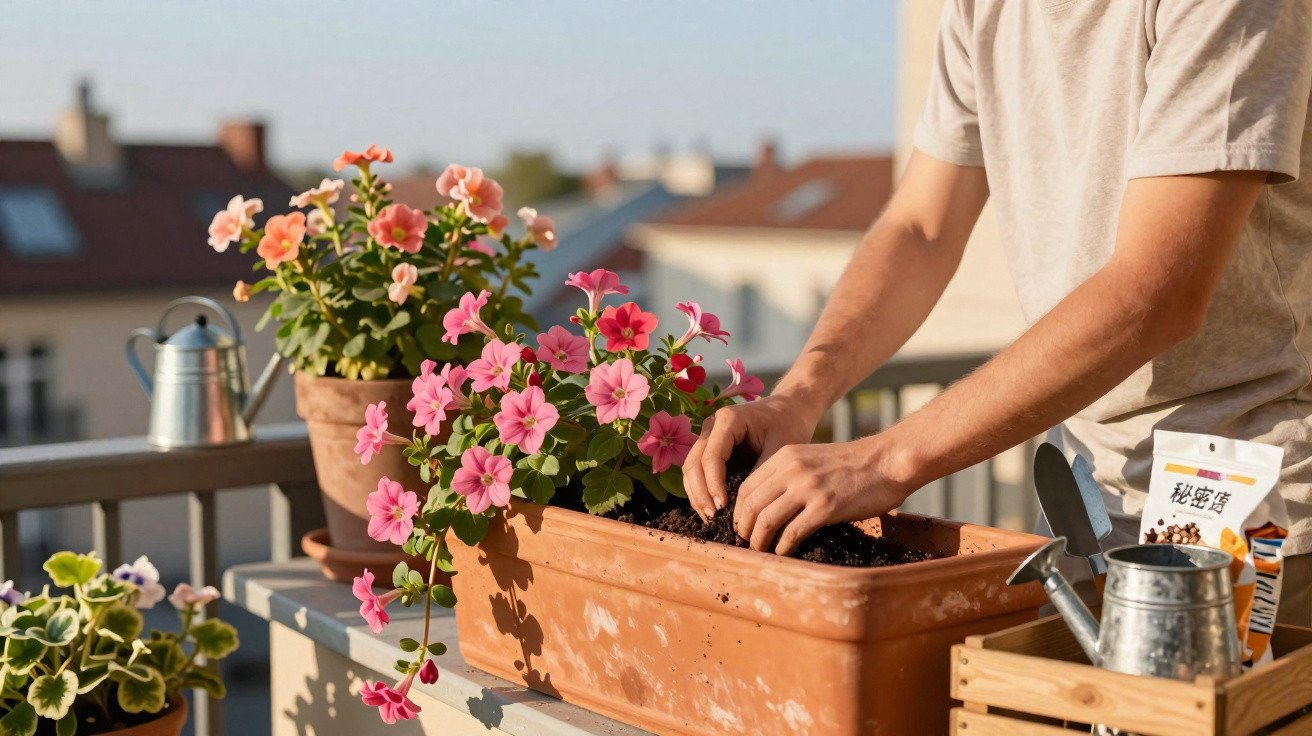
Every spring, garden centres stock the same familiar petunias and geraniums.
But there is one graceful trailing flower that can unobtrusively take centre stage.
For a window box, many of us are after tidy mounds of colour, dainty flowers tumbling over the sides, and blooms that continue for months without much fuss. One frequently ignored little plant can offer precisely this, as long as it gets off to the right start in spring.
A compact balcony plant with major impact
The plant in the spotlight is diascia, which is also sometimes marketed by its English name, twinspur. Native to southern Africa, it sits within the same wider plant family as snapdragons. Although numerous varieties are technically perennial, it is generally treated as an annual in UK and US gardens.
At first, diascia seems unassuming, with slender stems, compact leaves and little flowers. Place several plants in a window box, however, and by June it can become a mass of colour. Individual plants commonly grow 25–40 cm tall and spread 30–60 cm, producing pliable stems that form a mound or trail over the edge.
Its blooms may be small, but they are produced in abundance. Each has five rounded lobes and a “spur” behind it, which is where the name twinspur comes from. Available shades include gentle apricot and raspberry pink, as well as coral, mauve, white and vivid orange varieties.
One or two plants can look shy in a pot. Six or eight in a long balcony box quickly turn into a soft, drooping cloud of colour.
The spring step that can make or break your diascia
For window boxes and balconies, spring is the decisive time. Diascia dislikes cold, saturated roots and late frosts. Put it outside too soon, or grow it in an unsuitable position, and it may languish, finish flowering prematurely or rot altogether.
When to put diascia outside
Only move young plants outdoors when the danger of frost has fully passed:
- Cooler northern areas: mid to late May
- Milder regions or cities: late April to early May
- Container on a very exposed balcony: choose the later date
When growing from seed, sow indoors during March–April at around 15 °C in fine seed compost that is kept only lightly moist. Once established, seedlings can be potted on into larger containers before being planted outside when night-time temperatures consistently remain above 7–8 °C.
The key spring gesture: wait for stable mild nights, then plant diascia into light, free-draining compost and never pack it into heavy, soggy soil.
Choosing the right balcony position
Diascia enjoys bright conditions, but it does not thrive in fiercely hot, baking spots. It flowers at its best with:
- Full sun in spring and autumn, when sunlight is gentler
- Light afternoon shade during high summer, particularly on south-facing balconies
On a compact balcony, this may involve positioning the window box slightly further away from the wall, or filtering the strongest afternoon light with a taller plant or a basic reed screen. Unrelenting scorching sun alongside humidity exhausts the plant and reduces the length of its flowering season.
Soil, compost and spacing: what diascia needs
In containers, the growing mix matters more than many gardeners realise. Diascia favours a light, humus-rich and free-draining medium with a slightly acidic to neutral pH of around 6.0–7.0.
An easy compost mix for balcony boxes
- 2 parts good-quality multi-purpose compost
- 1 part fine horticultural grit or perlite (to improve drainage)
- Optional: a small quantity of mature compost or well-rotted manure
Proper drainage holes are essential. Adding clay pebbles or gravel to the base of a container also assists water in draining away from the roots.
Plant spacing affects the overall appearance as well as plant health. For a standard balcony planter, use the following guide:
| Planter size | Number of diascia plants |
|---|---|
| 30 cm long | 3 plants |
| 50–60 cm long | 6 plants |
| 80 cm or more | 8 plants |
This arrangement creates a full display while avoiding an overcrowded, disease-prone mass of stems.
Watering and feeding: sufficient, but not excessive
Diascia is not suited to boggy conditions. Its roots prefer ongoing light moisture, while still having regular opportunities to breathe between waterings.
Watering diascia on a balcony
- Apply water to the base of each plant rather than over its foliage.
- Allow the upper centimetre of compost to dry out before watering again.
- During hot weather, container plants may need watering once daily, preferably in the evening.
- Do not leave saucers continually full of water, as this suffocates the roots.
When it comes to feeding, restraint is often best. A slow-release fertiliser incorporated into the compost in spring will normally provide enough nutrition for the first couple of months. Afterwards, a gentle liquid feed every three to four weeks will support continued flowering.
Overfeeding pushes the plant to grow long, floppy stems with fewer flowers. Slightly lean conditions keep diascia compact, dense and floriferous.
Pruning methods for a continuous flower cascade
Diascia benefits from modest but regular care. A handful of simple actions can keep it blooming from spring through to autumn.
Deadheading and pinching out
Take a minute each week to remove spent flowers. Doing so prevents the plant from setting seed and directs its energy into producing fresh buds.
If the stems become overly long or the middle begins to appear sparse, pinch out their tips by a couple of centimetres. This encourages branching, resulting in a fuller, cushion-like habit with more points for flowers to form.
Refreshing weary plants in midsummer
During high summer, diascia may temporarily slow its performance. Blooms can shrink and bare patches may develop. Instead of discarding the plant, gardeners often give it a “reset”.
- Trim the stems back by about a third.
- Water thoroughly and apply a light amount of fertiliser.
- Provide a little afternoon shade for one or two weeks.
After a few weeks, new growth should emerge, and flowering picks up again as temperatures become less intense.
Pairing diascia with other balcony plants
Diascia is equally effective as a standalone feature or as part of a mixed planting. Its delicate texture and petite blooms complement plants with more assertive forms.
Suitable companions for a sunny balcony include:
- Geraniums (pelargoniums): diascia softens their bold areas of colour.
- Verbena: shares its preference for sun and a similar flowering period.
- Lobelia or bacopa: provide contrasting cascades of blue or white.
- Small grasses: add height and movement without shutting out the light.
For an uncomplicated but striking planter, alternate groups of diascia with compact geraniums, allowing the diascia to tumble over the front for a layered finish.
Can diascia make it through winter?
Certain diascia varieties can act as short-lived perennials in gentler coastal or urban locations, especially when growing in sheltered beds. Across most of the UK and much of the northern US, though, balcony-grown plants are exposed to frost they cannot tolerate.
Gardeners wishing to preserve a favourite variety sometimes take short cuttings in late summer or early autumn. Non-flowering shoots can be cut into stems of about 10 cm, which root readily in cutting compost. The resulting young plants may be kept indoors or in a frost-free porch at 10–15 °C over winter, then returned outside the following spring.
Common problems and ways to prevent them
Diascia in containers can develop several familiar issues:
- Yellowing leaves at the base: commonly caused by waterlogging; improve both drainage and spacing.
- No flowers, just leaves: generally the result of excessive fertiliser or insufficient light.
- Plant collapses in a heatwave: the compost has dried out completely; rehydrate it gradually and move the container into light shade.
Pests tend to be a minor concern, although aphids may appear on tender new shoots. On balcony plants, a gentle water spray or mild soapy solution is often sufficient to control them.
Why diascia is a sensible first balcony plant for beginners
Diascia has several advantages for new gardeners. It responds visibly to care: cut it back and it grows again, while moving it away from severe sunlight perks up its leaves. Such responses help beginners understand the effects of watering, light and feeding on a plant.
Its lengthy flowering period also makes room for experimentation. From spring until late summer, you can test different planting combinations in the same box and still have colour to enjoy while discovering the styles you prefer.
Pay attention to that key spring action-waiting for frost-free nights and using airy, free-draining compost-and this modest trailing plant can transform your balcony rail into a gentle cascade of colour throughout the warmer months.



Comments
No comments yet. Be the first to comment!
Leave a Comment