
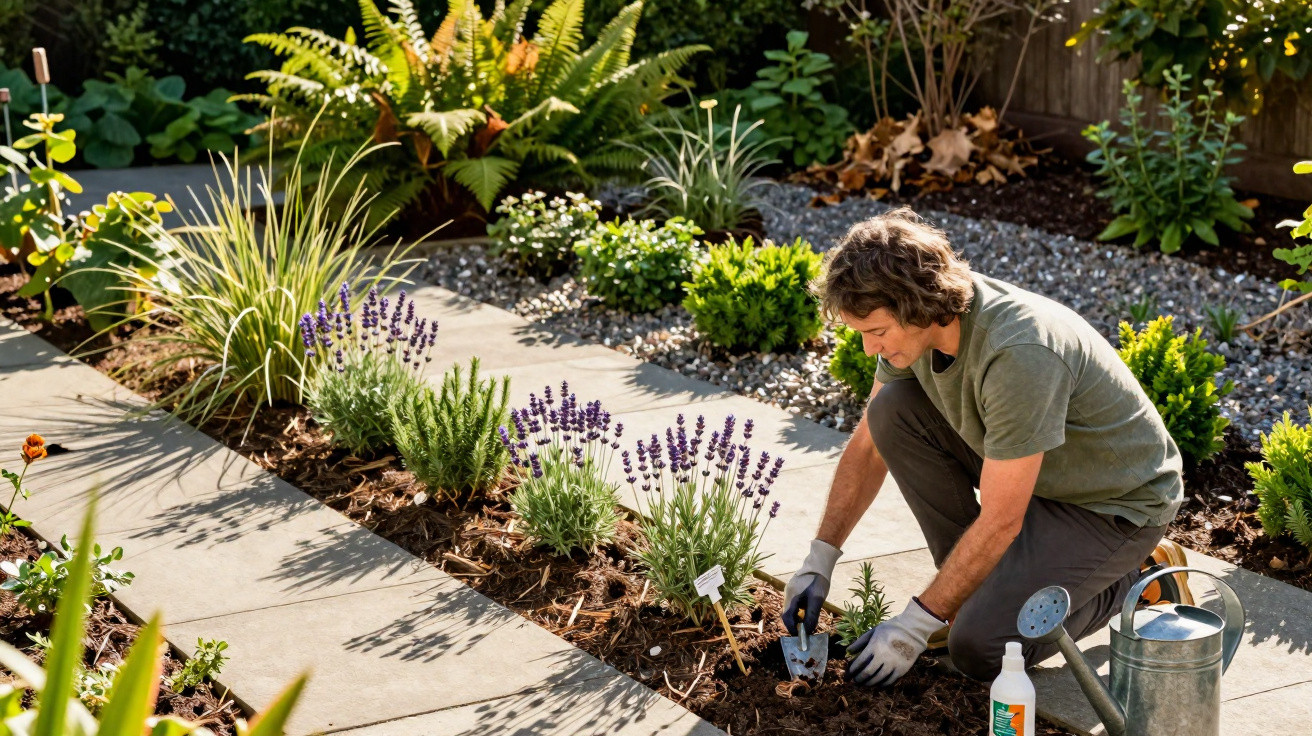
More gardeners across Europe and North America are realising that their back gardens and flowerbeds can provide ideal conditions for ticks – parasites responsible for Lyme disease and other serious infections. The plants you grow, together with how you look after them, can discreetly make your garden either a tick hotspot or an environment in which they find it difficult to survive.
Ticks in the garden: an increasing and frequently ignored risk
Ticks are not confined to woodland. They can flourish in private gardens, particularly in suburban spaces where lawns border shrubs, children's play spaces and areas used by pets. Damp, shaded spots are especially attractive, as ticks can climb a stem, hold out their legs and attach themselves to the first person or animal passing by.
Ticks are roughly the size of an apple seed, but they can carry infections that change a person’s life.
Public health bodies in the UK and US have spent years warning that tick populations are increasing and tick seasons are lasting longer, partly because of milder winters and changing land use. A large number of bites now happen at home rather than on walking trails, during everyday gardening tasks or while children are playing outdoors.
Plants that quietly attract ticks
Ticks do not seek plants for nectar or fragrance. Instead, they need cover, moisture and opportunities to reach passing hosts. Some forms of vegetation offer precisely these conditions.
Dense, shady favourites: ferns, brambles and dark shrubs
Certain wild and ornamental plants produce the cool, humid conditions that ticks favour, particularly in the lowest 30–60 cm above ground level.
- Ferns grow in dense, moist clumps and are commonly placed in shade, beside walls or under trees – creating an almost ideal hideaway for ticks.
- Brambles and wild blackberries form thick, prickly tangles that prevent much light from reaching the soil. Fallen leaves gather below them and can remain damp for several days after rainfall.
- Dark, dense shrubs such as certain lilacs or privet hedges retain humidity and limit air movement, preventing ticks from drying out.
- Conifers, particularly low, bushy screening varieties such as spruce or fir, shed needles and mulch that retain moisture while shading the soil.
Where air is still and the soil stays damp, expect higher tick activity, even in a well-kept garden.
Grasses, hedges and neglected corners
Ticks do poorly on exposed lawns baked by the sun. However, the situation can quickly change when grass is allowed to become long.
- Long, uncut grass provides upright stems for ticks to climb and wait upon at ankle or calf level.
- Overgrown hedges and thick borders hold dew and keep the ground shaded, creating routes that ticks can follow around lawn and path edges.
- Heaps of branches and logs offer cool, humid cover, especially when they are piled beside fences or beneath trees.
Fruit trees can also benefit ticks indirectly. Windfall fruit draws rodents and hedgehogs, which are both highly suitable tick hosts. Where the ground beneath trees is left weedy and leaf-covered, it can become excellent tick habitat.
Leaf litter and damp soil: the real engine room
Although particular plant species play a part, the most important factor is the layer of ground beneath them.
- Built-up dead leaves work like an insulating cover, retaining moisture and protecting ticks from sun and wind.
- Shaded areas with poor drainage near ponds, boggy ground or leaking irrigation systems maintain high humidity.
- The borders of paths and play spaces, where vegetation meets exposed soil, are typical “ambush zones” where ticks wait for children, runners or pets.
Think less about single plants and more about combinations: shade, cluttered ground and animal activity together make a tick haven.
Plants that help keep ticks at arm’s length
No plant can form a completely reliable barrier, but certain varieties are believed to deter ticks because of their intense fragrance and the essential oils they give off.
Aromatic allies for borders and paths
These plants are often positioned around sitting areas, by entrances or along paths where people may brush against their leaves:
- Lavender – grows best in sun and dry ground, both conditions that ticks dislike.
- Rosemary – a woody, scented plant that works well as edging for sunny borders.
- Thyme – a low-growing option suited to gaps between paving slabs or areas near steps.
- Lemon balm (mélisse) – produces a pronounced citrus fragrance when handled.
- Wormwood (absinthe) – contains strong bitter compounds and is best planted in moderation.
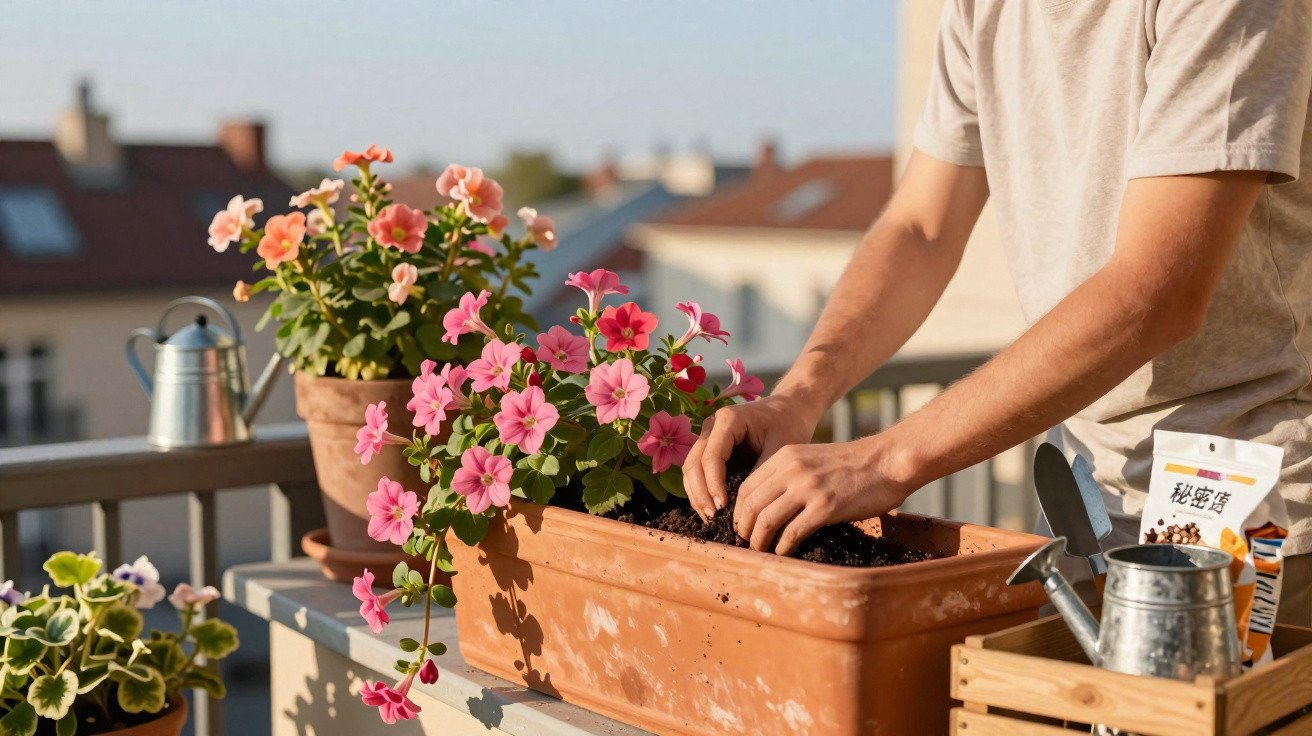
- Lemon-scented geraniums – frequently grown in containers, making them useful near patios and balconies.
Strongly scented herbs can make key areas less welcoming for ticks while giving you useful leaves for the kitchen.
Essential oils from these plants are also used by many people in homemade sprays for boots and trouser legs. However, these preparations wear off rapidly and are not a substitute for approved repellents.
How to turn your garden into hostile ground for ticks
Choosing plants is only one part of the solution. Garden design and ongoing maintenance are equally important. The basic aim is straightforward: increase sunlight and airflow while reducing damp, cluttered areas.
Simple layout changes that cut risk
- Maintain a short, frequently mown lawn in busy spaces where pets roam or children play.
- Install a gravel or paved strip between the lawn and thick vegetation as a dry boundary.
- Prune and thin dense shrubs and hedges to allow sunlight to reach the soil.
- Keep firewood and branches raised above the ground and well away from patios, play equipment and pet spaces.
- Rake up and dispose of leaf litter during spring and autumn, particularly beside paths and below swings or benches.
| Garden feature | Tick risk level | Suggested action |
|---|---|---|
| Short, sunny lawn | Low | Continue mowing and prevent dense shade and standing water |
| Long grass near hedges | High | Cut it regularly and install a gravel strip |
| Dense shrubs with leaf litter | High | Thin the branches, remove leaves and increase airflow |
| Herb border (lavender, thyme, rosemary) | Lower | Position near entrances and seating areas |
| Wood piles on damp soil | High | Raise them and move them away from living spaces |
Personal protection when you step outside
Even a carefully maintained garden will not be entirely free of ticks. Personal precautions can make a meaningful difference.
- Wear long sleeves and trousers when walking through tall grass or close to dense planting.
- Opt for light-coloured clothing to make ticks easier to see.
- Apply a proven tick repellent to your skin or clothing in accordance with the product instructions.
- Examine your body, scalp and clothing after gardening or outdoor play; ticks often crawl around for some time before they bite.
- When checking children, inspect behind their ears, around the waistband, beneath their arms and behind their knees.
Early detection is your best defence: removing a tick within the first day sharply reduces the chance of infection.
If a tick bites: what gardeners need to know
Ticks anchor their mouthparts in the skin and may remain attached for several days. Removing them calmly and properly is important.
- Take a tick-removal tool or fine-tipped tweezers and grasp the tick as near to the skin as you can.
- Pull upwards in a steady motion, without squeezing, twisting or crushing it.
- Wash the area with soap and water, or use an antiseptic.
- Record the date of the bite, then look out in the coming weeks for an expanding red rash, flu-like symptoms or joint pain.
Traditional methods, including burning the tick or covering it with oil, may cause it to regurgitate into the skin and could raise the risk of infection. It is best not to use them.
Why gardens are perfect for ticks – and how hosts fit in
Ticks neither jump nor fly. They rely wholly on hosts passing close by. In gardens, these hosts are usually pets, rodents, birds and people. Unmanaged borders and fruit-bearing shrubs attract small mammals, while compost heaps and seed feeders bring in birds. Every visiting animal can either collect ticks or leave them behind.
Treating pets with veterinary tick preventatives, blocking gaps used by nesting rodents and removing fallen fruit beneath trees can all reduce the number of possible hosts travelling through your planting.
Making conscious planting choices for safer outdoor time
When designing a new border or restoring an overlooked area, consider several straightforward points: Will the space remain damp? Could leaves and debris build up there? Is it directly beside a swing, bench or the route your dog uses most? Replacing a dark bramble thicket with a sunny herb border, or raising the lower branches of a dense conifer so that its trunk is visible, can gradually move ticks away from the areas where people spend their time.
A garden can remain green and natural without turning into a tick hotspot. Once you understand the plants and layouts that act as tick magnets, you can preserve a lush garden, safeguard your family’s health and continue enjoying barefoot evenings on the lawn with far fewer unwelcome passengers.





Comments
No comments yet. Be the first to comment!
Leave a Comment