
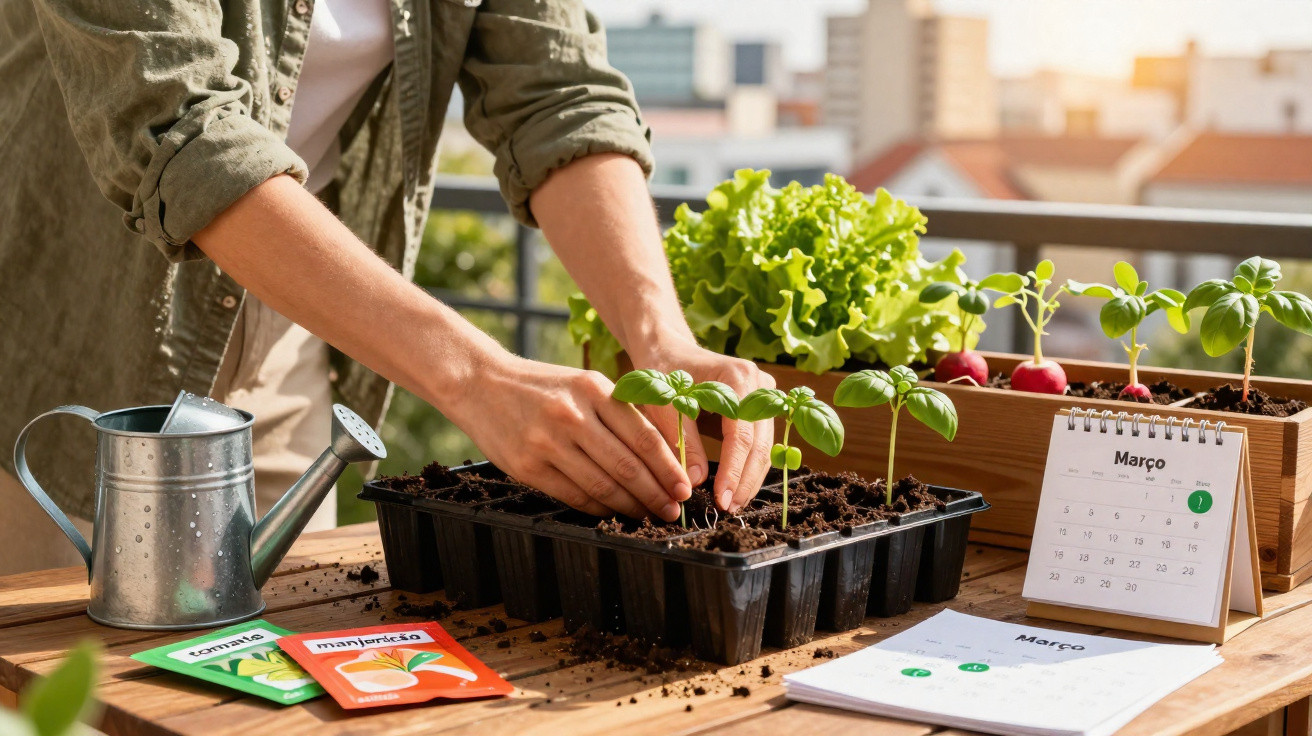
Many amateur gardeners dutifully wait until mid-May before getting started. In doing so, they give away valuable weeks. Starting selected sowings as early as March gives plants a major head start – and delivers noticeably more tomatoes, peppers and more from beds, balconies or raised beds in July and August.
Why March sets up the summer vegetable garden
Starting early means harvesting earlier
Early spring is when the course is set for summer. Seeds sown now have longer to establish roots, produce more leaf growth and develop sturdier stems. Anyone who waits until shortly before summer will struggle to make up that lost time.
“Sowing in March gives plants up to six weeks’ head start in growth – and helps you get considerably more from every square metre of soil.”
The result is more vigorous plants that cope better with heat, wind and pests. Fungal diseases and aphids often strike weakened plants first. Well-developed roots, by contrast, can go longer without watering and take up nutrients from the soil more effectively.
The ideal conditions for freely germinating seeds
For dependable germination, seeds need three things: warmth, consistent moisture and light. You can provide all of these without professional equipment.
- Warmth: A windowsill above a radiator or a small heat mat is often enough.
- Moisture: Moisten the compost rather than soaking it – a spray bottle works wonders.
- Light: Bright south-facing windows are ideal; a north-facing position quickly leads to leggy, weak plants.
Rinsed yoghurt pots, old seed trays or egg cartons are perfectly adequate containers. A specialised, loose seed compost prevents waterlogging and lets delicate roots grow freely. Ordinary potting compost is often too heavy and too rich in nutrients for the first few weeks.
Heat-loving vegetables: these candidates need to stay indoors
Raise tomatoes, peppers and aubergines somewhere warm now
All three are classic sun lovers. What many people overlook is that germination slows down at temperatures below 18°C. Around 20°C is ideal, and some varieties prefer it slightly warmer still.
Here is how to get them off to a good start:
- Fill a shallow tray or small pots with seed compost.
- Sow the seeds thinly and cover them with only a light layer of compost.
- Water once, then use a spray bottle only to moisten the surface.
- Cover with a transparent lid or film until the first shoots appear.
Placed in a bright window, the pots will show seed leaves within a few days. Move seedlings individually into larger pots as soon as they become crowded or begin shading one another. This stops them growing too tall and collapsing later in the bed.
Basil belongs on the windowsill from March too
Basil has almost exactly the same requirements as tomatoes: warmth, brightness and no draughts. Supermarket pots can soon become frustrating because the plants are packed too closely together. Growing your own from seed produces much sturdier bushes.
“Never allow basil to dry out, but do not drown it either – lightly moist compost is the key to aromatic leaves.”
For a larger harvest, do not pick individual leaves. Instead, cut the shoot tips just above a pair of leaves. The plant will branch out and form several new side shoots. Within a few weeks, this creates a dense herb bush that enhances tomatoes, pasta or grilled vegetables.
Direct sowing in the bed: these hardy crops can go into the ground now
Radishes and carrots make an unbeatable pairing
The first rows can be sown as soon as the soil is no longer sticky and feels pleasantly warm in the sunshine. Radishes and carrots work particularly well together.
- Radishes: They germinate quickly, loosen the soil with their roots and are ready to harvest within a few weeks.
- Carrots: They take their time, but benefit from the opened-up soil and the light released when the radishes are harvested.
This combination saves space and improves soil life. If you make the rows slightly wider, gaps left after the first radishes are picked can immediately be filled with fresh seed, extending the harvest period.
Peas and spinach enjoy cool, damp conditions
Peas and spinach are ideal for anyone unwilling to wait for summer-warm soil. Both tolerate cooler nights and germinate reliably even while the weather still calls for a light jacket.
“Peas love firm support, while spinach quickly fills the gaps in the bed – leaving hardly any room for weeds.”
Peas are best sown in a row alongside a trellis or fence. Spinach can be scattered more generously, even broadcast over an area. Its dense cover of leaves protects soil from drying out and erosion, while fresh greens can reach the plate week after week.
How to protect sensitive young plants from stress
Water and thin seedlings correctly
Most young plants die from too much water rather than too little. Wet, cold compost encourages rot and fungal disease. A consistently lightly moist surface is the better approach.
- Use a watering can with a fine rose or a spray bottle.
- Water only once the top layer has dried slightly.
- Never leave plants standing in water – pour away any excess.
If seeds were sown too densely, thin them out decisively. Remove weaker seedlings and leave stronger ones several centimetres apart. It may seem harsh, but it produces robust, upright plants with enough room for stable roots.
Acclimatise young plants gradually to outdoor conditions
Moving tomatoes, peppers or basil directly from a warm kitchen into an open bed often results in scorched leaves and cold shock. The answer is hardening off.
To make the “move” stress-free:
- For several days, place plants outdoors in a sheltered spot during the day and bring them back inside at night.
- Extend their time outside a little each day.
- Avoid direct midday sun at first, choosing morning or evening sunshine instead.
After around ten days, plants will be stronger, their leaves thicker and their susceptibility reduced. Only then should they move permanently into a bed or raised bed.
Harvest plan from spring to late summer
When each sowing will bear fruit
| Crop | Sowing | Expected harvest |
|---|---|---|
| Radishes | March–April | April–May |
| Spinach | March–April | April–May |
| Peas | March–April | Late May–June |
| Carrots | March–April | June–August |
| Tomatoes, peppers, aubergines (raised indoors) | Indoors from early March | June–August |
Following this timetable means enjoying the first successes on the plate by late spring, followed by bowls full of aromatic fruiting vegetables in high summer.
Extend summer with succession sowing and mulch
Experienced gardeners do not sow everything at once. Every two to three weeks, they make fresh sowings of radishes, spinach or lettuce. Rather than all maturing together, the crops then keep filling the kitchen and harvest basket.
“Regular succession sowing plus a layer of mulch keep beds productive for longer and save you carrying watering cans around in high summer.”
A thin layer of grass clippings, shredded twigs or straw prevents the soil from drying out, keeps soil life active and reduces weed pressure. Moisture remains in the ground longer during high summer, roots stay cool and plants continue producing for longer.
Practical extra tips for higher yields in the self-sufficiency bed
Avoid mistakes many gardeners only learn in their second year
Those just starting out often underestimate three factors: space requirements, nutrients and variety choice. Tomatoes, for example, should not be planted too close together, or their leaves will dry poorly after every shower and fungal disease can spread quickly. Heavy feeders such as tomatoes and peppers benefit from compost-rich soil or organic fertiliser.
When choosing varieties, it pays to look at reliable, robust options instead of selecting only visually unusual new introductions. Resilient varieties cope better with care mistakes and changeable weather.
What balcony and city gardeners should consider
Anyone with only a balcony or terrace can use the March approach just as effectively. Larger containers are generally more reliable because they dry out more slowly and buffer temperature fluctuations better. A 10-litre pot is considered the minimum for one tomato plant; more volume usually means more fruit set.
A mix works especially well in urban settings: one pot of tomato and basil, containers of radishes and spinach, plus a climbing pea beside a simple trellis. This creates a small self-sufficiency mix in only a few square metres – and March is when its foundations are laid.
Comments
No comments yet. Be the first to comment!
Leave a Comment