
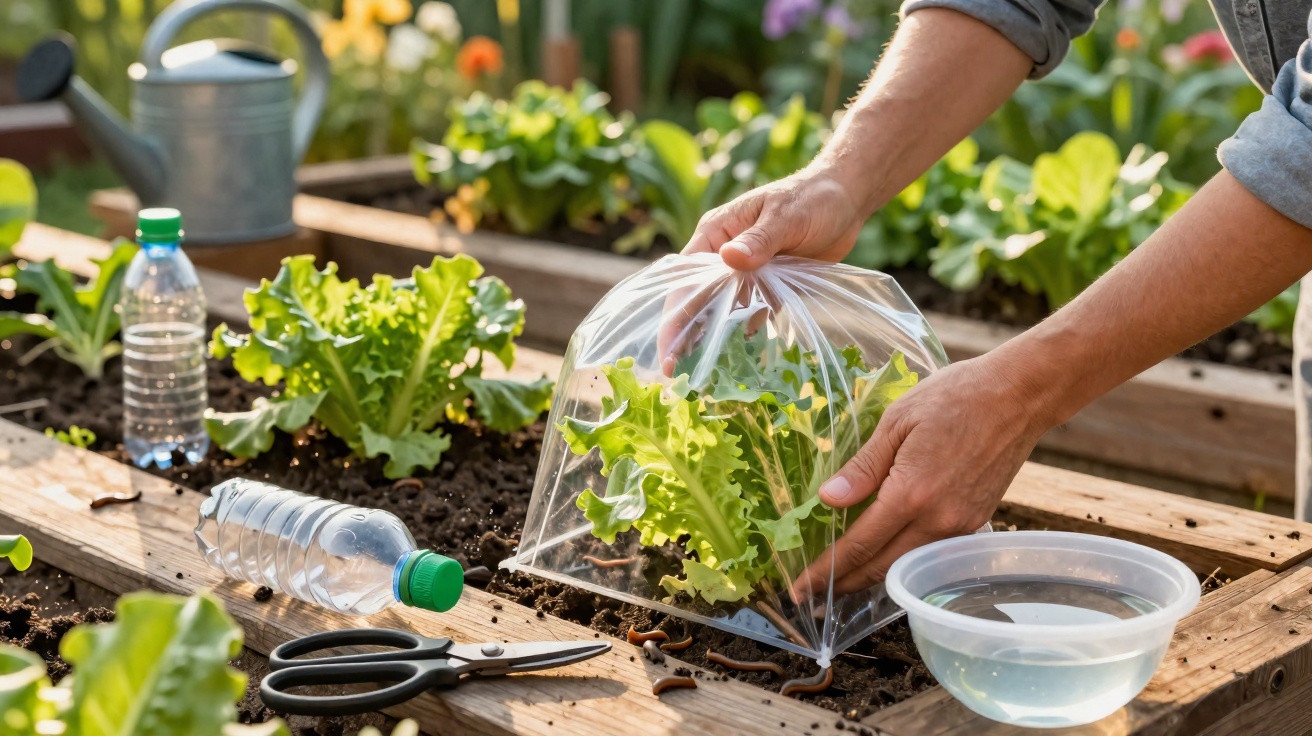
Slugs can be a nuisance, but there is a straightforward alternative to poison.
When vegetables disappear overnight, many frustrated home gardeners reach for blue slug pellets. Yet a growing number of people are realising that this chemical solution only tackles the issue in the short term and can harm wildlife, soil and, in many cases, pets. A remarkably easy method using an ordinary plastic bottle protects vulnerable plants far more gently – and often more effectively – than any granules.
Why conventional slug pellets are a real problem in the garden
Slugs have a terrible reputation. They devour lettuces, strawberries and young squash plants as though there were no tomorrow. However, they also serve useful functions in the garden: they consume dead plant material and provide food for hedgehogs, ground beetles, birds and toads.
Spreading slug pellets across a large area therefore seriously disrupts the natural balance. Many common products contain the active ingredient metaldehyde. This is regarded as hazardous to wildlife and pets, especially dogs and cats, if they eat the pellets.
“Slug pellets do not only eliminate slugs; they often affect their natural predators too – weakening the garden as a whole.”
Products containing ferric phosphate, often promoted in shops as “organic”, are not harmless either. They are regulated as plant protection products and may also affect organisms that are not meant to be controlled. For this reason, some gardeners specifically look for poison-free options that do one thing only: reliably shield plants at risk.
The principle: protect plants rather than wipe out all life in the bed
Rather than killing slugs in large numbers, many gardeners are increasingly relying on physical barriers. The aim is not to destroy every slug, but to protect the most vulnerable plants until they have passed their critical early stage.
Plants especially at risk include:
- young lettuce plants
- newly sown spinach and Swiss chard
- seedlings of squash, courgette and cucumber
- newly planted strawberries
- ornamental plants with soft leaves, such as dahlias
Once these plants have developed sturdier stems and leaves, they cope much better on their own. The key, then, is to keep them out of the slugs’ path for the first two to three weeks – which is exactly where the plastic bottle trick comes in.
The plastic bottle as a shield: how this simple slug protection works
The basic idea could hardly be simpler: an empty, clear plastic bottle becomes a small protective cover for each individual young plant. It creates a physical barrier that slugs simply cannot get past.
Materials that most households already have
You need only a few items to make these “mini greenhouses”:
- a 1.5- or 2-litre plastic bottle, clear and thoroughly rinsed
- sturdy scissors or a craft knife
- optional: tape or a stapler
- if desired: sand, wood ash or crushed eggshells for extra protection at ground level
Step-by-step instructions for the bottle protection
- Rinse the bottle and remove its label so that as much light as possible can pass through.
- Cut the base off cleanly, around 3–5 centimetres above the bottom edge.
- If the soil is prone to waterlogging, make several small holes in the upper section to allow condensation to escape.
- Plant the young plant in the bed.
- Place the bottle over it like a cloche.
- Push the cut edge 2–3 centimetres into the soil so that no slug can slip underneath.
In particularly exposed, windy locations, secure the bottle with two small sticks or press a little soil around its base. Some gardeners also scatter a narrow strip of sand, ash or crushed eggshells around the edge, making the barrier even less pleasant for these soft-bodied creatures.
“The bottle cover protects young plants from slugs, wind, heavy rain and sudden temperature drops at the same time – offering all-round protection.”
How long plastic bottles should remain in the bed
For vegetable beds, the critical period is generally two to three weeks. During this time, lettuces and cucurbits put on considerably more leaf growth and can later tolerate the occasional bite more easily.
As a rough guide:
- Lettuce: around 2 weeks beneath the bottle, until a strong central shoot is visible
- Courgettes, squash and cucumbers: 2–3 weeks, depending on weather conditions
- Strawberries: until they are well rooted and have produced their first new leaves
As soon as plants reach the top of the bottle, it is best to remove the cover on a dry, sunny day. Anyone still unsure can take it off during the day at first, then put it back on overnight.
How effectively the method reduces slugs
Reports from allotments indicate that correctly positioned bottle guards can dramatically reduce damage in vegetable beds. What matters is combining consistent use with regular checks.
Trials have shown that the number of slugs in a bed area can be reduced noticeably when:
- at least one bottle is used over roughly 2 square metres,
- covers are used consistently during the main feeding period, in spring and early summer,
- slug hiding places in the immediate surroundings are removed regularly.
With fewer young plants being eaten, there is much less need to replant. This saves seeds, seedlings and time – as well as a few frustrating moments at the breakfast table.
Small adjustments make the plastic bottle trick even more effective
Plastic bottle protection works especially well when it forms part of an overall garden approach that is less inviting to slugs. Several simple measures can significantly strengthen its effect:
- Water in the morning: Watering in the evening attracts slugs at their prime feeding time. Morning watering allows the soil to dry out somewhat before nightfall.
- Encourage natural predators: A pile of leaves, a stack of dead wood or a hedgehog house provides shelter for ground beetles, hedgehogs and toads.
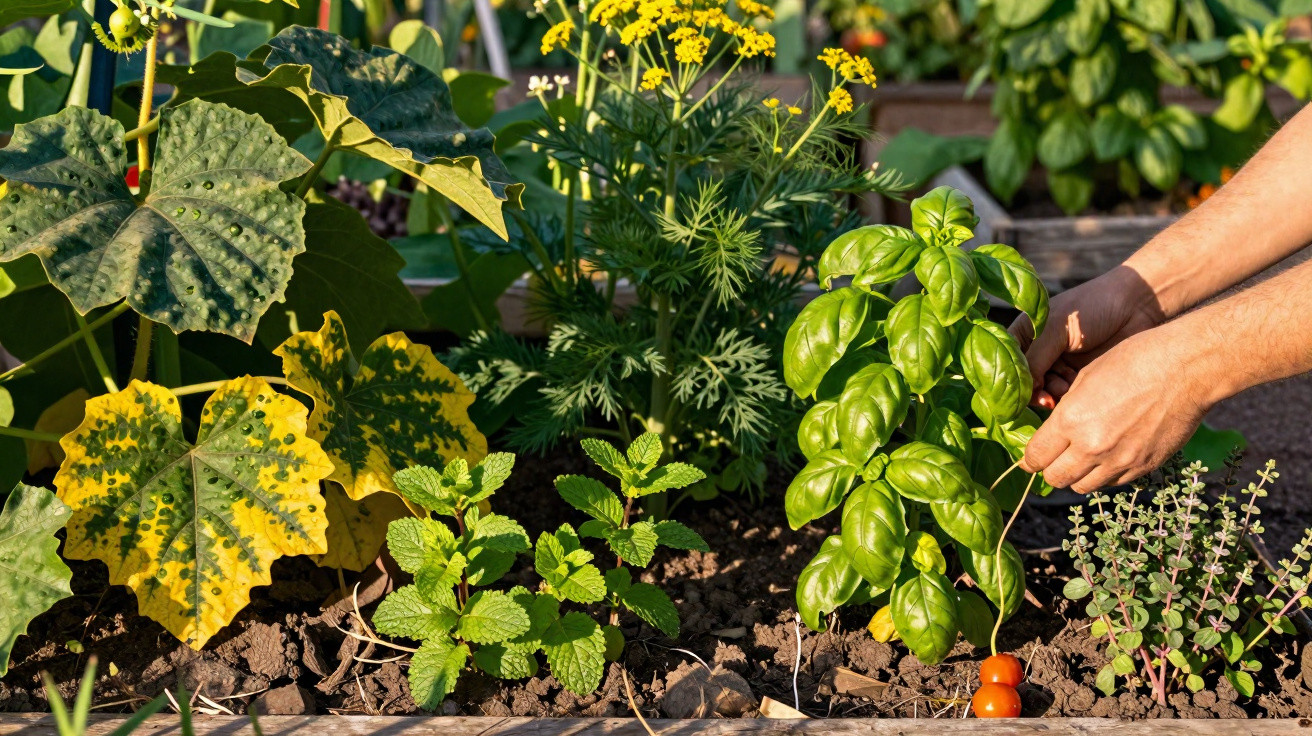
- Rethink plant choices: Strongly scented plants such as garlic, wormwood or fennel, which slugs avoid, can be planted among slug-favourite crops.
- Clear away hiding places: Boards, scraps of plastic sheeting and dense weeds directly beside the bed are considered slug hotels.
“Those who redirect slugs instead of eradicating them completely preserve biodiversity – and can still enjoy crisp lettuces.”
Plastic bottles in the garden: does that fit with environmental thinking?
At first glance, a plastic bottle in a natural garden may look out of place. In practical terms, though, it gives an already manufactured item a further use instead of sending it straight to the bin. Many gardeners collect bottles over the summer and reuse them for several seasons until the material becomes brittle.
Anyone wishing to avoid plastic altogether can create similar covers from clear glass cloches, cut-down glass containers or reusable plastic cloches from specialist retailers. The underlying principle is exactly the same: a close-fitting barrier that keeps slugs away while also giving plants a small microclimate advantage.
Important advice for pet owners and family gardens
Avoiding poison is a particularly strong argument where children play in the garden or dogs and cats roam freely. Even small quantities of metaldehyde can cause severe poisoning in pets. Products that appear gentler also do not belong in children’s hands.
The plastic bottle trick has a clear advantage here: there is nothing to swallow, nothing to lick and no colourful pellets to attract curiosity. The covers are visible, harmless and can be removed or repositioned at any time.
At the same time, children can learn how simple methods can influence ecological cycles in the garden. A throwaway bottle becomes a useful tool – and frustration over slugs turns into a small garden experiment that genuinely works.
Comments
No comments yet. Be the first to comment!
Leave a Comment