
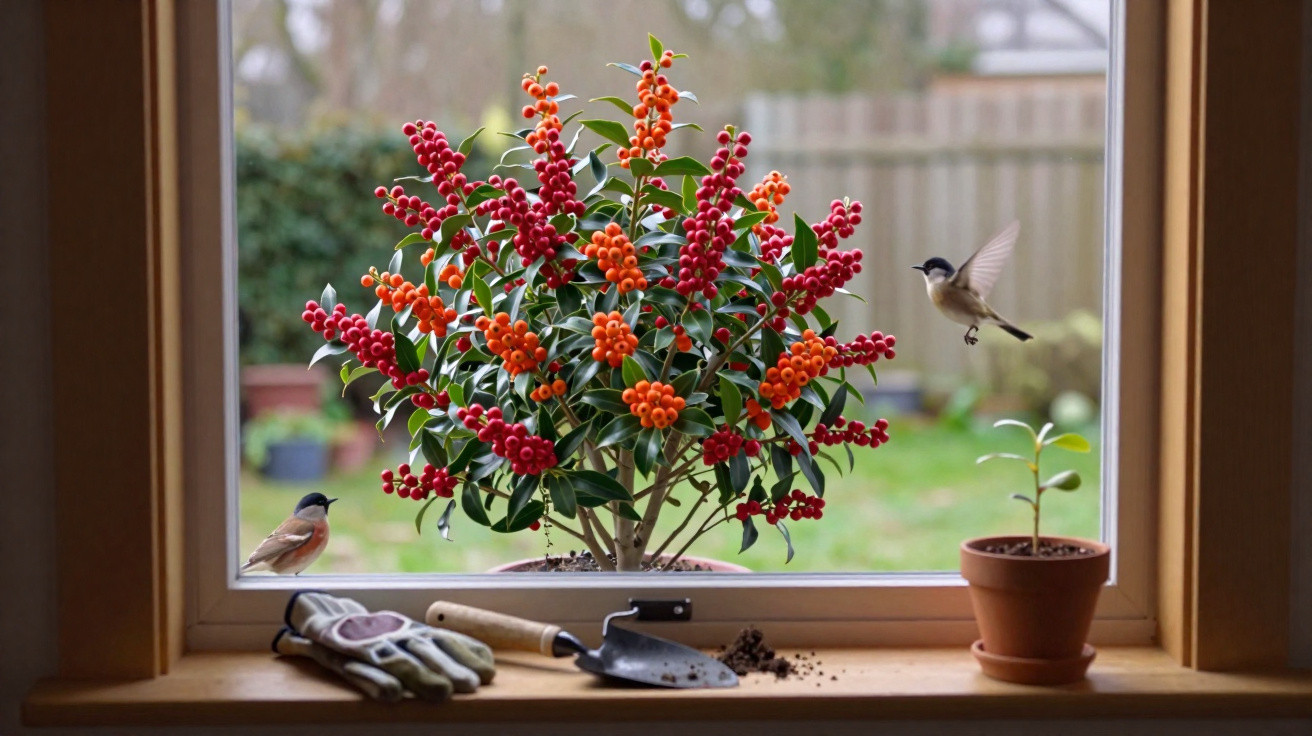
Plant wisely today and you can avoid buying countless fat balls and plastic feed bags in winter. One particular berry-bearing shrub can provide birds with food and shelter for months, when the rest of the garden is bare. The key is to get it into the ground in early spring, allowing it to produce its bright berries in time for winter.
Why March is the ideal month for this plant
Warm soil and cool air: the perfect planting window
During spring, the soil begins to warm up while the air remains pleasantly cool. This is precisely the combination a young shrub needs. Its roots can establish themselves in loose soil that is no longer excessively cold, without the plant drying out as quickly as it would in high summer.
Planting now gives the shrub a head start of several months. Over that period, it can:
- develop deep, secure roots;
- make use of the natural spring rainfall;
- require considerably less watering;
- cope far better with summer heat and brief dry spells.
If planting is put off until summer, the shrub may spend its most important growing stage simply trying to survive. It often then lacks the energy for flowers and berries – and birds lose the future winter food source those fruits would provide.
Plant in March, welcome birds in November
The annual cycle is straightforward: spring brings root growth, early summer produces shoots, summer brings flowers, and autumn delivers berries. Start that process too late and the berries may not appear at all, or will be sparse and undersized. This is what determines whether your garden feels quiet and empty in November or buzzes with life.
“A single, well-positioned berry shrub can provide food for dozens of native birds during winter.”
The stars of the bird-friendly garden: Pyracantha and native holly shrub
Bright berries provide energy when cold weather arrives
Two shrubs are particularly suitable and are available from almost every garden centre: Pyracantha, often called firethorn, and the traditional holly shrub with its glossy leaves. Both produce dense clusters of red or orange berries in late autumn.
For many native species, these fruits are a welcome feast, including:
- robins;
- blackbirds;
- tits;
- dunnocks and other small songbirds.
The berries supply sugars and valuable minerals at a time of year when insects are scarce and many seeds have already been eaten. Unlike scattered bird food, they stay attached to the branches and can be consumed gradually.
A thorny fortress, not a buffet for cats
A second benefit, often overlooked, is that both shrubs have dense evergreen foliage and strong thorns. That is exactly what makes them so valuable to birds. Within them, birds find:
- hiding places from birds of prey;
- protection from the neighbour’s cat;
- warmer spots in frost and wind;
- quiet sites for nests and overnight roosts.
While decididuous shrubs resemble bare frameworks in winter, firethorn and holly remain thickly covered all year round. Predators can scarcely move through them without risking injury. Small songbirds value this instinctively, as the dense growth improves their chances of survival.
“A thorny evergreen shrub performs several roles in the garden at once: feeding station, protective barrier and refuge.”
How to plant this bird magnet correctly
The planting hole: bigger is better than too small
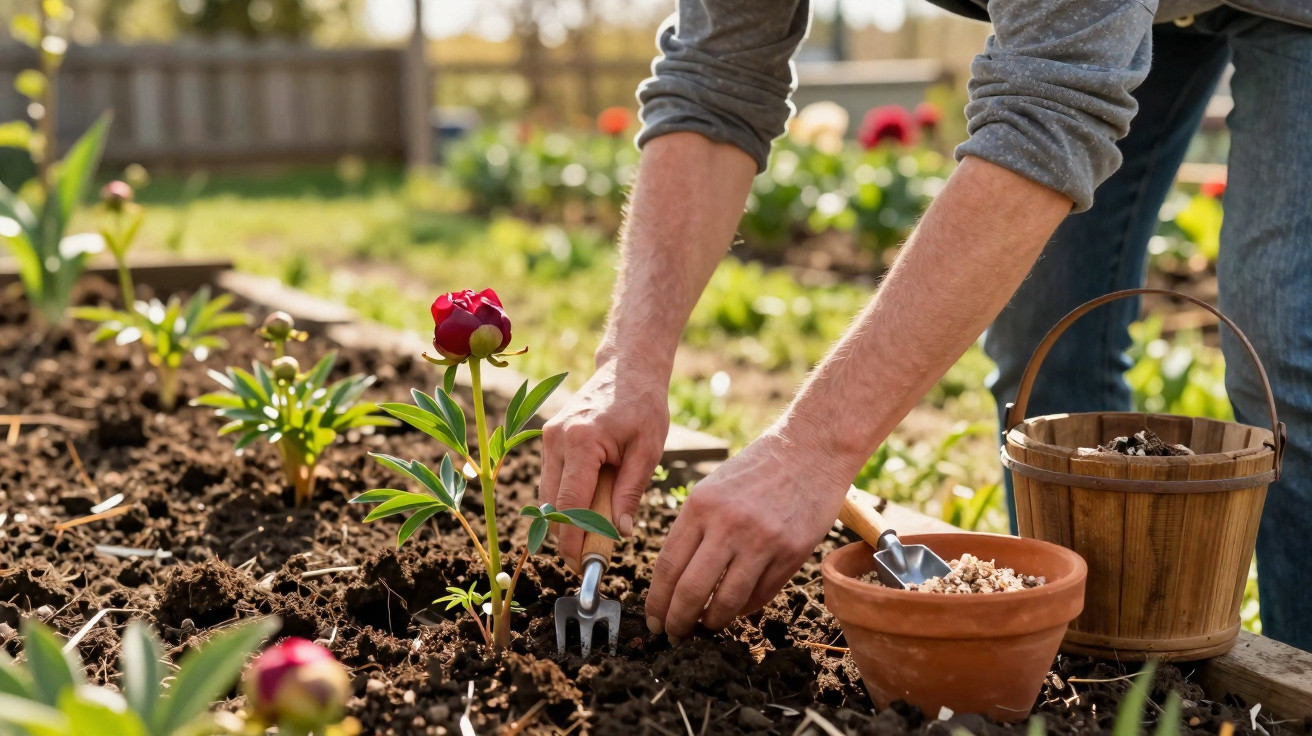
How you begin will shape the years ahead. The planting hole should be at least three times wider than the root ball. This gives the roots room to spread easily, rather than being trapped against a hard wall of soil.
Ideally, proceed as follows:
- Remove the root ball from its pot and briefly immerse it in water until no more bubbles rise to the surface.
- Dig a generous hole, loosen the surrounding soil and remove any stones.
- Mix in well-rotted compost – there is no need for bottled fertiliser.
- Position the shrub so that the top of the root ball sits level with the soil surface.
- Firm the soil around it so the shrub stands securely.
Compost releases nutrients slowly and evenly. This encourages compact, resilient growth rather than forcing the plant into producing soft, vulnerable shoots.
Watering and mulching: insurance for dry days
Immediately after planting, give the shrub a thorough watering. The aim is to remove air pockets from the soil and soak the root ball completely.
Then cover the soil with a layer of mulch. Suitable materials include:
- dried leaves;
- dried grass clippings from the most recent lawn cut;
- woodchip or pieces of bark;
- finished compost applied as a loose covering.
Mulch reduces temperature fluctuations, retains moisture in the soil for longer and suppresses weeds. This allows the young shrub to direct its energy into roots and shoots instead of competing with wild plants.
When the garden turns grey, the colour display begins
Laden with berries when nothing else is producing
The shrub reveals its real strength in late autumn. As perennials die back, trees lose their leaves and borders look bleak, thousands of small points of colour hang from its thorny branches. Snow and frost have little effect on the berries, which often remain well into winter.
Compared with scattering bird food, this brings several advantages:
- No mouldy food leftovers in the grass.
- No plastic waste from nets and packaging.
- Less risk of attracting rats and mice.
- Natural feeding behaviour of the kind birds are accustomed to.
“Rather than buying new feeders every winter, the plant works for many years as a self-renewing store cupboard.”
Birdwatching from the living-room window
Plant the shrub within sight of your home and you will have a free daily display. Activity is particularly lively on cold, clear days: tits clamber along the branches, robins hop among the thorns, and blackbirds pick out the ripe berries.
For children especially, this offers a direct connection with nature. They can learn how differently birds behave, which species visit more often, and how one shrub can create a small biotope.
More than decoration: a building block for genuine biodiversity
Three basic rules for your own mini bird sanctuary
Anyone wanting to make their garden deliberately bird-friendly can follow three simple principles:
- Prioritise native species: They offer the best combination of food and shelter for native wildlife.
- Plant while the soil is still moist: Spring and early autumn are the best times.
- Include thorny, evergreen structures: They create safe areas for nesting and overnight shelter.
A berry-bearing shrub can therefore replace a small part of the hedgerow landscape that once characterised many villages and fields. Where stone, gravel gardens or concrete now dominate, this function is often lost completely – with consequences for birds, insects and small mammals alike.
How to increase the effect further
Where space permits, pair the shrub with other food-producing plants, such as rowan, Cornelian cherry or wild roses. Different flowering and ripening periods ensure birds can find something from late summer through to winter.
Small piles of deadwood, heaps of leaves and a shallow water dish can also greatly increase the garden’s appeal. Gradually, this creates a stable, living system that needs little intervention. The berry shrub forms its bright red centre – both visually and ecologically.

Comments
No comments yet. Be the first to comment!
Leave a Comment