
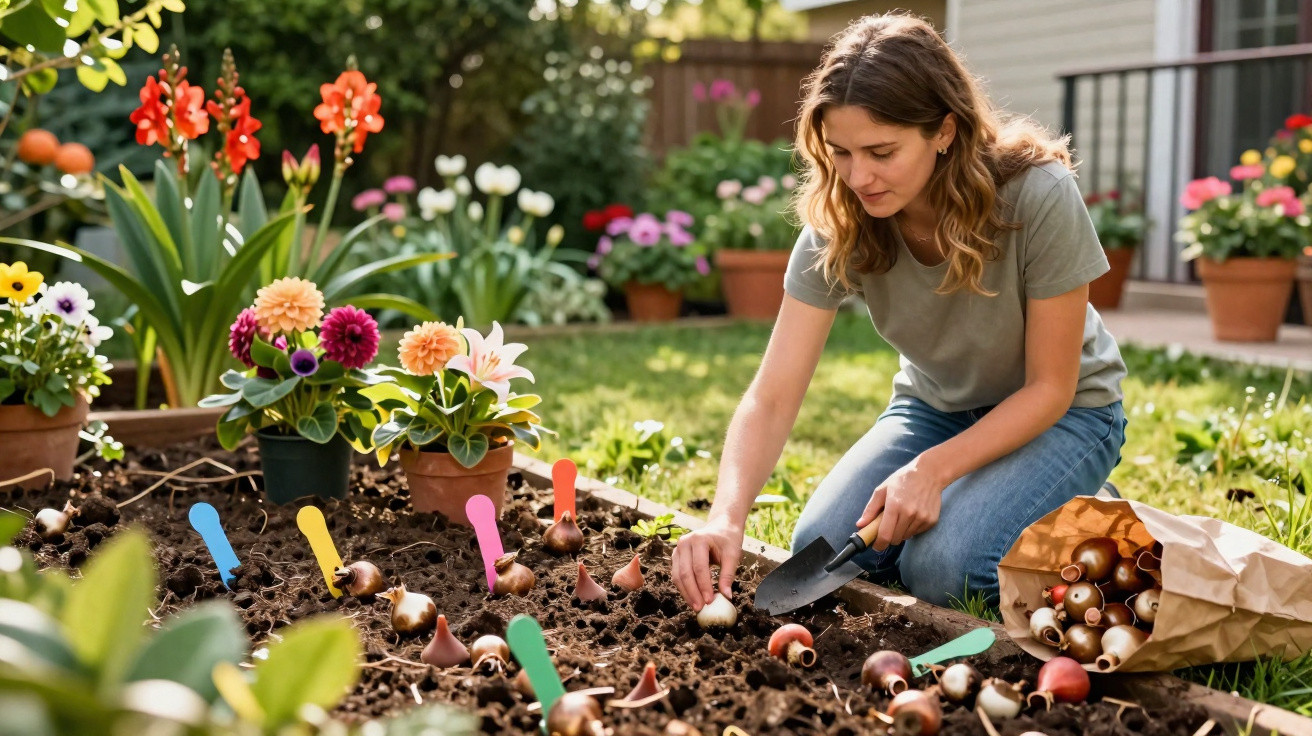
Planting summer bulbs now is a smart move: by summer, they can create a burst of colour that makes balconies and flower beds look completely refreshed. The key is choosing the right long-lasting varieties and following a few straightforward steps for planting and overwintering. Once established in a suitable position, many of these beauties return for several years.
Why summer bulbs are the best garden investment now
Perennial bulb flowers act like compact energy stores. Their bulbs contain the reserves needed to produce leaves, stems and blooms. Plant them in spring and they quickly get going in summer, with no lengthy wait.
“Anyone who plants between February and the end of May can look forward to abundant flowers in the same year – both in beds and balcony planters.”
Unlike traditional spring favourites such as tulips and daffodils, many summer bulbs do not need a long winter period in the ground. They have already received the required cold treatment at the nursery or in storage. Once there is no further risk of frost, they can be planted outdoors.
Their main advantages are:
- They flower in the height of summer, when many perennials are already beginning to tire.
- Many varieties bloom for weeks, sometimes well into autumn.
- Once bought, the bulbs or tubers can often be used for several years.
- They perform equally well in garden beds and large pots.
How to plant bulb flowers correctly
The method is much the same for almost every type, whether it is a bulb, tuber, rhizome or corm:
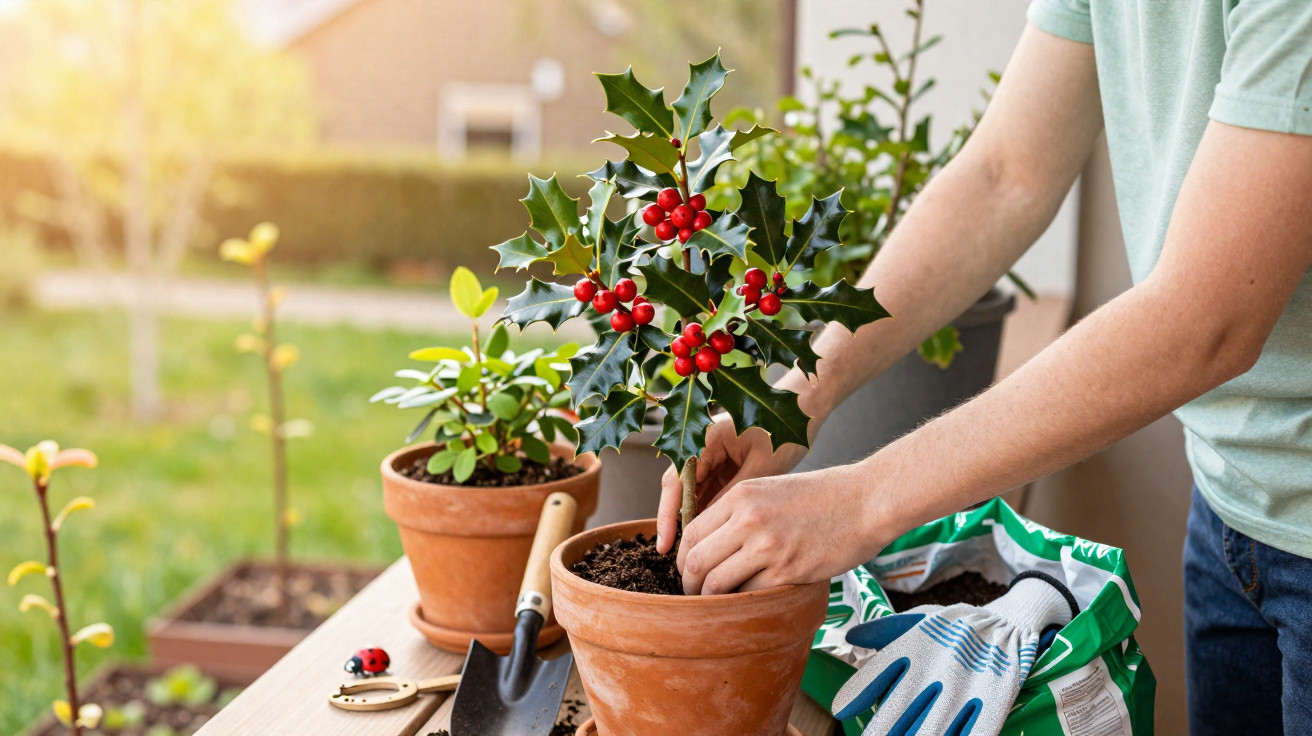
- Choose a site: full sun to partial shade, with no risk of waterlogging where possible.
- Prepare the soil: loosen it and remove stones and thick roots.
- Planting depth: as a broad rule, plant at roughly twice the height of the tuber.
- Positioning: place the pointed end upwards and the flatter side downwards.
- Firm in and water well: this removes any air pockets.
When planting in pots, always add a layer of expanded clay pellets or gravel at the base so excess water can drain away. Bulb plants tolerate plenty, but they generally do not cope well with waterlogged roots.
The 10 most exciting summer bulbs for gardens and balconies
Amaryllis for dramatic displays
Large-flowered amaryllis (Hippeastrum) is best known as a winter houseplant. In a summer bed, however, it impresses with exotic trumpet-shaped flowers in red, pink, white or striped forms. It prefers warmth, sunshine and loose soil. Large pots on the patio are ideal, with half of the bulb left visible above the compost.
Anemones for a delicate carpet of flowers
Anemones produce dense carpets of dainty blooms. They suit borders, the front of flower beds and spaces beneath open shrubs. Soaking the often bone-dry tubers in lukewarm water for a few hours before planting gives them a better start.
Begonias: colour wonders for shady spots
Tuberous begonias bring colour to north-facing balconies and shaded corners where roses and lavender struggle. Their double or single flowers last for months. The tubers must be protected from frost and should rest dry but frost-free in autumn, for example in a box lined with newspaper.
Caladiums – foliage interest rather than floral splendour
Caladiums rely on striking leaves in white, pink, red and green. They are excellent for partially shaded positions, where their leaf patterns really stand out. These tubers need warmth and only sprout reliably when temperatures remain consistently above 20°C.
Cannas: tropical character in no time
Cannas resemble small banana plants with vivid flower spikes. They thrive in full sun and moist, nutrient-rich soil. Whether grown in patio containers or used as a focal point in a perennial border, they bring a holiday feel to everyday life. In mild areas, they can remain in the ground beneath a thick mulch layer; elsewhere, lift the rhizomes in autumn.
Crocosmias bring fiery colours to flower beds
Crocosmias provide glowing orange and red shades on elegant, arching stems. They work particularly well among grasses and airy perennials. In winters that are not too harsh, they can survive the cold season with a protective layer of leaves or bark mulch.
Dahlia tubers – late-summer stars
Dahlias rank among the most popular summer-flowering plants. Whether pompon, cactus or giant-flowered types, they truly come into their own in late summer. Planting them in stages provides continuous blooms, including flowers for vases, until the first frost. Store the tubers frost-free but cool, for instance in a garage or cellar at 1 to 7°C.
Gladioli for dramatic cut flowers
Gladioli produce long, upright flower spikes that dominate any bouquet. In borders, they add structure when planted in groups of five to ten corms. Planting another batch every two weeks extends the flowering period gradually into late summer.
Summer lilies as fragrant classics
Lily bulbs are among the most enduring summer-flowering plants. They often remain in the same position for many years and can become even more beautiful over time. Many varieties have an intense fragrance, making them ideal near seating areas. One important point: the soil must not become waterlogged in winter, otherwise the bulbs will rot.
Strongly scented tubers for the evening patio
Tubers with an especially powerful fragrance are ideal for containers placed directly beside chairs or loungers. Their sweet scent is most noticeable in the evening, when the air becomes slightly more humid. If they are lifted after flowering and stored frost-free, they can be used again the following year.
Which position suits which bulb plant?
Choosing the right location determines whether the summer display looks merely pleasant or truly impressive.
| Plant | Position | Special feature |
|---|---|---|
| Cannas | Full sun, nutrient-rich soil | Tropical effect, large leaves |
| Dahlias | Sun to partial shade | Huge variety of types, ideal for cutting |
| Begonias | Shade to partial shade | Long flowering period, perfect for balcony planters |
| Caladiums | Bright but out of midday sun | Decorative foliage, better suited to containers |
| Lilies | Sunny, free-draining soil | Often fragrant, very long-lived |
Cannas, dahlias, crocosmias, gladioli and lilies show their best qualities in hot, sunny beds. They are highly attractive to bees and butterflies and add height to planting schemes. For shaded corners of the house, begonias, caladiums and anemones provide colour without struggling.
How to overwinter tubers without frost damage
Many of the plants listed can survive outdoors in winter only to a limited extent. Anyone living in colder areas is better off taking the safer approach:
- Cut back the foliage after the first light frost.
- Carefully lift the tubers and shake off most of the soil.
- Leave them to dry for several days in an airy place.
- Store them in boxes with paper, straw or a slightly moist growing medium.
- Keep them frost-free, dark and as cool as possible.
It is worth checking them once a year: lightly moisten shrivelled tubers with a little water, but remove any rotten ones so they do not infect the rest.
Practical tips for lazy but smart gardeners
A few simple techniques will help you get more from summer bulbs without creating extra work:
- Use large pots: they dry out more slowly and need watering less often.
- Plant bulbs in groups rather than scattering them individually, as this makes beds appear fuller.
- Combine them with grasses or evergreen perennials so the area still looks attractive outside the flowering season.
- Regularly cut away faded stems to prolong flowering.
If you enjoy improvising, you can also fill gaps in beds in early summer with pots that have not yet flowered. Gladioli, cannas and begonias can be placed between perennials with their containers still on, then removed just as easily in autumn.
What beginners should also know
Two terms often arise in connection with bulb plants: “hardy” and “perennial”. Hardy means that a plant can tolerate frost while growing in the ground. Perennial simply means that it is fundamentally capable of living for several years – though it may only do so if it is overwintered frost-free.
Some combinations look particularly harmonious: dahlias with ornamental grasses, cannas with white anemones, or begonias beneath hydrangeas. Following such pairings gives you more than attractive individual plants; it creates coherent displays across the whole garden or balcony.
Comments
No comments yet. Be the first to comment!
Leave a Comment