
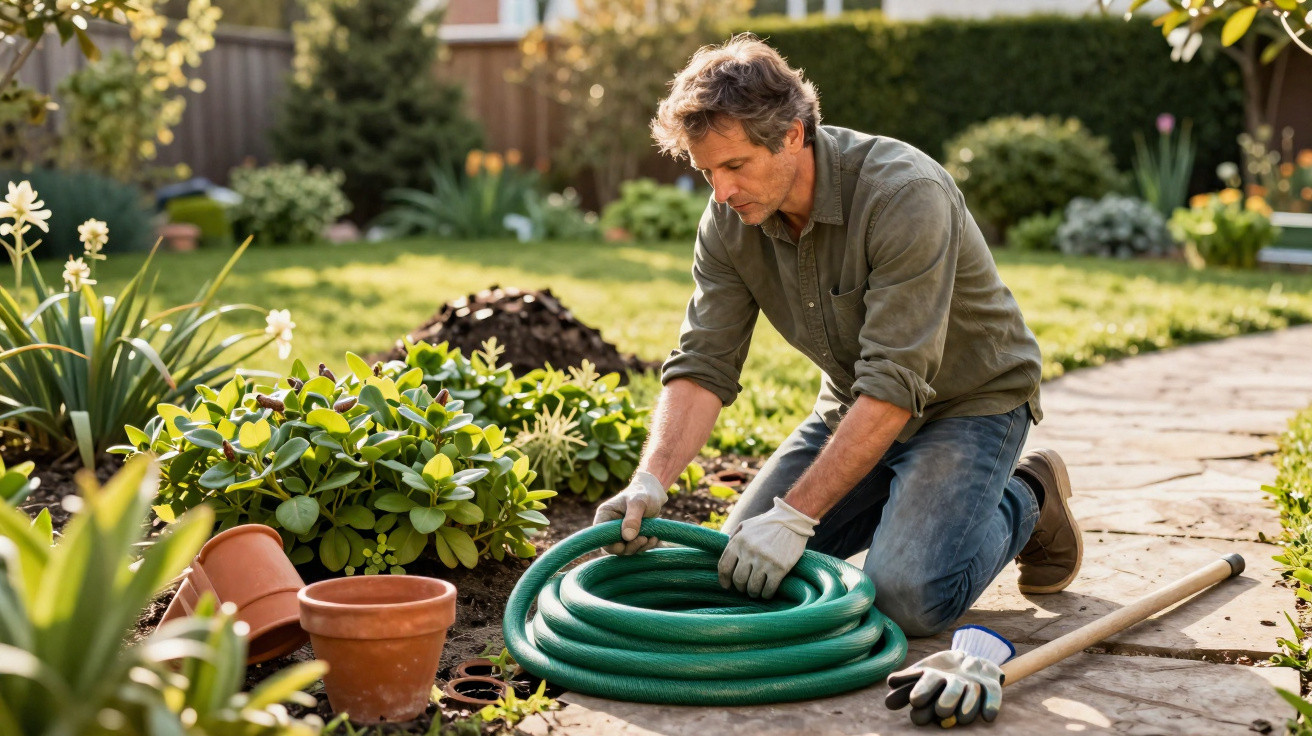
Many amateur gardeners look forward to freshly mown lawns and colourful flower beds, yet give little thought to snakes. However, just one item left lying around carelessly can make a garden especially appealing to these animals. Experts warn that anyone who overlooks this detail could end up reaching straight into a reptile hiding place.
Why spring draws snakes into the garden
From around March, snakes emerge from their winter refuges. Their metabolism becomes more active, and they look for sunny, sheltered spots where they can warm up. Areas between 25 and 30 degrees, dry or slightly damp and protected from the wind where possible, are ideal.
Private gardens often provide precisely these conditions. Their favourite places commonly include:
- dense hedges and bushes
- wood piles and stacked branches
- stone walls, dry-stone walls and gaps between stones
- long grass and overgrown corners
- forgotten plastic sheeting and tarpaulins
In some countries, hundreds to thousands of snake bites are recorded every year, many involving viper species. Encounters are also becoming more frequent in German-speaking regions. A combination of longer hot spells and changing habitats is increasingly pushing these animals closer to residential areas - and therefore into gardens as well.
“Snakes are not aggressive towards people; they usually defend themselves only when they feel threatened or are startled.”
This watering tool acts like an invitation to snakes
What many people do not realise is that an ordinary garden hose can become a perfect snake den, especially when it is coiled up on the ground.
Why a garden hose is so appealing to snakes
The reasons are easy to understand:
- Heats up quickly: A hose’s material becomes very warm in the sun and retains heat for a long time.
- A damp, cosy spot: After watering, residual water often remains inside the hose or around it. Combined with warmth, this creates a pleasantly humid microclimate.
- A protected tunnel: A tightly coiled hose creates cavities that are barely visible from above. To a snake, this resembles a safe tunnel right at ground level.
Snakes are known as ectothermic animals. They cannot regulate their own body temperature and instead depend on their surroundings. Anything that warms up well while also offering cover automatically goes on their list of favourite places.
“A coiled hose at the sunny edge of a flower bed is almost a dream hiding place from a snake’s point of view.”
Anyone reaching for the hose quickly to water in spring or summer should inspect the area closely first. If the hose is lying in grass or runs alongside a wall, a snake may be concealed beneath it or between its coils.
How to check the garden hose before picking it up
A few simple actions can significantly reduce the risk:
- From a distance of one to two metres, briefly scan the area: is anything moving? Is there a noticeable long shape beside it?
- Gently tap the hose or the surrounding ground with a stick or broom handle.
- Wait a few seconds: a startled snake will usually retreat if it has an escape route.
- Only then should you use your hand to pick up the hose.
This brief routine takes very little time but can prevent unpleasant surprises.
Other common snake hiding places in the garden
The garden hose is only one example. Many other objects create similar conditions: warm, dark and sheltered.
Materials and objects that can cause problems
Snakes are particularly drawn to:
- dark plastic sheeting and tarpaulins lying on the ground
- metal sheets or pieces of corrugated metal placed on the ground
- leftover fibre-cement sheets or roofing panels
- boards and pallets lying flat
- loosely stored stones and concrete slabs
All these materials share one feature: they absorb warmth from the sun and release it gradually. Beneath them, a shaded space protected from the wind is created - ideal conditions for reptiles, insects and small mammals.
“Anyone who reduces these ‘ground traps’ in the garden removes a large proportion of the attractive hiding places available to snakes.”
Turning hiding places into harmless areas
The risk can be greatly reduced with a few practical changes:
- Store sheets upright: Metal or fibre-cement sheets should ideally be leaned vertically against a wall. This leaves virtually no protected cavity underneath.
- Lift tarpaulins off the ground: Do not leave covering sheets flat on the soil; roll them up or place them on shelving, tables or pallets.
- Raise garden tools: Rakes, spades, wheelbarrows, watering cans and hoses should ideally be hung up or stored on racks.
- Tidy wood piles: Reduce awkward nooks and avoid leaving rotting piles directly on the ground.
How to make the garden less attractive to snakes
Anyone wanting to reduce snake encounters on their property should address several areas at once.
Tidiness and maintenance are the most important measures
- Mow the lawn regularly, particularly around paths and seating areas.
- Keep uncontrolled growth back near patios and house entrances.
- Put garden equipment away after use rather than leaving it in the grass permanently.
- Avoid placing compost heaps and cut branches directly beside heavily used areas.
Wild areas at the far end of the garden can still be worthwhile, as they attract wildlife and encourage biodiversity. However, households with young children or dogs should clearly separate these zones from seating and play areas.
What to do if a snake does appear
Even with every precaution, a snake may occasionally show up. If it does, follow these rules:
- Stay calm and avoid sudden movements.
- Do not corner the animal or try to drive it away with sticks.
- Keep children and pets at a distance.
- Step back slowly and leave the animal opportunities to retreat.
Many species are harmless and will move on by themselves when nobody approaches them. It is only worth contacting local nature conservation services or a reptile specialist if the animal remains in a sensitive location, such as directly by the front door, or appears regularly.
Why snakes are useful despite everything
Although the thought of a snake in the garden may feel unpleasant, these animals serve an important purpose. They help control populations of mice and other small mammals, which can in turn damage plants, cables and stored supplies.
Storing hoses, tarpaulins and sheets sensibly therefore lowers the chance of a direct encounter without driving the animals away entirely. A structured, tidy garden with a few deliberately created natural areas offers a good balance between safety and closeness to nature.
“The key is not to exclude snakes completely, but to avoid risky hiding places in the wrong locations.”
The unassuming garden hose in particular demonstrates how strongly small details can change a garden’s character for wildlife. Those who keep this in mind in future will protect themselves - and will no longer unknowingly reach into a warm, living hiding place when watering.
Comments
No comments yet. Be the first to comment!
Leave a Comment