
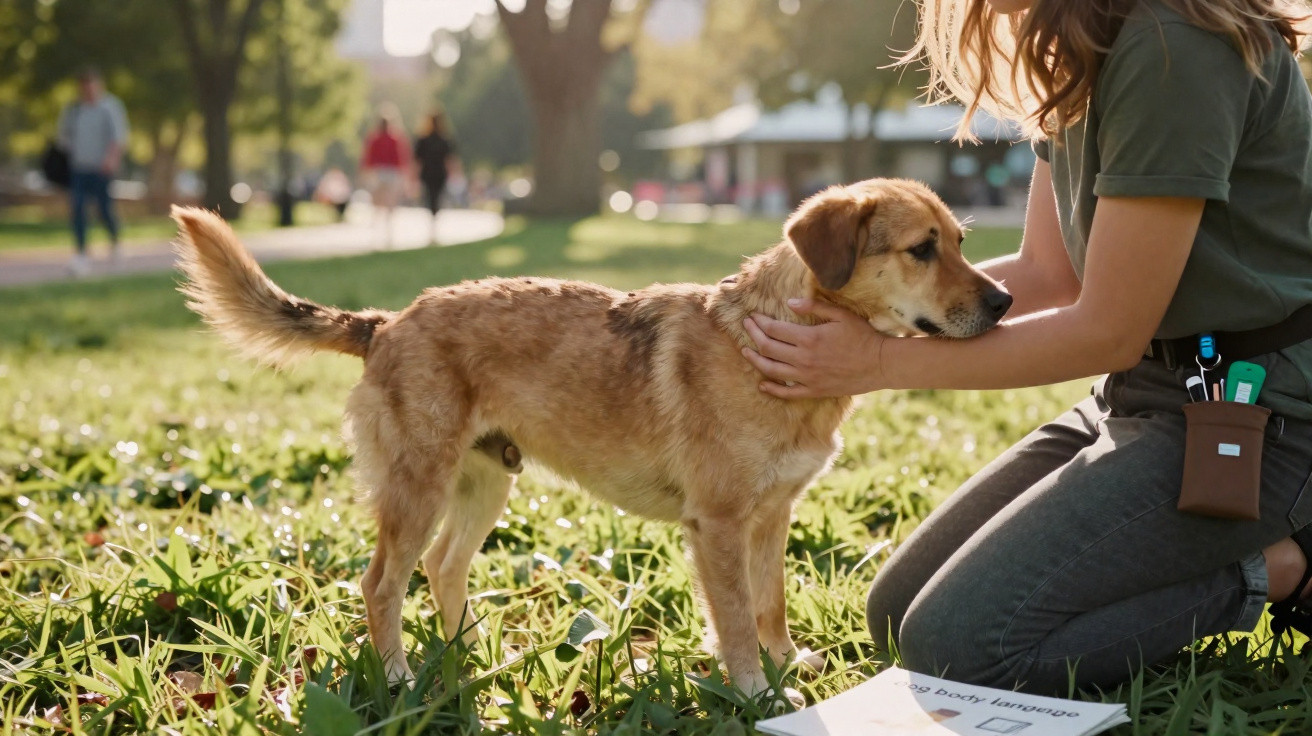
Petting dogs can be an important form of social contact, but touching an animal does not automatically make the experience pleasant. According to animal behaviour specialist Juan Manuel Liquindoli, every dog has its own preferences. Studies combining behaviour with physiological responses reveal clear differences depending on the part of the body touched and how that contact is made.
Which body parts tend to respond best to petting?
The chest and shoulders are among the areas linked with the most favourable responses. In a study involving 28 dogs exposed to different forms of human physical contact, stroking the chest was associated with increased vagal tone, a physiological indicator consistent with greater stability during that interaction. Liquindoli also identifies the chest and shoulders as areas that received a positive response.
- The chest is among the areas with the most favourable physiological response.
- Shoulders have also been linked to better tolerance of contact.
- Gentle movements make it possible to assess the animal’s reaction.
- Individual preference remains more important than any fixed rule.
Why can paws, the neck and the base of the tail cause discomfort?
Liquindoli identifies the paws, the underside of the tail and the neck as areas more commonly associated with discomfort. Interactions that restrict movement, such as holding the muzzle or restraining the dog, were also less well received. Research into physical contact has already found differing behavioural and cardiovascular responses according to the type of handling used.
How can you tell when a dog does not want to be petted any longer?
A dog’s body language will often emerge before it gives a more obvious reaction. Turning its head away, avoiding direct eye contact, licking its muzzle, blinking, lifting a paw or becoming still can all signal discomfort in that situation. Yawning, shaking its body, scratching itself or beginning to sniff the ground are also among the behaviours observed during unwanted interactions.
These signals must be considered alongside the circumstances. A relaxed dog will generally have a loose body posture, normally positioned eyes, natural ear placement and a relaxed mouth. In contrast, a lowered head, ears held back, a tucked tail, averted gaze and lip licking may accompany feelings of concern or discomfort.
- Turning its face away or avoiding eye contact.
- Repeatedly licking its muzzle.
- Suddenly becoming still while being touched.
- Raising one of its front paws.
- Yawning, shaking itself or starting to scratch.
- Moving its body away or focusing its attention on another object.
Why does knowing the dog change the experience of contact?
No two dogs have precisely the same tolerance for touch. Age, past experiences, socialisation, health, personality and familiarity with the person all affect their response. Studies of human–dog interaction have identified behavioural differences according to both the individual giving the petting and the body area selected, reinforcing that context is an essential part of physical contact.
What is the best way to pet a dog without causing discomfort?
The starting point is to let the dog take part in the interaction. Gently stroke its chest or shoulders, then pause after a few seconds to see what happens: if it comes closer again, leans against you or seeks further contact, that suggests it wants the interaction to continue. If it turns its head, moves away, stiffens its body or shows other signs of discomfort, persisting removes its opportunity to choose.
Petting dogs works best, therefore, when it stops being an automatic gesture and instead takes account of the animal’s response. The chest and shoulders can be good places to begin, while paws, the neck and contact that limits movement require greater care. Watching posture, eyes, ears, movements and attempts to move away can turn petting into an interaction based on what the dog is genuinely showing it feels.

Comments
No comments yet. Be the first to comment!
Leave a Comment