
Planning a garden for heat and wildlife
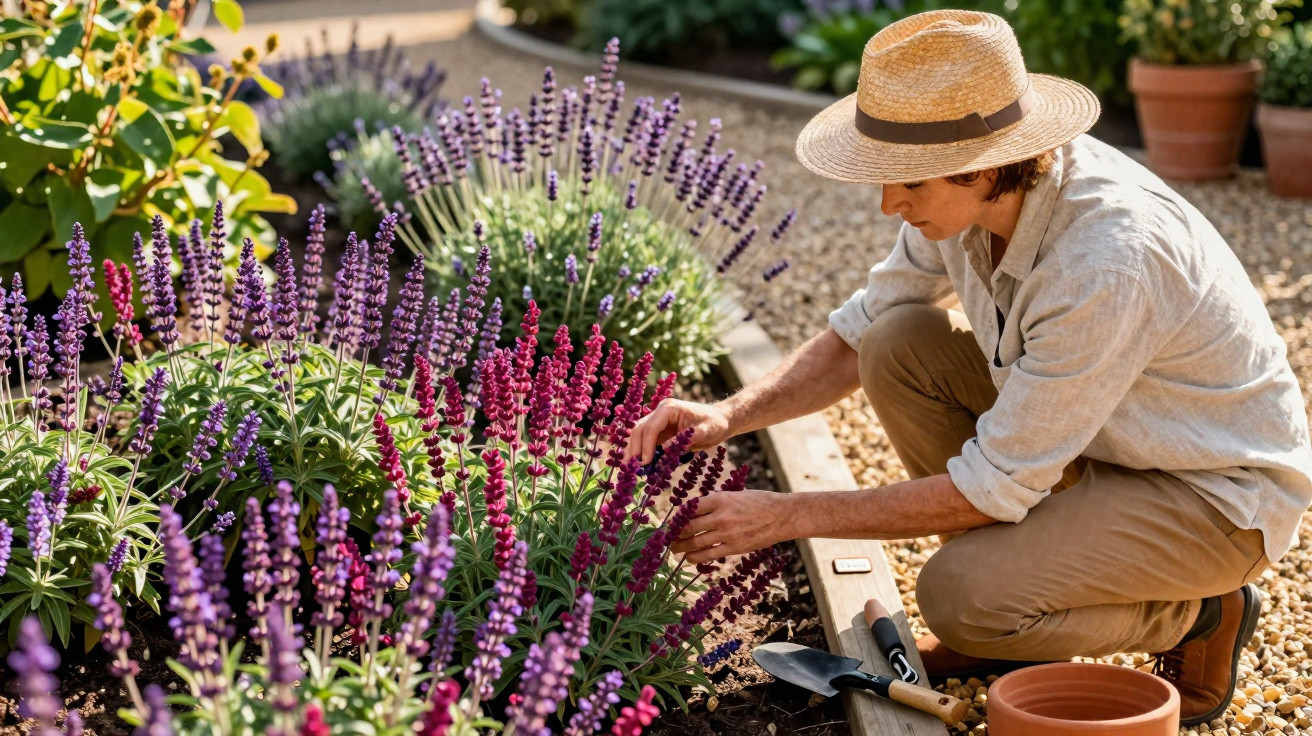
Anyone planning a garden today is thinking about far more than appearance. Heatwaves, watering restrictions and declining insect populations demand a different approach. The ideal plant must cope with dry conditions, flower for months and, at the same time, provide food for bees, bumblebees and butterflies. Lavender is often considered the first choice, but another fragrant perennial outperforms it in many respects.
Perennial sage: why professionals choose Salvia
In garden centres, it is often easy to overlook: small pots of sage, botanically known as Salvia, sitting on the shelves. Many people immediately associate it with culinary herbs. However, landscape gardeners primarily select the ornamental varieties, namely perennial sage with especially abundant flowers.
“Perennial sage flowers for months, needs hardly any water and attracts more pollinators than lavender.”
Its upright flower spikes make it well suited to adding structure to borders, edging paths or quickly brightening dull areas. It also fits perfectly into modern, naturalistic planting schemes that require no chemicals and very little maintenance.
Perennial sage for low-maintenance planting schemes
With its scented foliage and long-lasting blooms, perennial sage combines easily with planting designs intended to cope with dry weather while supporting wildlife.
A burst of colour from spring to late summer
As soon as temperatures rise in spring, perennial sage begins to grow. Long flower candles emerge from its dense foliage and, depending on the variety, appear in:
- deep royal blue

Comments
No comments yet. Be the first to comment!
Leave a Comment