
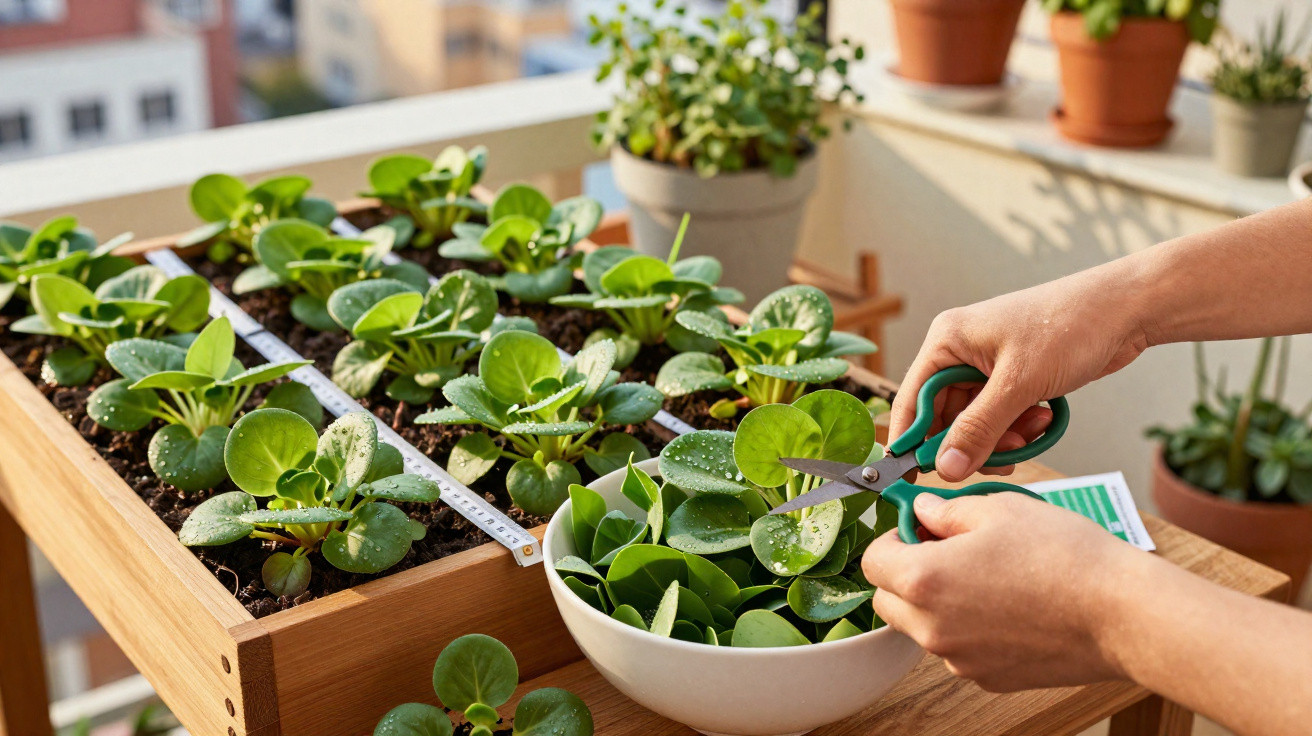
A little-known leafy plant can put an end to frustration in the vegetable patch – and produces a crop in record time.
Every spring brings the same intention: more fresh leaves from the garden and fewer expensive supermarket salads. In practice, slugs, heatwaves and lettuce plants that bolt can ruin the dream of a generously filled salad bowl. Yet one nearly forgotten plant, commonly known in German as Tellerkraut or Claytonie, offers exactly what amateur gardeners want: rapid growth, tender leaves and very little effort.
The unassuming leafy wonder: what Tellerkraut really is
As tough as a weed, as tender as baby leaves
Known as Claytone from Cuba – and often sold as Tellerkraut or winter purslane – this plant initially appears rather modest: small, pale-green, heart-shaped leaves growing densely close to the ground. Anyone who grows it soon discovers that this first impression is misleading.
“The plant combines two qualities that rarely come together in a vegetable garden: immense resilience and exceptionally tender leaves.”
While conventional head lettuces struggle with changing temperatures or immediately start flowering, Tellerkraut largely carries on without fuss. Its leaves stay succulent and mild, making them suitable for salads, sandwiches or as a delicate accompaniment to hot dishes. That is a real benefit for anyone aiming to cook seasonally and economically.
No more temperamental lettuces that bolt at once
Many home growers know the situation: lettuce plants are tended for weeks, only to suddenly send up flower stalks. The leaves turn bitter and all that work feels wasted. Traditional varieties are particularly sensitive to heat and dry conditions.
Tellerkraut belongs in a different category. It copes with temperature changes far more calmly than common garden lettuces. The first warm days do not unsettle it, and it also tolerates cool spring nights. Anyone gardening on an allotment or balcony without wanting to monitor every cloud and ray of sunshine will greatly benefit from its easy-going nature.
How to sow Tellerkraut for a genuinely speedy salad crop
The key mistake: burying the seeds too deeply
Growing it is considered straightforward, but one detail determines success or failure: sowing depth. Tellerkraut needs light in order to germinate properly.
“The rule of thumb: cover the seeds with no more than half a centimetre of soil – preferably less rather than more.”
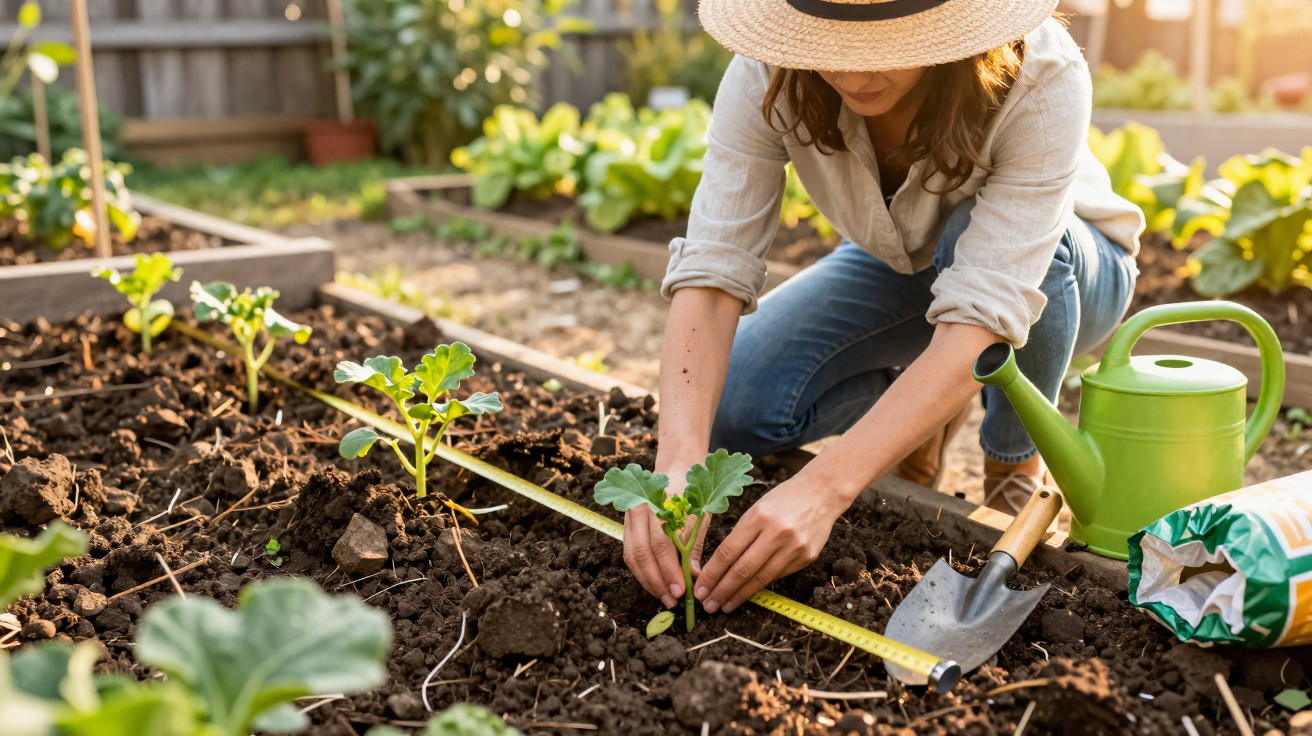
In practical terms, scatter the seed over a finely crumbed bed or balcony planter, then lightly draw it in with a rake or your hand. Do not press it down firmly or cover it with a thick layer of soil. Those who are too generous with soil may later be surprised by poor germination.
Give it room: why rows 15 centimetres apart make sense
Especially in small gardens and balcony planters, it can be tempting to sow as densely as possible. With Tellerkraut, that approach backfires. Crowded plants encourage fungal diseases and prevent the leaves from drying well, particularly after rain or heavy watering.
Sowing in rows roughly 15 centimetres apart is ideal. It may sound generous, but it provides several advantages:
- improved air circulation between rows
- less risk of fungal infection
- slower evaporation of water from the soil
- broader, richly green cushions of growth
If only pots or containers are available, sow broad bands instead of rows – while keeping the same gap between each band.
Be brave enough to thin: why thinning can double the harvest
Sacrifice young plants so the rest can thrive
When the first green shoots emerge, many gardeners are reluctant to pull any out. Every seedling seems valuable. However, this is precisely the point that decides whether Tellerkraut ultimately produces thin strands or strong leaf rosettes.
“Removing a few young plants gives those left behind more light, nutrients and space – increasing the overall yield.”
As soon as the seedlings are large enough to grasp, it is worth carrying out the first thinning by hand. Use weaker plants or those growing too closely together in the kitchen straight away: the tiny leaves are excellent in a mix of young salads, alongside rocket, spinach or Asian salad leaves.
The 10-centimetre method for perfect rosettes
After the first thinning comes the final adjustment. The aim is to leave around 10 centimetres between each individual plant. This gives every plant its own personal growing space.
The result is a neat, rounded cushion of dense foliage rather than a tangled carpet. There is no need to discard the cut or pulled young plants – once washed, they can go directly onto the plate as part of a baby-leaf mix.
From seed to the first bowl: surprisingly fast results
The scissors can come out after six to eight weeks
Many vegetables require patience. Tellerkraut, by contrast, rewards growers quickly. In normal conditions, the first seed leaves develop into harvest-ready plants in about six to eight weeks.
“Those who sow in spring can often fill their first large bowl with home-grown leaves before summer arrives.”
One important point: do not begin too early while the ground is still icy cold. Sowing can start once spring feels settled and the soil is no longer soaking wet and chilly. For later summer sowings, choose a partially shaded spot so that the foliage does not scorch.
Cut correctly rather than pulling: how to get several harvests
The biggest harvesting mistake is pulling the entire plant from the soil, roots and all. That method produces only one serving. Reaching for scissors is much more sensible.
Cut the leaves just above the base of the rosette, leaving the centre, or growing heart, intact. The plant will regrow from this point and provide another two to three cuts. In practice, one sowing therefore gives several flushes of harvest – ideal for anyone who wants a continual supply of fresh leaves without constantly sowing again.
All the figures at a glance: growing Tellerkraut is almost effortless
The most important spacings and timings
Anyone who prefers clear reference points can simply note down these key values for Tellerkraut:
| Task | Guideline |
|---|---|
| Sowing depth | approx. 0.5 cm, covered only lightly |
| Spacing between sowing rows | approx. 15 cm |
| Space between plants after thinning | approx. 10 cm |
| Time until the first harvest | around 6–8 weeks after emergence |
Why Tellerkraut could be the quiet queen of the salad bowl
Once you have mastered Tellerkraut, you gain plenty of freedom throughout the gardening year. It provides a dependable salad base without the need for constant experiments with new seeds. Since it grows quickly and makes few demands on the soil, it suits beginners just as well as experienced gardeners looking to expand what they grow.
There is another advantage: the plant manages without artificial fertiliser provided the soil is reasonably loose and rich in humus. Mixing in compost or well-aged soil from a raised bed is usually entirely sufficient. The bed then becomes a small source of vitamins that is kinder to both the climate and the budget.
Practical tips for balconies, companion planting and the kitchen
Ideal for small spaces and shady corners
Tellerkraut is not limited to traditional vegetable beds. It is equally happy in a window box, a container by the front door or a narrow raised bed beside the patio. A partially shaded position is perfectly adequate; the plant also grows well beneath open shrubs or next to taller vegetables.
As a companion plant, it works well with slower-growing crops such as cabbage, tomatoes or peppers. While these plants are still growing upwards, Tellerkraut fills the lower level – then disappears again when the larger crops need the space.
Kitchen ideas and possible pitfalls
Tellerkraut tastes mild and slightly nutty, and is noticeably less sharp than rocket or endive. The leaves work well in:
- classic green salads with an oil-and-vinegar dressing
- sandwiches and other bread toppings instead of head lettuce
- warm side dishes, briefly mixed through potatoes or vegetables
- smoothies as a gentle green base
A few points need attention: the plant dislikes waterlogged conditions in pots or beds, as young leaves quickly become mouldy. A free-draining growing medium with a drainage layer is better. During hot spells, apply a thin mulch layer, such as grass clippings or chopped straw, to prevent the soil from drying out.
Anyone who enjoys variety can combine Tellerkraut with quick-growing herbs such as cress or cutting lettuce. This adds visual interest and broadens the flavour on the plate – while everything can be freshly harvested just outside the door in a few simple steps.

Comments
No comments yet. Be the first to comment!
Leave a Comment