
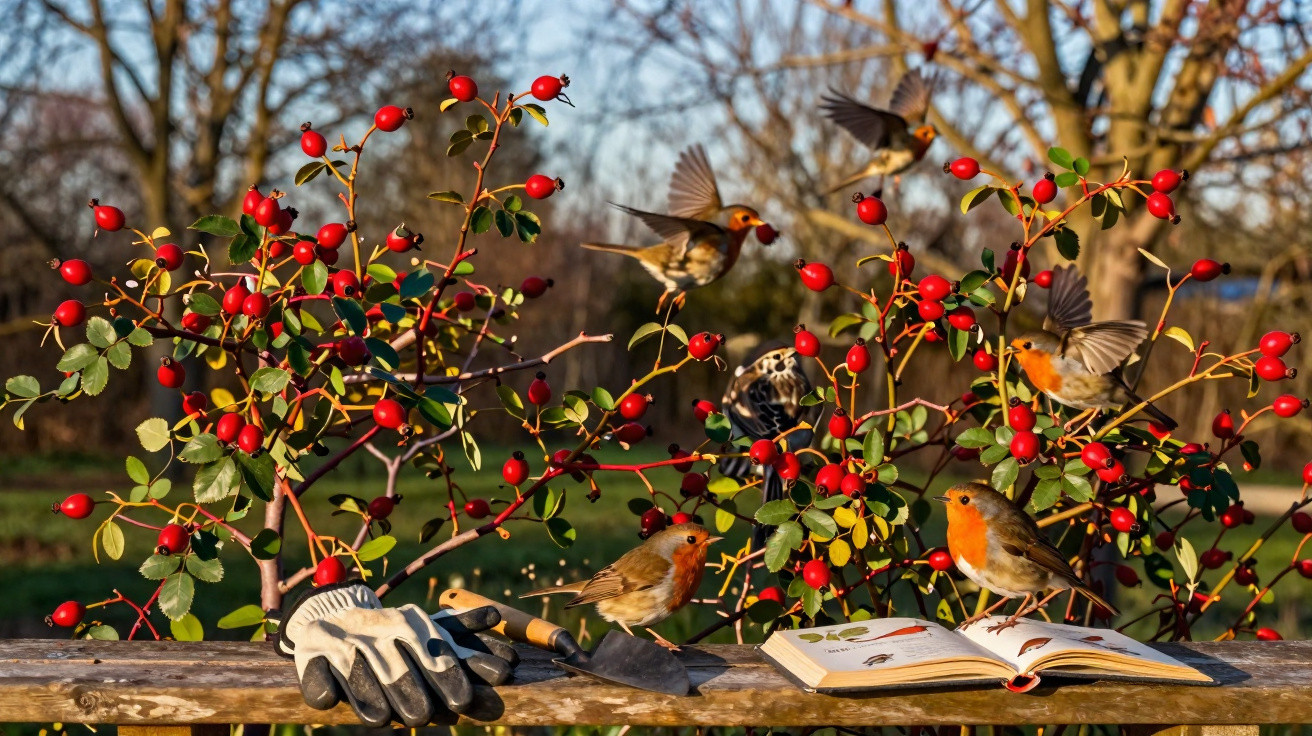
Many people hang up fat balls yet still wonder why their garden remains surprisingly quiet. Others, however, see blackbirds, thrushes and other visitors busily coming and going even on bleak February days. The difference is often not the quantity of seed put out, but a planting choice made years earlier: which roses grow in the garden.
Why many gardens fall silent in winter
In late winter, bird feeders are often emptied quickly without attracting large numbers of birds on a lasting basis. Seeds, fat balls and peanut feeders can help during difficult periods, but they are no substitute for natural food. Once supplementary feeding stops, the birds move on and the garden remains merely a stopping-off point.
One key mistake is that amateur gardeners tend to choose roses almost entirely for their appearance. Catalogues are packed with heavily bred, double-flowered varieties, whose petals are layered tightly together. Although these blooms may look magnificent, ecologically they offer almost nothing. Insects can barely reach the pollen or nectar, and many of these cultivars are sterile and produce no rose hips. Spectacular in summer, they are biologically lifeless in winter.
“Anyone who focuses solely on floral splendour risks creating a garden that is simply useless to birds in autumn and winter.”
Anyone seeking a lively garden needs to take a different approach: look beyond appearance and choose robust, simple species that have developed alongside native wildlife. They provide food, shelter and nesting sites without demanding constant attention from the gardener.
Two roses that can turn a garden into a bird paradise
Two rose species have a leading role here: the dog rose (Rosa canina) and the Japanese rose, also known as the potato rose (Rosa rugosa). Both are valuable foundation shrubs for bringing more life into the garden.
Dog rose: the modest native helper
The dog rose is a native wild rose commonly seen along field margins and in hedgerows. Its flowers are single, pale pink or white, with just five petals. It is not a dramatic showpiece, but it is highly appealing to bees, beetles and other pollinators.
Because the flowers are open, insects can easily access their pollen and nectar. By late summer and autumn, they develop into numerous small, elongated rose hips. For birds, this means a dependable natural food source when other supplies are already becoming scarce.
Japanese rose: the hardy nutrient store from the north
The Japanese rose originally comes from colder regions and is exceptionally tough. It tolerates wind, salty air, poor soils and frost. Its simple, usually richly coloured flowers have a strong scent and are highly attractive to insects.
What matters most happens later: the flowers form large, rounded rose hips resembling small tomatoes. These fruits remain on the shrub for a long time, providing particularly energy-rich food through winter.
“What modern hybrid roses offer visually, wild roses provide as food, protection and habitat – benefiting the entire garden.”
Rose hips: energy bars for cold days
The real strength of these roses becomes clear when little else is flowering: their rose hips. Glowing in shades of red and orange, they often stay on the branches well into winter.
They become vital especially in late February, when insects are absent and many natural food reserves have been exhausted. The fruits contain vitamins and plenty of carbohydrates, which birds need to fuel their high-performance metabolism.
Typical visitors to rose hips include:
- blackbirds
- song thrushes and other thrush species
- robins
- dunnocks
- finches, depending on the region
Thrushes and blackbirds in particular readily pluck off the fruits or peck out the soft flesh. Anyone with these shrubs in the garden can expect a steady flow of feathered visitors on frosty days.
A thorny fortress: shelter from cats and birds of prey
Food alone is not enough. Birds also need safe retreats where they are protected from cats, martens and sparrowhawks. This is where wild roses reveal their second major advantage.
Dog roses and Japanese roses form densely branched shrubs with strong thorns. When planted as a loose hedge, they create something close to a natural wall. Cats find these structures unpleasant and difficult to penetrate.
“The denser and thornier the hedge, the more relaxed birds are when feeding and sleeping within it.”
The close-set branches also offer birds ideal nesting places in spring. They build their nests deep within the shrub, where they are well hidden and hard to reach. Since these roses are rarely prone to disease, they generally do not need spraying. This makes the habitat safer for young birds too.
How to plant a bird-friendly garden
The right position and suitable mix
Both wild roses are fairly undemanding. A sunny or partially shaded spot is perfectly adequate. The soil may be somewhat poor or sandy. They do not tolerate waterlogging well, but cope remarkably well with drought.
A combination of several shrubs is useful, for example:
- 2–3 dog rose shrubs as the basic framework
- 1–2 Japanese rose shrubs for large rose hips
- blackthorn, hawthorn or privet as additions for even more structure
Where space permits, create a loose hedge instead of planting isolated specimens. This provides a continuous line of shelter and food for numerous bird species.
Planting time, care and pruning
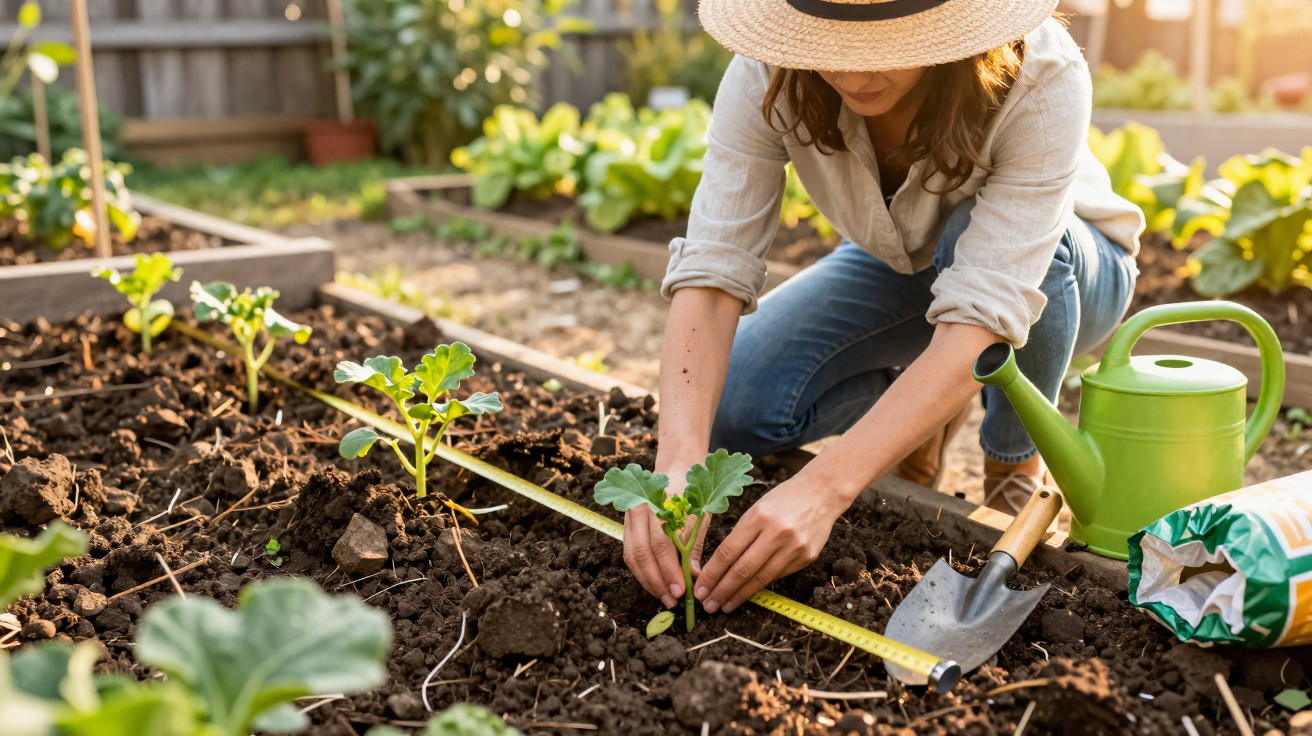
The best planting period runs from late autumn to early spring, provided the ground is frost-free. Bare-root plants can be planted particularly inexpensively during this time.
The maintenance required is modest:
- Water regularly for the first two years, until the shrubs are established.
- Afterwards, water only during extreme drought.
- Every few years, remove older stems close to ground level so that young, vigorous shoots can grow back.
- Always leave the rose hips on through winter – they are the birds’ winter buffet.
Those who like everything very tidy will need to get used to the slightly wild growth habit. Severe shaping removes precisely what makes these shrubs so appealing to birds: density, cover and fruit.
More birds, fewer pests: a garden in balance
Adding more shrubs to the garden does not only increase the number of feathered visitors. They also do hard work that benefits the entire garden. Many species feed their young on caterpillars, beetles and aphids. What they eat as rose hips in winter returns in spring in the form of “pest control”.
Planting wild roses therefore strengthens several levels of the ecosystem at once:
| Benefit | What changes |
|---|---|
| More birds | More birdsong, more opportunities for observation, a livelier garden |
| Natural food | Less reliance on bird feeders |
| Dense structures | Better breeding sites, protection from cats and birds of prey |
| Less chemical use | A healthier environment for insects and young birds |
Practical tips for small gardens and balconies
Even limited space can make a difference. In very small gardens, a single vigorous wild rose shrub is often enough as a central feature. It can be paired with grasses or herbaceous perennials that also produce seeds for finches and sparrows.
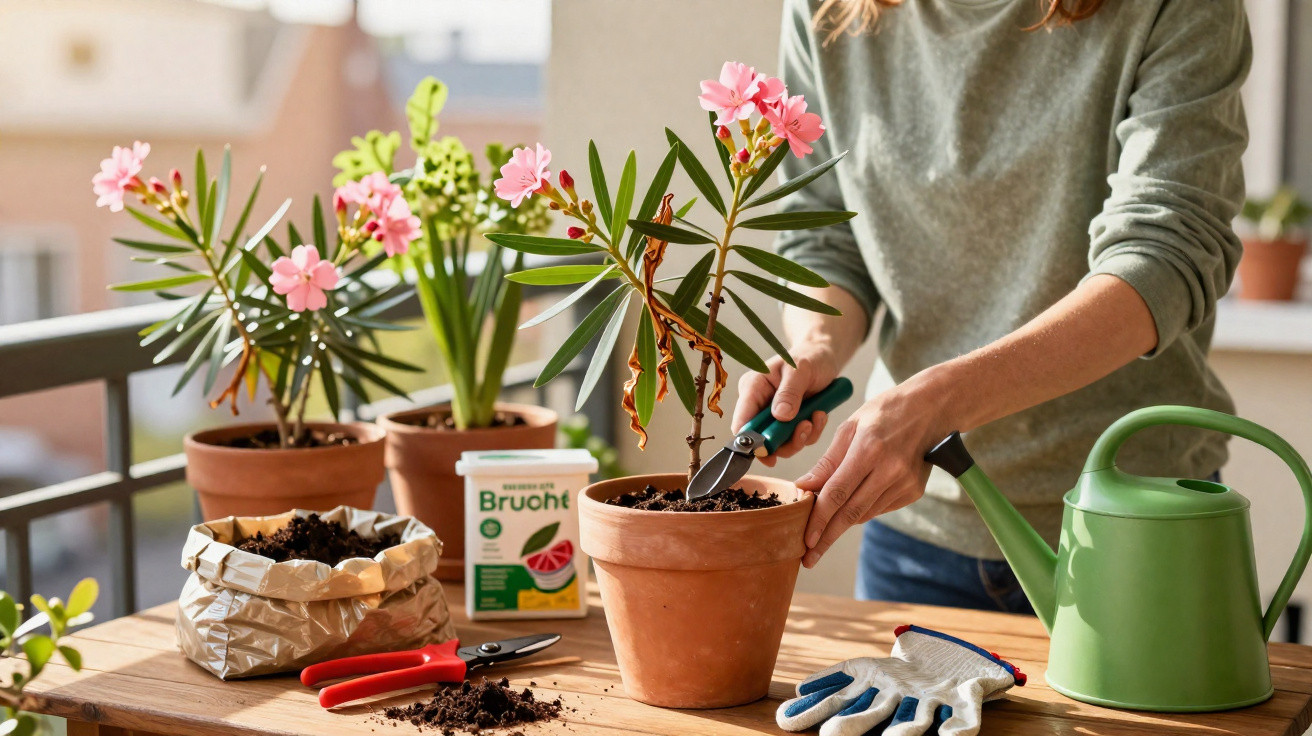
The same principle works on a balcony in a reduced form. Although dog roses and Japanese roses will not grow as large in a container as they do in the ground, a large, sufficiently deep pot can still produce some rose hips. Combined with native wildflowers and a small water container, it can create an appealing mini landing place for birds and insects.
Why single flowers make such a difference
Perhaps the most important point is this: single flowers with five petals are an excellent choice for wildlife. They supply pollen for insects, ensure pollination and allow plenty of rose hips to form. Double flowers often obstruct this process.
When buying roses in future, look for the following features:
- single or semi-double flowers
- varieties that are as robust and disease-resistant as possible
- ideally native species or those long established in the area
In this way, a simple planting project becomes a long-term gain: less silence in winter, more song, more moments of observation, and a garden that is not merely attractive to people but can be genuinely vital for birds.

Comments
No comments yet. Be the first to comment!
Leave a Comment