
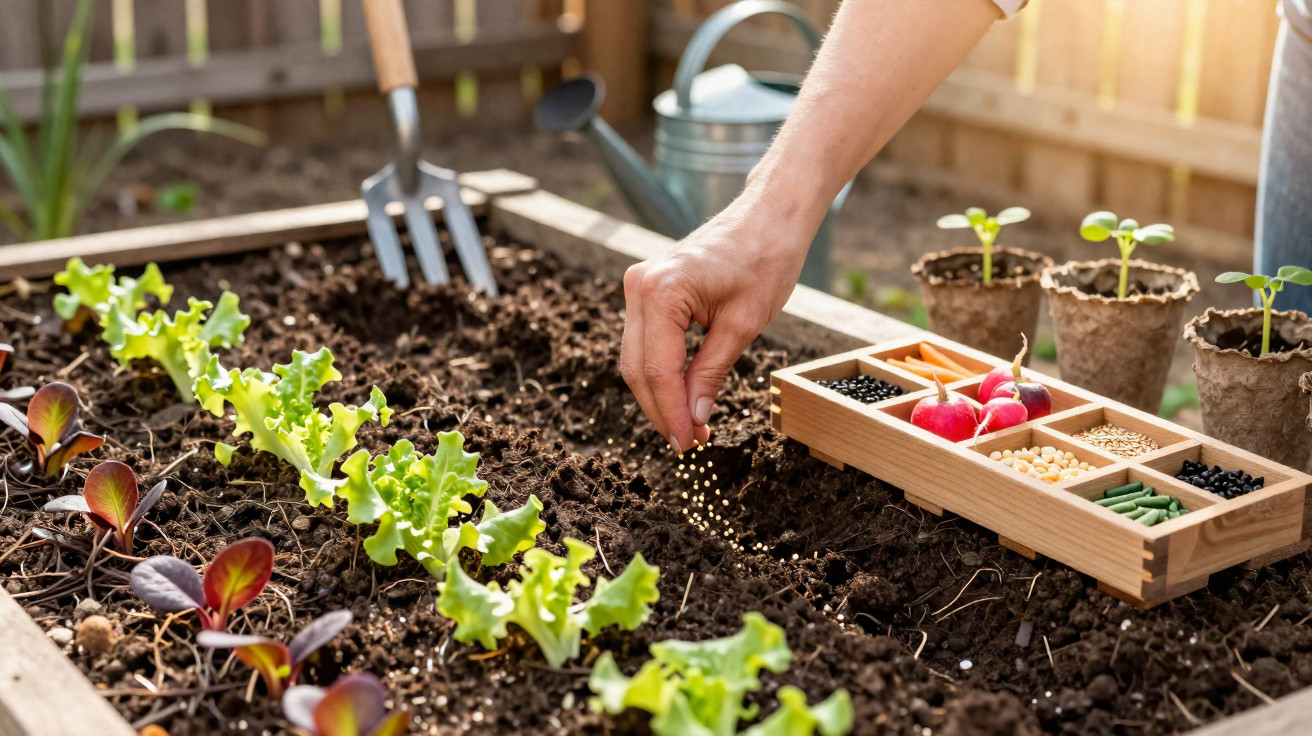
Winter has passed and the beds are thawing – now is when you determine whether your vegetable garden really gets going this year.
April is when home gardeners lay the groundwork for a long growing season. Sow wisely now and you could be bringing your first crisp crops into the kitchen within just a few weeks, while also freeing up space for summer vegetables. The key is to sow hardy varieties straight into the bed and start warmth-loving plants indoors under protection.
Why April marks the starting point for the vegetable garden
During April, the soil begins to warm, daylight hours increase and the sun grows stronger. This combination gives plants the boost they need. Many early vegetables actually prefer cooler conditions and germinate far more successfully in cool soil than in summer heat.
April is the month for quick, uncomplicated crops – ideal for getting started, experimenting and learning without much risk.
Sowing now also teaches you about your beds: which areas stay damp for longer, which dry out quickly, and where slugs are especially active? This knowledge can help prevent losses later in the year.
Direct sowing in beds: vegetables that thrive in April
Some crops cope easily with cool nights. They can be sown directly into the ground in April, with the first harvest sometimes ready after only three to four weeks.
Radishes: a rapid start for impatient gardeners
Radishes are ideal for anyone who wants a quick win. Their small roots develop at speed and they forgive minor mistakes.
- Sow in rows, 0.5–1 cm deep
- Leave 2–3 cm between seeds
- Keep rows about 15 cm apart
- Harvest after around 3–4 weeks
Sow a fresh row every one to two weeks for radishes throughout spring. Do not leave them in the ground too long, however, or they will become woody.
Carrots: neat rows and plenty of patience
Carrots also do well when sown in April, although they take longer than radishes. The soil needs to be loose and free of stones, otherwise the roots can become misshapen.
- Sow very shallowly, 0.5–1 cm deep
- Space rows 25–30 cm apart
- Later thin seedlings to 3–4 cm apart, or 4–6 cm depending on the variety
Germination can easily take two to three weeks. Keep the soil lightly moist during this period, otherwise the delicate seedlings may dry out.
Beetroot: a splash of colour in the bed
Beetroot is tougher than many people assume. The roots grow reliably, while the tender leaves can also be used in salads.
- Sow 1–2 cm deep
- Place seeds every 8–10 cm
- Thin seedlings to 8–12 cm apart after they emerge
A useful tip: use young beetroot leaves in the same way as chard. This gives you two crops from one plant – leaves as well as roots.
Leaf lettuces: lasting freshness with staggered sowing
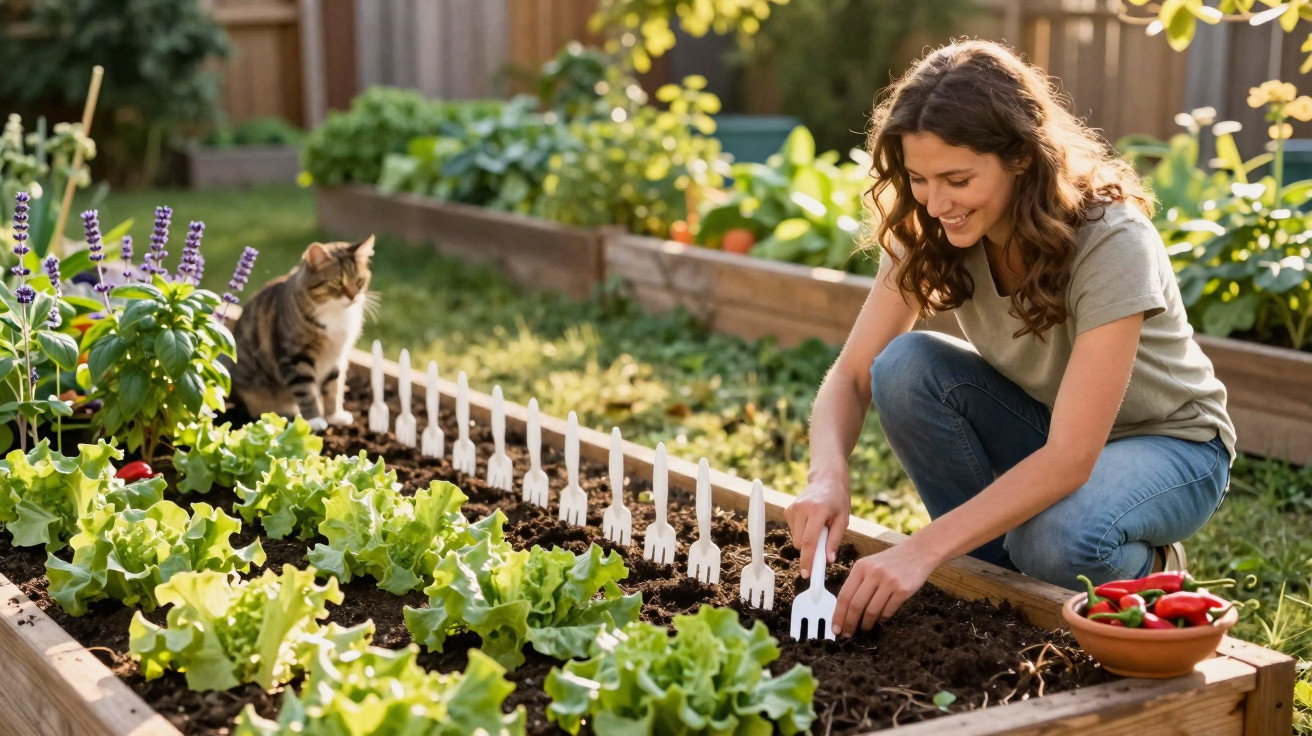
Lettuces tolerate cool temperatures very well. In April, it is worth growing a mixture of cut-and-come-again lettuce, loose-leaf lettuce and lettuce hearts.
- Sow on the surface or no deeper than 0.5 cm
- Thin later to 20–30 cm apart, depending on the variety
- Sow more every 10–14 days for an ongoing harvest
Lettuces do not germinate well in excessive heat. April's mild days are therefore almost exactly what they prefer.
Spinach: the cold-resistant classic
Spinach handles cool nights very well and grows quickly.
- Sow 1–2 cm deep
- Leave 10–15 cm between plants
Sow early and you can harvest before the first significant spell of warmth. In too much heat, spinach quickly bolts and becomes bitter.
Swedes and turnips: rediscovering traditional vegetables
Root crops also prefer cooler conditions. They are well suited as an early crop before later cabbage or courgette plants take over the bed.
- Sow shallowly, with 5–8 cm between seeds
- Thin later to 10–15 cm apart, depending on the root size you want
Young turnip leaves are edible too, adding variety to stir-fries and salads.
Warmth-loving vegetables: start indoors and wait before planting out
Tomatoes, courgettes and similar crops may already be ready for the bed, but they cannot tolerate frost. Start them in a protected environment during April.
Courgettes: hungry plants with rapid growth
Courgette seeds are best sown individually in small pots or soil blocks.
- Use one seed per pot
- Cover lightly with compost
- Place in a bright spot at 15–20 °C
- Plant outdoors only after the last frosty nights
One strong plant can supply a small household, so do not start too many.
Cucumbers: sensitive but productive
Cucumbers react badly to cold soil. Starting them in pots is therefore worthwhile, particularly in exposed areas.
- Sow indoors or in a greenhouse
- Plant out only once the soil reaches 15–16 °C
A simple soil thermometer helps you identify the right moment. Planting too early noticeably slows their development.
Melons: for warm positions and plenty of sunshine
Melons need a long, warm summer. In cooler regions, they will only succeed if started early indoors.
- Keep them somewhere bright and warm, without waterlogging
- Plant only in genuinely sheltered spots or beneath protective film
Anyone with a south-facing balcony or a small polytunnel can give them a try. In unprotected open ground, conditions will be too marginal in many areas.
Tomatoes: the home gardener's favourite
Tomatoes can still be started indoors in April if you did not sow them in March.
- Sow on the surface and dust with only a very light covering of compost
- Temperature: around 15–20 °C, in very bright conditions
- After germination, continue growing them in a cool but well-lit place
Tomatoes should not go outside until nights are consistently mild. Many gardeners use the middle of May as their guide.
Successful April sowing: soil, spacing and care
Prepare the soil without an exhausting digging session
Before sowing anything, carry out a quick check: does the soil crumble nicely, or does it stick to the spade? Most vegetables need loose, fine-textured soil that is clear of stones and root debris.
- Loosen the top layer lightly
- Remove weeds and stones
- Break up large clods of earth
If you incorporated compost or manure in autumn, you already have a clear advantage. In April, a light raking is usually enough.
Correct sowing depth and suitable spacing
Many home gardeners bury seeds too deeply. The simple rule is: the smaller the seed, the closer it should sit to the surface.
Most vegetable seeds germinate better when they are covered with only a thin layer of soil – this allows light and warmth to reach them more effectively.
Clearly marked rows make watering easier and simplify later hoeing and weeding. Mark sowing lines with a stick or string to keep the bed organised.
Thin rather than overcrowd: why thinning is essential
Once seedlings emerge, they are often growing far too close together. If you do not thin them, you will harvest lots of small, weak roots instead of fewer strong ones.
- Thin early, as soon as the first true leaves appear
- Carefully grip and pull out plants using two fingers
- Simply eat surplus young lettuce plants that are growing too close together
It can feel wasteful, but fewer plants with more space usually produce much better results.
Keeping common April problems under control
Slugs and dry soil: the two persistent opponents
As soon as the first leaves appear, slugs arrive. At the same time, wind often dries out the soil faster than expected.
- A thin mulch layer applied after emergence retains moisture and suppresses weeds
- Use slug fences, collars, or rings of ash or sand around vulnerable plants
- Water in the morning or evening, rather than in the midday sun
Regular bed checks allow you to remove many slugs by hand before they cause major damage.
Acclimatising young plants to outdoor conditions
Plants raised in a warm home need time to adjust before they can live outdoors permanently.
A straightforward plan:
- Days 1–2: put pots outside for two to three hours in a shaded, sheltered spot
- Days 3–5: extend their time outside each day and gradually expose them to more light
- Days 6–7: leave them outside for almost the whole day, but still bring them indoors at night
This prevents leaves from scorching in the sun and helps plants adapt to wind and changing temperatures.
A practical April schedule for your vegetable garden
| Period | Garden task |
|---|---|
| Days 1–7 | Prepare beds; sow radishes, carrots, spinach, turnips and beetroot |
| Weeks 2–3 | Sow lettuces in several batches and put slug protection in place |
| Throughout April | Start tomatoes, courgettes, cucumbers and melons indoors; gradually harden off young plants |
| End of April | Check soil temperature and plan May planting dates |
Useful extras: companion planting, risks and smart combinations
Well-planned beds can reduce pest problems and make better use of available space. This is the principle of companion planting: crops that suit one another are grown close together, while others are best kept apart.
- Sow radishes between carrot rows: the radishes finish earlier and also help loosen the soil
- Plant lettuce between slower-growing crops such as beetroot or cabbage
- Use spinach as an early crop: it frees up space for tomatoes or peppers at the end of May
One April risk remains: late overnight frosts. Sensitive young plants should always have a back-up plan – horticultural fleece, a bucket for temporary protection, or, if necessary, a night indoors.
Beginners in particular benefit greatly from straightforward, fast-growing crops this month. Starting with radishes, spinach and lettuce builds experience for more demanding plants. At the same time, fresh home-grown vegetables will reach the plate early in the year – a motivational boost no garden centre can replace.

Comments
No comments yet. Be the first to comment!
Leave a Comment