
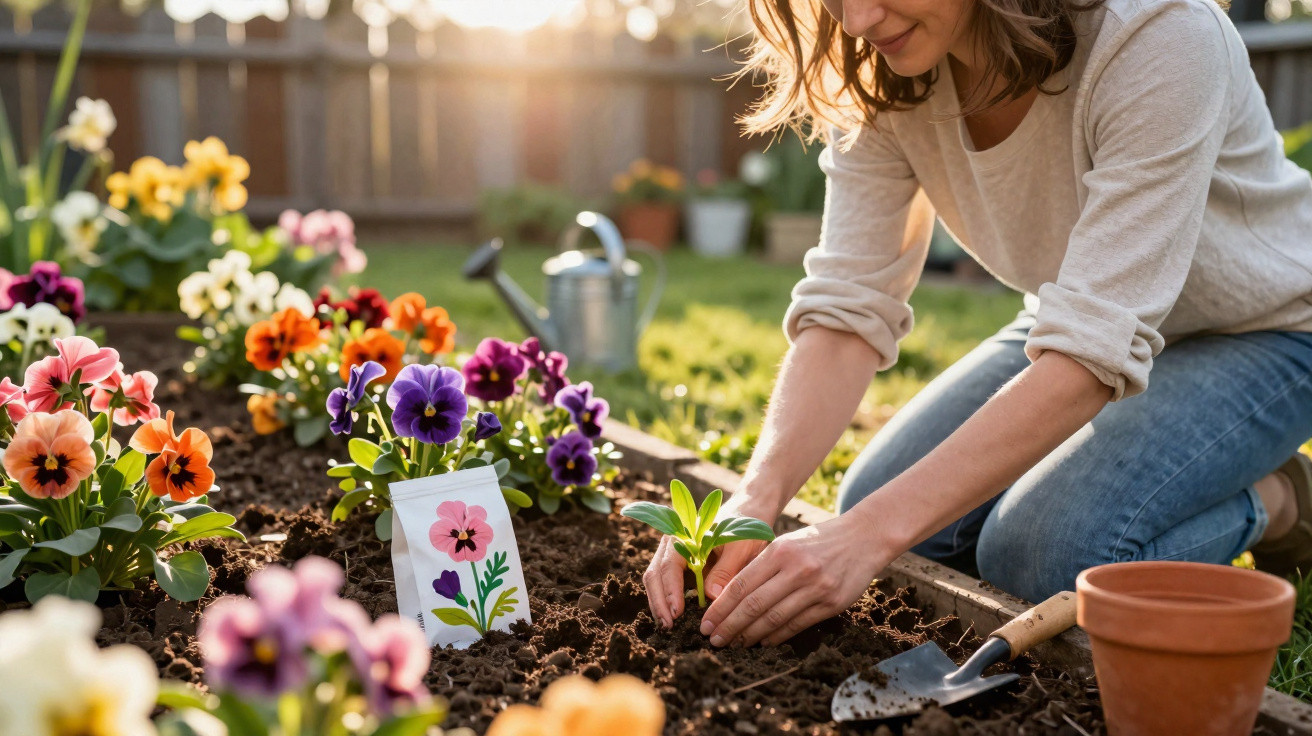
Many amateur gardeners will recognise the feeling: March arrives, the beds are ready, yet everything around them still looks bare and grey. This is exactly the moment when the right flower can lay the foundations for a summer in which the beds bloom for months almost by themselves. One hardy annual summer flower delivers abundant colour with remarkably little effort.
Why sowing in March can transform the whole summer
Spring determines how lively a garden will look throughout the summer months. Sowing thoughtfully in March means far less replanting, watering and rescuing later on. One of the most rewarding choices is love-in-a-mist (botanical name: Nigella damascena), a delicate summer flower with a subtly wild character.
It produces slender stems measuring 40 to 60 centimetres tall, finely divided fern-like foliage and star-shaped blooms in soft blue, white or pink. Its appearance sits somewhere between a meadow flower and a romantic cottage-garden perennial, but it is considerably less demanding.
“Those who sow love-in-a-mist in March can usually expect continuous flowers from mid-June until the end of August – without much effort.”
The key is that this plant is a hardy annual summer flower. It makes excellent use of gradually rising spring temperatures, establishes quickly and turns empty beds into airy, cloud-like drifts of blooms. Even a previously rather gloomy corner can suddenly look deliberately designed.
Love-in-a-mist: the ideal flower for low-maintenance gardeners
Anyone who does not fancy complicated planting plans, constant feeding and daily watering will find this flower an excellent choice. It copes well with ordinary garden soil, has no need for expensive specialist fertiliser and is surprisingly forgiving of minor care mistakes.
- thrives in average garden soil
- needs only moderate watering
- tolerates full sun very well
- often self-seeds in suitable locations
- suits flower beds, cottage gardens and naturalistic areas
Especially appealing is the way this flower looks as though it has seeded itself naturally, without making the garden seem untidy or chaotic. It is therefore ideal for gardens that should look natural while still appearing well cared for.
Step by step: how to sow in March successfully
You can begin once severe frosts have passed and the soil has warmed slightly. Depending on the region, this is usually sometime between early and late March. The following steps are all that is needed to create an impressive sea of flowers.
1. Choose the right position
Love-in-a-mist thrives in sunshine. A site receiving at least six hours of sun each day will produce the strongest display. Partial shade is possible, although it generally results in fewer flowers and slightly longer, softer stems.
Ideal locations include:
- beds in front of patios and seating areas
- the edges of perennial borders
- gaps between roses or lavender
- gently sloping, well-drained ground
2. Prepare the soil simply
The soil does not have to be perfect, but it should be loose and free-draining. The plant does not tolerate waterlogging at all. In most cases, quick soil preparation is entirely sufficient:
- remove weeds thoroughly
- loosen the soil with a rake or cultivator
- break up larger clumps until a fine seedbed is formed
- work in a little mature compost if the soil is very poor
3. Sow correctly – neither too deeply nor too densely
Sow the seeds directly into the bed, with no need to raise plants first in pots. This saves both time and valuable windowsill space.
- Scatter the seeds thinly over the prepared area.
- Dust them with only a very light layer of soil or fine compost; a few millimetres is enough.
- Firm them gently using the flat of your hand or a board.
- Water with a fine spray so that the seeds are not washed away.
One common mistake is sowing too densely. When this happens, plants compete for light, water and nutrients, leaving them weak.
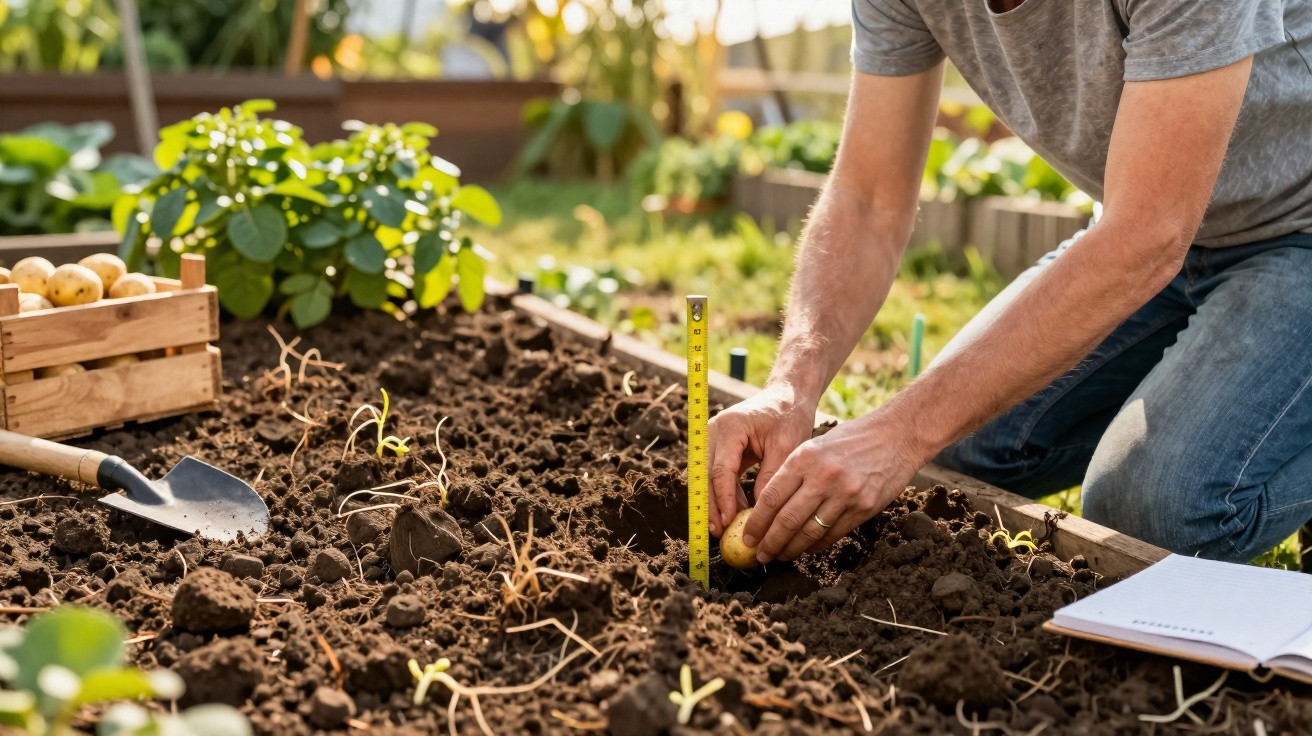
“A spacing of 20 to 25 centimetres between plants is ideal. For fuller bushes, allow up to 30 centimetres.”
As soon as the seedlings have developed a few true leaves, it is worth thinning them briefly. Carefully pull out the surplus plants or replant them elsewhere.
How love-in-a-mist keeps flowering all summer
Once love-in-a-mist is established, it requires very little maintenance. Anyone who normally spends summer hauling watering cans around will appreciate this simplicity.
Watering and care with minimal effort
In average years, an occasional drink of water is enough. Only during extended hot spells without rain should you reach for the watering can more often. It is better to water deeply less frequently than to dampen the surface lightly all the time.
The plant generally does not need fertiliser. A little compost spread over the bed once in spring is perfectly adequate.
Remove faded blooms to extend flowering
To enjoy flowers for many weeks, regularly pinch off faded flower heads. This encourages the plant to make fresh buds rather than putting its energy into seed production.
A short walk around the garden in the evening is sufficient: a few quick jobs, and the next wave of flowers is already being prepared.
“Those who diligently remove faded blooms can often enjoy flowers until the end of August, and sometimes even into September.”
Beautiful summer bouquets straight from the garden
Love-in-a-mist is not only attractive in the border. It also makes an excellent cut flower. Its delicate, airy stems bring lightness to bouquets and work particularly well with roses, cosmos or meadow flowers.
If cut when the blooms have freshly opened, the flowers last in water for around a week, and often for up to ten days. Anyone who enjoys decorating their home with fresh flowers can avoid more than one trip to the florist.
| Use | Benefit |
|---|---|
| Fresh cut flower | lasts well in a vase and has a light, romantic effect |
| Dried seed pods | provide an interesting structure for dried arrangements and decorations |
| Gap-filler in borders | conceals bare spots and complements perennials |
Self-seeding: when the garden virtually plants itself
If you leave some flowers standing towards the end of summer, they will develop decorative seed pods. These dry out, eventually split open and scatter their seeds nearby. The following spring, new plants often germinate there entirely on their own.
Over the years, this creates a natural rhythm: you sow intentionally once, and later the flower distributes itself in suitable spots. If you do not want it to spread, simply cut off the pods in good time and use them dried for decoration or for targeted sowing the following year.
Combination ideas and positioning tips
Love-in-a-mist is particularly charming when combined with other summer flowers. Attractive partners include:
- calendulas for strong orange tones
- cosmos for a similarly airy structure
- corn poppies in naturalistic areas
- fragrant sweet peas along a fence
For a lighter-looking rose bed, plant love-in-a-mist between the roses. Its fine foliage quickly disguises bare patches and makes the bed look less as though it is reaching its end. At the same time, it takes very few nutrients from the roses because its roots are relatively shallow.
Who benefits most from this March sowing
This flower is especially well suited to people new to gardening. It forgives mistakes, requires no specialist knowledge and delivers visible results quickly. Those with time only at weekends benefit from its low maintenance needs.
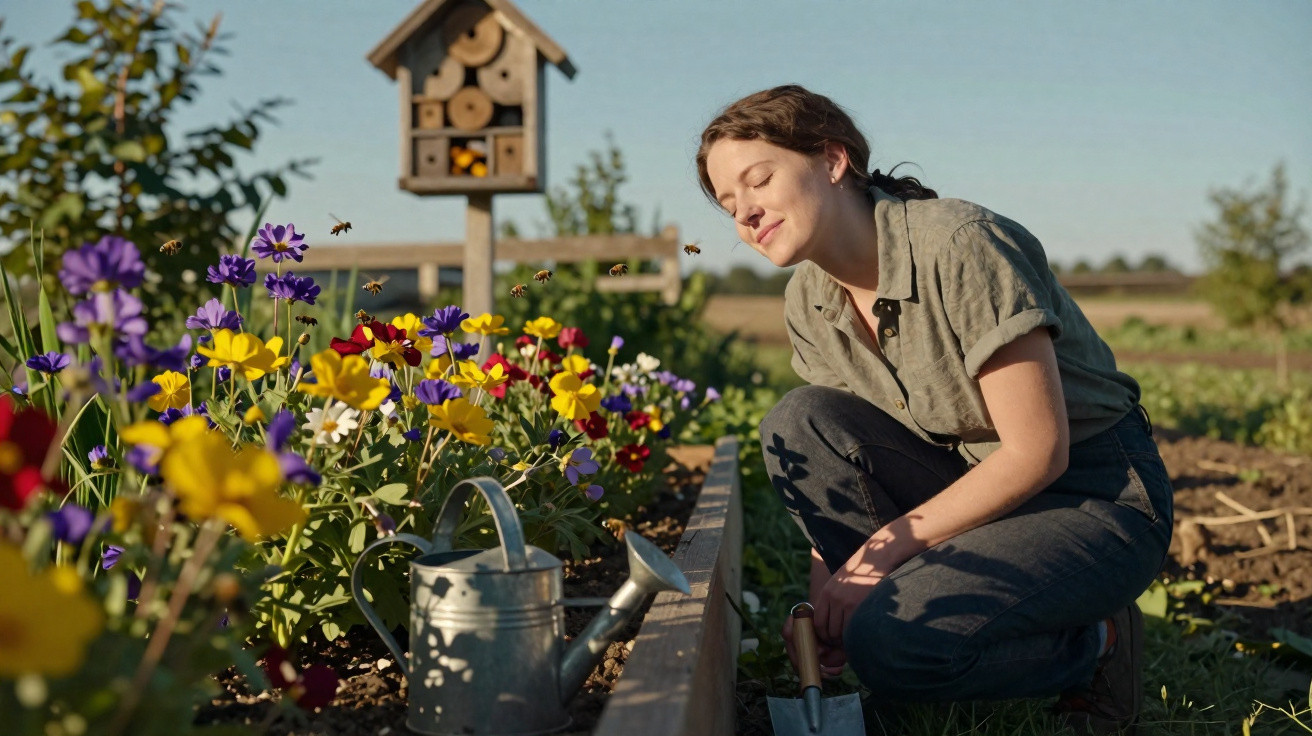
Sowing in March is also worthwhile for anyone aiming to make their garden as insect-friendly as possible. The star-shaped flowers attract bees and other pollinators, providing an additional food source during summer.
Those tending smaller spaces, such as a terraced-house flower bed or an allotment plot, can create a surprisingly dense floral display with just a few packets of seed. In larger gardens, love-in-a-mist can be used deliberately to soften transitions or visually loosen up vegetable beds.
Ultimately, the conclusion is simple but effective: a few handfuls of seed in March can make the difference between a “quite nice” summer garden and one that is truly alive. Love-in-a-mist is one of the easiest allies to have in a flower bed.
Comments
No comments yet. Be the first to comment!
Leave a Comment