
Keeping a garden full of colour throughout winter is a familiar challenge, yet certain species can come through the colder months with their flowers and foliage in good condition. Selecting the right plants, alongside a few straightforward care measures, prevents the space from looking dull in the coldest season of the year. Among the many available choices, some stand out for their cold tolerance and ability to keep flowering.
Why choose cold-resistant plants for a winter garden?
Choosing cold-resistant plants helps the garden remain lively all year round, preventing lengthy periods without blooms or with damaged leaves. Species suited to low temperatures cope with icy winds, long nights and sudden weather changes with less stress, reducing plant losses and the need to replace young plants regularly.
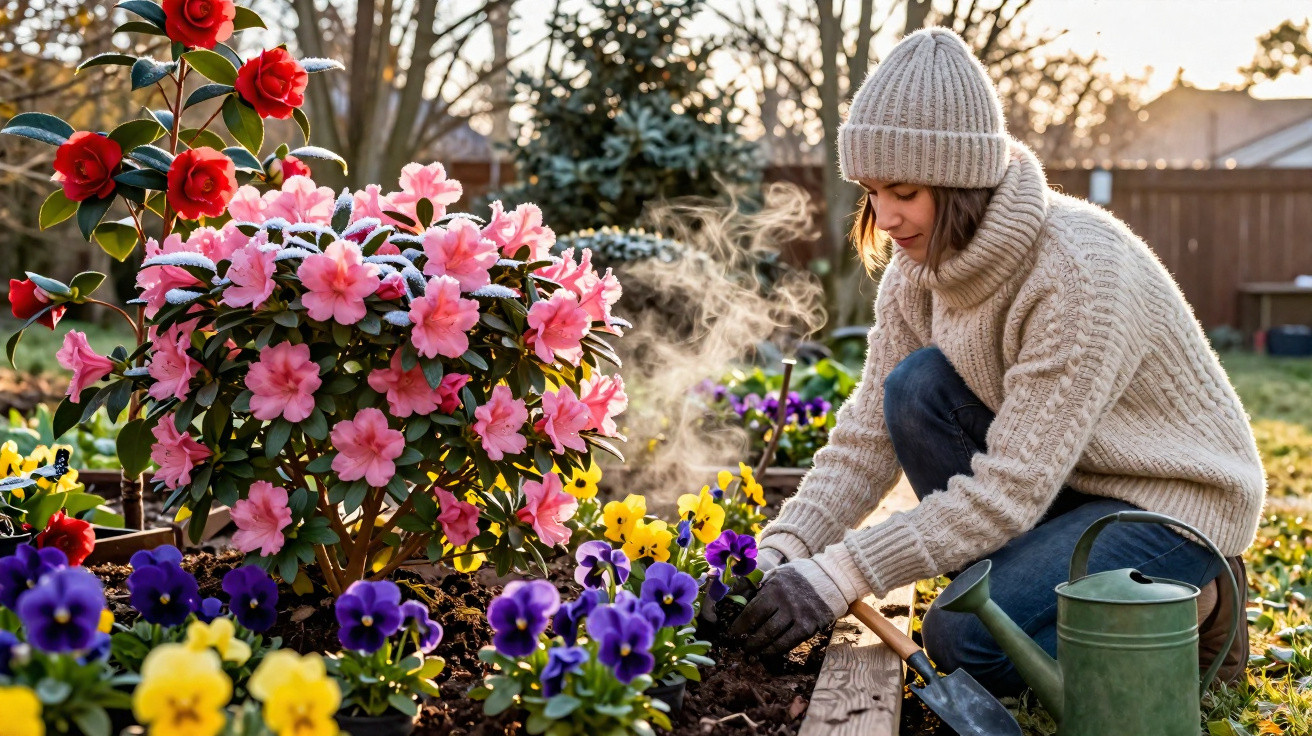
As well as being hardwearing, winter plants such as azaleas, camellias and pansies provide a range of colours at a time when many species become dormant. They work in flower beds, pots, balcony planters and even compact urban spaces, creating appealing contrasts between green foliage and richly coloured flowers.
How can you keep azaleas flowering and healthy in the cold months?
The azalea is one of the best-known winter plants, producing plentiful flowers in pink, white, red and variegated shades. It adapts well to colder areas and withstands low temperatures, provided its soil drains well, as excess water around the roots encourages fungi and weakens the plant.
To keep an azalea in good condition during winter, it is worth following a few practical day-to-day growing measures. These help extend flowering and shield the plant from severe cold:
- Light: favour morning sun and light afternoon shade, avoiding excessive heat.
- Soil: keep it slightly acidic, rich in organic matter and free-draining.
- Watering: water moderately, keeping the growing medium moist but never waterlogged.
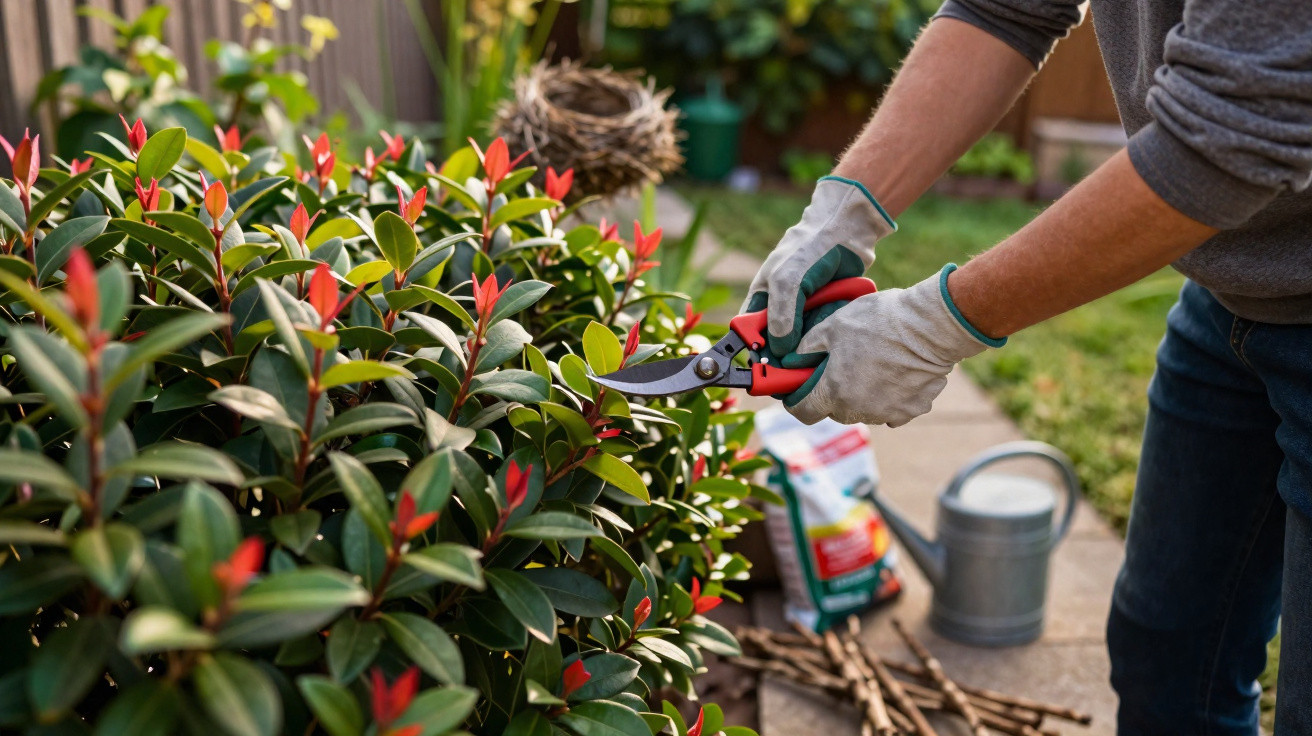
- Light pruning: carry this out after the main flowering period, removing faded blooms and weak branches.
How do you grow camellias and enjoy their winter flowering?
Camellias are traditional plants in mild to cold-climate regions and generally flower from late autumn into winter. Their large pink, red or white blooms emerge while many other species are dormant, and well-established plants tolerate cold weather and light frosts more easily.
For camellias to thrive in the colder months, choose a position sheltered from strong winds, with good indirect light or filtered sunshine. Applying mulch to the soil helps keep temperatures stable, while heavier pruning should be left until after flowering, allowing time for new shoots to develop.
How can pansies be used and winter plants combined in the garden?
The pansy is a short-lived herbaceous plant widely used in beds and pots to bring immediate colour to a winter garden. Its flowers appear in numerous combinations of purple, yellow, blue and white, and they are often at their most prolific in cold weather, making balconies and entrances feel more welcoming.
When arranging the space, azaleas and camellias work well at the back of flower beds or as focal points in large pots, whereas pansies fill borders and planters as a colourful “carpet”. With careful watering, protection from severe frosts and suitable positioning, these three plants keep the garden or balcony colourful and full of life even on the coldest days.
Comments
No comments yet. Be the first to comment!
Leave a Comment