
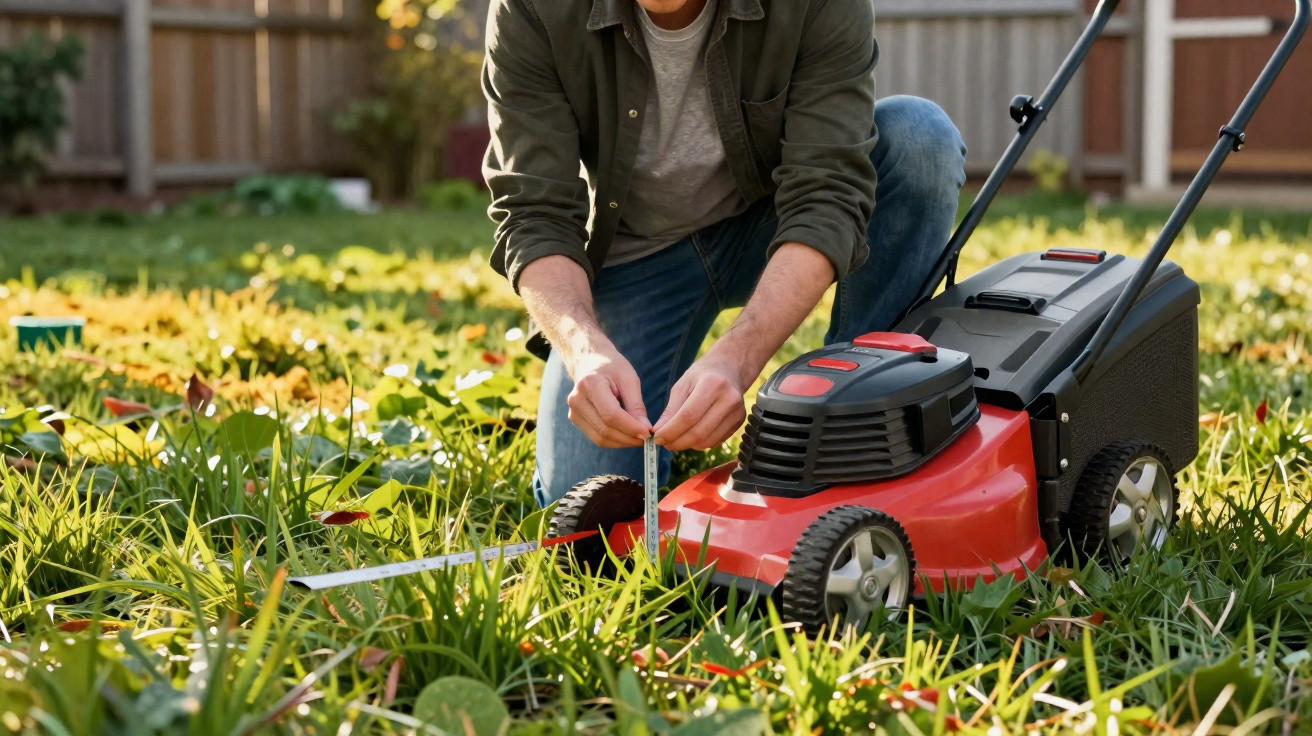
The sun is out again, the garden is gradually drying, and the familiar machine is waiting in the shed. However eager you may be to start mowing, acting now can do more harm than good to your lawn. The first cut after winter has its own rules, and one common mistake can cost the grass its strength, density and resilience.
Why the first lawn cut after winter is so delicate
During the colder months, a lawn enters a kind of dormant period. Growth almost stops, while the blades serve as energy stores for the roots. Beneath the turf, though, activity continues: the plants are focused on surviving winter and preparing to restart in spring.
This is exactly where the risk lies. A few milder days can make the lawn look “ready” to mow, but that does not mean it has built up sufficient strength. Grasses need some of their existing leaf area to get growing again, produce fresh shoots and develop deeper roots.
“Mowing too early and too short in spring takes away the lawn’s starting energy – with consequences for the whole season.”
While daytime temperatures are still regularly dropping well towards single figures and the soil is barely warmer than 6 to 7 degrees, these recovery processes remain slow. Cutting the lawn drastically at this point holds it back rather than simply “tidying it into shape”.
The most common spring mistake: mowing too early and too low
The usual error is to mow as soon as the grass has grown a few centimetres, treating it as though it were already high summer. Often, the soil is still wet or partly frozen too. This combination creates several problems at once.
Compacted soil and yellow patches
When the ground is soft, spongy or frozen in places, the mower’s weight works like a roller. It compresses the turf, snaps new shoots and hardens the upper soil layers. As a result, air and water can no longer reach the roots as effectively.
The outcome is an uneven lawn, with yellowish areas, flattened blades and gaps across the surface. Those bare patches then attract unwelcome visitors, including moss, clover and broad-leaved weeds. Once established, they quickly displace the weakened grasses.
Cutting too short: the lawn loses its natural protection
Another classic mistake is setting the mower to its summer cutting height immediately. Many people cut their grass to almost “carpet level” in spring. For the lawn, this is pure stress. A useful rule is never to remove more than one third of the current blade length in a single cut.
For example, if the grass is around 9 centimetres tall, a cutting height of 6 centimetres is suitable. Reducing it to 3 centimetres removes too much leaf area from the plants. The grass then has to use all its energy for repair, neglecting root development in the process.
“A lawn height of around 5 to 7 centimetres offers the best balance between appearance, protection and vitality in spring.”
Keeping the grass within this range gives the soil a little shade. That means the ground dries out more slowly, while the roots are encouraged to grow deeper. The result is a thicker, more resilient lawn that copes better with hot periods in summer.
How to tell when your lawn is genuinely ready
There is no fixed calendar date for the first cut. The ideal timing can vary considerably from one region to another. Rather than following the date, look at the weather and the condition of the grass. What matters is the combination of temperature, soil condition and grass height.
Check for these signs before starting the mower:
- Daytime temperatures consistently exceed 10 degrees, rather than doing so for only an hour or two.
- No overnight frost is forecast for the coming days.
- The soil is neither frozen solid nor muddy.
- The lawn has returned to a rich green colour, with few brown or grey areas.
- The grass blades have reached roughly 8 to 10 centimetres.
If these conditions are met, the first cut is close at hand. If you are unsure, it is better to wait another week: this is far less damaging to a healthy lawn than mowing prematurely.
Setting the lawnmower correctly for the first cut
For the first mow of the year, move the mower’s height setting upwards. Many machines have several, often numbered, cutting positions. Choose one of the higher settings, then lower it gradually later in the season.
Sharp blades are essential
The mower blade should be sharpened or replaced at least once each season. Blunt blades tear the grass instead of cutting it cleanly. The damaged ends fray, turn brown and become more susceptible to fungal disease.
If you do not want to do this yourself, take the machine to a specialist or use a winter servicing option. Well-sharpened blades make the difference between a neat, deep-green finish and a patchy lawn that looks unhealthy.
Recommended starting heights in spring
- First cut: leave the grass at 6 to 7 centimetres
- Second cut, after around 10 to 14 days: 5 to 6 centimetres
- Later in the year, once growth is steady: 4 to 5 centimetres depending on use
If children play in the garden or the lawn receives frequent foot traffic, it is best to keep the grass slightly longer. Even an extra half centimetre can help it withstand wear more effectively.
Preparing before the first mow
Before you begin, take a quick walk across the lawn. Clear away branches, leftover leaves and fallen fruit. These obstacles can interfere with mowing and may also damage the mower blade.
It is also useful to gently lift old, loose grass blades with a fan rake. This allows the blades to catch more of the grass, producing a more even result. If winter has left plenty of molehills, spread the soil flat so that the mower does not keep striking them.
What if you have already mown too early?
If you have already made the mistake, the situation is not beyond repair. Above all, the lawn now needs time to recover. Set the mower to a deliberately higher level afterwards and allow the grass to grow for a few weeks, until the blades appear stronger again.
A light feed can help once temperatures remain reliably mild. Choose a slow-release lawn fertiliser that will not trigger an immediate burst of growth, but instead rebuilds the grass gradually.
Additional care tips for a robust spring lawn
Mowing at the right time is only one part of lawn care. Other measures also help to keep the grass dense and resilient.
Scarifying, aerating and overseeding
If there is a lot of moss in the lawn, do not combine scarifying with the very first cut. Mow gently first, then wait for several warm, dry days. It is only worth roughening the turf once the lawn has begun to grow.
Heavily matted lawns also benefit from aeration. A roller or specialist spiked shoes can lightly puncture the soil, allowing more air and water to reach deeper layers. Thinner areas can be filled in effectively with an overseeding mix.
Assessing water and nutrient needs correctly
In early spring, the lawn usually does not need regular watering. Watering too frequently spoils the plants and encourages shallow roots. Once the days are genuinely warmer, occasional but thorough watering is the better approach.
The same principle applies to fertiliser: begin only when the lawn is visibly growing. The plants can then make use of the nutrients. A balanced lawn fertiliser supports growth without overloading the area.
Why patience with the first cut is worthwhile
Many garden owners underestimate how strongly the first weeks of the year shape the rest of the season. Protecting the lawn early on, gradually introducing shorter grass lengths and paying attention to soil structure will make summer maintenance much easier.
Rather than constantly having to repair bare patches, you will develop a dense, springy carpet of grass that retains water more effectively, handles heatwaves more calmly and leaves less space for weeds. Avoiding a rushed spring cut therefore pays off in several ways: appearance, maintenance effort and peace of mind.






Comments
No comments yet. Be the first to comment!
Leave a Comment