
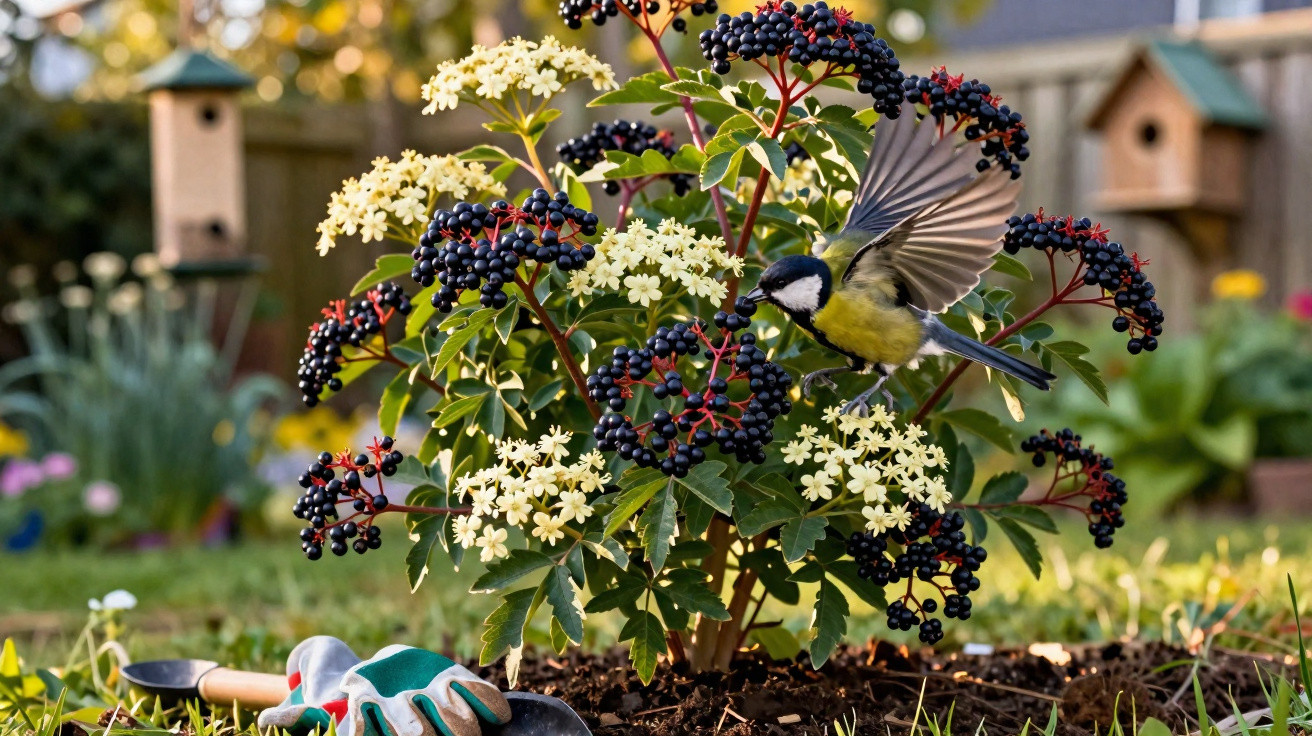
Full bird feeders and carefully mown lawns – yet hardly any great tits appear in spring. Many garden owners know this quiet disappointment. The problem is usually not the seed in the feeder, but something far more fundamental: there are too few insects and too few places to shelter. One strategically planted shrub can resolve this issue surprisingly quickly.
Why many gardens remain empty of great tits despite bird feeders
The great tit is considered particularly widespread across Europe. In suitable areas, there can be more than 300 breeding pairs per square kilometre. Statistically, almost every front garden could therefore receive visitors. If this does not happen, something is wrong with the conditions the garden provides.
Common problems in private gardens include:
- overly tidy spaces, with scarcely any naturally shaped shrubs
- non-native woody plants such as thuja or cherry laurel taking up most of the space
- intensively maintained lawns cut very short
- too little insect food available in spring
Seed food mainly helps birds during frosty periods. Once the breeding season begins, insects are almost all that matter. This is precisely where the typical ‘golf-course garden’ behind a detached house falls short.
“Anyone who wants great tits to remain in their garden permanently must feed the insects first – not the birds.”
What matters, then, is woody planting that attracts numerous native insects while also offering cover. One such plant has been underestimated for years in German-speaking countries – and is often removed simply through lack of knowledge.
The overlooked star: black elder as a natural larder
Black elder (Sambucus nigra) is among the most valuable native shrubs for birds. Conservation organisations have recommended it for a long time, yet it is still often put through the chipper in built-up areas because it looks ‘wild’.
For great tits, however, it is effectively a combined supermarket, nursery and shelter:
- Growth: reaches 3 to 5 metres in height in just 3 to 4 years, making it ideal for a living hedge
- Structure: its open branching provides plenty of hiding places for small birds
- Food: insects in spring, followed by berries in late summer and autumn
Its greatest benefit becomes clear in spring: black elder attracts large numbers of aphids, particularly the elder aphid. In an ornamental garden, this instinctively raises concerns about ‘pests’. For a nesting great tit, though, it is a nearby buffet.
“A family of great tits needs several hundred insects a day – an elder shrub supplies them almost on the doorstep.”
The adult birds can collect prey directly from the shoots or immediately around the shrub. They use little energy searching and can feed their young as effectively as possible. In late summer, elderberries take over as an energy source, helping birds build fat reserves ahead of winter.
Great tit profile: a small bird with a big appetite
Great tits are easy to identify: they have black heads, white cheeks and yellow undersides marked by a black stripe running lengthways. They grow to around 14 centimetres and weigh just under 20 grams. Despite their small size, their metabolism works at full speed – especially when hungry chicks are calling from the nest box.
Breeding season and energy requirements
The great tit’s year follows a precise rhythm:
- Early start to the year: pairs form as early as late winter
- Egg laying: 5 to 12 eggs, depending on food availability
- Incubation: eggs are incubated for roughly two weeks
- Nestling stage: 16 to 22 days in the nest, with a constant demand for food
Over this short period, the parents bring in up to 500 insects a day, especially caterpillars and other soft-bodied prey. If there is no richly structured shrub such as elder within reach, the adult birds come under considerable pressure – and many young birds simply starve.
Urban studies show that young tits die substantially more often when the surrounding area is dominated by non-native ornamental shrubs. These may have attractive foliage, but they provide little food for native insect species.
How to plant black elder properly for more bird diversity
Anyone wanting to make use of this effect in their own garden need not be a landscape gardener or an ornithologist. Planting is straightforward in just a few steps.
The ideal site
- Light: full sun to partial shade
- Soil: ordinary garden soil, including heavy clay or chalky ground
- Space required: allow for at least 2 to 3 metres in width
Elder is regarded as tough and will grow even where other shrubs fail. This resilience is twice as valuable for garden wildlife, as a ‘dead’ fence line or gap in a hedge can quickly become a living feature.
Step-by-step planting guide
- Dig a planting hole around three times the size of the root ball.
- Loosen the soil in the hole and avoid waterlogging.
- Mix the excavated soil with 2 to 3 spadefuls of mature compost.
- Position the shrub so that the root ball sits level with the surrounding soil.
- Refill with the mixed soil and firm it gently.
- Water thoroughly with around 10 litres of water to remove air pockets.
The best time to plant is broadly from November to March, provided the ground is not frozen. During this dormant period, the shrub develops roots and can get going immediately in spring.
A typical problem: thuja hedge versus elder hedge
A familiar sight in many new-build areas is a garden enclosed by a dense thuja or cherry laurel hedge. It may look neat, but ecologically it offers almost nothing. Few native insects use these non-native plants, and the birdlife remains correspondingly sparse.
When garden owners replace just two or three metres of this hedge with elder, the picture often changes in the first year alone:
- more insects on leaves and flowers
- the first great tits regularly searching for food
- increasing activity throughout the garden area
“You do not need to overhaul the whole garden – sometimes a single shrub is enough to signal the start of greater biodiversity.”
Adding a nest box and avoiding poisons significantly improves the chances of successful broods. It is also important not to remove old stems and dead twigs too early, as many insects overwinter inside them.
More than ‘just’ tits: elder as a miniature nature reserve
Black elder attracts more than great tits. Blackbirds, warblers, starlings and many other garden birds use both its berries and dense branches. Hedgehogs benefit too if a layer of leaves is allowed to remain beneath the shrub.
The shrub therefore fulfils several roles at once:
- a refuge from cats and birds of prey
- shade for low-growing plants
- a meeting point for different bird species
Those who wish can also use elder flowers and berries in the kitchen, for example in syrup or jelly. However, part of the crop should always be left on the shrub so that birds can continue to benefit.
How to make your garden even more friendly to great tits
Elder is a key building block, but it works best when the surrounding garden supports it. A few simple changes can quickly produce additional benefits:
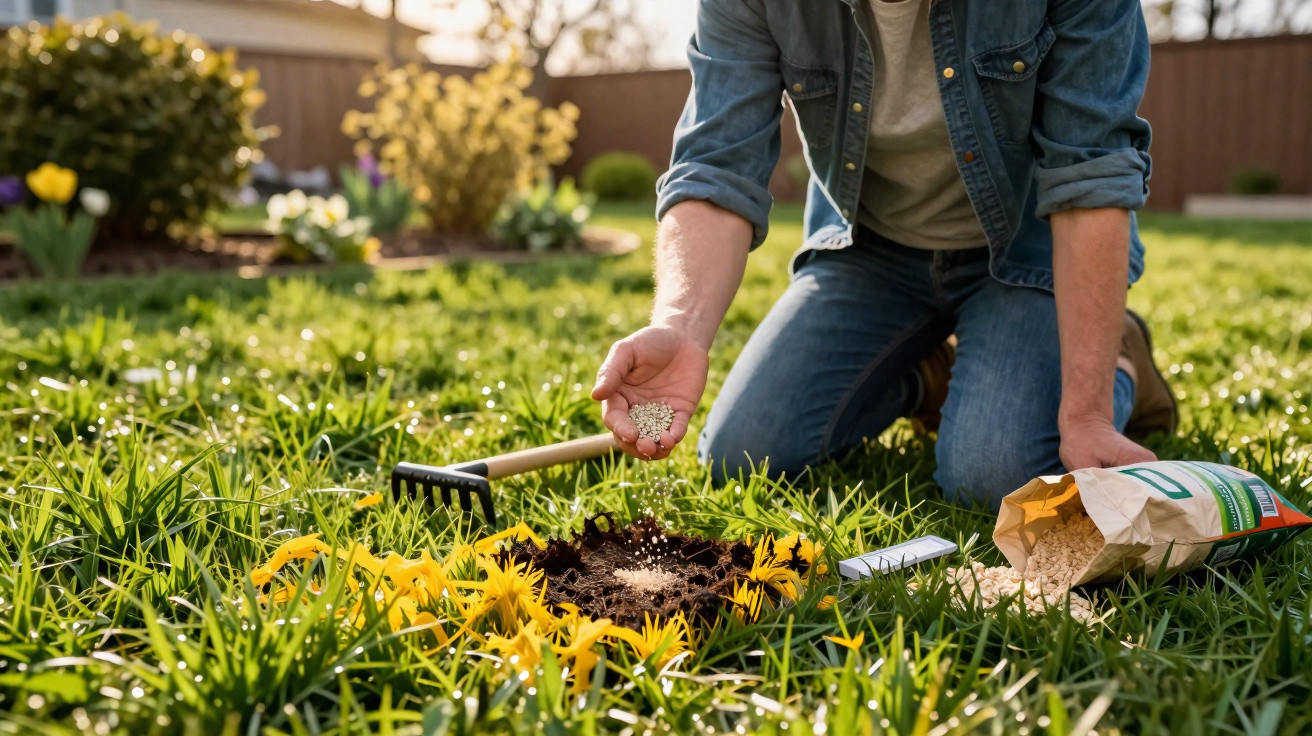
- mow lawns less often and at a greater height, leaving some sections to grow freely
- allow flowering wild plants rather than removing everything rigorously
- use no pesticides, including supposedly ‘gentle’ pest-control products
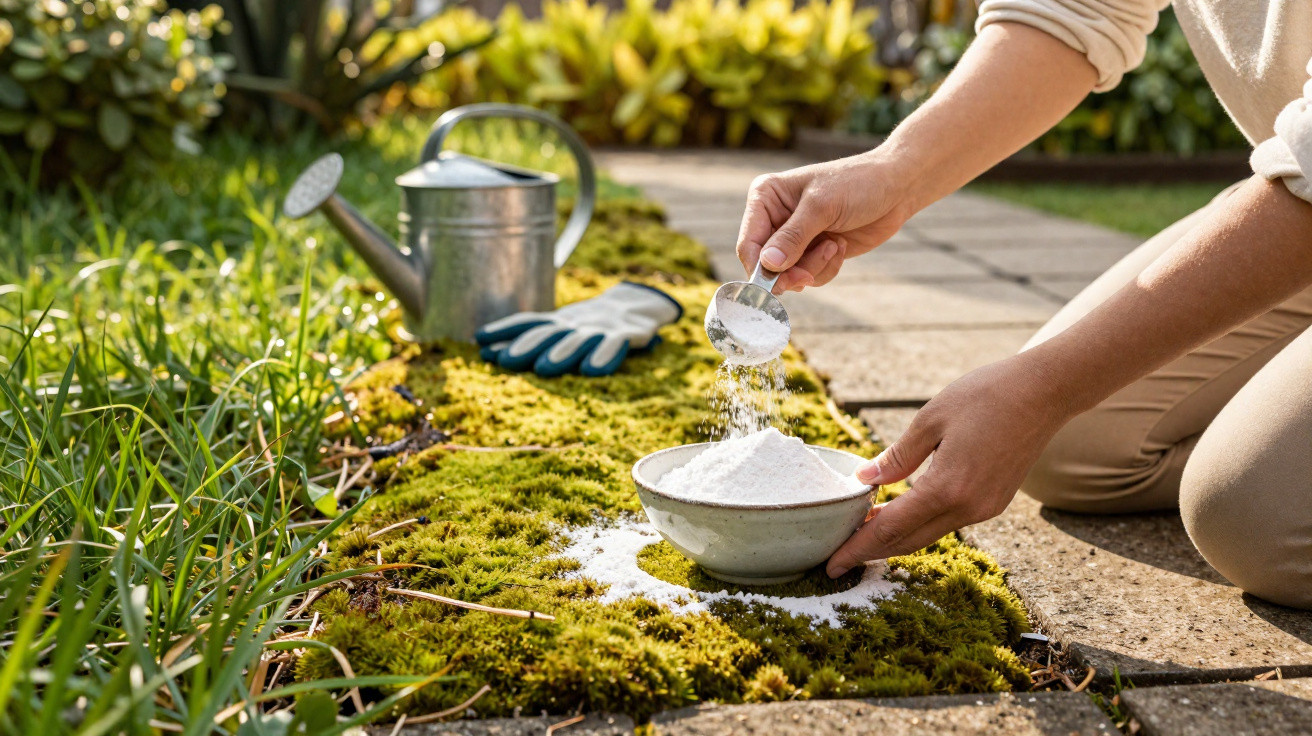
- tolerate moss in the lawn – great tits use it as nesting material
- leave dry stems and dead branches standing until at least mid-March
Many of these measures cost nothing; they only require a little more acceptance of a less manicured garden. Allowing a garden to become slightly wilder creates space for insects – and therefore the basis for healthy bird populations.
Particularly in densely built-up residential areas, individual plots can become important stepping stones for wildlife. A black elder shrub on the boundary, a nest box on the carport and a corner mown a little less strictly – this combination is often enough for great tits to choose the garden as a regular site and return year after year.

Comments
No comments yet. Be the first to comment!
Leave a Comment