
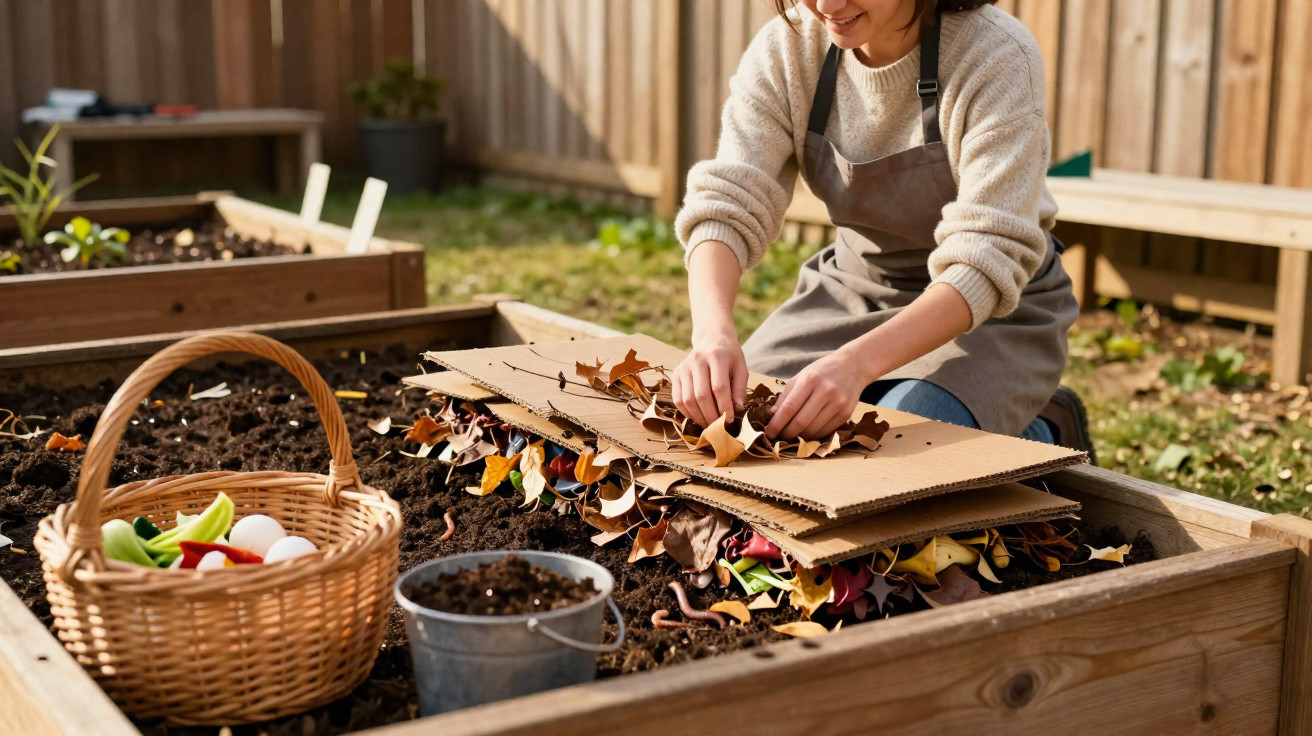
While most people are still shivering as they look out of the window, others are already preparing their summer vegetables – without a spade, without a tiller and with hardly any back pain. The method is called a lasagne bed, turning cardboard, leaves and kitchen scraps into a fertile vegetable plot that is ready for spring.
Say goodbye to back pain: gardening without digging
The familiar picture will ring true for many gardeners: a bent back, a heavy spade and clods of soil – after an hour, your back is stiff and your mood has plummeted. A lasagne bed turns that whole approach on its head.
“Rather than turning over the soil, you build upwards layer by layer – like a flat compost heap.”
The ground beneath is left largely undisturbed. As well as being kinder to your spine, this protects the invisible life below the surface. Traditional digging disrupts microorganisms, destroys earthworm tunnels, buries oxygen-loving bacteria and brings deep-dwelling organisms into the sunlight. Some soil life dies, while the soil structure deteriorates.
A lasagne bed works in the opposite way: instead of disturbing the soil, it feeds it. Soil creatures remain where they belong and the naturally crumbly structure is preserved. Once gardeners switch to this technique, they often wonder why they spent years struggling with heavy tools.
What exactly is a lasagne bed?
Although the name may bring Italian cooking to mind, it has nothing to do with pasta. It describes a bed made by layering several organic materials, much like the layers in a dish of lasagne.
The concept takes its cue from the natural woodland cycle. Each year, leaves, branches and plant remains fall to the forest floor, slowly decompose and create a thick, dark layer of humus. No one digs or loosens the ground, yet trees and shrubs thrive.
The “recipe”: creating the ideal lasagne bed layer by layer
A lasagne bed alternates between two broad material groups: carbon-rich “brown” materials and nitrogen-rich “green” materials.
- Brown layers: cardboard without colourful printing, straw, hay, dry leaves and shredded twigs.
- Green layers: vegetable and fruit scraps, coffee grounds, grass cuttings and fresh plant material.
Brown materials provide structure and air pockets, while green materials contribute moisture and nutrients. Together, they form a type of cold compost that gradually turns into humus-rich soil over weeks and months.
The basic order is as follows:
- Do not dig over the lawn or soil; simply clear the area roughly.
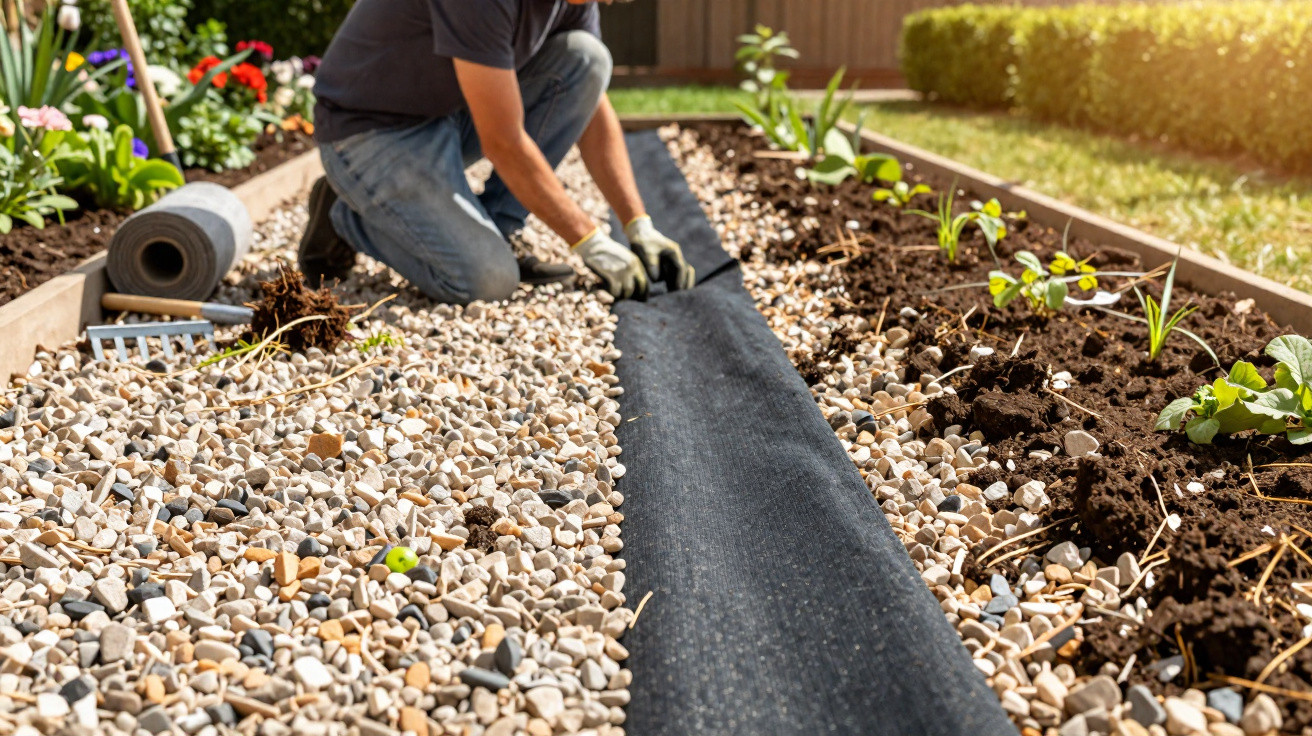
- Lay down large sheets of cardboard as the first layer, removing any tape or plastic film.
- Add a thick layer of “green” matter, such as kitchen waste or grass cuttings.
- Cover it with “brown” matter, for example leaves or straw.
- Repeat the layers several times until the bed is around 30–40 cm high.
- Finish with a layer of finer material or a little existing garden soil.
By late spring, this stack of layers will have become a loose, dark bed that is easy to plant into.
Why late winter is the ideal time to begin
For many people, gardening starts automatically in April or May. Lasagne beds, however, should be made much earlier, ideally between January and March.
“Rain, snow and cold do the hard work in winter that would otherwise require watering cans and muscle power in summer.”
Constant moisture softens the cardboard and draws it close to the ground. This enables fungi and bacteria to break it down more effectively. The organic layers above it also begin decomposing earlier. Anyone starting only in June will need to water far more to get the process properly under way.
When construction begins in late winter, there are usually two to three months before planting starts. During this time, the structure settles slightly and the first soil organisms move in. As the sun becomes stronger in April or May, the bed is already largely “cooked” and warms up much faster than the surrounding soil.
An open-air compost factory: turning waste into “gardener’s gold”
A lasagne bed is not only convenient; it also fits perfectly into a resource-conscious lifestyle. Materials that might otherwise go in the general waste bin or be taken away as garden waste can stay in the garden.
This includes, among other things:
- plain brown delivery cardboard without glossy printing;
- autumn leaves still lying in a corner somewhere;
- vegetable and fruit scraps from the kitchen;
- coffee grounds and loose tea leaves, without teabags containing plastic;
- finely chopped shrub prunings.
Saving these materials rather than transporting them away saves time, fuel and hassle. The garden becomes its own small recycling system, producing humus-rich soil from what might appear to be waste.
Earthworms: free gardeners beneath the surface
As soon as the first layers are in place, an unpaid but highly effective workforce arrives: earthworms. They love the generously supplied feast offered by a lasagne bed.
“Earthworms tirelessly tunnel, blend the layers and leave behind nutrient-rich crumbs – better than any motorised cultivator.”
They move from the original soil into the new layers, pull organic matter downwards, bring minerals up and aerate the entire bed. Their castings are regarded as especially valuable fertiliser, which plant roots can absorb quickly.
This biological activity turns the bed into something like a sponge, allowing it to retain considerably more water than compacted garden soil. With summers becoming increasingly dry, that is a real advantage. Spring rainfall does not simply drain away; it remains available around the roots for longer. As a result, watering needs in high summer are noticeably reduced.
Fewer weeds and a faster start to the season
One of the most striking benefits becomes apparent in spring: far fewer unwanted plants grow where a lasagne bed has been created.
The cardboard at the base acts as a light barrier. Grass and many wild plants underneath no longer receive sunlight, so they gradually die back. At the same time, they decompose and become a source of nutrients themselves.
As temperatures rise, the bed’s surface often looks surprisingly clear. Its raised position – usually 15 to 20 centimetres above the original level – also helps it warm up sooner. To plant out young plants, you generally only need to press a small hole into the loose layer, place the root ball inside and firm it gently. The spade and hoe can stay in the shed.
Lasagne bed dimensions, height and timing: practical tips for getting started
A lasagne bed can be created almost anywhere: on an old lawn, over part of a driveway or even on compacted ground. A few rules of thumb make it easier to begin:
| Question | Guidance |
|---|---|
| Bed size | Maximum width of around 1.20 m, so that the centre can be reached from both sides |
| Height when built | Around 30–40 cm; once settled, it will usually remain 15–20 cm high |
| Starting time | Late winter to early spring, as soon as the ground is no longer frozen |
| Use | In the first year, ideal for hungry crops such as tomatoes, pumpkins and courgettes |
Many gardeners start with only one or two beds, gain experience and increase the area the following winter. You can edge the bed with wooden frames or old bricks if you wish, but it works perfectly well without any border.
Risks, common pitfalls and how to avoid them
Although the method is straightforward, a few points need attention:
- Too many grass cuttings: Thick layers made solely from grass can rot and smell unpleasant. Always mix them with dry material instead.
- Printed cardboard: It is best to avoid glossy packaging and plastic-coated cardboard.
- Plants containing seeds: Use flowering weeds before they set seed, or compost them separately.
- Fertiliser: This is generally unnecessary, because the layers supply sufficient nutrients.
If you are unsure, choose robust crops such as courgettes, potatoes or Swiss chard in the first year. They are more forgiving of minor inaccuracies in the layering than delicate specialist varieties.
Lasagne bed, raised bed and traditional compost: how they work together
A lasagne bed does not conflict with other gardening methods; it complements them. If you already have a conventional compost heap, mature compost can be used as the top layer. A raised bed can also be filled using the same principle: coarse material at the bottom, followed by alternating “brown” and “green” layers.
Combining it with mulch is equally practical. Once the first season has ended, harvested plants can simply be chopped up and left on the bed. This creates a fresh, thin lasagne layer each year, keeping the system going permanently.
Starting now in late winter shifts much of the work away from the busy growing season and into a period when there is otherwise little to do in the garden. Your back will appreciate it, the soil even more so – and the tomatoes certainly will in summer.

Comments
No comments yet. Be the first to comment!
Leave a Comment