
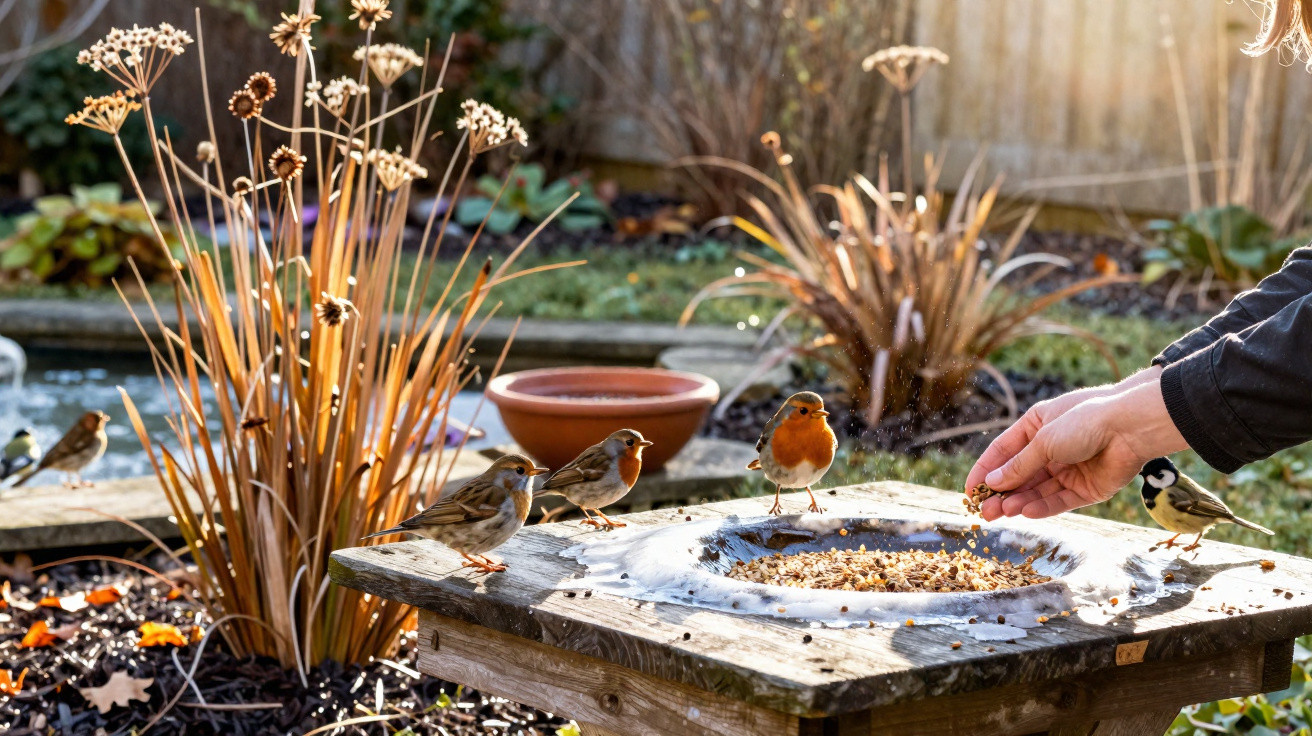
Many garden owners are surprised by what these birds actually reveal.
Watching tits, blackbirds or robins in your own garden through the window on a bitterly cold winter morning is more than a pleasant sight. Their activity offers a remarkably candid assessment of the garden’s condition: is it simply a summer backdrop, or a genuine patch of nature that still supports life in January?
When the garden becomes a refuge
In the depths of winter, every calorie matters to birds. They do not fly about without purpose; instead, they head specifically for places where the energy they expend will pay off. If they choose to land in your garden, it has passed the demanding selection process of the bird world.
A meticulously tidy show lawn, with gravel beds, a closely clipped hedge and bare swept ground, may look neat to people. To birds, however, it is generally an ecological desert: there is no food, scarcely any cover and a great deal of danger.
“A garden filled with chirping and rustling early on winter mornings is usually no lucky accident – it serves as a retreat for wildlife.”
When birds remain for a while, search thoroughly and even squabble, they feel comparatively secure. This generally means there is a sound balance of dense planting, natural corners and sheltered areas. Your garden becomes a small, warmer island in an otherwise rather hostile winter landscape.
Faded plants as a winter buffet
Many amateur gardeners fail to appreciate how valuable supposedly “untidy” beds can be. What appears to us as dead stems, withered leaves and leftovers from last summer is, for birds, a generously stocked buffet.
What birds are really looking for in your garden
- Seed supplies on faded perennials such as sunflowers, echinacea or ornamental grasses
- Overwintering insects and larvae in bark, wall crevices or dead stems
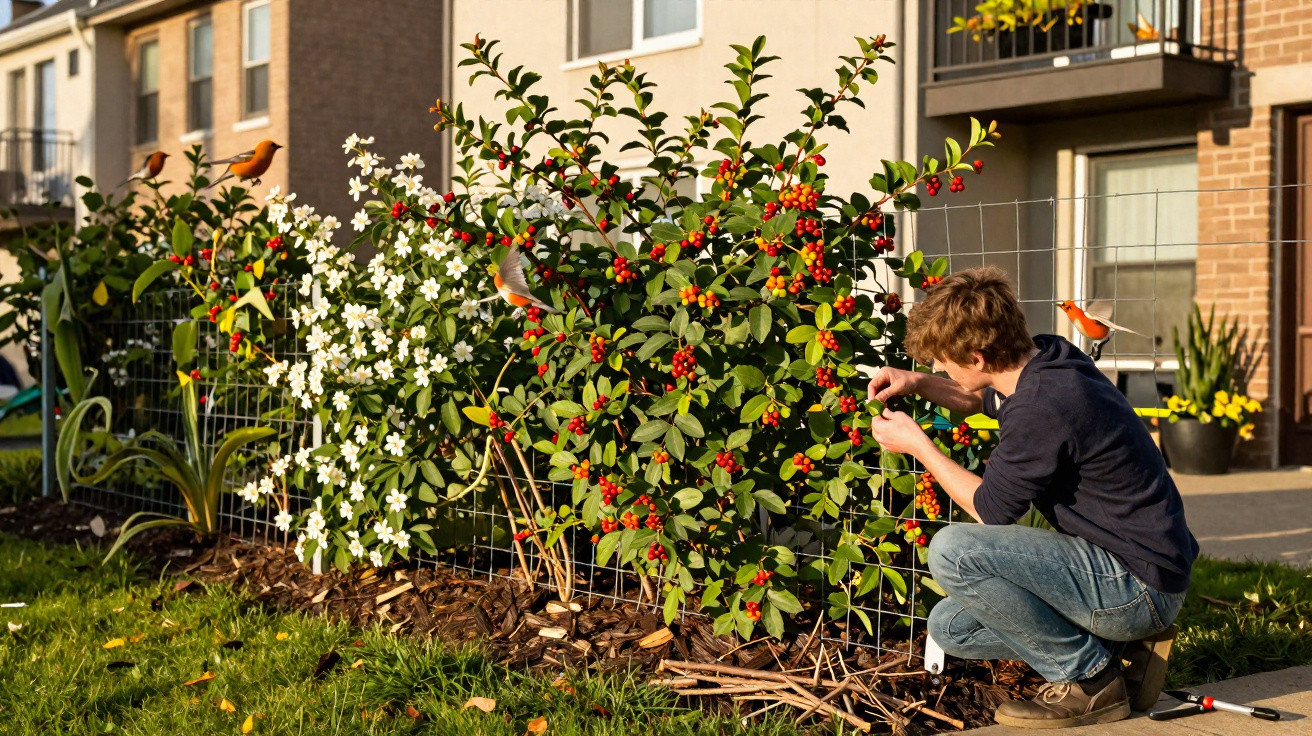
- Berries on shrubs including firethorn, cotoneaster or holly
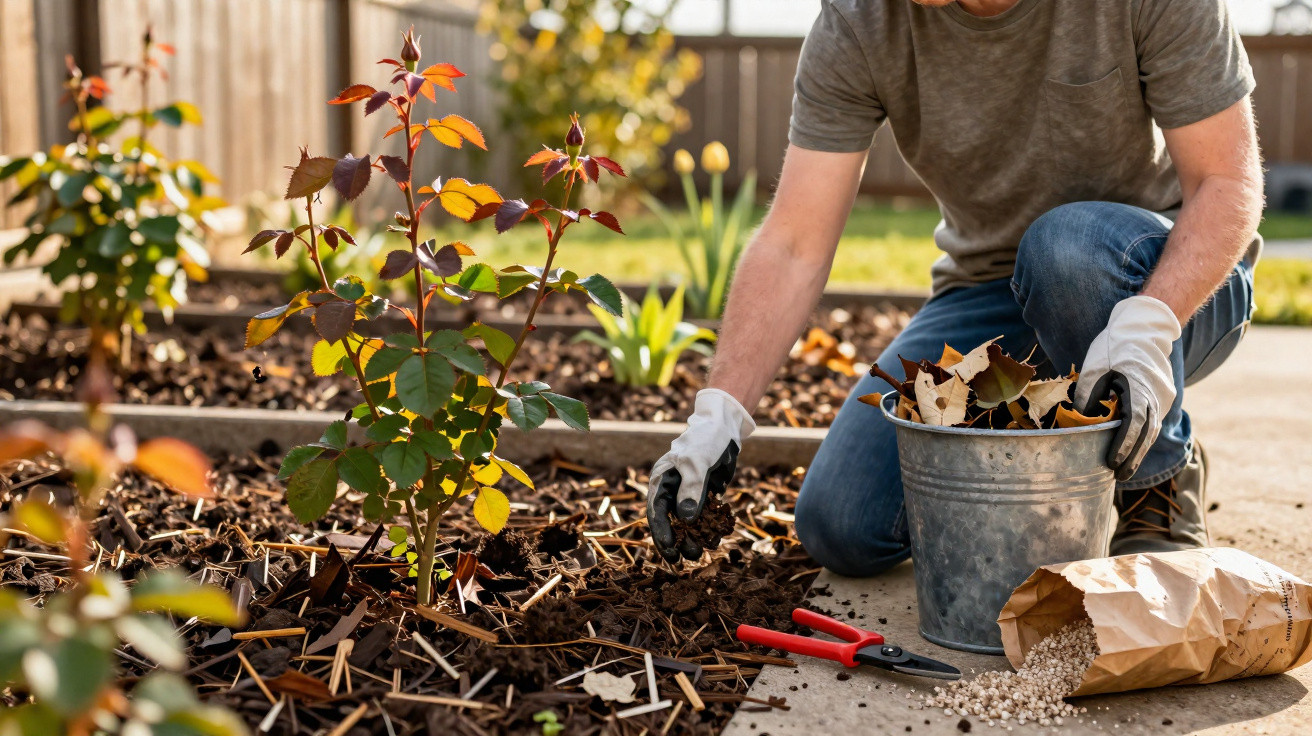
- Soil-dwelling creatures such as worms and beetle larvae within layers of leaves and mulch
When blackbirds or thrushes rummage through leaf litter, it is a positive sign. It shows that the soil is loose, rich in humus and full of small creatures. This “invisible” diversity keeps a garden healthy over the long term by recycling nutrients and helping to control pests.
Anyone who clears away every leaf in autumn and radically makes beds “tidy” removes the winter shelter of all these animals. They may later wonder why their garden is empty and why there are more pests in summer.
The right planting structure saves birds’ lives
Birds require more than food: they need a three-dimensional landscape, from low thickets at ground level through shrubs to taller trees. If one of these layers is missing, their movement is restricted and the threat from cats or birds of prey increases.
What a bird-friendly garden provides
- Dense ground cover and leaf piles for shelter and foraging
- Shrubs and hedges as an intermediate layer and secure stopping points
- Individual trees or tall shrubs as lookout posts and escape points
- Climbing plants on walls or fences for extra roosting places
Mixed hedges of native shrubs are particularly important. They create green corridors that allow birds to cross the garden without spending long exposed in open air. Climbing ivy or evergreen shrubs such as laurustinus also provide sheltered roosts, where temperatures are often a few degrees higher than in the surrounding area.
“The more layers and hiding places a garden offers, the more bird species will dare to visit – and stay.”
What individual species ‘measure’ in the garden
A closer look at the most common winter visitors can reveal a great deal. Each species uses a garden differently, indicating which structures are working well.
Typical winter birds and what they indicate
| Bird species | What it uses | What this says about the garden |
|---|---|---|
| Tits | Fine twigs, tree bark, nest boxes | There are insects, mature trees or shrubs, and places to hide |
| Robins | Partly shaded spots, undergrowth, leaf litter | The soil is rich in humus, has not been cleared bare and contains small creatures |
| Blackbirds | Ground areas, berry shrubs, compost corners | Fruit, earthworms and loose soil are available |
If several of these species are active in the garden at the same time in the morning, this strongly suggests a stable and varied habitat. The animals occupy different niches while barely getting in one another’s way – a classic feature of a functioning ecosystem.
Water in winter: often more important than food
When people want to help birds through winter, they often think first of bird feeders. Yet the shortage is frequently elsewhere: frost removes access to open water. Frozen puddles and water butts can leave birds in difficulty, as they need water not only for drinking but also for maintaining their plumage.
- Put out shallow dishes of lukewarm water in the morning
- Choose a rough surface so birds can keep their footing
- Do not add salt or any other substances to the water
- Clean the dishes every day to prevent disease
“A simple plate of fresh water can be more life-saving in January than the finest bird feeder.”
How to make your garden even more appealing
Winter is an ideal time to assess your garden realistically: which areas resemble green walls but are avoided by birds? Where is structure lacking, and where is there too little food? Planning now lays the foundations for the following winter.
Practical ways to increase bird diversity
- Plant native berry-bearing shrubs, such as blackthorn, hawthorn or elder
- Leave perennial stems and ornamental grasses standing throughout winter
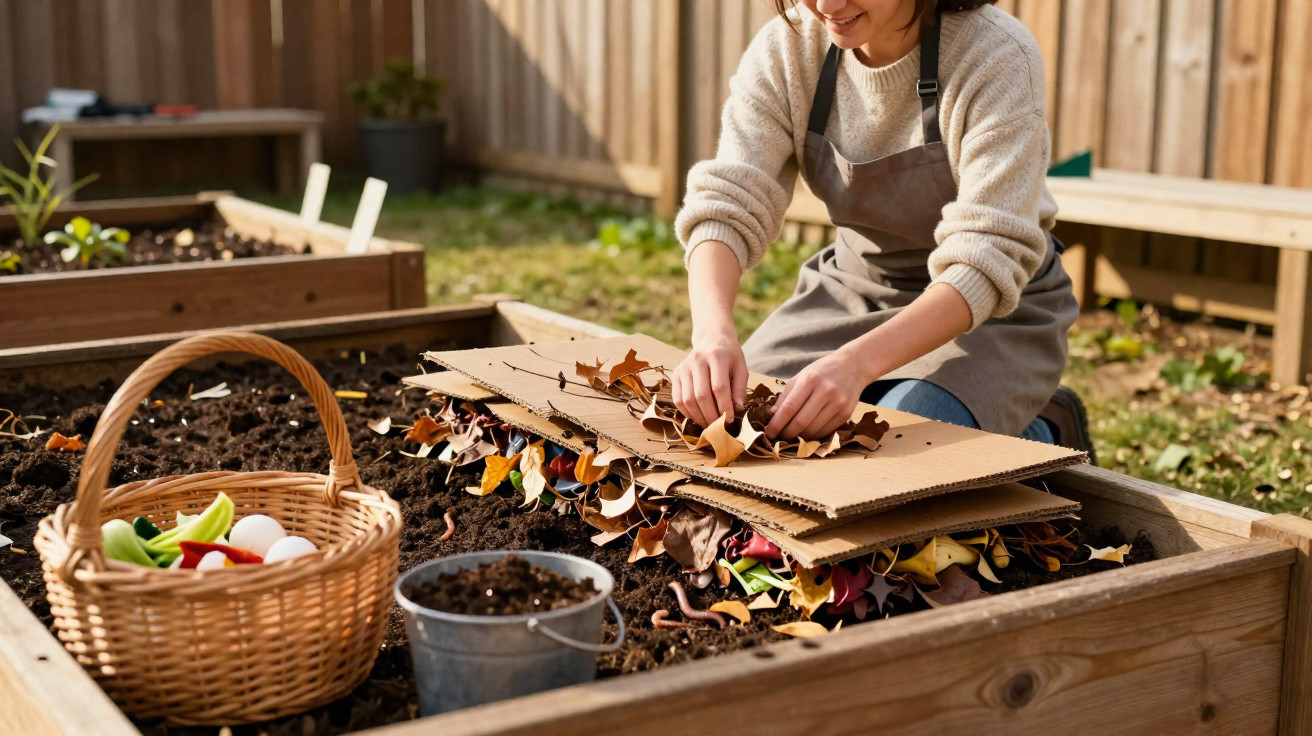
- Deliberately keep at least one corner “wild”, with leaves and dead wood
- Clean nest boxes early and hang them in protected locations
Chemical pesticides should have no place in a bird-friendly garden. Many products harm not only pests but also the insects on which birds depend, and they may accumulate in the food chain. Choosing diversity instead provides natural help against aphids, caterpillars and similar pests over time.
What terms such as ‘living soil’ mean
The phrase ‘living soil’ is often used. It refers not merely to loose growing medium, but to an entire microcosm of bacteria, fungi, worms and insects. These organisms break down dead plant material, create humus and enable the soil to retain water.
For birds, this offers two benefits: they can find food there, while plants growing in that soil remain healthier and more vigorous. A chain reaction follows: living soil, diverse plants, plentiful insects, plentiful birds. A garden with busy bird activity in winter usually demonstrates precisely this interaction.
Better quality of life – for birds and people
A garden that remains alive in January may not look as though it has come from a catalogue. Stems are left standing, leaves gather in corners and hedges do not grow in perfectly straight lines. In return, it becomes a place where children can marvel, adults can unwind and wildlife has a chance.
If birdsong wakes you in the morning and you look out of the window at this small amount of chaos, you have in fact done a great deal right. Birds are not merely pleasant visitors: they are the clearest praise for a garden that works throughout the year.
Comments
No comments yet. Be the first to comment!
Leave a Comment