
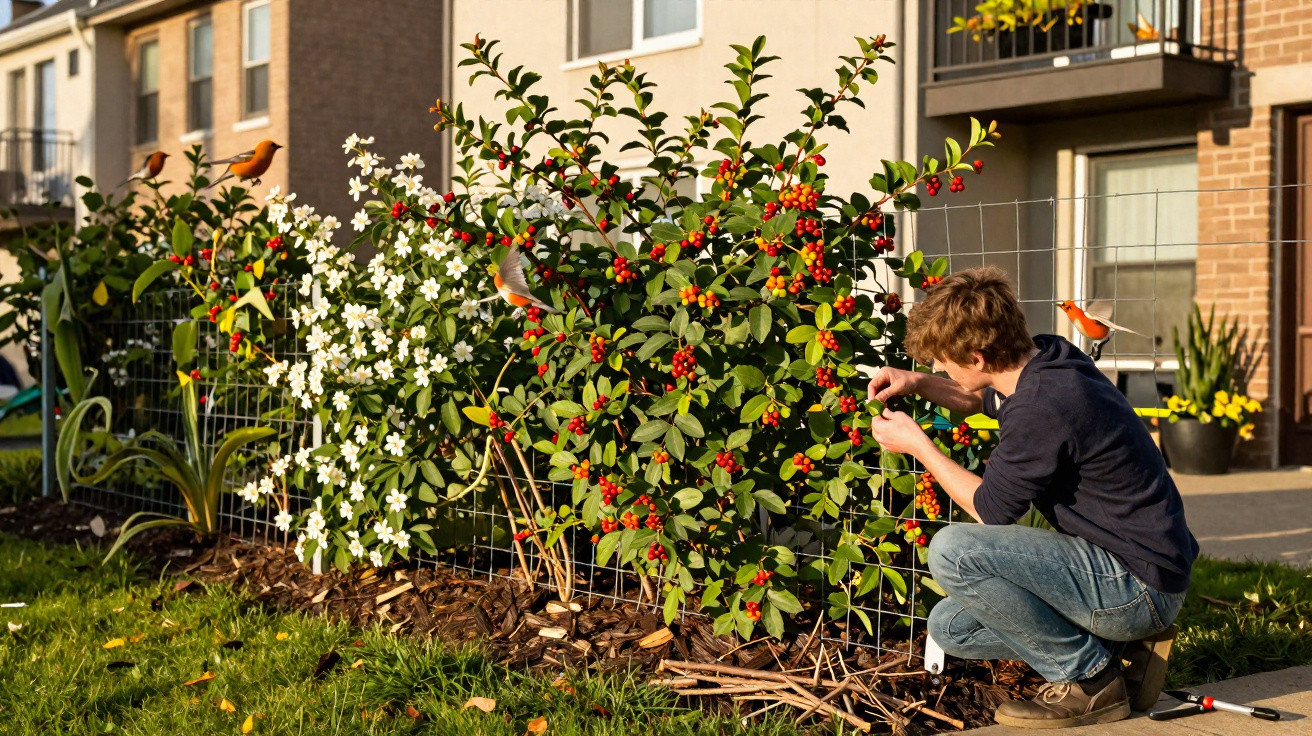
Spring may bring fresh flowers and a new barbecue to mind, but focusing only on those means overlooking what could be the most important step towards bringing more nature into your own garden. One intelligently planned planting project can provide songbirds, insects and small animals with habitat, shelter and food – while also giving you an extra supply of berries for summer.
Why March shapes your wildlife garden
In March, the soil gradually emerges from winter. It remains moist, yet is no longer frozen. This particular combination allows new roots to establish themselves deeply and securely, without young plants suffering from drought stress.
For many bird species, this is also the crucial period for finding a territory. They now need safe nesting sites, dense cover from cats and martens, and food close at hand. Planting now sends a clear message: this is a worthwhile place to build a nest.
“Planting shrubs in March gives birds not only food, but above all safe nesting places at the right time – a decisive advantage for the season ahead.”
If planting is postponed by several weeks, young birds will simply lack suitable habitat later on. The garden will then remain quieter, even if bird feeders are put up. The foundation is not a fat ball, but the hedge.
The idea of an “edible hedge”: shelter and buffet in one
Rather than planting a formal row of thuja or the same old cherry laurel, choose a deliberately mixed strip of fruiting shrubs – a hedge that people and wildlife can both snack from. The greater the variety of shrubs, the more animal species will find something that suits them.
The berry trio that transforms any terraced-house garden
Three resilient woody plants are enough to create the basic structure:
- Blackcurrant (Ribes nigrum): Dense growth, fragrant leaves and numerous inconspicuous spring flowers that attract insects. It is an ideal shelter for small birds, while the insects provide a valuable protein source for chicks.
- Gooseberry: Its thorny shoots form a natural defence against cats. Nests sit within them like they are in a prickly fortress and are often left untouched.
- Juneberry (Amelanchier): Flowers very early, when little other food is available, then later produces dark purple berries loved by blackbirds, thrushes and others. For people, they taste sweet with a slight marzipan note.
This trio fulfils several roles at once: an insect feeding ground in spring, a privacy screen in summer, a berry patch in high summer, and structure and refuge in winter. There is no need for exotic rarities either – all are proven, relatively undemanding shrubs.
“Three well-placed shrubs can do more for biodiversity than an entire ornamental garden full of concrete planting rings.”
Planting an edible hedge: position, direction and spacing
Choosing the shrubs is not the only important decision; how and where they are planted matters just as much. A little planning before the first spade goes into the ground pays off every day afterwards.
North–south alignment: a better balance of sun for more berries
Where possible, position the hedge roughly on a north–south axis. This lets sunlight reach both sides as the day progresses. The result is:
- better ripening of the fruit
- dense foliage for privacy and nesting cover
- drying morning and evening sunshine, which reduces fungal diseases
If this orientation cannot be achieved, the hedge should at least not sit in deep shade all day. A partly shaded to sunny location is ideal, perhaps beside a fence or along a path.
Spacing and soil: neither too close nor too tidy
For an average-sized garden hedge, allow approximately:
| Shrub | Recommended spacing | Special requirement |
|---|---|---|
| Blackcurrant | 1.0–1.5 m | prefers nutrient-rich, slightly moist soil |
| Gooseberry | 1.0–1.2 m | needs air around its shoots to prevent mildew |
| Juneberry | 1.5–2.0 m | can grow into a small tree |
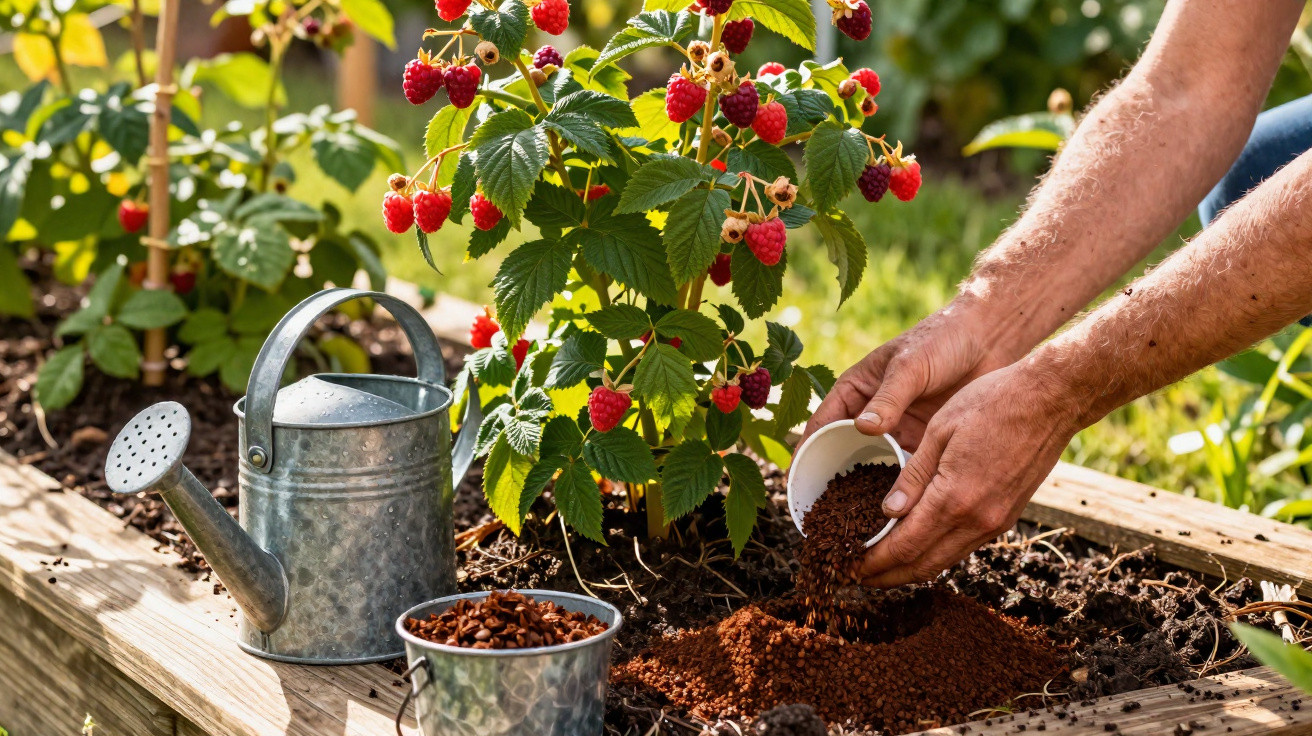
The soil does not need to be perfect, but it should be loose, rich in humus and free-draining. It is worth working over compacted ground thoroughly with a spade or digging fork, then mixing in compost.
No magic without mulch: why the soil sets the rhythm
One of the most overlooked keys to a thriving garden lies right at the shrubs’ feet: the soil. Bare earth may look neat, but for wildlife it is a complete failure.
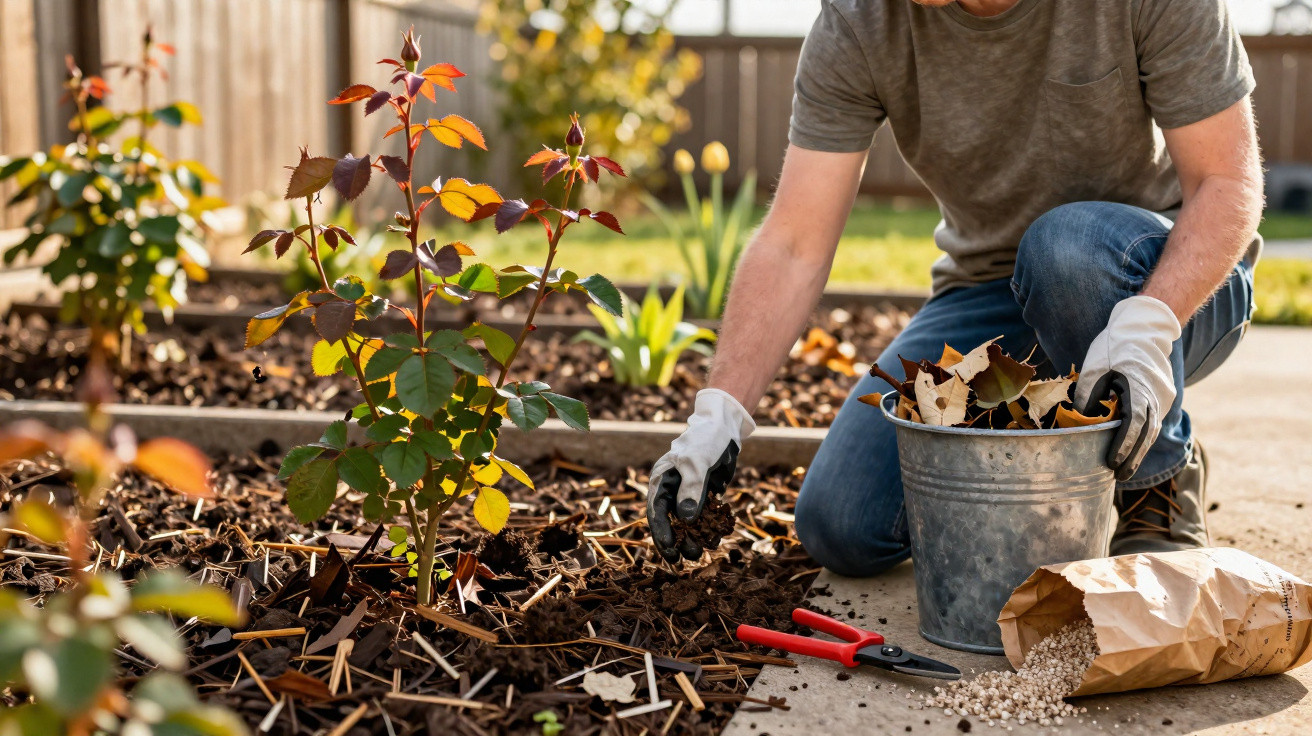
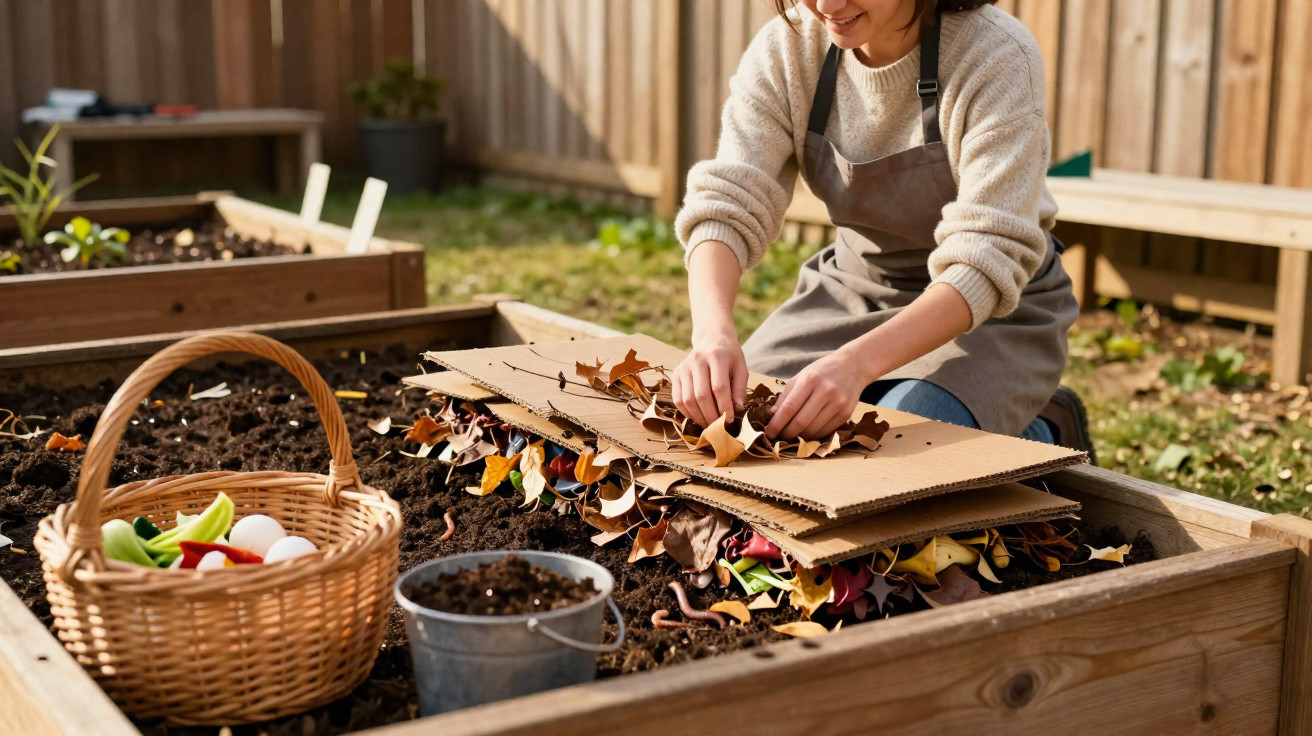
A thick layer of organic material is far more effective:
- woodchip from trees or shrubs
- straw or hay
- dried leaves
- grass clippings, applied in thin layers so they do not rot
“Mulch does more than retain water in the soil: over time, it turns the area into an all-you-can-eat buffet for small animals – and therefore for birds.”
Earthworms, woodlice, beetles and spiders settle beneath this layer. This is exactly where blackbirds and robins look for food, rummaging through the mulch for tasty morsels. The soil also stays moist for longer, which is a real advantage during dry summers.
Using chemical products here destroys this delicate chain. Insecticides, weedkillers and mineral-based “soil improvers” remove the system’s very foundation. The rule is simple: what kills a pest usually harms its predators too.
What changes from April: from ornamental garden to habitat
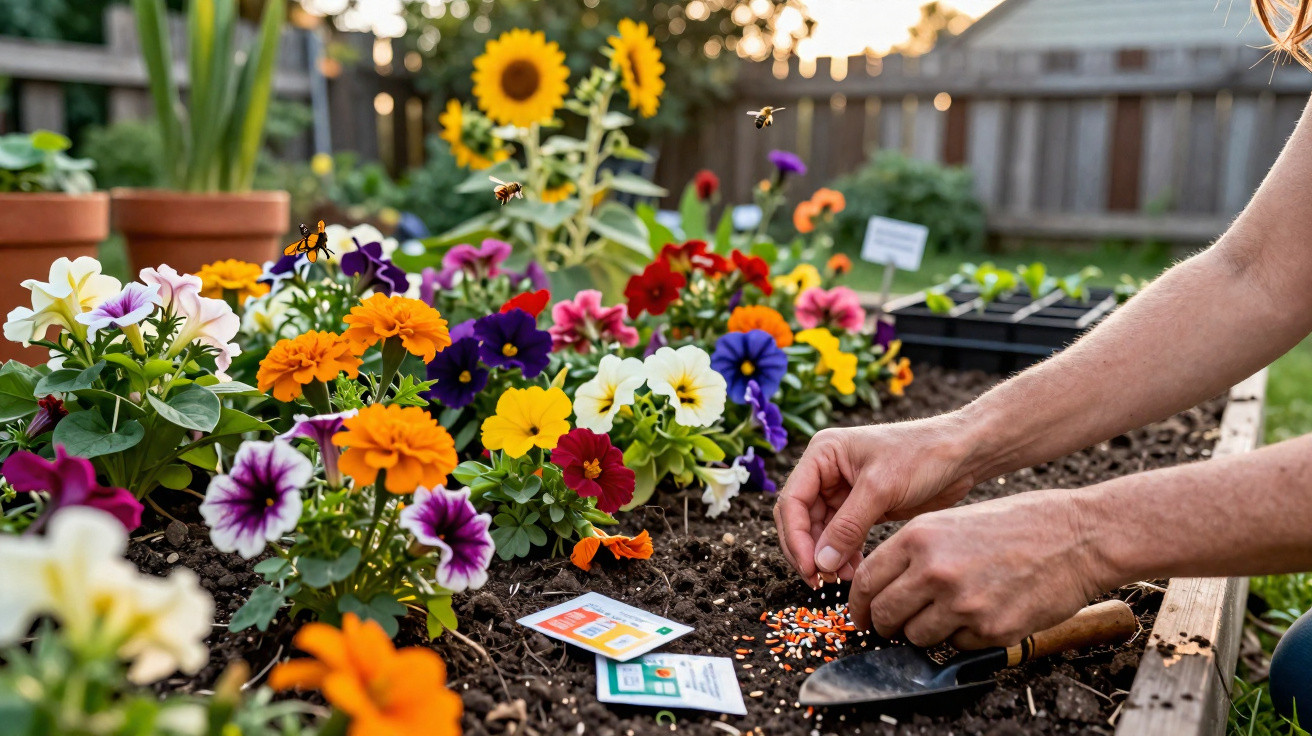
The first effects become visible just a few weeks after planting. In mild areas, Juneberries soon show their early white flowers. At the same time, wild bees and bumblebees buzz around the blackcurrant shrubs. In the mulch, everything that crawls, jumps or burrows is on the move.
With a little patience, more birds will appear too – birds that might otherwise only have flown briefly over the property. Typical visitors include:
- tits picking aphids from the young shoots
- robins, bold enough to search for insects just a few metres from people
- blackbirds scratching aside mulch and pulling out worms
The hedge therefore loses its purely decorative role. It becomes a central part of a small, functioning ecosystem in which plants, animals and soil organisms all benefit from one another.
Care with restraint: prune, harvest and observe
An edible hedge requires less work than many people expect, provided a few basic principles are followed:
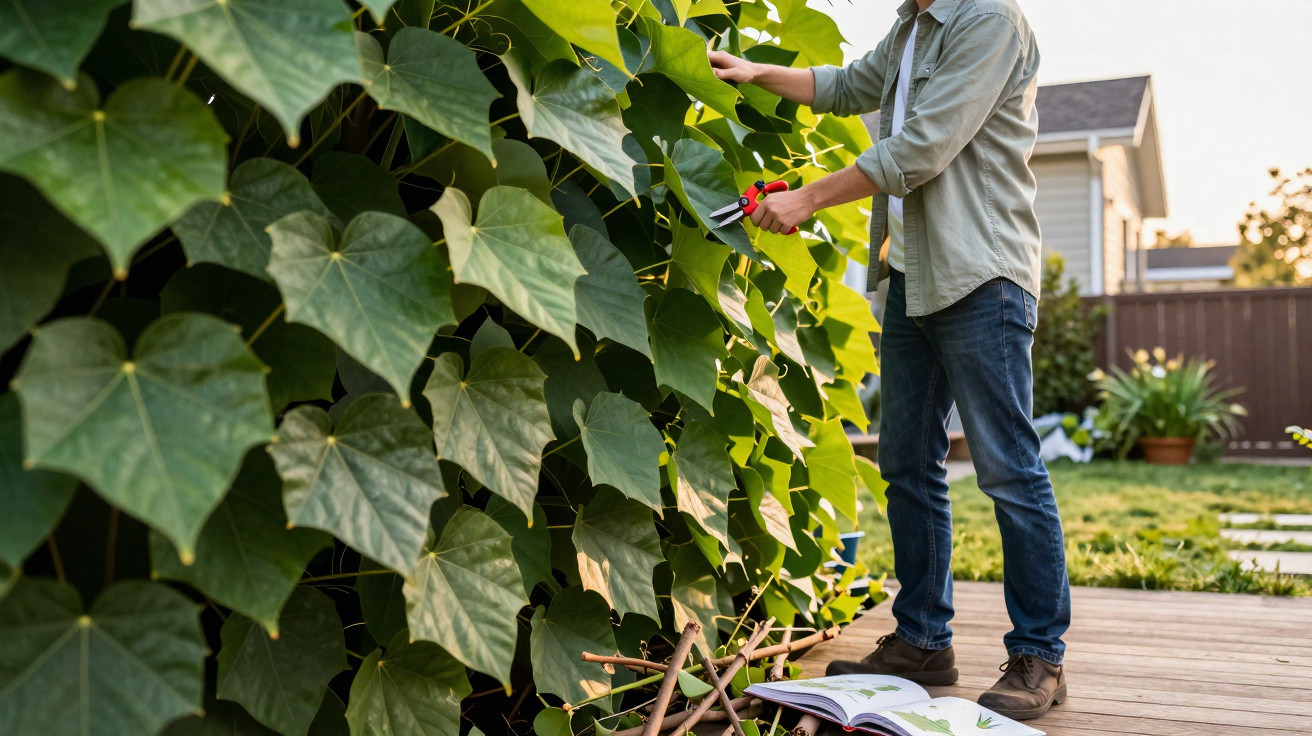
- Prune in late winter: Regularly remove old, dark shoots from blackcurrants and gooseberries so that new, fruit-bearing canes can grow.
- Respect the breeding season: Between March and July, only inspect shrubs; do not carry out major pruning. Never disturb nests.
- Leave part of the harvest for birds: Covering everything with netting takes away the animals’ food source. It is better to protect only part of the crop and share the rest.
- Renew mulch annually: Material that decomposes becomes humus. Add fresh material once the layer has become thin.
Over time, structures emerge that were not even planned at the beginning: deadwood branches used as perches, small gaps that let hedgehogs pass through, and dense corners where you never quite see everything living there – but you can hear it.
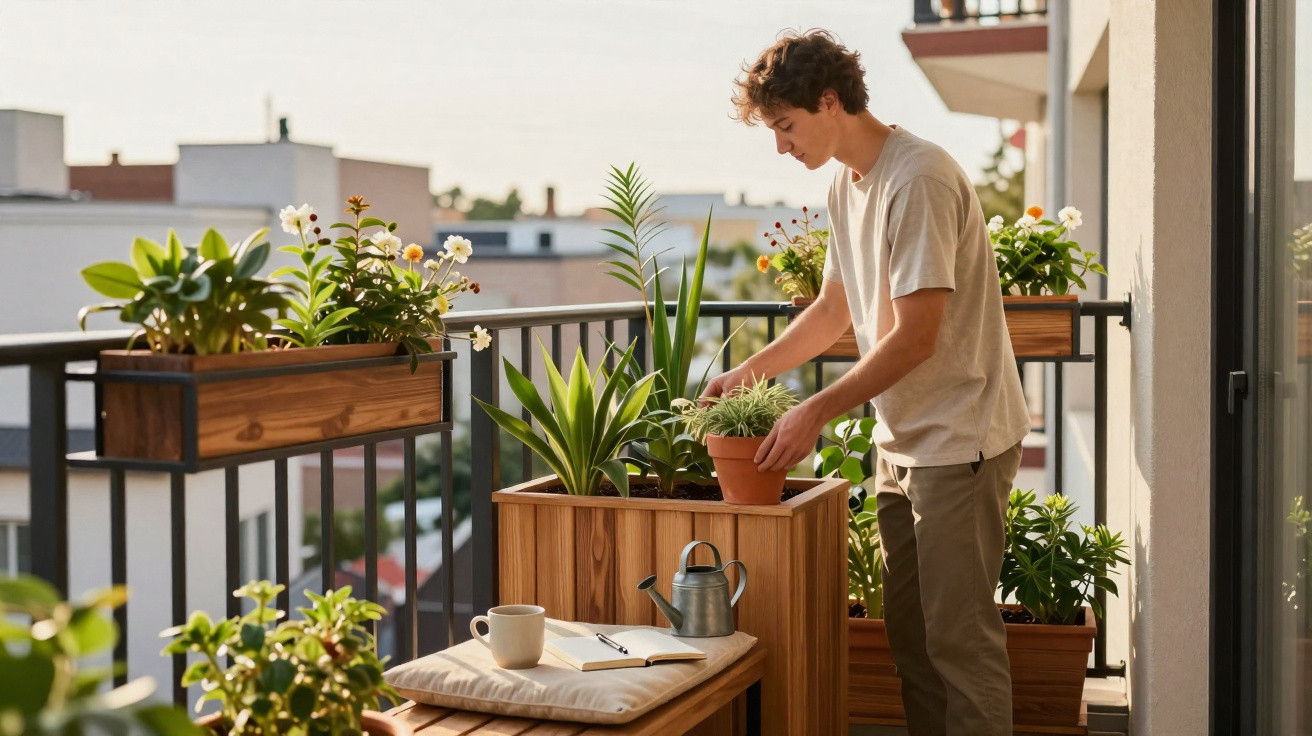
For small gardens and balconies: can it work on a mini scale?
Those without a large garden can adapt the idea. A few examples are:
- a Juneberry in a container on a roof garden
- a gooseberry in a large pot on the patio
- a blackcurrant trained as an espalier against the house wall
The underlying principle remains the same: flowering and fruiting shrubs, very little chemical use, organic mulching materials – and a willingness to share a few berries.
What this hedge really benefits from
A wildlife-friendly edible hedge works even better when more elements come together: a natural lawn with clover instead of a perfectly clipped carpet, perhaps a small container of water as a bird bath, or an untreated stack of wood in a corner. Every one of these features increases the likelihood of seeing new species in your own garden.
Anyone who starts in March with a spade and a few berry bushes is doing more than creating an attractive garden feature. They are helping to turn a previously quiet plot into a living habitat that sings, hums and rustles – and that is exactly what makes many gardens exciting again.
Comments
No comments yet. Be the first to comment!
Leave a Comment