
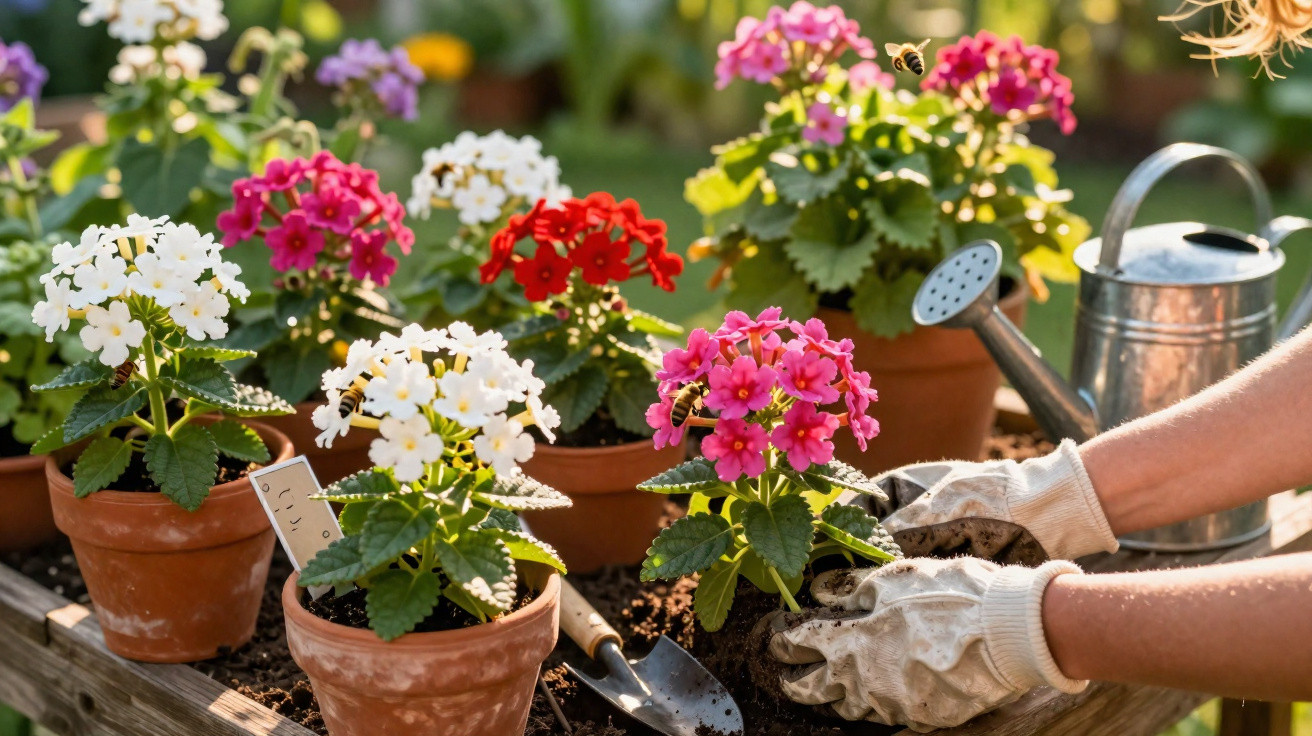
While many amateur gardeners are still deciding which plants to put in containers and beds this year, a race is already under way in the background: bees, bumblebees and butterflies are looking for food but often find nothing but bare soil. Choosing the right plant now not only creates a blaze of colour lasting into autumn, but also supports the pollinators on which a large share of our food depends.
A tropical beauty with star-shaped flowers: the story behind the plant
The star of this gardening tip is botanically known as Pentas lanceolata, though it is generally sold simply as Pentas. Native to East Africa and Yemen, it is usually grown here as an annual summer flower, although it is a perennial in warm climates.
Pentas grows into a bushy, compact plant around 40–50 cm tall, occasionally a little taller in very warm areas. Its distinctive feature is the dense clusters at the tips of its shoots, each made up of countless star-shaped blooms. The individual flowers are small, but together they form glowing spheres of colour.
From May until the first frosts, Pentas provides a continuous display of flowers – without demanding care or daily work in the garden.
The available colour range leaves little to be desired: vivid red, soft pink, rich cerise, purple, lavender and pure white are widely sold, with bicoloured varieties also available. Mixing several colours quickly produces a lively, almost Mediterranean effect, making Pentas ideal for window boxes, terrace containers or front gardens.
Why bees, butterflies and other pollinators love this flower
Pentas is considered an especially valuable nectar plant. Its tubular flowers contain plenty of sweet nectar as well as pollen, creating a genuine all-inclusive feast for pollinators. As the flowers are tightly grouped, insects benefit particularly from visiting them: they can settle comfortably and move from one bloom to the next without repeatedly changing position.
Typical visitors to Pentas include:
- Honey bees, replenishing their energy reserves
- Solitary bees, which rely on a varied choice of flowers
- Day-flying butterflies such as large whites, red admirals and painted ladies
- Bumblebees, which remain active even on cooler days
In particularly warm regions, even hummingbirds may visit these plants. This spectacle is unlikely in central Europe, but local insect life will visibly appreciate them. Particularly in residential areas dominated by gravel gardens and sterile lawns, Pentas can quickly become one of the most important “refuelling stations” nearby.
Planting Pentas among other nectar-rich plants creates a true flowering corridor that feeds pollinators from spring to autumn.
The right position: where Pentas can show its full potential
Pentas prefers warmth and brightness. Tropical conditions prevail in its native habitat, so the plant cannot tolerate frost in Germany. It should only be planted out once nights are reliably mild.
When should you plant it?
The best time is late spring, after the traditional mid-May frost-risk period has passed and night frosts are no longer expected. As a rule, this means from mid-May onwards, although timing may be slightly earlier or later depending on the region.
Where should you plant it?
- Sunny position: In regions with moderate summers, Pentas can happily grow in full sun.
- Light partial shade: In very hot areas with intense midday sun, it benefits from some protection, although it flowers best with plenty of light.
- Good drainage: Pentas does not cope well with waterlogging, so ensure loose, free-draining soil in beds.
- Humus-rich ground: Slightly nutrient-rich, fresh garden soil with a neutral to mildly acidic pH is ideal.
Pentas is suitable for both flower beds and containers. Pots bring the flowers closer to seating areas and windows, allowing you to enjoy watching insects at close range.
How even beginners can plant Pentas easily in beds or containers
Planting is straightforward and easy even for newcomers:
- Choose a spot that is as bright as possible, sheltered from wind and free from standing water.
- In a bed, dig a planting hole about twice as wide as the root ball.
- Water the Pentas in its pot, then gently remove the root ball.
- Set the plant at the same depth as it was in the pot, fill gaps with soil and firm it lightly.
- Water thoroughly and apply a thin layer of compost or potting compost.
For containers, an ordinary pre-fertilised potting compost is sufficient. Drainage holes in the base are essential, and a thin drainage layer of expanded clay or coarse gravel is best to allow excess water to escape.
| Aspect | Recommendation for Pentas |
|---|---|
| Light | Full sun to bright partial shade |
| Soil | Humus-rich, well-drained, fresh |
| Planting time | Late spring after the final frosts |
| Mature height | Around 40–50 cm |
| Use | Beds, balconies, terraces, front gardens |
Stress-free care: what Pentas really needs
Despite its exotic origins, Pentas is one of the easiest summer plants to care for. Following a few basic rules will reward you with flowers for months.
Watering: moist, but never soaking wet
Once established in a bed, Pentas usually only needs regular watering during dry spells. The soil should remain lightly moist, but the surface should be allowed to dry briefly between watering. Water evaporates more quickly from containers, so watering two or three times a week is normal during hot summer periods.
Important: do not leave standing water in saucers. Waterlogged roots weaken the plant and cause damage.
Feeding: regular, but restrained
Working a little compost into the soil in spring provides sufficient initial nourishment. In containers, you can use a slow-release fertiliser for flowering plants, or add a liquid flowering-plant feed to the water every two weeks. Too many nutrients quickly result in excessive leafy growth and fewer flowers, so apply fertiliser sparingly.
Remove faded blooms for endless clouds of flowers
The most important care tip is also the simplest: regularly cut away spent flower clusters. This can be done quickly with scissors or by hand. The plant then directs its energy into fresh buds instead of seed production, significantly extending the flowering period.
Anyone who removes wilted flowerheads every one to two weeks will find Pentas to be an almost continuously flowering summer plant.
In very mild areas, or where containers are overwintered frost-free, the shoots can be shortened by around one third towards the end of winter. This encourages more compact, denser new growth the following year.
Perfect partners: plants that work especially well with Pentas
Pentas comes into its own when combined with other insect-friendly flowering plants. This creates not only a visually varied bed, but also a continuous supply of nectar.
Suitable companion plants include:
- Lavender: Loves sun, has an intense fragrance and is highly attractive to bees.
- Salvia varieties: Such as meadow sage or ornamental sage, adding upright flower spikes to the display.
- Verbena: Especially lower-growing varieties for window boxes, or taller types for airy borders.
- Zinnias: Provide strong colours and complement the star-shaped flowers beautifully.
- Marigolds and cosmos: Undemanding flowering fillers that may partly self-seed.
By planting in layers – taller perennials at the back, medium-height Pentas in the middle and low ground-covering plants at the front – you can create beds that remain interesting from every angle. The same technique works on balconies in larger planters or containers with staggered heights.
Benefits for the climate, garden and everyday life
Pentas offers more than visual appeal. At a time when many insect species are suffering from habitat loss, every additional food source matters. The plant supplies nectar and pollen over many months, filling a gap found in numerous ornamental gardens.
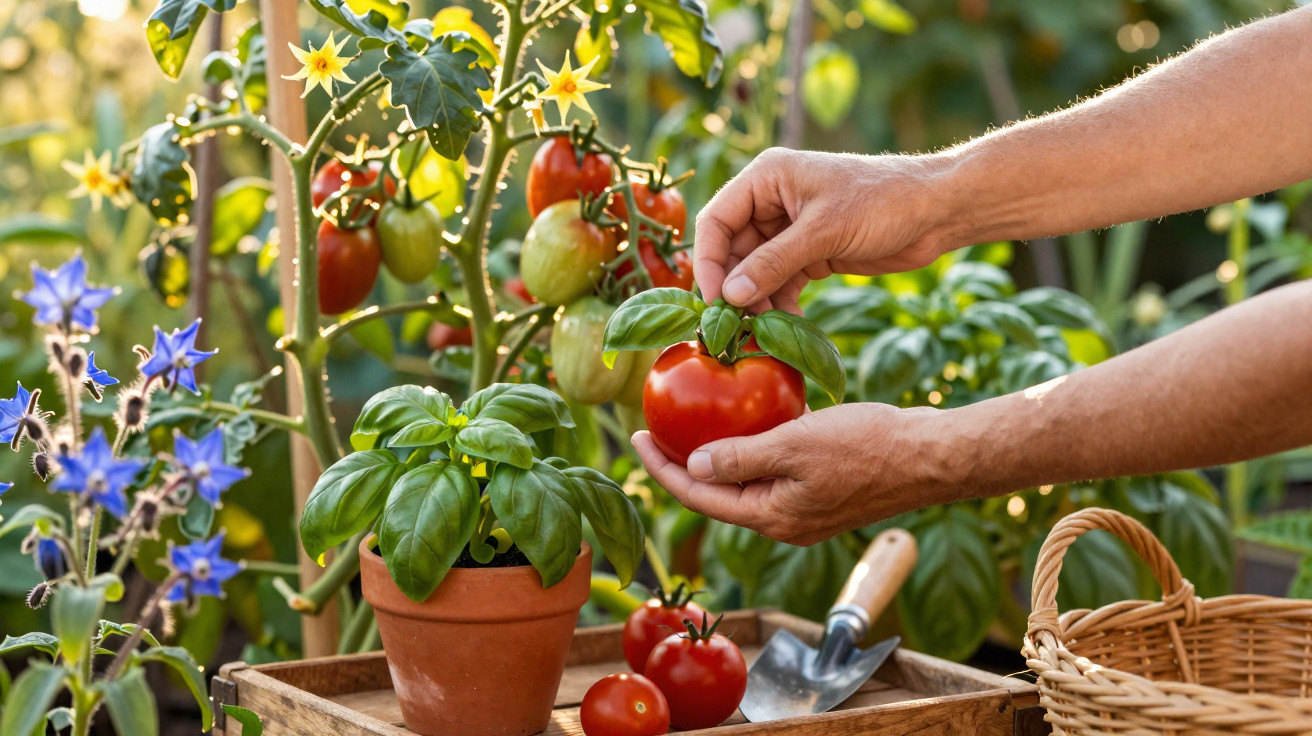
At the same time, its many flower visitors bring more life to the garden. Children can observe the behaviour of different insects, while adults can enjoy the gentle buzzing as a backdrop on warm summer evenings. Anyone growing vegetables also benefits indirectly from more pollinators in the garden: tomatoes, berries and squash plants usually set fruit more reliably when insect activity is strong.
For anyone without the time or inclination for complicated garden design, Pentas is therefore a rewarding compromise: little effort, plenty of colour and a noticeable benefit for nature. Planning a few pots of this star flower in spring almost automatically brings a vibrant, colourful summer into the home.
Comments
No comments yet. Be the first to comment!
Leave a Comment