
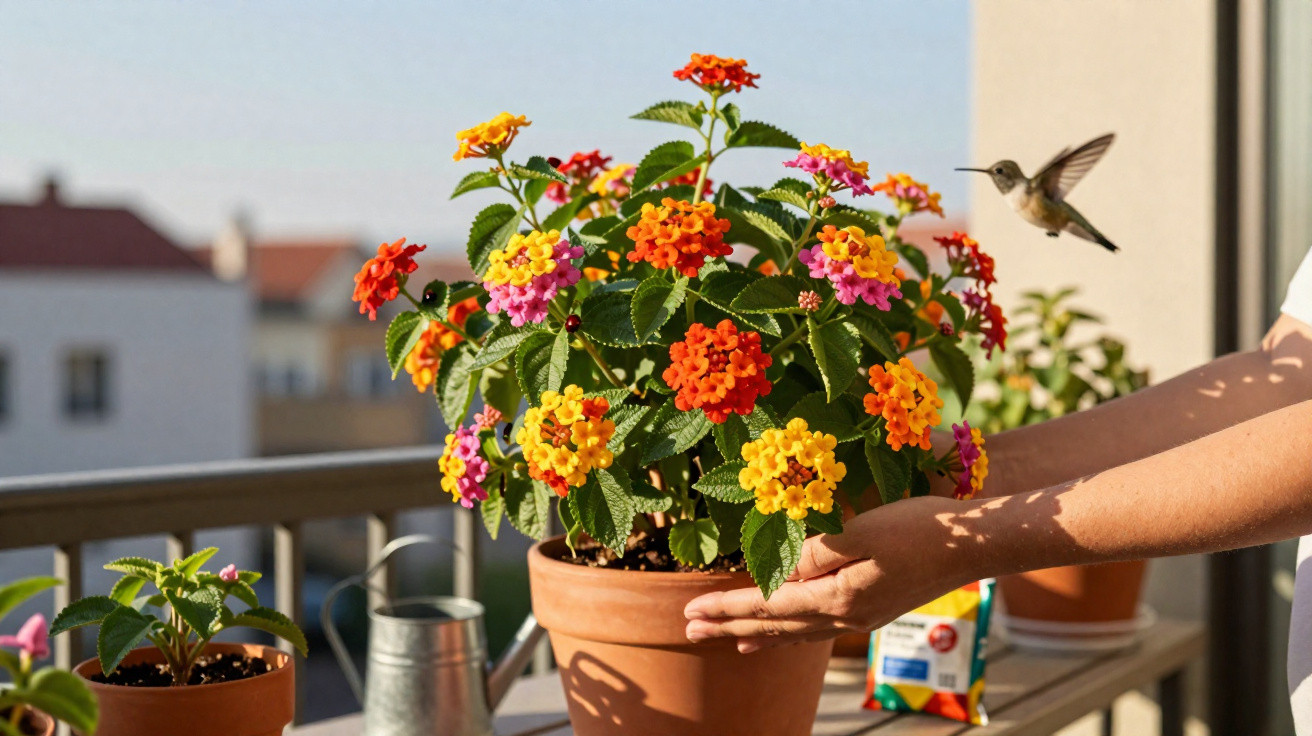
While geraniums fade in autumn and most beds look bleak in winter, one shrub quietly holds its ground: Lantana camara, commonly known as lantana. Once established in a garden or on a balcony, it can provide a blaze of colour in January just as readily as in June – without needing constant watering, feeding or pruning.
A flowering plant that seems never to stop
Most ornamental plants have a set season: spring or summer, then their display is over. Lantana follows its own timetable. Its rounded flower clusters appear for months and, provided temperatures do not become bitterly cold, can often continue throughout the year.
Each cluster is made up of many tiny individual flowers that open in succession. As the oldest blooms fade, fresh buds emerge immediately behind them. As a result, the shrub rarely appears bare or finished flowering.
Lantana works on a flower-production line: fading at the front, fresh blooms arriving at the back – with no visible break.
It also brings an eye-catching mix of colour to beds: vivid yellow, orange, pink, red or purple, often all combined on one plant. As the flowers change colour while developing, they create the characteristic graduated effect that gives lantana its name.
Winter benefit: colour when other plants have long given up
Its greatest advantage may be most apparent during the colder half of the year. While roses, herbaceous perennials and summer flowers have already entered their winter rest, lantana can simply continue flowering through mild winters. In areas with severe frost, it needs protection or must be moved indoors; however, in sheltered sites and coastal areas, it can genuinely flower almost without interruption.
Anyone impatient to enjoy a full display of flowers rather than waiting several years will find lantana an excellent choice. Unlike many bulb plants, which can be hesitant in their first year, this shrub gets going after a short establishment period – and does not stop again quickly.
Lantana is as low-maintenance as ornamental plants come
A plant that flowers continuously might sound demanding. With lantana, the opposite is true. Its undemanding nature is precisely what makes it so appealing for people with limited time or little gardening experience.
Maximum colour impact with minimum effort – that is a very accurate way to describe lantana.
Position, watering and feed: how little lantana needs
The shrub originally comes from tropical regions of the Americas and Africa. It is therefore no surprise that it loves sunshine and tolerates drought remarkably well. Waterlogging, on the other hand, is something it strongly dislikes.
- Position: Full sun is ideal; the more direct sunshine it receives, the denser and more colourful its flowering will be.
- Watering: In borders, watering is usually needed only during prolonged dry spells. In pots, water regularly but avoid overdoing it.
- Soil: Almost any loose garden soil will do, as long as excess water can drain away.
- Feeding: A small amount of slow-release fertiliser in spring, or liquid feed every few weeks, is enough.
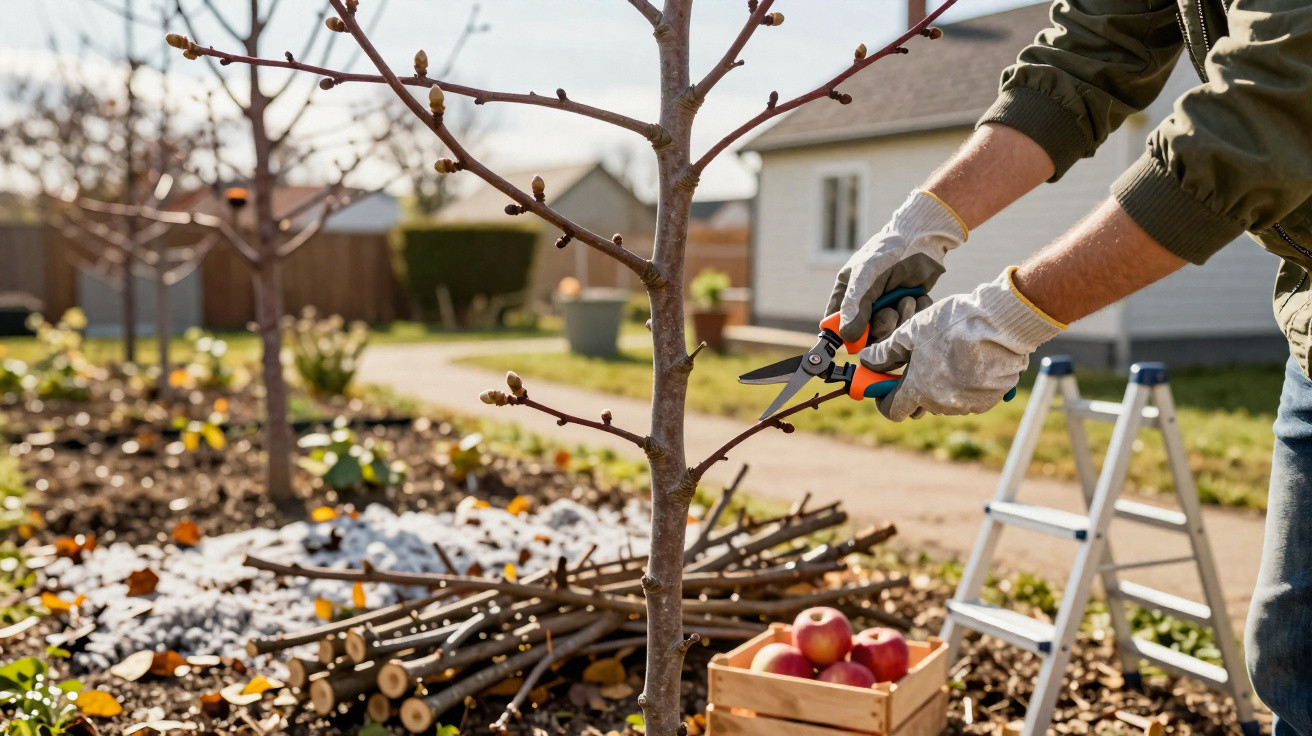
- Pruning: A light trim once or twice a year maintains its shape and encourages fresh flowers.
Anyone used to regularly deadheading other plants can relax with lantana: it handles most of the job itself by continuously producing new blooms. An occasional use of the secateurs is entirely sufficient to keep it compact.
Ideal for window boxes and small gardens
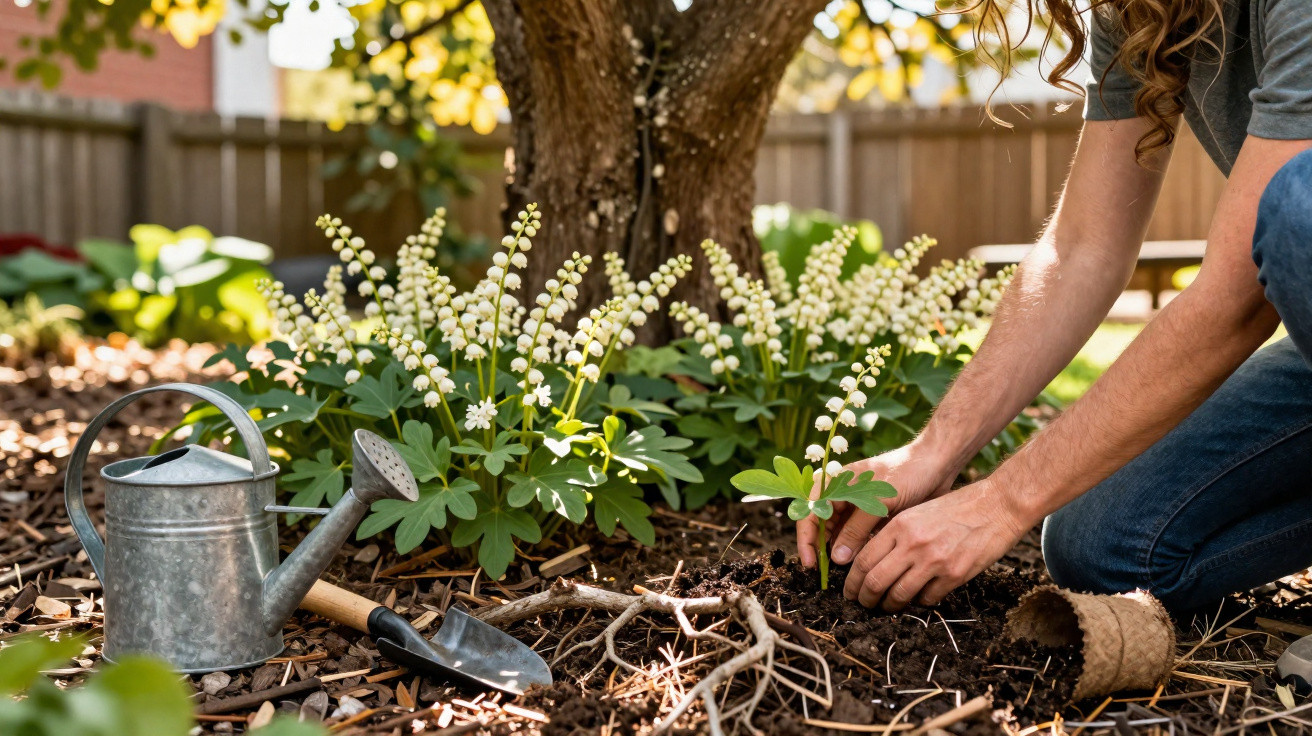
In colder parts of the UK, lantana is especially well suited to growing in a pot. This keeps it portable, allowing it to be moved easily indoors or into a frost-free conservatory in autumn. It will often continue to flower there, although usually less intensely than it would outdoors in full sun.
That is a real advantage for people with limited space: one large container on a balcony and a few colourful lantana plants can make a small area look far more lively, without requiring someone to water and maintain them constantly.
Why lantana attracts insects and birds
Lantana is not only attractive; it is also ecologically interesting. Its flowers produce nectar almost continuously, making the plant a dependable refuelling point for pollinators.
Butterflies are particularly fond of its colourful flower heads. Anyone growing a larger specimen in the garden will soon notice constant activity around it. Wild bees and honey bees also visit regularly, especially when other nectar sources are scarce.
Lantana acts like an all-year buffet for butterflies, bees – and later, birds.
After flowering, small dark berries develop. They are not suitable for people to eat, but they attract blackbirds, sparrows and other bird species. The plant therefore combines two functions: food for insects while it flowers and food for birds at a later stage.
Versatile in beds, borders and as ground cover
From a design perspective, lantana can be used almost anywhere that receives sunshine. It works well as:
- a colourful accent in a perennial bed;
- a low, informal flowering hedge;
- ground cover planted over an area in warm locations;
- the centrepiece of a container or window box.
Because it grows fairly quickly, it can fill gaps in a bed in a short time. In very warm regions, however, this vigour can also become a problem: lantana can spread strongly if no action is taken to control it. Regular shaping keeps it in check while also promoting even more flowers.
Practical advice: getting started with lantana
You do not need to be an expert to try growing lantana. A few straightforward steps are enough to help the plant thrive.
| Step | Recommendation |
|---|---|
| Buying | Choose healthy, compact plants with plenty of buds; the leaves should be deep green. |
| Planting time | Put plants outdoors after the last frosts, once night frosts are no longer expected. |
| Pot size | Choose a slightly larger pot so that the roots can develop well. |
| Compost | Mix ordinary multipurpose compost with a little sand or expanded clay for improved drainage. |
| Overwintering | In colder areas, keep it somewhere bright and frost-free at around 5–10 °C. |
When overwintering, the plant often loses some of its foliage, but it produces strong new growth again in spring. A harder cut back at the start of the season helps encourage bushy, compact growth.
Further points to know: toxicity, combinations and benefits
As with some other ornamental shrubs, lantana is toxic to people and pets if consumed in larger quantities. It is therefore best kept away from areas where small children play, and dogs or cats should not eat its leaves or berries. For normal gardening, washing your hands after pruning is sufficient.
Lantana creates especially striking displays when combined with other sun-loving plants. Suitable companions include:
- Cape daisies and petunias in a window box;
- lavender and catmint for a fragrant, insect-friendly bed;
- herbs such as rosemary or thyme, which also tolerate dry conditions.
The result is not only a visually varied planting scheme, but also a highly valuable food source for pollinators over many months. At a time of declining insect numbers, lantana offers a double benefit: it brightens the garden while supporting important animal species.
Anyone who has previously avoided richly flowering plants because they seem like hard work may find lantana to be a gateway plant: little effort, a visible effect, and one that immediately catches every visitor’s eye. For some amateur gardeners, it becomes the quiet star of the display – and the answer to keeping a balcony or bed colourful throughout the year.

Comments
No comments yet. Be the first to comment!
Leave a Comment